



christmas trees
Transform Your Garden into a Personal Paradise!
Best Fertilizer for Christmas Trees: Seasonal Care & Feeding Tips
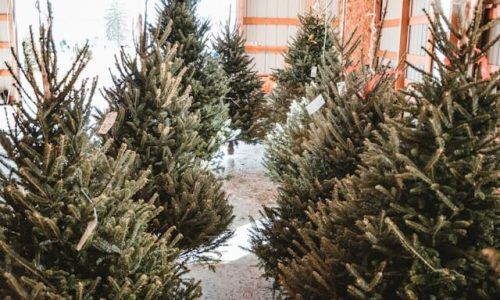
If you’ve ever wondered what is the best fertilizer for Christmas trees, you’re not alone. Whether you’re growing a potted Christmas pine, a living spruce to display indoors during the holidays, or cultivating plantation-grown Christmas trees, the right fertiliser ensures vibrant green needles, healthy branch structure, and long-lasting seasonal display.
Popular living Christmas tree species in Australia include Norway Spruce (Picea abies), Radiata Pine (Pinus radiata), and Blue Spruce (Picea pungens). All benefit from a balanced NPK fertiliser with trace elements to encourage steady growth, dense foliage, and resilience against stress from moving indoors during the festive season.
Understanding Christmas Tree Nutrition & Growth Cycles
Christmas trees are coniferous evergreens, meaning they grow year-round, but their peak nutrient demand occurs during the spring and summer growth flush. Feeding during these periods builds the dense, dark-green foliage that keeps trees looking vibrant through December.
Key nutrition for Christmas trees:
- Nitrogen (N): Drives rich green needle growth and branch density
- Phosphorus (P): Encourages root development and helps trees anchor well in pots or open soil
- Potassium (K): Strengthens branches, improves stress tolerance, and reduces needle drop
- Trace elements: Magnesium, iron, and manganese enhance colour and prevent yellowing needles
Without seasonal feeding, trees may show pale needles, sparse growth, or increased needle drop indoors. Maintaining adequate water and nutrients is critical for Christmas tree health year-round.
How to Fertilize Christmas Trees for Lasting Colour
The best time to fertilize Christmas trees is during their active growth season—spring through early summer. For potted trees or young plantation trees, use a water-soluble balanced NPK fertiliser every 4–6 weeks. Mature ground-planted trees benefit from 2–3 seasonal feeds per year.
Application guidelines:
- Spring: Apply a full-strength feed to promote lush needle and branch growth.
- Summer: Maintain colour and density with a light feed every 6–8 weeks.
- Autumn: Reduce feeding to allow branches to harden before winter. Avoid late heavy nitrogen.
When growing a Christmas tree in a pot, ensure excellent drainage and water thoroughly after fertilizing. Fertiliser should always be applied at the drip line, not directly against the trunk, to prevent root burn. For indoor display, stop feeding 4–6 weeks before moving the tree inside and focus on watering to maintain hydration.
Consistent feeding and seasonal pruning help maintain the iconic triangular shape, deep green colour, and healthy needle retention for which Christmas trees are prized.
Recommended Fertilizer and FAQs
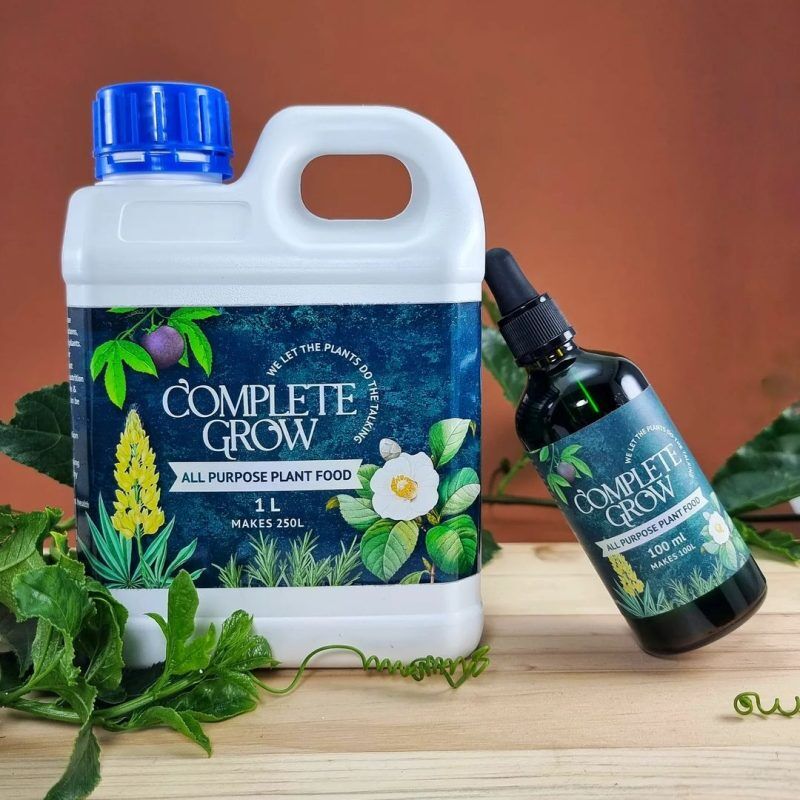
The best fertilizer for Christmas trees is a balanced, water-soluble feed that promotes lush green needles and strong branches. CompleteGrow’s All Purpose NPK 20-20-20 Liquid Fertiliser is ideal for both potted and in-ground trees, supplying essential macro and micronutrients for year-round health.
Feed in spring and early summer, then taper off as winter approaches. Always water thoroughly after application to help nutrients reach the root zone.
FAQ
Q: How do I keep my Christmas tree green longer?
A: Feed regularly in spring and summer with a balanced NPK fertiliser and keep soil consistently moist. Proper nutrition prevents premature needle drop.
Q: Can I fertilize a Christmas tree while it’s indoors?
A: No. Pause fertilization while the tree is inside for display. Focus on watering to keep soil moist.
Q: How often should potted Christmas trees be fed?
A: Every 4–6 weeks during the growing season using a diluted liquid fertiliser.
Q: Should I prune a Christmas tree after fertilizing?
A: Light pruning can be done after feeding to maintain shape, but avoid heavy trimming late in the year to prevent stress.
Recommended Products
- Quick View
- Select options This product has multiple variants. The options may be chosen on the product page