Free Shipping Over $70

Free Shipping Limited Time

Hydroponic Lettuce Guide

Transform Your Garden into a Personal Paradise!

Add Your Heading Text Here

Hydroponic Lettuce: How to Grow Faster, Cleaner, Better Lettuce at Home or Commercial Scale

Hydroponic lettuce is one of the easiest, fastest, and highest-performing crops you can grow in a soilless system. It grows quickly, has a shallow root system, responds extremely well to controlled nutrition, and can produce crisp, clean leaves in a fraction of the time many soil growers are used to. For beginners, it is one of the best entry crops into hydroponics. For experienced growers, it is one of the most efficient crops for turnover, consistency, and quality.

The reason lettuce performs so well in hydroponics comes down to how the plant naturally grows. Lettuce is a leafy, fast-maturing crop that does not need deep rooting space or heavy structural support. Unlike fruiting plants, it does not spend energy producing large flowers or fruit. Its main goal is rapid leaf production. That makes it ideal for a hydroponic environment where water, oxygen, and nutrients are always available right where the roots need them.

This is also why terms like hydroponic lettuce, hydroponics for lettuce, lettuce hydroponics, and growing lettuce hydroponically all point to the same thing: people want a faster, cleaner, more predictable way to grow high-quality lettuce without relying on inconsistent soil conditions, pests in garden beds, or seasonal limitations.

Key Hydroponic Lettuce Facts

  • Typical crop time: around 4 weeks from seedling stage to harvest under good conditions
  • Best for: beginners, home growers, vertical farms, commercial leafy green systems
  • Main advantage: cleaner leaves, faster growth, and highly controlled nutrient uptake
  • Common systems: DWC, NFT, Kratky, raft systems, and vertical towers
  • Best varieties: butterhead, loose leaf, romaine, oakleaf, and other quick leafy types

Why Lettuce Is One of the Best Plants for Hydroponics

Lettuce is naturally well-suited to hydroponics because it is light-feeding compared with large fruiting crops, but it is still responsive enough that you see clear improvements when conditions are right. In soil, lettuce often struggles with uneven moisture, nutrient inconsistency, compaction, slugs, splashing dirt, and weather swings. In a hydroponic system, most of those problems are reduced or removed entirely.

A healthy hydroponic lettuce crop usually shows faster leaf expansion, more even head formation, better colour, and less waste at harvest. The leaves are often cleaner because they are not sitting in wet soil or exposed to mud splash. That matters whether you are growing for your own kitchen, a small local market, or a larger commercial operation where presentation and shelf life make a real difference.

Another big reason hydroponic lettuce is so popular is repeatability. Once the nutrient strength, pH, water temperature, lighting, and airflow are stable, the crop becomes very predictable. That is what makes lettuce such a strong hydroponic crop. You are not just growing faster. You are growing with more control.

Fast Turnover

Lettuce matures quickly, which makes it one of the best crops for regular harvests and steady production cycles.

Clean Produce

Hydroponic lettuce is usually cleaner and easier to harvest because it grows without direct soil contact.

Efficient Growth

With nutrients delivered directly to the roots, the plant spends less energy searching and more energy producing leaves.

Understanding Lettuce Before You Grow It

To grow hydroponic lettuce well, it helps to understand the plant itself. Lettuce is a cool-season leafy vegetable grown primarily for its foliage, not for fruit or root development. It likes steady conditions and tends to perform best when growth is uninterrupted. Once the plant is stressed by heat, poor nutrient balance, crowding, or irregular water conditions, quality drops quickly. Leaves may become bitter, loose, small, or prone to edge damage.

This is why hydroponic growers usually get better results when they focus on consistency rather than extremes. Lettuce does not need aggressive feeding. It does not need a huge root zone. It does not need the same heavy nutrient program used for tomatoes or peppers. What it needs is a balanced environment where roots stay oxygenated, the nutrient solution stays stable, and the plant can keep pushing soft, healthy, marketable leaf growth.

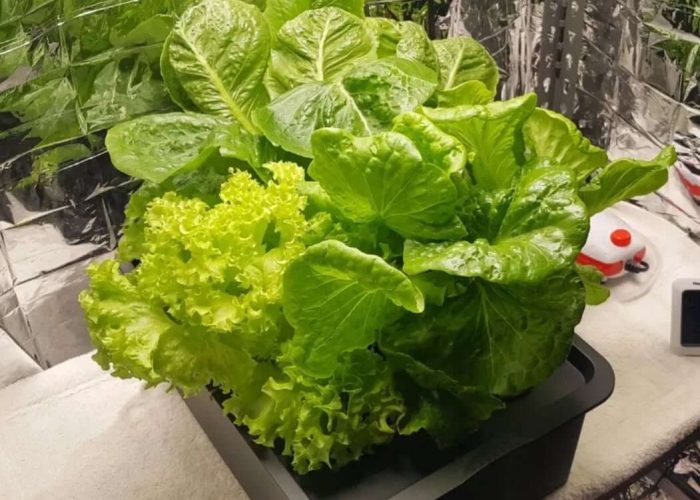
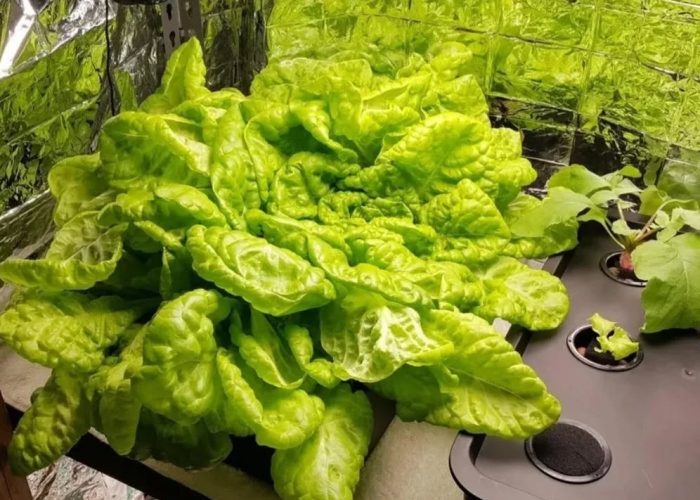
The most popular hydroponic lettuce types are butterhead, romaine, loose leaf, and oakleaf. Butterhead lettuce hydroponic systems are especially popular because butterhead varieties form attractive, soft heads with strong visual appeal and reliable performance. Loose leaf types are excellent for cut-and-come-again harvesting. Romaine is popular for growers wanting more upright structure and heavier leaves.

Growing Tip: Lettuce rewards steady conditions more than aggressive inputs. A stable system with the right nutrient balance, clean water, good airflow, and moderate temperatures will usually outperform a more complicated setup that swings too much from day to day.

Best Hydroponic Systems for Lettuce

The best hydroponic system for lettuce depends on your budget, space, and how simple or scalable you want the setup to be. The good news is that lettuce is flexible. It grows well in several different hydroponic formats, which is another reason it is such a strong crop for beginners and experienced growers alike.

  • Deep Water Culture (DWC): one of the easiest and most effective options, especially for home growers. Roots hang into oxygenated nutrient solution, and growth can be very fast.
  • Nutrient Film Technique (NFT): popular in commercial hydroponic lettuce production because it allows efficient water use, easy scaling, and consistent feeding.
  • Kratky Method: a passive approach that works well for DIY hydroponic lettuce projects and smaller home systems.
  • Raft or floating systems: commonly used for leafy greens where plants sit in net pots above nutrient solution and develop clean, uniform growth.

If you are looking at diy hydroponic lettuce or growing hydroponic lettuce at home, DWC and Kratky are usually the easiest starting points. If you want high plant numbers and more efficient commercial-style production, NFT or raft systems are usually better long-term choices.

The main thing is not choosing the fanciest system. It is choosing one that keeps roots supplied with oxygen, nutrients, and stability. Lettuce grows best when the system works quietly in the background and lets the crop do what it naturally does best: produce fast, healthy leaf growth.

652749483_18076706714130594_3563227595373543799_n

Hydroponic Lettuce Nutrients, EC, and Feeding Strategy

Hydroponic lettuce depends entirely on your nutrient solution. Unlike soil, there is no buffer. Every stage of growth is directly influenced by nutrient strength, balance, and consistency. If nutrients are dialled in properly, growth is fast and uniform. If not, problems show quickly.

Ideal EC for Hydroponic Lettuce
  • Seedlings: 0.5 โ€“ 0.8 EC
  • Early growth: 1.0 โ€“ 1.2 EC
  • Full growth: 1.2 โ€“ 1.6 EC

Maintaining EC within this range ensures your plants receive enough nutrients without being overfed. Overfeeding is one of the most common mistakes and can lead to leaf burn, bitterness, or slowed growth.

Key Nutrients Lettuce Needs

  • Nitrogen: drives leaf growth and size
  • Calcium: prevents tip burn and strengthens leaves
  • Magnesium: supports chlorophyll and colour
  • Trace elements: essential for overall plant health
Pro Tip: Lettuce performs best with steady feeding, not aggressive feeding. Consistency always beats pushing higher EC levels.

Lighting, Temperature, and Environment

Getting the environment right is just as important as nutrients. Lettuce prefers stable, moderate conditions.

  • Light: consistent daily exposure for steady growth
  • Temperature: avoid excessive heat to prevent bitterness
  • Airflow: improves leaf strength and reduces disease
  • Water temperature: keep stable to protect roots

Step-by-Step Growing Process

  1. Germinate seeds in rockwool or plugs
  2. Transfer seedlings once roots develop
  3. Maintain EC and pH consistently
  4. Provide light and airflow
  5. Harvest within 4 weeks

Common Hydroponic Lettuce Problems

  • Tip burn: calcium imbalance
  • Slow growth: weak nutrients or low EC
  • Bitter taste: heat or overfeeding
  • Root issues: poor oxygenation
653385941_18065277947320139_507668476568325042_n

Hydroponic Lettuce FAQ

What is the best EC for hydroponic lettuce?

Between 1.0 and 1.6 during most of the growth cycle.

How long does hydroponic lettuce take to grow?

Most varieties are ready in around 4 weeks.

What is the best hydroponic system for lettuce?

DWC and NFT systems give the best results. Kratky works well for simple setups.

What lettuce grows best hydroponically?

Butterhead, romaine, and loose leaf varieties perform best.

Best Nutrient for Hydroponic Lettuce

Hydroponic lettuce is only as good as the nutrients you feed it. Since there is no soil buffer, using a complete and balanced nutrient solution is essential for consistent growth and quality.

For fast-growing leafy greens like lettuce, the goal is steady, reliable nutrition that supports continuous leaf development without stress or deficiencies.

Designed for hydroponic systems, this formula delivers balanced nutrients, calcium, magnesium, and trace elements needed for strong, healthy lettuce growth in both home and commercial setups.

Recommended Products

Sale!

Hydroponic Nutrients Fertilizer โ€“ Two-Part Formula (A & B)

Price range: $31.50 through $370.00
The Grow Blog: News, Tips, & Stories

Cart (0 items)

No products in the cart.