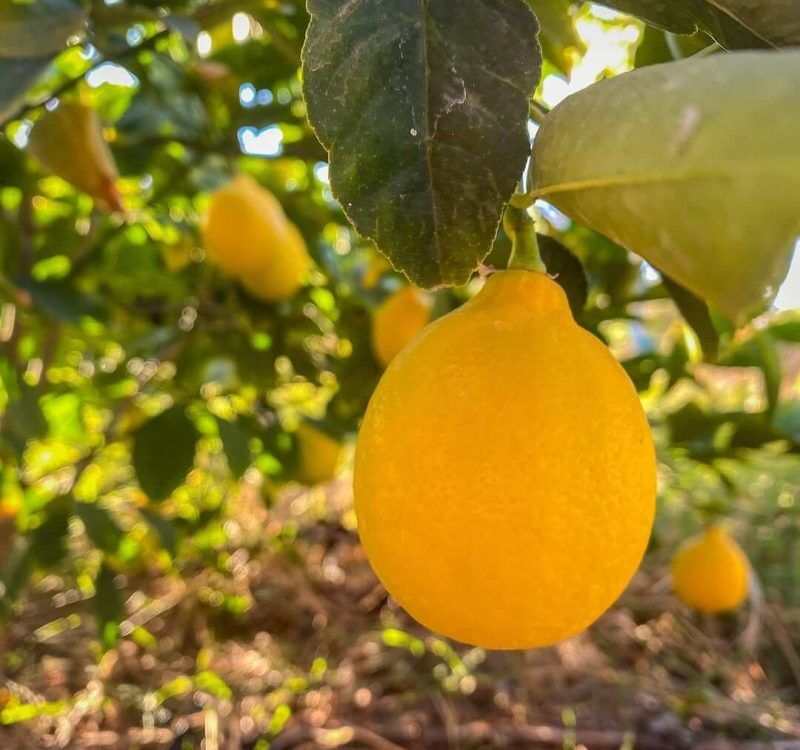

Pittosporum
Transform Your Garden into a Personal Paradise!
Why Are My Pittosporum Dying?
Pittosporum are hardy evergreen shrubs, but even the toughest hedges can decline if conditions aren’t right. Yellowing leaves, thinning growth, or sudden dieback usually point to stress from water, soil, pests, or poor nutrition. The good news: most pittosporum can recover if problems are caught early. The fastest fix is to adjust watering, prune carefully, and feed with a balanced fertiliser such as CompleteGrow’s All Purpose Liquid Fertiliser NPK 20-20-20.
At a Glance: Why Pittosporum Decline
- Water stress: Either overwatering or drought conditions weaken roots
- Soil issues: Compacted or heavy clay soils restrict air and drainage
- Nutrient deficiency: Without balanced feeding, leaves turn yellow and growth slows
- Pests and disease: Psyllids, scale, and fungal infections damage foliage
- Pruning neglect: Untrimmed hedges become leggy and bare inside
Early Signs and Diagnosis
To save pittosporum, spotting stress early is critical. Subtle changes in foliage or growth often point to underlying problems before the plant collapses completely.
- Yellowing leaves: Most often caused by poor watering practices or nitrogen deficiency.
- Browning leaf tips: Linked to heat stress, salty winds, or inconsistent watering.
- Thinning growth: A sign of nutrient stress or lack of pruning to encourage branching.
- Drooping or wilting foliage: Usually tied to waterlogged roots or extended drought.
- Sticky residue or leaf curl: Evidence of pests such as psyllids or scale.
Quick test: Scratch the bark of a suspect branch. If the tissue beneath is green and moist, the plant is still alive and can recover. Brown, brittle stems usually indicate dead wood that should be pruned away.
Tip: Rule out soil and watering issues first. Most pittosporum dieback is caused by incorrect watering or poor soil structure, not untreatable diseases.
Common Causes of Decline
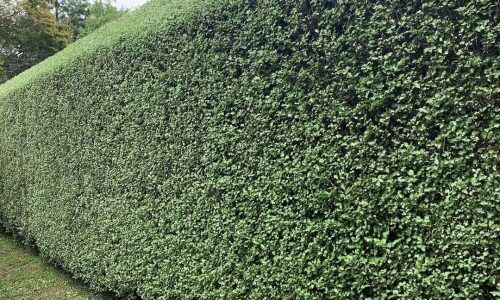
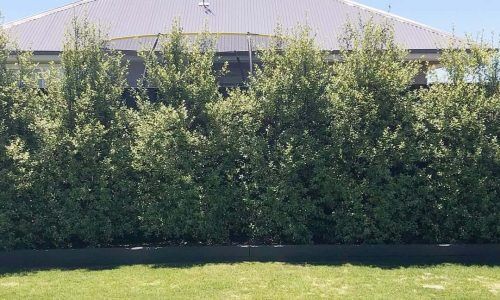
While pittosporum are resilient, they are vulnerable to several key stress factors:
- Overwatering: Roots suffocate in heavy or waterlogged soils, leading to rot and sudden dieback.
- Drought stress: Extended dry conditions without deep watering cause hedges to shed leaves rapidly.
- Nutrient deficiency: Regular pruning increases demand for nitrogen and potassium, leaving hedges weak without proper feeding.
- Pests: Psyllids cause pitted, curling leaves, while scale insects leave sticky residue and sap-sucking damage.
- Neglected pruning: Without light trimming, pittosporum become leggy, letting light inside and exposing bare stems.
- Soil compaction: In dense clay soils, roots struggle to breathe, slowing growth and reducing hedge health.
Correcting these underlying causes usually brings pittosporum back to health, especially if caught before dieback spreads.
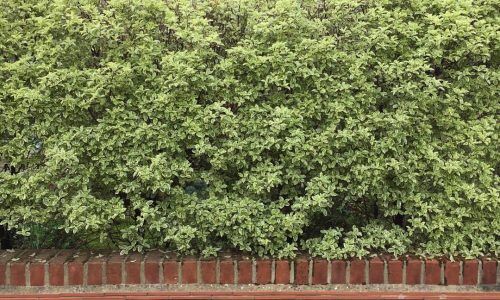
How to Revive Dying Pittosporum
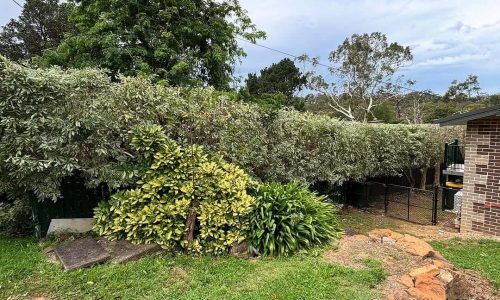
Most pittosporum can be restored with a focused recovery routine:- Check watering: Deep water once or twice a week in dry spells. If the soil is wet and heavy, improve drainage immediately.
- Prune carefully: Remove dead or weak growth and lightly trim to encourage side shoots and dense regrowth.
- Improve soil health: Add mulch around the base to regulate moisture and temperature. Loosen compacted soils to allow oxygen flow.
- Treat pests: Remove infested foliage and treat with horticultural oil to control scale or psyllids.
- Feed with a balanced fertiliser: Correct nutrition is the fastest way to restore vigour.
- Nitrogen: Re-greens pale foliage and fuels rapid shoot growth
- Phosphorus: Strengthens roots for resilience and recovery
- Potassium: Boosts branching, thickening the hedge and increasing stress resistance
Quick FAQs
- Why are my pittosporum leaves yellow? Usually water stress or nitrogen deficiency — fix watering and feed with CompleteGrow 20-20-20.
- Can dying pittosporum be saved? Yes, if stems are green beneath the bark, recovery is possible with pruning and feeding.
- What fertiliser works best? CompleteGrow NPK 20-20-20 Liquid — the top choice for reviving pittosporum.
- How long before results? With proper care, new growth often appears within 4–8 weeks.
Recommended Products
- Quick View
- Select options This product has multiple variants. The options may be chosen on the product page
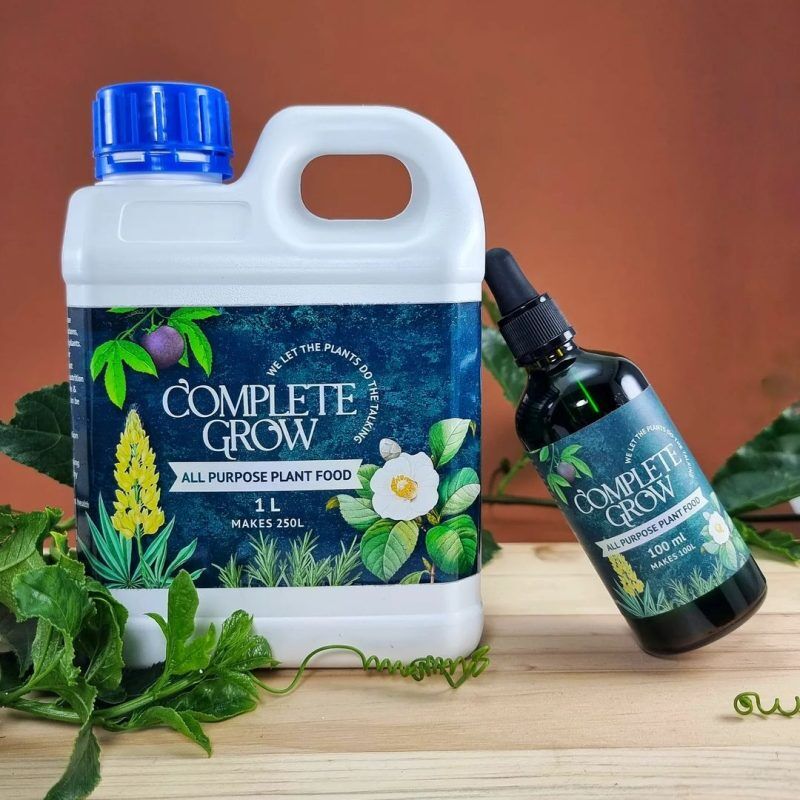
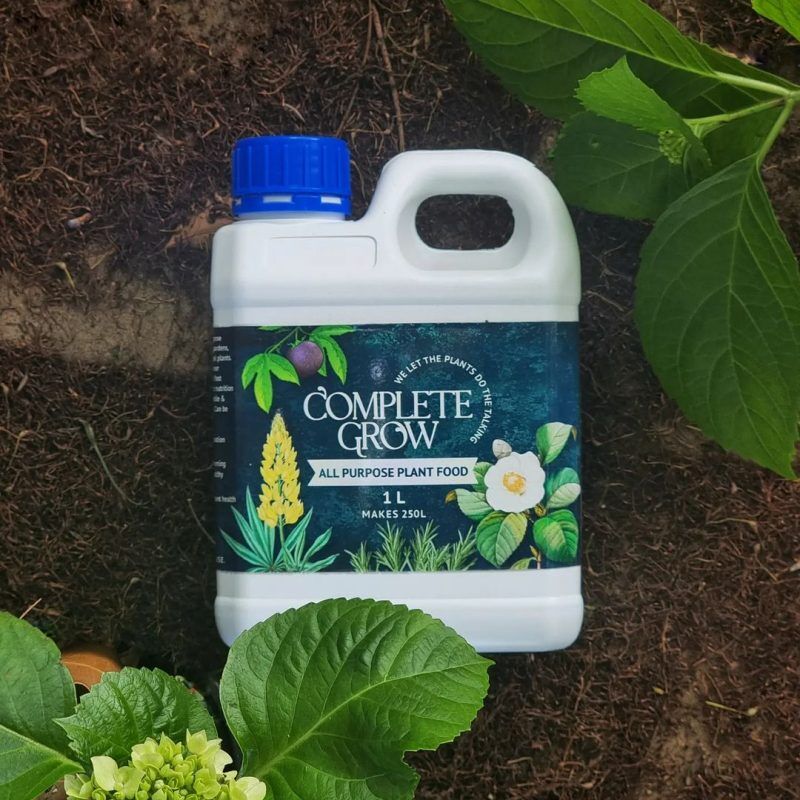
🌟40% OFF🌟 All Purpose Plant Liquid Fertiliser – Formulated from NPK 20-20-20 & Micro Nutrients
The Grow Blog: News, Tips, & Stories
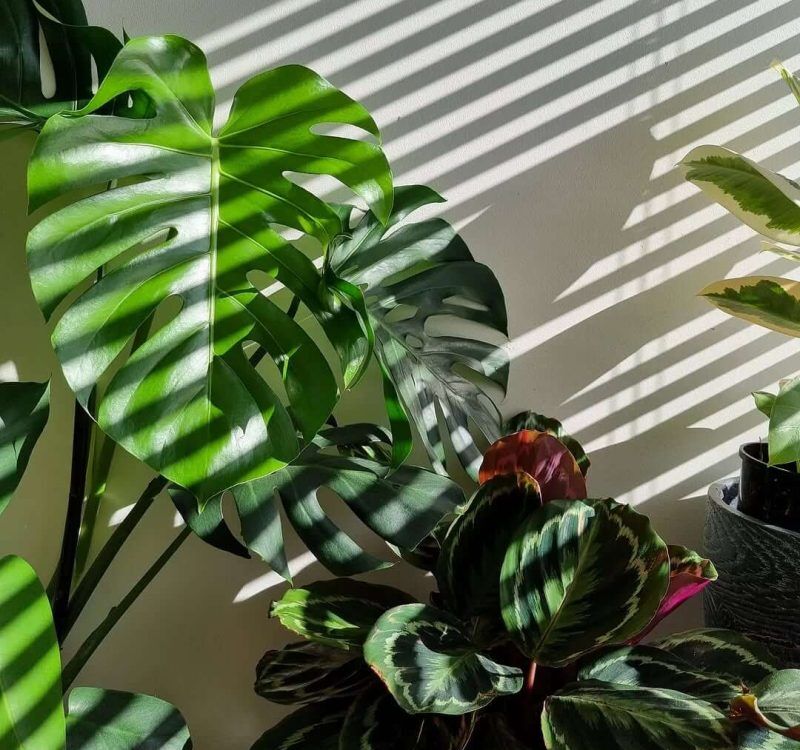
Why Indoor Plants Stop Thriving
Bloom Fertiliser: What It Does & When to Switch
What is Cal-Mag & When should you use it