
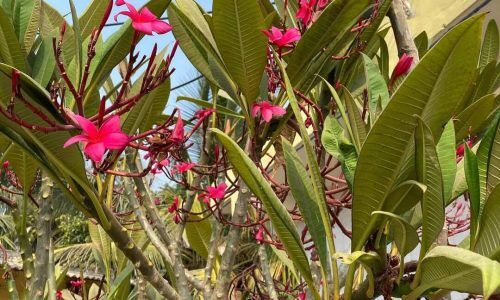
Plumeria Leaves Turning Yellow

Transform Your Garden into a Personal Paradise!

Why Are My Plumeria Leaves Turning Yellow?

Most plumeria (frangipani) leaves turn yellow due to one of five reasons: overwatering/poor drainage, underwatering/heat stress, nutrient deficiencies, pests/disease (e.g., rust, mites, scale), or normal seasonal dormancy. The pattern of yellowing tells you the cause—use the diagnostic cues below to identify and fix it fast.

Quick Answer & Red Flags

  • Lower, older leaves yellow first, soil stays wet: Overwatering or heavy mix → improve drainage and watering rhythm.
  • Leaf edges crisp, pot dries in a day: Underwatering/heat stress → water deeply, mulch surface, increase pot size.
  • Pale leaves overall; veins not much greener: Nitrogen shortfall → resume balanced feeding.
  • Newest leaves yellow with greener veins: Iron/Mg deficiency or high pH → use Cal-Mag and correct pH.
  • Orange powdery spots underside: Plumeria rust → remove affected leaves, improve airflow.
  • Fine webbing, stippling: Spider mites → rinse foliage, treat early.
  • It’s late autumn–winter in AU: Normal dormancy leaf-drop → reduce water and wait for spring growth.

Diagnose by Pattern

  • Bottom-up yellowing, soggy pot, musty smell: Root stress/rot from waterlogging.
  • Top-down yellowing in hot, windy weather: Acute moisture deficit; pot too small or mix too fine.
  • Patchy yellow + sticky residue/sooty mould: Scale/mealybug feeding.
  • Sudden yellowing after a cold snap (<10°C): Cold shock—move to warmer microclimate.
  • Uniform pale green to yellow during fast growth: Nutrient dilution—feeding cadence too light.
483602382_18056958986510847_395446262051714923_n (1)
325600183_504557075158714_5965396015090160739_n (1)

Main Causes & How to Fix Yellow Plumeria Leaves

1) Overwatering & Poor Drainage

  • Use a coarse, free-draining mix (e.g., premium potting mix + chunky perlite/pumice/sand).
  • Ensure pots have large, clear drainage holes; raise on feet to prevent saucer soak.
  • Water deeply then allow the top few cm to dry before watering again.
  • If roots smell sour or are brown/mushy, repot, trim damaged roots, refresh mix, and reduce watering.

2) Underwatering & Heat Stress

  • In warm months, aim for 1–2 deep waterings/week depending on heat and wind.
  • Upsize root volume (bigger pot) and mulch the surface to slow evaporation.
  • Position where the plant gets sun but avoid extreme reflected heat off walls if leaves scorch.

3) Nutrient Deficiencies (N, Mg, Fe) & pH Issues

  • Resume a balanced feeding program every 2–3 weeks in spring–summer with
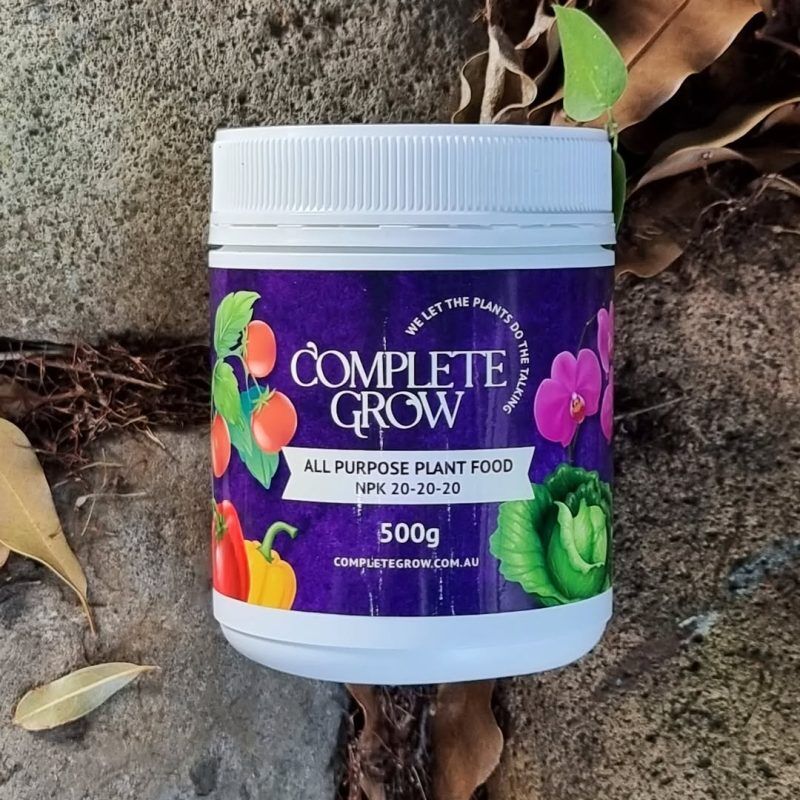
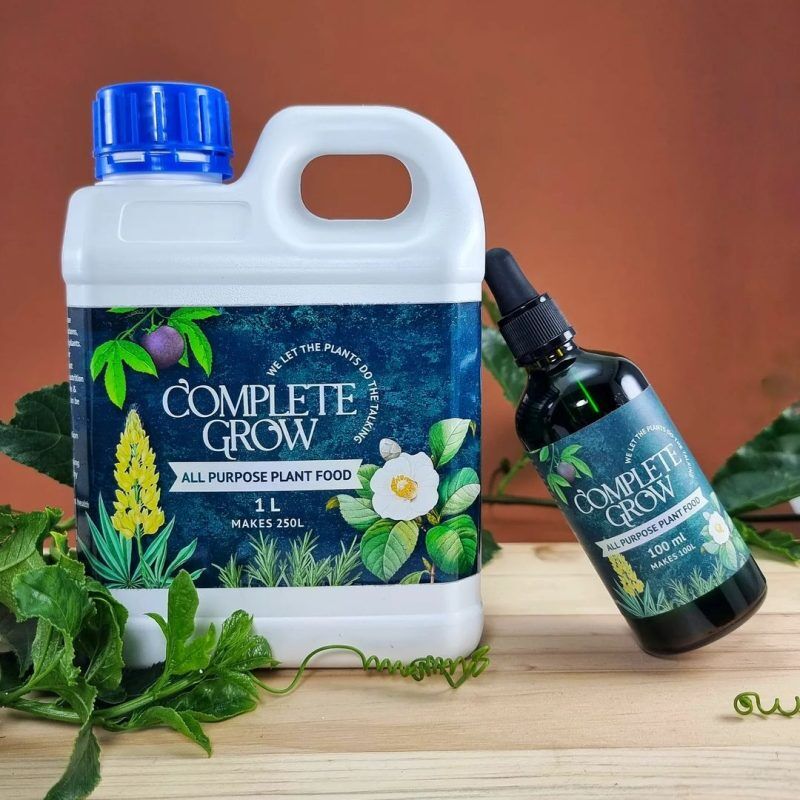
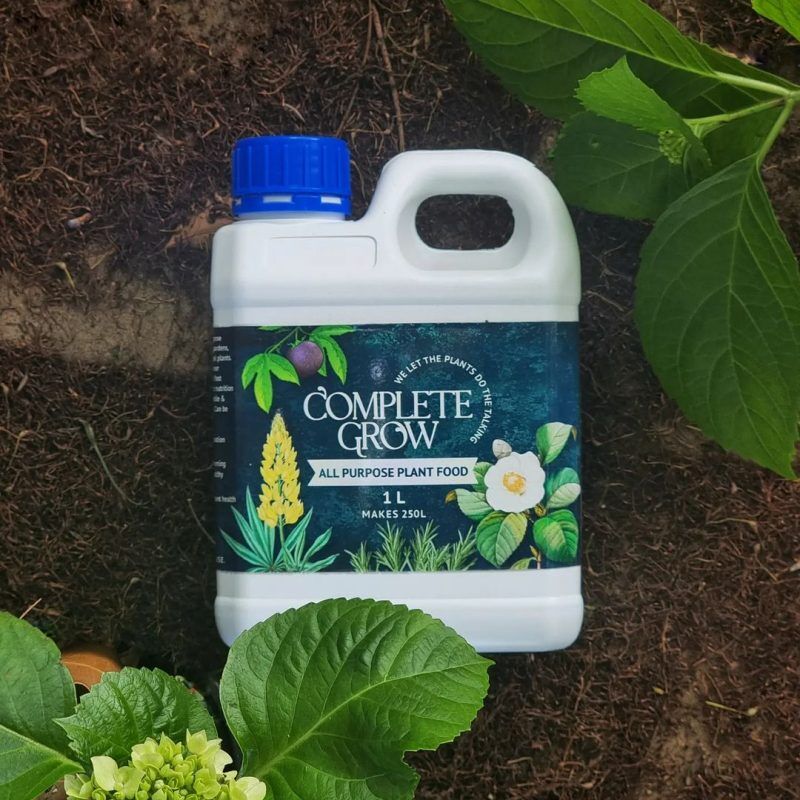
    CompleteGrow NPK 20-20-20 to correct general paling and support vigorous growth/flower set.
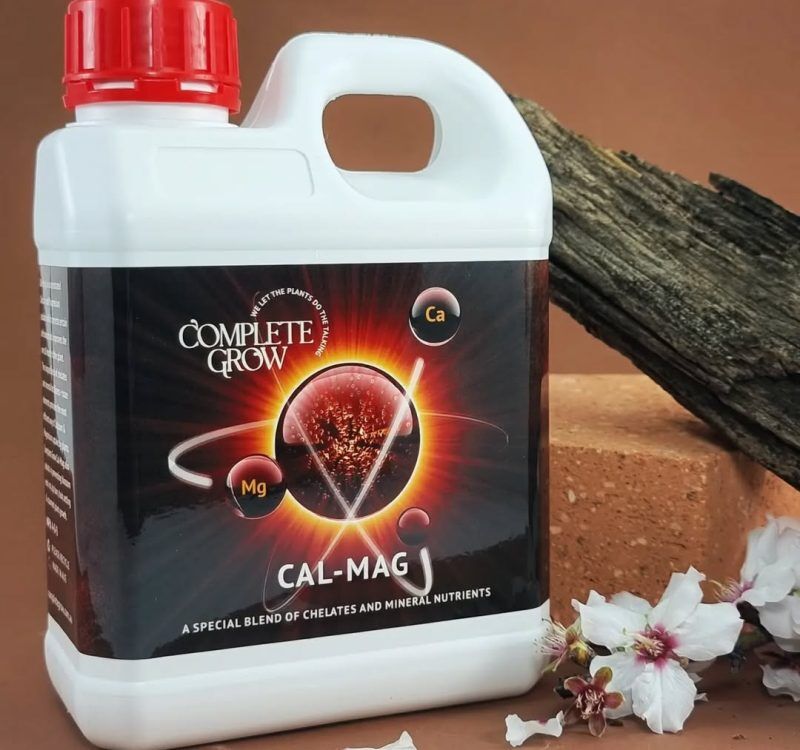
  • For interveinal chlorosis on young leaves, apply a Cal-Mag supplement to address magnesium/calcium support and help nutrient uptake.
  • Avoid constantly high pH media; flush salts quarterly and consider a fresh mix if pH drifted.

4) Pests & Disease

  • Spider mites: Fine webbing and speckled yellowing—hose undersides, increase humidity, use horticultural oil/soap early.
  • Scale & mealybug: Sticky honeydew, sooty mould—wipe off, treat, and improve airflow.
  • Plumeria rust: Orange pustules under leaves—remove infected leaves, avoid overhead watering late day, space plants for air.

5) Seasonal Dormancy (Autumn–Winter, Australia)

  • Yellowing and drop are normal as growth slows. Reduce watering to minimal “keep-alive”.
  • Protect below ~10 °C; use a warm wall/verandah or move pots under cover in frosty regions.
  • Do not fertilise in dormancy; restart feeding in spring when buds swell.

6) Salt Build-Up in Pots

  • Fertiliser and hard water can accumulate salts, causing tip burn/yellowing.
  • Flush with plain water until it runs freely from the base (repeat a few times) each season.

7) Transplant/Rootbound Stress

  • If roots circle tightly, step up one pot size and refresh the mix.
  • Water in well and resume regular feeding once new growth resumes.
325597138_895704558284727_2542195011938295461_n (1)
325475853_649181706981408_5122875178121136035_n (1)

Action Plan & FAQs

7-Step Quick Fix Checklist

  1. Check pot weight and mix — adjust watering cadence (wet/dry cycle, not constant damp).
  2. Improve drainage (coarse mix, raised pot feet, no standing water in saucers).
  3. Move to full sun (6–8+ hours) to improve vigour and nutrient uptake.
  4. Resume balanced feeding every 2–3 weeks with CompleteGrow NPK 20-20-20.
  5. Add Cal-Mag if interveinal chlorosis appears on newer leaves.
  6. Inspect and treat mites, scale, and mealybug early; remove rusted leaves and boost airflow.
  7. If it’s autumn–winter, accept normal dormancy, reduce watering, and wait for spring growth.

Plumeria FAQs

Should I remove yellow leaves?
Yes. Once leaves are mostly yellow, remove them to tidy the plant and reduce pest or disease risks. Do not strip healthy green leaves.

Why are my new leaves yellow?
This usually points to iron or magnesium uptake issues, often linked to high pH or poor drainage. Use Cal-Mag and improve soil conditions, then resume balanced feeding.

My plumeria is in the ground and yellowing—do I still need to flush?
In-ground plants rarely need flushing. Focus on improving drainage with raised beds, adding mulch, and maintaining consistent deep watering.

It yellowed after rain for a week—what now?
Allow soil to dry, gently aerate the surface, and consider adding coarse material at the next repot. Resume watering only once the top few centimetres of soil are dry.

Can underfeeding cause yellow leaves even if I water well?
Yes. Rapid growth can deplete nutrients even with proper watering. A steady fertiliser programme using NPK 20-20-20 prevents deficiencies and maintains healthy green colour.

Recommended Products

Sale!
Sale!

The Grow Blog: News, Tips, & Stories

Cart (0 items)

No products in the cart.