
Free Shipping Storwide

๐Ÿ”ฅ20 % OFF ๐Ÿ”ฅ Boxing Day Sale ends in
00 Days
00 Hours
00 Minutes
00 Seconds

citrus leaf

Transform Your Garden into a Personal Paradise!

Add Your Heading Text Here

๐Ÿ”ฅ20 % OFF ๐Ÿ”ฅ Boxing Day Sale ends in
00 Days
00 Hours
00 Minutes
00 Seconds

Common Citrus Tree Leaf Problems: Causes and Solutions

Citrus trees are prized for their lush, green leaves, but when they start showing signs of distress, it can be worrying for any grower. Yellowing, curling, and spotting on leaves are common issues faced by citrus tree owners. These problems can be caused by several factors, including nutrient deficiencies, pests, diseases, or environmental stress. Understanding the cause of your treeโ€™s leaf problems is key to addressing and correcting them.

1. Yellowing Leaves (Chlorosis)

One of the most common problems with citrus trees is yellowing leaves, known as chlorosis. This condition typically arises when the tree is not getting the nutrients it needs, particularly iron or nitrogen. Here are the primary causes:

  • Iron Deficiency: Citrus trees, especially in alkaline soils, can suffer from iron deficiency, causing leaves to turn yellow with green veins (interveinal chlorosis).
  • Overwatering: Excess water can suffocate the roots, reducing their ability to take up nutrients, leading to yellow leaves.
  • Pests: Aphids, mealybugs, and scale insects can suck sap from leaves, leading to nutrient deficiencies and yellowing.

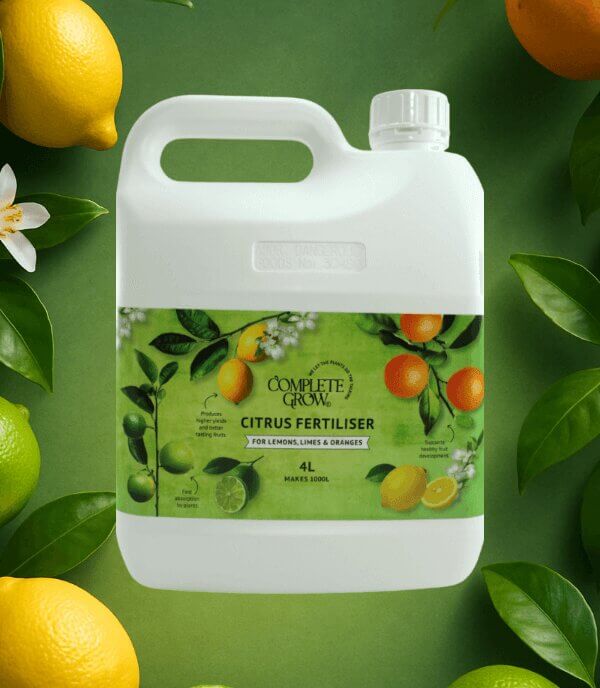
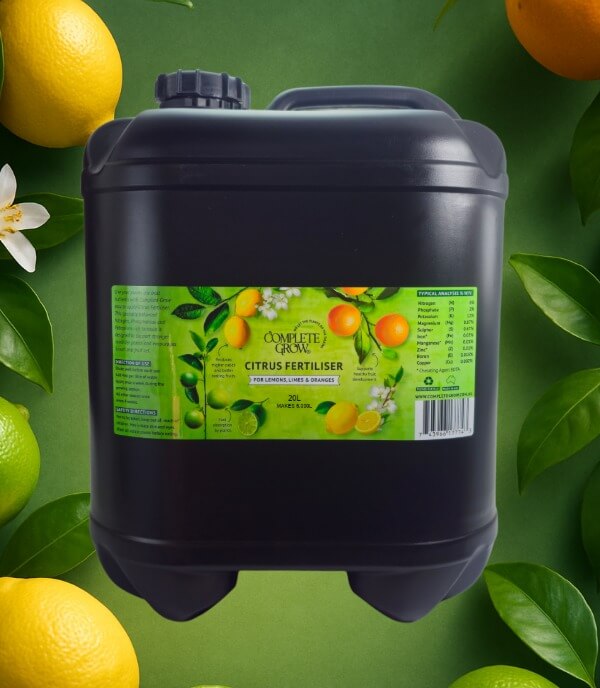
To address yellowing leaves, treat nutrient deficiencies by applying a balanced fertilizer such as Complete Grow Citrus Fertiliser, and ensure your tree is not being overwatered. Iron chelate can also be applied to correct iron deficiency.

2. Curling or Distorted Leaves

Citrus leaves can curl or become distorted due to several factors:

  • Environmental Stress: Citrus trees are sensitive to extreme weather conditions like high heat, strong winds, or cold temperatures. These stresses cause the leaves to curl as the tree tries to conserve moisture.
  • Pest Infestation: Aphids and other sap-sucking pests can distort leaves. Check the underside of leaves for insects.
  • Fungal Diseases: Fungal infections like Phytophthora can cause curling and browning of the leaves.

To manage curling leaves, start by inspecting for pests and treat accordingly with neem oil or insecticidal soap. Ensure the tree is not exposed to extreme weather and water properly to avoid stress. Apply a fungicide if fungal disease is suspected.

3. Premature Leaf Drop

Citrus trees may shed leaves prematurely due to stress from environmental factors or improper care:

  • Watering Issues: Both overwatering and underwatering can cause premature leaf drop. The tree may drop leaves as a survival mechanism to conserve energy.
  • Fertilizer Problems: Over-fertilizing, especially with nitrogen-rich fertilizers, can lead to excessive growth and premature leaf drop.
  • Temperature Extremes: Heat stress or frost can shock the tree, causing it to shed leaves.

Ensure that your citrus tree is not stressed by overwatering or underwatering, and avoid excessive fertilizing. Provide shade during hot spells and protect the tree from frost. Regularly inspect the tree for signs of stress or damage and address them promptly.

4. Blackened or Brown Leaves

If you notice blackened or brown leaves, it could be due to:

  • Fungal Infections: Black spots or brown edges can be a sign of fungal infections like Alternaria or Septoria.
  • Herbicide Damage: Overexposure to herbicides can cause leaf burn and blackening. Always follow label instructions when using herbicides.

Prune off the affected leaves and apply a fungicide for fungal issues. For herbicide damage, prevent further exposure and avoid using chemicals near your tree.

280748683_749843689722203_7724863250967651661_n
301541998_3371907233135901_8854022028884645813_n

How to Treat Citrus Tree Leaf Problems

To restore your citrus tree to good health and prevent leaf problems from reoccurring, it’s crucial to take action as soon as you notice the signs of distress. Hereโ€™s how you can treat the most common leaf problems:

1. Treating Yellowing Leaves (Chlorosis)

If your treeโ€™s leaves are turning yellow, the first step is to check for nutrient deficiencies. Iron deficiency, in particular, is common in citrus trees, especially in alkaline soils. To correct this, apply a high-quality iron chelate fertilizer and consider adding a citrus-specific fertilizer like Complete Grow Citrus Fertiliser that includes essential micronutrients.

2. Managing Leaf Curling and Distortion

Leaf curling can be caused by pests, particularly aphids and scale insects. Inspect the tree for signs of infestation and treat with an organic pesticide such as neem oil or insecticidal soap. For environmental stress, make sure the tree is not exposed to extreme temperatures, and ensure itโ€™s well-watered but not waterlogged.

3. Preventing Premature Leaf Drop

Premature leaf drop can often be corrected by adjusting your watering and fertilizing habits. Ensure the tree is getting consistent, deep waterings, and avoid overfertilizing. Apply a balanced fertilizer and use mulch to maintain consistent soil moisture.

4. Addressing Blackened or Brown Leaves

If your citrus tree leaves have black or brown spots, prune them off immediately to prevent further spread. Apply a fungicide if a fungal infection is suspected. Avoid using herbicides near your tree, and ensure the tree is not exposed to herbicide drift.

347075667_787743609648699_9180909863294951471_n (1)
558209030_122229508718332418_2233230122453465313_n (1)

Frequently Asked Questions About Citrus Tree Leaf Problems

1. Why are my citrus tree leaves turning yellow?

Yellowing leaves are usually a sign of iron deficiency or overwatering. Ensure the tree gets enough nutrients by using a fertilizer designed for citrus trees, such as Complete Grow Citrus Fertiliser, which contains chelated iron. Make sure the tree is not overwatered or sitting in soggy soil.

2. How do I treat pests causing leaf curl?

If pests like aphids are causing leaf curl, treat the tree with organic insecticidal soap or neem oil. These products help eliminate pests without harming the tree. Inspect your tree regularly for pests, particularly on the undersides of leaves.

3. My citrus tree leaves have black spots. What does this mean?

Black spots on citrus leaves are often a sign of fungal infections. Prune off any affected leaves and apply a fungicide to the tree to prevent the spread of the infection. Be sure to keep the area around the tree clean to avoid further contamination.

4. Why are my citrus tree leaves falling off?

Leaf drop can result from watering issues (either too much or too little), temperature stress, or pest problems. Ensure the tree is receiving regular, deep waterings and that the soil is well-drained. Avoid using excessive fertilizer, which can lead to root damage.

Recommended Products

Sale!

The Grow Blog: News, Tips, & Stories

Cart (0 items)

No products in the cart.