Bearded Iris Fertiliser
Transform Your Garden into a Personal Paradise!
Add Your Heading Text Here
When to Fertilise Bearded Iris (Seasonal Timing That Improves Blooms)
Bearded iris responds best to fertiliser when it is actively building tissues that determine flowering. The plantโs flowering potential is strongly influenced by the health of the leaf fans and the energy reserves stored in the rhizome. That is why timing matters more than quantity. A small number of correctly timed feedings beats frequent, random fertilising.
- Early growth phase (late winter to early spring): Feed when new leaf fans begin extending. This supports strong, healthy foliage that powers flowering.
- Pre-bloom to bud development: As buds form, shift to a bloom-focused profile to support flower quality and future rhizome reserves.
- Post-flowering recovery (late spring to early summer): A light feed helps rebuild rhizome energy and strengthen next seasonโs growth points.
Ground-grown iris can be fed less often because soil buffers nutrients. Focus on timing and avoid heavy nitrogen. Healthy rhizomes and full sun matter more than frequent feeding.
Pots lose nutrients faster through watering. Use smaller, more regular doses, and ensure the mix drains freely to avoid rhizome rot. Fertiliser works best when drainage and sun are correct.
Avoid fertilising during cold dormancy or when rhizomes are stressed by wet conditions. Feeding a struggling plant often worsens rot risk rather than fixing it.
Many gardeners assume more nitrogen means more flowers. With bearded iris, it often does the opposite. High nitrogen can increase leaf mass, but it can reduce bloom performance by shifting the plantโs energy into soft growth rather than building a strong flowering structure and rhizome reserves. If your iris is lush but not blooming, excessive nitrogen is one of the first things to review.
When to Fertilise Bearded Iris (Seasonal Timing That Improves Blooms)
Bearded iris responds best to fertiliser when it is actively building tissues that determine flowering. The plantโs flowering potential is strongly influenced by the health of the leaf fans and the energy reserves stored in the rhizome. That is why timing matters more than quantity. A small number of correctly timed feedings beats frequent, random fertilising.
- Early growth phase (late winter to early spring): Feed when new leaf fans begin extending. This supports strong, healthy foliage that powers flowering.
- Pre-bloom to bud development: As buds form, shift to a bloom-focused profile to support flower quality and future rhizome reserves.
- Post-flowering recovery (late spring to early summer): A light feed helps rebuild rhizome energy and strengthen next seasonโs growth points.
Ground-grown iris can be fed less often because soil buffers nutrients. Focus on timing and avoid heavy nitrogen. Healthy rhizomes and full sun matter more than frequent feeding.
Pots lose nutrients faster through watering. Use smaller, more regular doses, and ensure the mix drains freely to avoid rhizome rot. Fertiliser works best when drainage and sun are correct.
Avoid fertilising during cold dormancy or when rhizomes are stressed by wet conditions. Feeding a struggling plant often worsens rot risk rather than fixing it.
Many gardeners assume more nitrogen means more flowers. With bearded iris, it often does the opposite. High nitrogen can increase leaf mass, but it can reduce bloom performance by shifting the plantโs energy into soft growth rather than building a strong flowering structure and rhizome reserves. If your iris is lush but not blooming, excessive nitrogen is one of the first things to review.
How to Fertilise Bearded Iris (Best Method, Placement, and Product Strategy)
The best fertilising method for bearded iris is to feed the soil around the rhizome zone while keeping the rhizome itself exposed and dry. Iris rhizomes need air and sunlight. This means fertiliser placement should support roots without burying the rhizome or leaving wet material sitting against it.
- Apply diluted fertiliser to the soil around the fan, not directly onto the rhizome.
- Water in lightly so nutrients move into the root zone without saturating the rhizome.
- Keep mulch and wet organic matter away from the rhizome top to reduce rot risk.
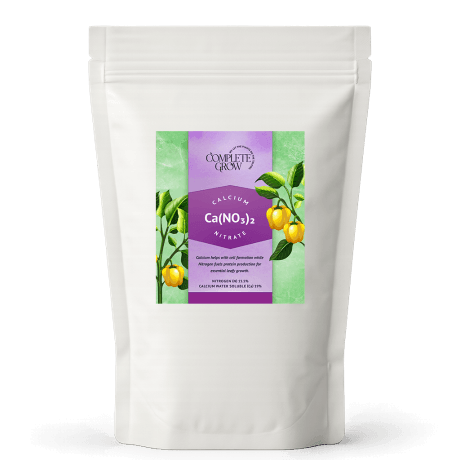
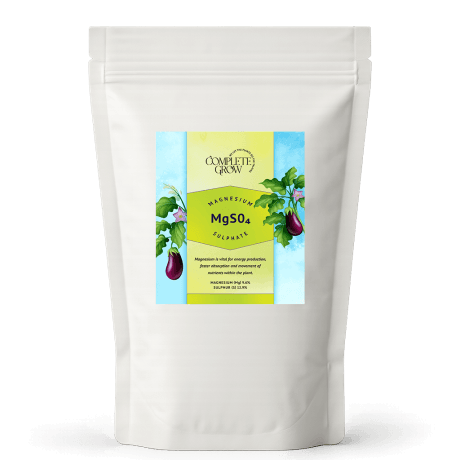
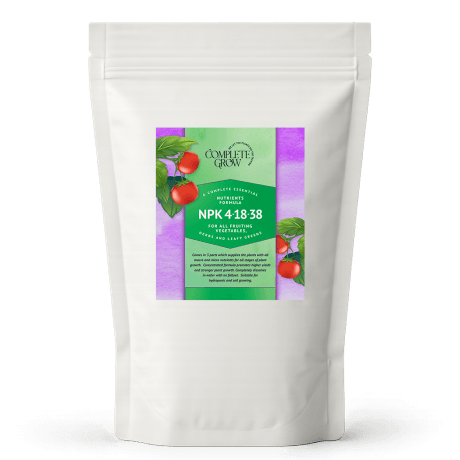
Bearded iris performs best when phosphorus and potassium support flowering and rhizome reserves. This formula leans into bloom and structural strength instead of pushing excessive leaf growth. Calcium and magnesium support tissue quality and balanced nutrient uptake.
A balanced formula is useful when iris is building leaf fans early, and when itโs rebuilding after flowering. The key is using it in controlled amounts so you support healthy growth without creating soft, overly nitrogen-driven foliage.
Bearded Iris Fertiliser FAQs
Yes. Fertiliser supports stronger rhizomes, healthier fans, and better flowering. The best results come from correct timing rather than heavy feeding.
Fertilise when new growth begins, again leading into bud development, and lightly after flowering to rebuild rhizome reserves for next season.
A bloom-supporting formula with higher phosphorus and potassium is ideal around flowering, while a balanced fertiliser can support early growth and post-bloom recovery.
Yes. Excess nitrogen often produces lots of leaves but fewer flowers, especially in established clumps. Balanced feeding and bloom-focused nutrition usually fixes this.
Apply to the soil around the plant, not directly onto the rhizome. Keep the rhizome exposed and avoid wet mulch sitting against it.
Yes. Pots leach nutrients faster, so use smaller, controlled doses more regularly, and ensure excellent drainage so the rhizome stays dry and healthy.
Bearded Iris Guides Hub
Bearded Iris Growing Guide
Planting depth, sunlight, spacing, pots vs garden beds, and how bearded iris grow through the seasons.
Bearded Iris Fertiliser Guide
When to feed, which nutrients matter most, and how to support stronger blooms and rhizomes.
Why Bearded Iris Donโt Bloom
The most common reasons iris stop flowering and the practical fixes that restore blooms.
Rhizome Rot & Soft Rhizomes
Symptoms, causes, step-by-step treatment, and prevention for rotting iris rhizomes.
Recommended Products
- Quick View
- Select options This product has multiple variants. The options may be chosen on the product page
Advanced Formula – Boost Flowering & Fruiting – NPK 4-18-38 + Calcium & Magnesium
- Quick View
- Select options This product has multiple variants. The options may be chosen on the product page