Bearded Iris Rhizome Rot
Transform Your Garden into a Personal Paradise!
Add Your Heading Text Here
Bearded Iris Rhizome Rot: Causes, Symptoms, and Early Warning Signs
Rhizome rot is one of the most serious problems affecting bearded iris. Unlike leaf issues, which are often cosmetic, rhizome rot directly damages the plantโs energy storage organ. Once the rhizome softens or decays, the plant can no longer support flowering or healthy growth.
A healthy rhizome is firm, dry to the touch, and pale tan to light brown inside when cut. It should not smell foul, feel spongy, or collapse when pressed.
Rhizomes that feel soft, spongy, or watery are actively rotting. This usually starts at the base of leaf fans and spreads quickly if conditions remain wet.
A strong, unpleasant odor is a clear sign of bacterial decay. Healthy rhizomes have little to no smell.
Fans may suddenly fall over even though leaves remain green. This happens when the rotting rhizome can no longer anchor or support foliage.
Rhizome rot is most commonly triggered by excess moisture, poor drainage, deep planting, or organic matter sitting directly against the rhizome. Warm, wet conditions accelerate bacterial growth and tissue breakdown.
Why Bearded Iris Rhizomes Become Soft or Rot
Rhizome rot rarely happens overnight. It develops when growing conditions repeatedly prevent the rhizome from drying, breathing, and warming in sunlight. Understanding these causes helps prevent future losses.
- Rhizomes planted too deep or covered with soil
- Poorly draining or compacted soil
- Mulch or organic matter piled over the rhizome
- Overwatering, especially in cool weather
- Extended wet conditions with limited airflow
Bearded iris rhizomes must sit at or just above soil level. Burial traps moisture and blocks heat, creating ideal conditions for bacterial growth.
While mulch benefits many plants, it should never cover iris rhizomes. Organic matter retains moisture and promotes decay when in contact with the rhizome surface.
Heavy clay or poorly drained beds prevent oxygen from reaching the rhizome. Without oxygen, healthy tissue breaks down rapidly.
In many parts of Australia, warm temperatures combined with seasonal rainfall can increase rot risk. Excellent drainage, full sun, and exposed rhizomes are especially important in humid or coastal regions.
How to Treat Soft or Rotting Bearded Iris Rhizomes
If caught early, bearded iris with rhizome rot can often be saved. Treatment focuses on removing diseased tissue, drying the rhizome, and correcting the growing conditions that caused the problem.
- Lift the plant and gently wash soil from the rhizome.
- Cut away all soft, brown, or foul-smelling tissue using a clean knife.
- Disinfect the cut surface and allow it to dry in the sun.
- Replant shallowly in free-draining soil with the rhizome exposed.
- Reduce watering until firm new growth appears.
- Keep rhizomes exposed to sun and air
- Improve drainage with raised beds if needed
- Avoid mulch directly over the rhizome
- Divide overcrowded clumps regularly
- Water deeply but infrequently
Bearded Iris Rhizome Rot FAQs
Yes, if firm tissue remains. Remove all rotted sections and allow the rhizome to dry before replanting.
Severely rotted rhizomes with no firm tissue should be discarded to prevent spread to healthy plants.
Fertiliser alone does not cause rot, but excessive nitrogen combined with wet conditions can weaken tissue and increase susceptibility.
Treat as soon as symptoms appear. Warm, dry weather helps cut surfaces heal more quickly.
Bearded Iris Guides Hub
Bearded Iris Growing Guide
Planting depth, sunlight, spacing, pots vs garden beds, and how bearded iris grow through the seasons.
Bearded Iris Fertiliser Guide
When to feed, which nutrients matter most, and how to support stronger blooms and rhizomes.
Why Bearded Iris Donโt Bloom
The most common reasons iris stop flowering and the practical fixes that restore blooms.
Rhizome Rot & Soft Rhizomes
Symptoms, causes, step-by-step treatment, and prevention for rotting iris rhizomes.
Recommended Products
- Quick View
- Select options This product has multiple variants. The options may be chosen on the product page
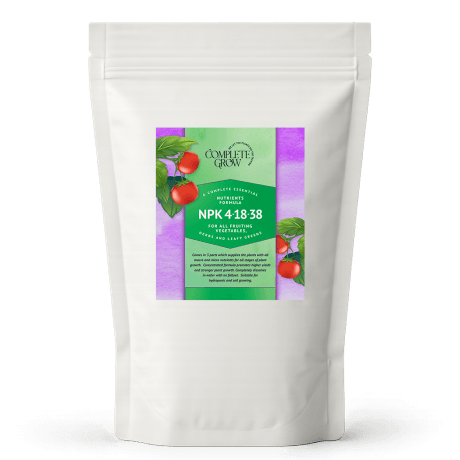
Advanced Formula – Boost Flowering & Fruiting – NPK 4-18-38 + Calcium & Magnesium
- Quick View
- Select options This product has multiple variants. The options may be chosen on the product page