Fertiliser for Chilli Plants

Transform Your Garden into a Personal Paradise!

Best Fertiliser for Chilli Plants

Chillies are hungry feeders. They use nitrogen early for growth, then demand more phosphorus and potassium as flowers appear. Feeding to match each stage turns ordinary plants into high-yield producers with firm, colourful pods.

Phase 1 โ€“ Growth & Structure

Use a balanced fertiliser such as CompleteGrow NPK 20-20-20 during the first month to build strong roots and compact foliage.

  • Nitrogen (20%) โ€“ promotes healthy green leaves and stems.
  • Phosphorus (20%) โ€“ develops roots and supports early bud sites.
  • Potassium (20%) โ€“ prepares the plant for fruiting later on.

Feed every 7โ€“10 days at half strength for seedlings. This creates the structure that will later hold a heavy fruit load.

Phase 2 โ€“ Flowering & Fruit Set

Once buds form, nitrogen should taper off. Plants now need higher phosphorus and potassium for bloom energy and fruit formation.

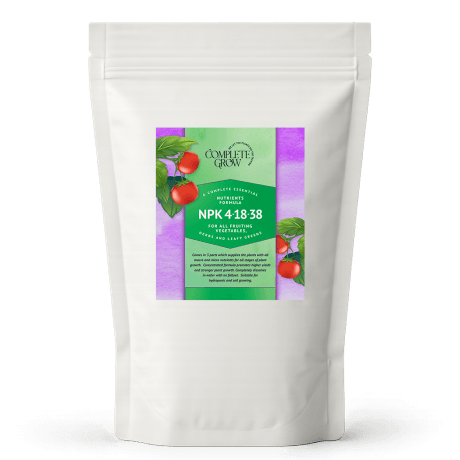
  • Switch to: CompleteGrow Advanced 4-18-38 + Calcium & Magnesium
  • Phosphorus (18%) โ€“ stimulates more flowers and stronger roots.
  • Potassium (38%) โ€“ increases pod size, colour and flavour.
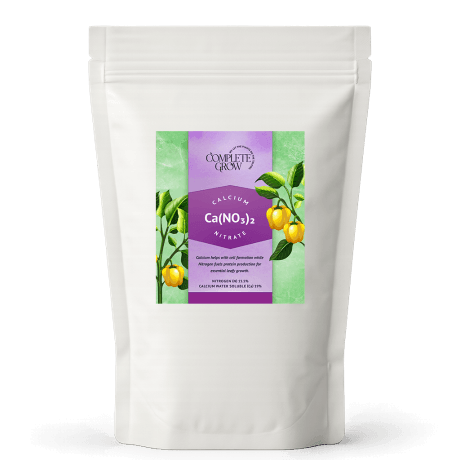
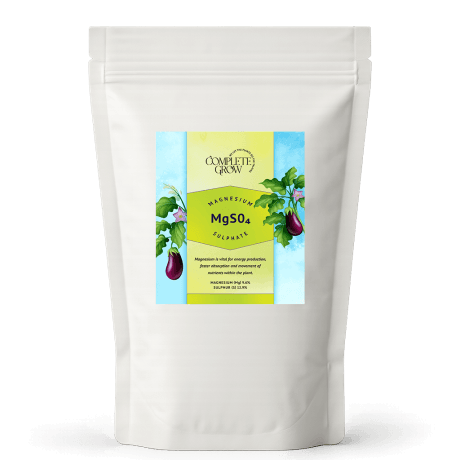
  • Calcium & Magnesium โ€“ prevent blossom-end rot and keep foliage dark green.

This shift in NPK balance is what drives dense flowering, heavy fruit set and long-lasting plant strength.

431793463_402208962498787_2891104271070762246_n (1)
292876087_782670819424623_2276961952507217120_n

Feeding Schedule for Australian Conditions

Chillies grow best from early spring to autumn. Consistent, light feeding works far better than occasional heavy doses.

  • Weeks 1โ€“4: Feed 20-20-20 at half strength every 7โ€“10 days to build roots.
  • Weeks 5โ€“7: Continue 20-20-20 lightly to maintain foliage colour and shape.
  • Week 8 onward: Switch to 4-18-38 + CaMg weekly for flowering and fruit set.

Application Tips

  • Always water before and after fertilising to protect roots.
  • Feed early morning or late afternoon to avoid heat stress.
  • Use half strength but more often in pots โ€“ nutrients leach quickly.
  • Mulch 2โ€“3 cm deep to retain moisture and stabilise soil temperature.

Following this schedule keeps chilli plants compact, healthy, and ready to produce continuous flushes of fruit through warm months.

292507747_145782608108791_9161686574758750401_n (1)
431795868_374665972029283_1969518336101419710_n

Troubleshooting & Maximising Harvest Quality

  • Lots of leaves, no fruit: Too much nitrogen โ†’ switch to 4-18-38 + CaMg and deep-water.
  • Flower drop / tiny pods: Low potassium or irregular watering โ†’ feed with 4-18-38 weekly; keep soil evenly moist.
  • Yellow leaves: Magnesium shortfall โ†’ 4-18-38 (with Mg) restores colour fast.
  • Soft or black pod tips: Calcium uptake issue โ†’ maintain Ca-rich feeding and consistent moisture.
  • Slow rebound after heavy picking: One light feed of 20-20-20, then back to 4-18-38.

Use CompleteGrow 20-20-20 for growth phases, then Advanced 4-18-38 + CaMg for flowering and fruit fill. This rotation keeps plants balanced and pods dense, colourful, and hot.

FAQs โ€” Quick Answers

  • How often should I fertilise chillies? Every 7โ€“10 days at label rates. In pots: half strength, slightly more often.
  • When do I switch from 20-20-20 to 4-18-38? At first visible buds or when plants hit pre-flower โ€” whichever comes first.
  • Can I foliar feed? Yes, light sprays at dusk during hot spells help, but keep the main program soil-applied.
  • Do chillies need calcium and magnesium? Yes. Ca prevents tip rot; Mg keeps leaves dark green โ€” both are in 4-18-38 + CaMg.
  • What about heatwaves? Water first, then feed early morning or late afternoon; mulch 2โ€“3 cm to hold moisture.
  • My plants are leggy: Too much N or low light. Trim lightly, tighten spacing, and move to 4-18-38.
  • Best soil pH? Slightly acidic to neutral (โ‰ˆ 6.0โ€“6.8) for efficient nutrient uptake.

Recommended Products

Sale!
Sale!

The Grow Blog: News, Tips, & Stories

Cart (0 items)

No products in the cart.