Free Shipping Storwide

Hydroponic Growing ๐ŸŒพ

Transform Your Garden into a Personal Paradise!

Hydroponic Fertiliser Guide for Home Growers (Australia)

Hydroponics offers a precise, soil-free growing method ideal for leafy greens, herbs, and even fruiting plants. But to succeed, understanding the right fertiliser and nutrient schedule is essential. This guide covers home hydroponic systems, nutrient formulas, and how to feed your plants for strong, healthy growth.

What is Hydroponics & How Does It Work?

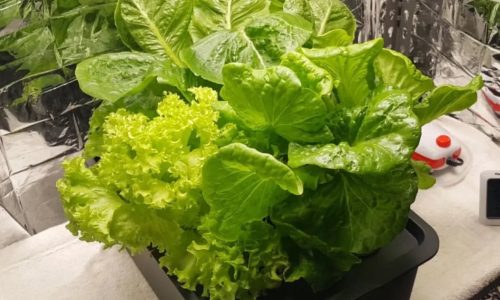
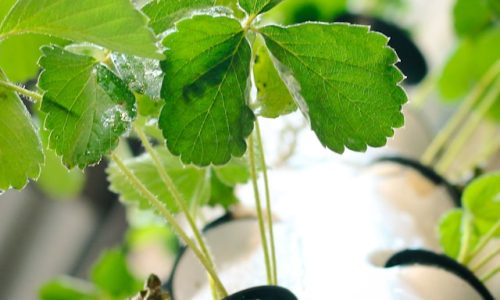
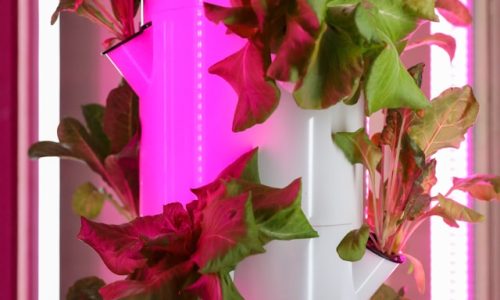
Hydroponics is a method of growing plants without soil, using a water-based nutrient solution instead. It offers many advantages for home growers:
  • Faster Growth: Plants have direct access to water and nutrients
  • Clean & Compact: Perfect for indoor setups, balconies, or greenhouses
  • Efficient Water Use: Closed systems recycle water with minimal waste
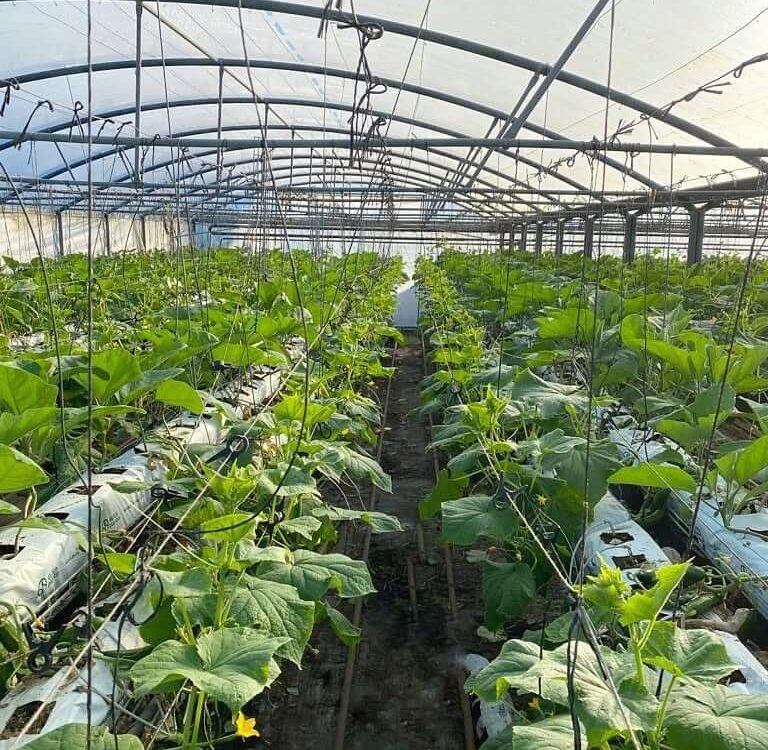
Common hydroponic systems for home use include:
  • Kraky Method: A passive system using still nutrient solution in containers
  • Deep Water Culture (DWC): Plants suspended in aerated nutrient reservoirs
  • Nutrient Film Technique (NFT): A thin film of water flows past plant roots
  • Flood & Drain (Ebb & Flow): Timed cycles flood grow trays with nutrients
  • LECA & Wicking Systems: Inert media with bottom-fed nutrient wicks
334286924_535412025134885_4789771429342389588_n
71C4J-S08kL


What Fertiliser Do You Use for Hydroponics?

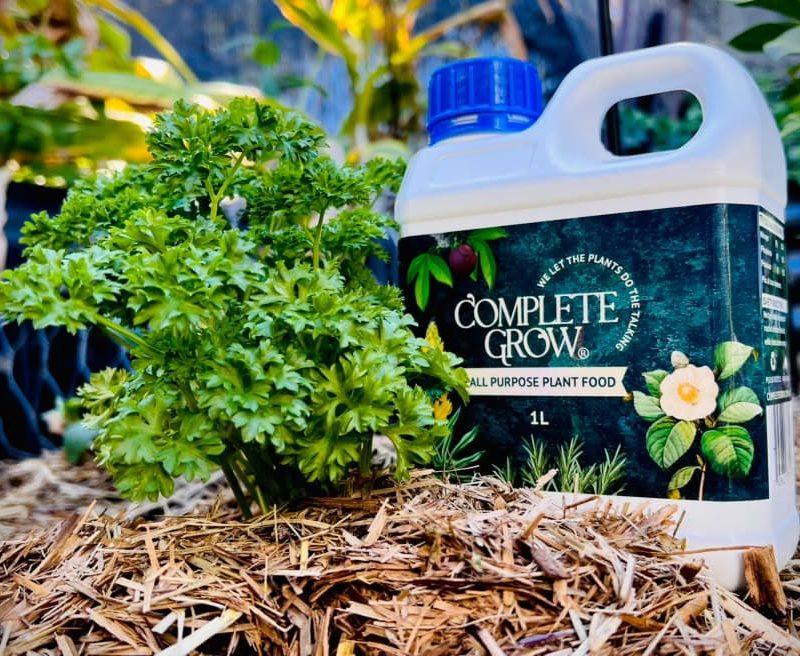
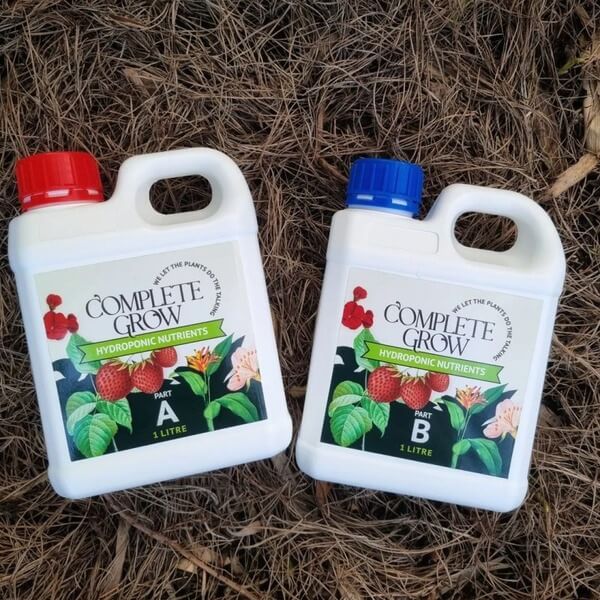
Because hydroponics bypasses soil, all essential nutrients must be delivered in liquid or soluble form. CompleteGrow offers chemical fertilisers ideal for hydroponic systems.

Key nutrient requirements:

  • Macronutrients (NPK): Nitrogen (N), Phosphorus (P), and Potassium (K) support leafy growth, root development, and fruiting
  • Calcium & Magnesium: Critical for cell strength and photosynthesis; essential in hydro
  • Micronutrients: Iron, Boron, Zinc, Manganese, Copper, Molybdenum

Hydroponic fertilisers must be:

  • Completely water-soluble โ€“ no sediment or insoluble particles
  • pH-buffered โ€“ maintains nutrient availability (ideal range: pH 5.5โ€“6.5)
  • Free of urea-based nitrogen โ€“ use nitrate forms for immediate uptake

For best results, use a dedicated 2-part or 3-part nutrient formula. CompleteGrowโ€™s A&B solutions are specially formulated for leafy greens, herbs, and fruiting plants like tomatoes and strawberries.

cekreknauts-7Fq3G80kSOw-unsplash
mick-haupt-sD-gJzsrQt4-unsplash

Feeding Schedule & Troubleshooting in Hydroponics

Hydroponic plants must be fed consistentlyโ€”but not overfed. Use EC/TDS meters to monitor nutrient concentration.

General Feeding Guidelines

  • Seedlings: EC 0.4โ€“0.8 | Feed ยผ strength until established
  • Leafy Greens: EC 1.0โ€“1.4 | Feed continuously or every watering
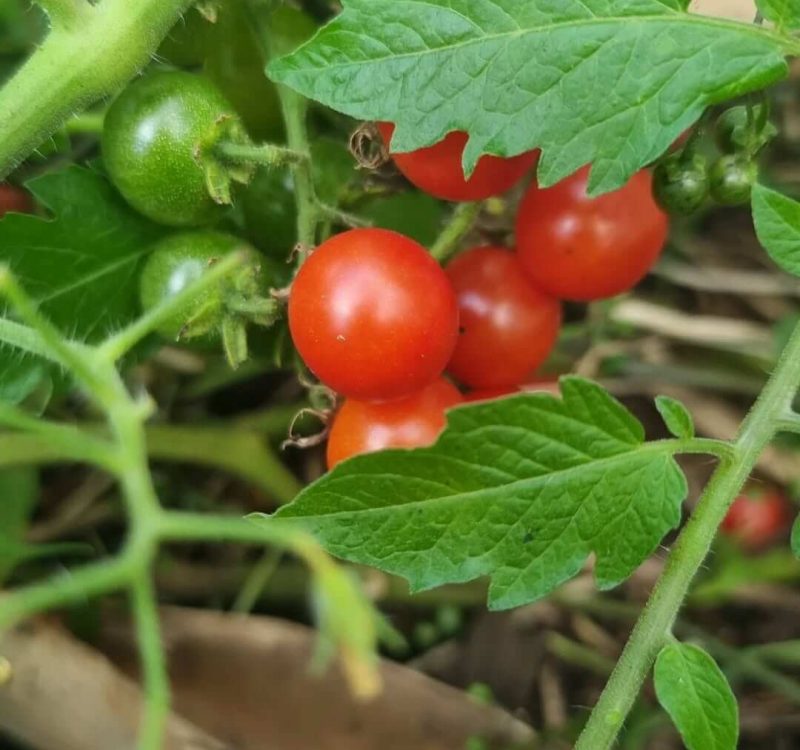
  • Fruiting Veg (tomatoes, capsicum): EC 1.8โ€“2.2 | Use balanced NPK + Ca/Mg
  • Herbs: EC 0.8โ€“1.2 | Rotate between full and half strength

Change reservoir water weekly and top up with fresh water as needed. Use pH-up or pH-down solutions to keep levels in range.

Common Issues in Hydroponics

  • Yellowing leaves: Often low nitrogen or ironโ€”check EC and pH
  • Root rot: Caused by stagnant water or lack of aerationโ€”add air stones
  • Nutrient lockout: Happens when pH drifts too high or lowโ€”flush and reset

Hydroponics is precise and powerfulโ€”but only when nutrients are dialled in. Stick to a regular feeding routine, adjust for growth stages, and use only high-quality, hydroponic-safe fertilisers.

Recommended Products

Sale!

Hydroponic Nutrients Fertilizer โ€“ Two-Part Formula (A & B)

Price range: $31.50 through $275.00
Sale!

The Grow Blog: News, Tips, & Stories

Cart (0 items)

No products in the cart.