
Without Mineral Fertiliser, the World Would Starve
Organic fertiliser has a great image. It sounds natural, gentle, traditional and safe. For many gardeners, the word “organic” instantly feels better than “mineral” or “synthetic”.
But there is one uncomfortable truth that often gets left out of the conversation:
Without mineral fertiliser, the world would not be able to grow food at the scale it does today. It is not just a product used by backyard gardeners. It is one of the major reasons modern agriculture can feed billions of people.

Plants grow best when nutrients are available, balanced and reliable.
Plants Do Not Eat “Organic” or “Synthetic”. They Absorb Nutrients.
Plants do not care whether nitrogen, phosphorus or potassium came from compost, manure, seaweed, blood and bone, or a mineral fertiliser bag.
They absorb nutrients in available mineral forms.
That is the part many people miss.
Organic fertilisers first need to break down before most of their nutrients become available to plants. That breakdown depends on soil microbes, moisture, temperature and time. In warm, healthy soil, that can work well. In cold, dry, tired or potting-mix-based conditions, nutrient release can be slow and unpredictable.
Mineral fertilisers are different. They are designed to supply nutrients in a more measured and available form. This is why farmers, growers, nurseries and commercial producers rely on them. They need predictable plant nutrition, not guesswork.
Mineral Fertiliser Feeds the World
The scale of mineral fertiliser use is enormous because the scale of food production is enormous.
According to FAO data, global agricultural use of inorganic fertilisers reached about 190 million tonnes in 2023. Nitrogen fertiliser alone reached around 112 million tonnes. That is not because farmers are being fooled by marketing. It is because mineral fertilisers work at commercial scale.
The Haber-Bosch process, which made modern nitrogen fertiliser possible, is estimated to support food production for around half of the global population. In simple terms, billions of people are alive today because farmers can replace the nitrogen removed from soil when crops are harvested.
That is the reality.
Without mineral fertiliser, crop yields would fall sharply. Food would become more expensive. More land would be needed to produce the same amount of food. Forests and natural ecosystems would face even more pressure from agriculture.
Mineral fertiliser is not just a gardening product. It is a food security tool.
Organic Fertiliser vs Mineral Fertiliser
A simple comparison for gardeners who want stronger, more predictable plant growth.
| Feature | Organic Fertiliser | Mineral Fertiliser |
|---|---|---|
| Nutrient availability | Usually needs to break down first before plants can use most nutrients. | Supplies nutrients in more available mineral forms. |
| Speed | Often slower and dependent on soil biology, warmth and moisture. | More predictable when plants need nutrients now. |
| Control | Nutrient release can vary depending on the material and conditions. | Allows more accurate feeding at the right strength and timing. |
| Concentration | Often lower in nutrient concentration. | More concentrated and efficient for targeted plant nutrition. |
| Best role | Improving soil structure, adding organic matter and supporting soil life. | Feeding plants with reliable, measurable nutrition. |
| Commercial use | Useful in some systems, but harder to rely on alone at scale. | Widely used by farmers, nurseries, hydroponic growers and commercial producers. |
| Pot plants | Can be inconsistent because potting mix has limited biology and space. | Reliable because the plant gets nutrients directly in the container. |
| Deficiency correction | Can be too slow when plants are already showing symptoms. | Better for faster correction of nutrient gaps. |

Farmers use mineral fertiliser because consistency matters at scale.
Organic Fertiliser Has a Place, But It Has Limits
This does not mean organic fertiliser is useless. Compost, manure and organic matter can be excellent for improving soil structure, feeding soil biology and helping long-term soil health.
But organic fertiliser is not automatically better plant nutrition.
The problem is concentration and control.
Many organic fertilisers are low in nutrients compared with mineral fertilisers. They often release nutrients slowly and unevenly. Nitrogen availability from organic amendments can vary widely, from very little available nitrogen to high availability, depending on the material and conditions.
That is a major issue when plants need nutrients now.
If a citrus tree is yellowing from nitrogen deficiency, or a flowering plant needs potassium, or a vegetable crop is actively growing, slow and unpredictable nutrient release can hold the plant back.
Mineral fertiliser gives the grower more control.
You can supply the right nutrient, at the right strength, at the right time.
Why Commercial Growers Use Mineral Fertiliser
Commercial growers are not trying to be trendy. They are trying to grow consistent crops.
They need:
- predictable nutrient levels,
- fast correction of deficiencies,
- consistent growth,
- strong yields,
- efficient use of space,
- reliable flowering and fruiting,
- repeatable results across thousands of plants.
That is why mineral fertilisers are used widely in commercial agriculture, nurseries, hydroponics, greenhouse growing and intensive food production.
If organic fertiliser alone was always better, commercial growers would use it alone. But in real production, performance matters. Yield matters. Nutrient accuracy matters.
A tomato crop, lettuce crop, citrus orchard, ornamental nursery or hydroponic system cannot wait around hoping that compost breaks down at the perfect speed.
“Natural” Does Not Always Mean More Effective
One of the biggest myths in gardening is that natural automatically means better.
But plants need chemistry. Every nutrient a plant uses is chemistry.
Nitrogen supports leafy growth. Phosphorus supports root development and energy transfer. Potassium supports flowering, fruiting, water movement and stress tolerance. Calcium, magnesium, iron and trace elements all have specific roles inside the plant.
A good mineral fertiliser is not about dumping random chemicals into soil. It is about giving plants the exact nutrients they need to grow properly.
That is especially important in pots, raised beds and controlled growing systems, where the plant cannot explore a large soil area to find missing nutrients.
In a pot, the plant only has what you give it.
Organic Fertiliser Can Be Good for Soil. Mineral Fertiliser Is Better for Precision.
The best way to think about it is simple:
Compost and organic inputs can help build the growing environment. Mineral fertiliser supplies accurate nutrition.
For home gardeners, the best results often come from understanding both. Use organic matter to support soil health, but use a quality mineral fertiliser when you want reliable growth, stronger leaves, better flowering, improved fruiting and faster correction of deficiencies.
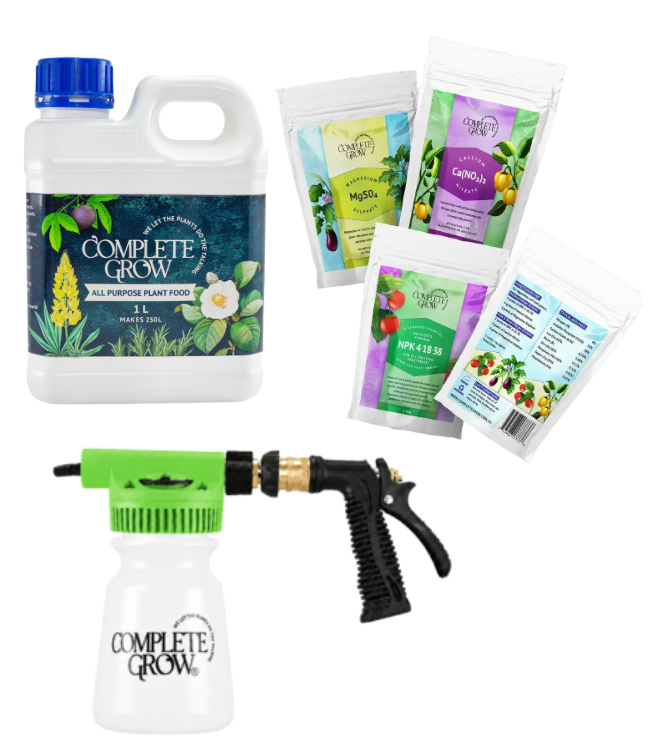
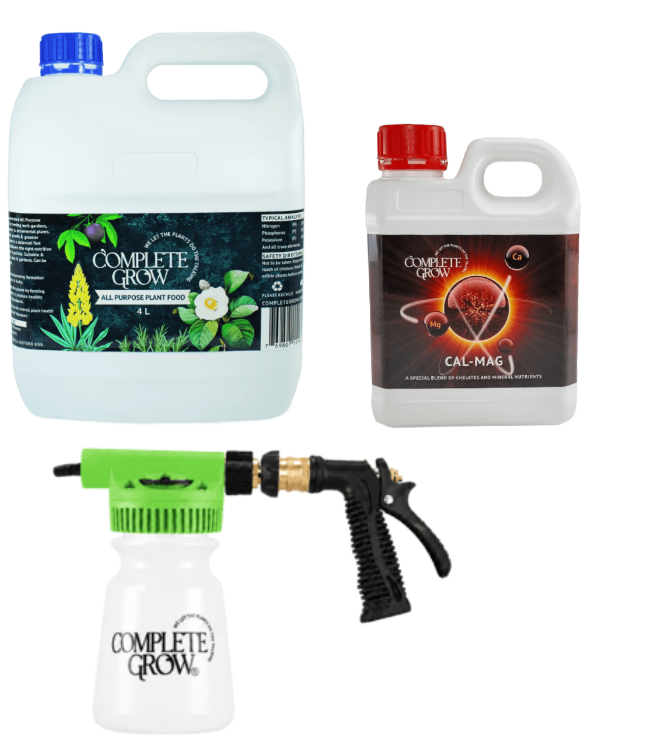
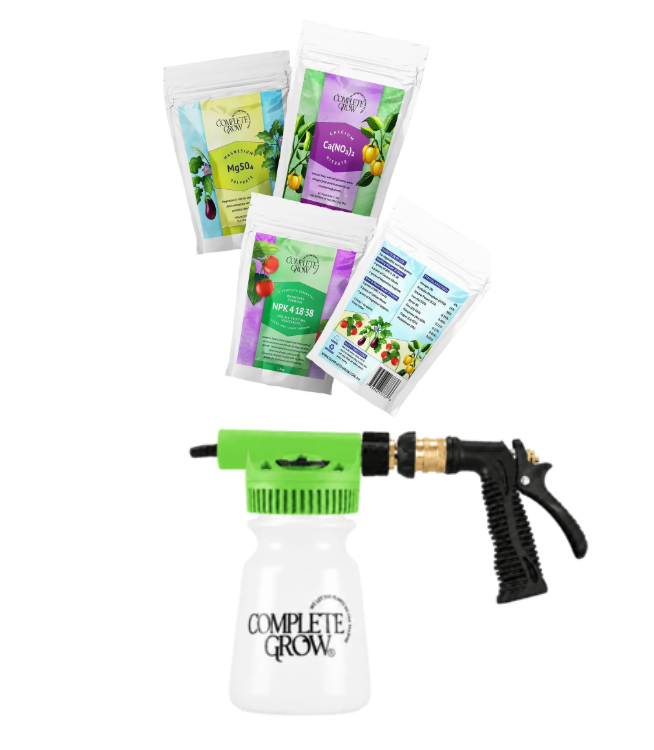
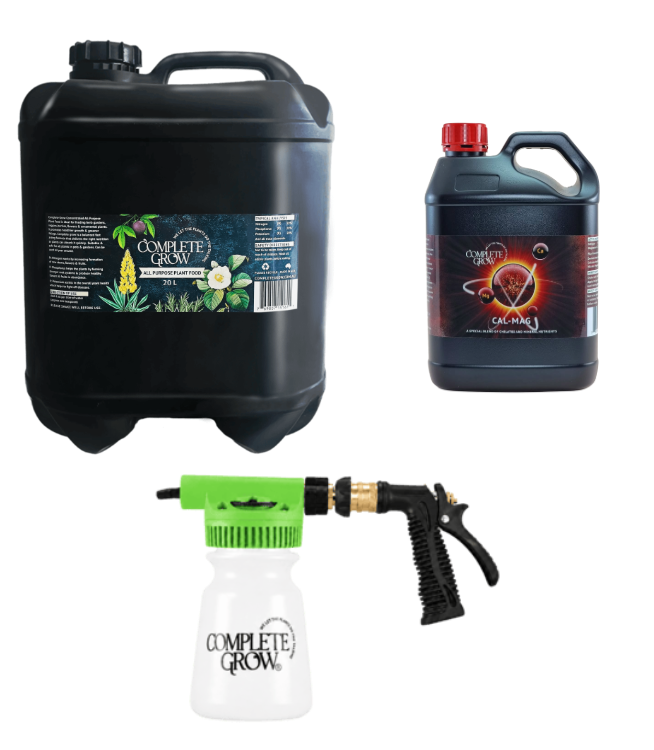
That is exactly why CompleteGrow focuses on mineral plant nutrition.
It gives gardeners access to the same basic principle used in commercial growing: feed the plant with nutrients it can actually use.
The Bottom Line
Organic fertiliser has its place.
But mineral fertiliser is the backbone of modern plant nutrition.
It feeds commercial crops. It supports high yields. It helps farmers produce enough food on limited land. It gives growers control. And for home gardeners, it can make the difference between weak growth and thriving plants.
So the next time someone says mineral fertiliser is “bad” and organic fertiliser is always “better”, remember this:
Plants need nutrients. Mineral fertiliser delivers them clearly, efficiently and reliably.
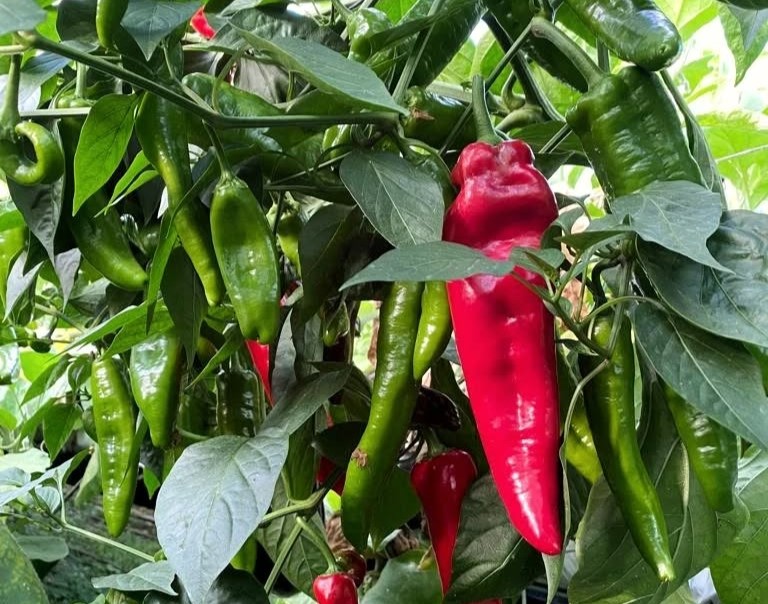
Give your plants nutrients they can actually use.
Feed your plants with nutrients they can actually use.
CompleteGrow mineral fertilisers are made for gardeners who want stronger growth, better colour, healthier plants and more reliable results.
Shop CompleteGrow Fertilisers