
CompleteGrow spring feeding guide
Spring is here: is it time to switch to a bloom fertiliser?
If your garden is producing too much of green leaves but very few buds, flowers or fruit, your fertiliser may be supporting the wrong kind of growth.
Spring brings longer days, warmer soil and a rush of new growth across Australian gardens. For many established tomatoes, chillies, strawberries, cucumbers, citrus and flowering ornamentals, it also marks the transition from building leaves and stems to producing flowers and fruit. That change matters because the plant’s nutrient priorities change with it.
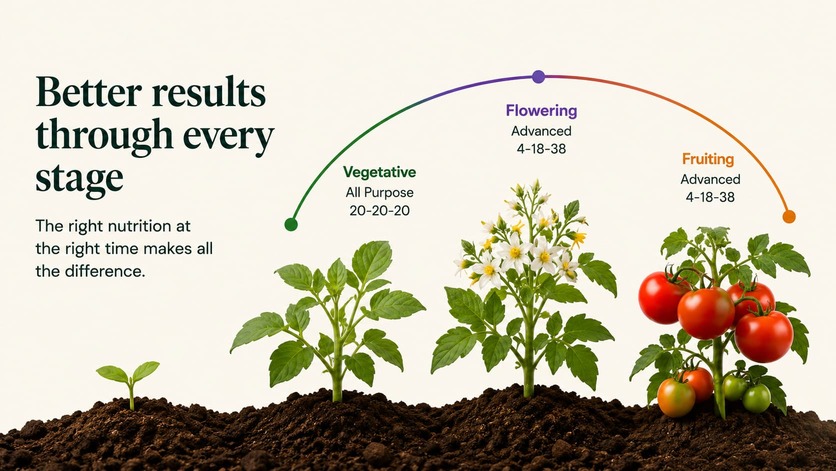
Switch when an established flowering or fruiting plant begins forming visible buds or its first flowers—not simply because the calendar says September. At this stage, reduce the emphasis on high-nitrogen feeding and choose nutrition designed for flowering and fruiting, such as CompleteGrow Advanced Formula NPK 4-18-38 + Calcium & Magnesium.
Growth stage matters
Spring changes the job your plants are doing
Early in a plant’s life, leafy growth is the priority. Leaves collect light, roots explore the soil or growing medium, and stems create the framework that will later carry flowers and fruit. Nitrogen plays a major role during this vegetative phase.
Once a mature plant begins to bud, the job changes. It still needs nitrogen—healthy plants never stop using it—but it also needs an appropriate balance of phosphorus, potassium and other essential nutrients to support flower development, water regulation, plant structure and developing fruit.
This is why “spring fertiliser” is not one universal product or dose for every plant in the garden. The better question is not only what month is it? It is what is this plant doing now?
Establishing
Seedlings and new transplants are building roots, leaves and stems. They are not ready for a heavy bloom program.
Budding
Visible buds are the clearest cue to review a strongly growth-focused feeding program.
Flowering & fruiting
The plant must maintain healthy foliage while supporting flowers, fruit set and crop development.
The leafy-growth trap
Why high-nitrogen fertiliser can mean fewer flowers and fruit
Nitrogen is not bad for flowering plants. It is essential for chlorophyll, proteins and healthy growth. A plant without enough nitrogen may be pale, weak and unproductive. The problem is excess nitrogen relative to the plant’s needs, especially once flowering should be underway.
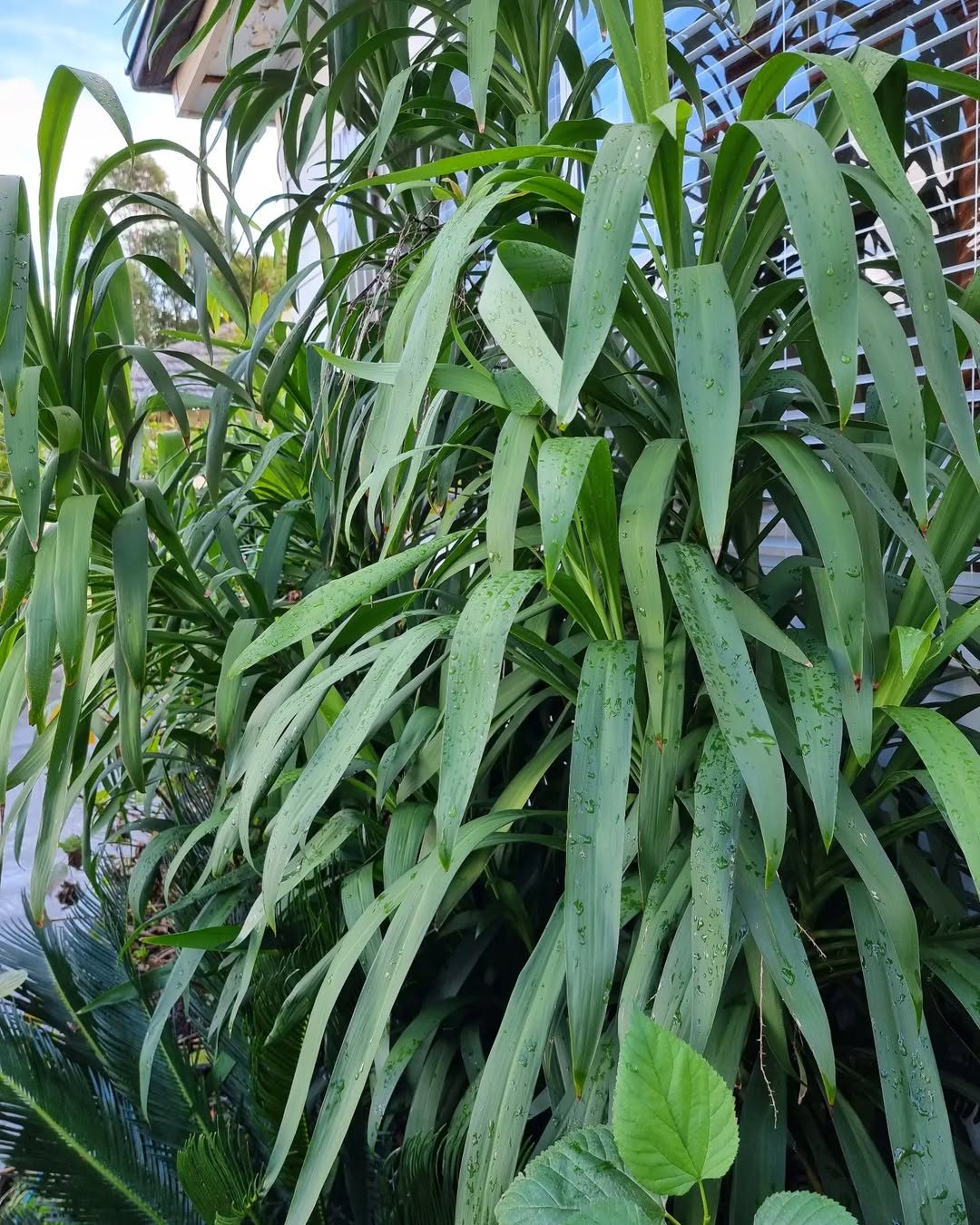
When nitrogen is too abundant, many plants continue producing soft shoots and large, dark-green leaves. That vigorous vegetative growth can delay flower-bud development, shade the centre of the plant and leave you with an impressive-looking plant that carries a disappointing crop.
Horticultural guidance describes the same pattern in many garden and fruiting plants: excessive nitrogen can delay or reduce flowering and fruit production, while heavy nitrogen applications can stimulate shoot growth at the expense of flower development.
Lots of green growth is not always proof that a fruiting plant is being fed well. The right nutrition is the nutrition that supports the plant’s current job.
Possible signs of excess nitrogen
- Very lush, dark-green foliage
- Long, soft or rapidly growing shoots
- Few buds on an otherwise mature plant
- Flowers appearing later than expected
- Poor fruiting alongside vigorous leaf growth
Check before blaming fertiliser
- Is the plant receiving enough direct sun?
- Has heat, cold or wind caused flower drop?
- Is watering consistent?
- Are pollinators present where needed?
- Is the plant mature enough to flower?
If your plants are mature, healthy and beginning to bud, this is the point where a stage-specific option can make sense. CompleteGrow’s flowering and fruiting formula uses a lower-nitrogen, higher-phosphorus-and-potassium NPK profile designed for this reproductive stage.
Understand the label
What to look for in a bloom fertiliser
The three numbers on a fertiliser label show its NPK analysis: nitrogen (N), phosphorus (P) and potassium (K). They describe the percentage by weight of total nitrogen, phosphate and potash in the product. They are useful, but they are not a simple “leaf, root, flower” switchboard.
Nitrogen
Supports chlorophyll, proteins and leafy shoot growth. Essential at every stage, but easy to overemphasise when flowers and fruit are the goal.
Phosphorus
Plays central roles in energy transfer, cell division and development. Adding more only helps where the plant or growing system needs it.
Potassium
Helps regulate water, activate enzymes and move sugars. Fruiting crops can have substantial potassium demand as the crop develops.
A bloom formula usually lowers the emphasis on nitrogen and raises the relative proportion of phosphorus and potassium. That does not mean more is always better. Plants need nutrients in balance, and soil-grown gardens may already contain significant phosphorus or potassium. If performance is poor season after season, a soil or growing-media test is more useful than guessing.
Recommended for the bloom stage
CompleteGrow Advanced Formula NPK 4-18-38 + Calcium & Magnesium
This three-part system is designed for established flowering and fruiting plants. Its nutrient profile reduces the emphasis on heavy leafy growth while supporting crops such as tomatoes, chillies, capsicums, cucumbers, berries and flowering plants in soil or hydroponic growing.
Use the plant as your calendar
When should you switch to bloom fertiliser?
Spring arrives at different speeds across Australia. A tomato in coastal Queensland, a strawberry in Melbourne and a citrus tree in regional New South Wales will not reach the same stage on the same date. Watch the plant first.
Visible buds or first flowers
For established annual fruiting crops and flowering ornamentals, this is the most useful point to review the feed.
Seedlings and new transplants
Young plants still need to establish their framework. Avoid moving them into a bloom program before they are ready.
Leafy crops and foliage plants
Lettuce, spinach, herbs grown for leaves and many houseplants are not being grown for flowers or fruit.
Plants that may be ready for the change
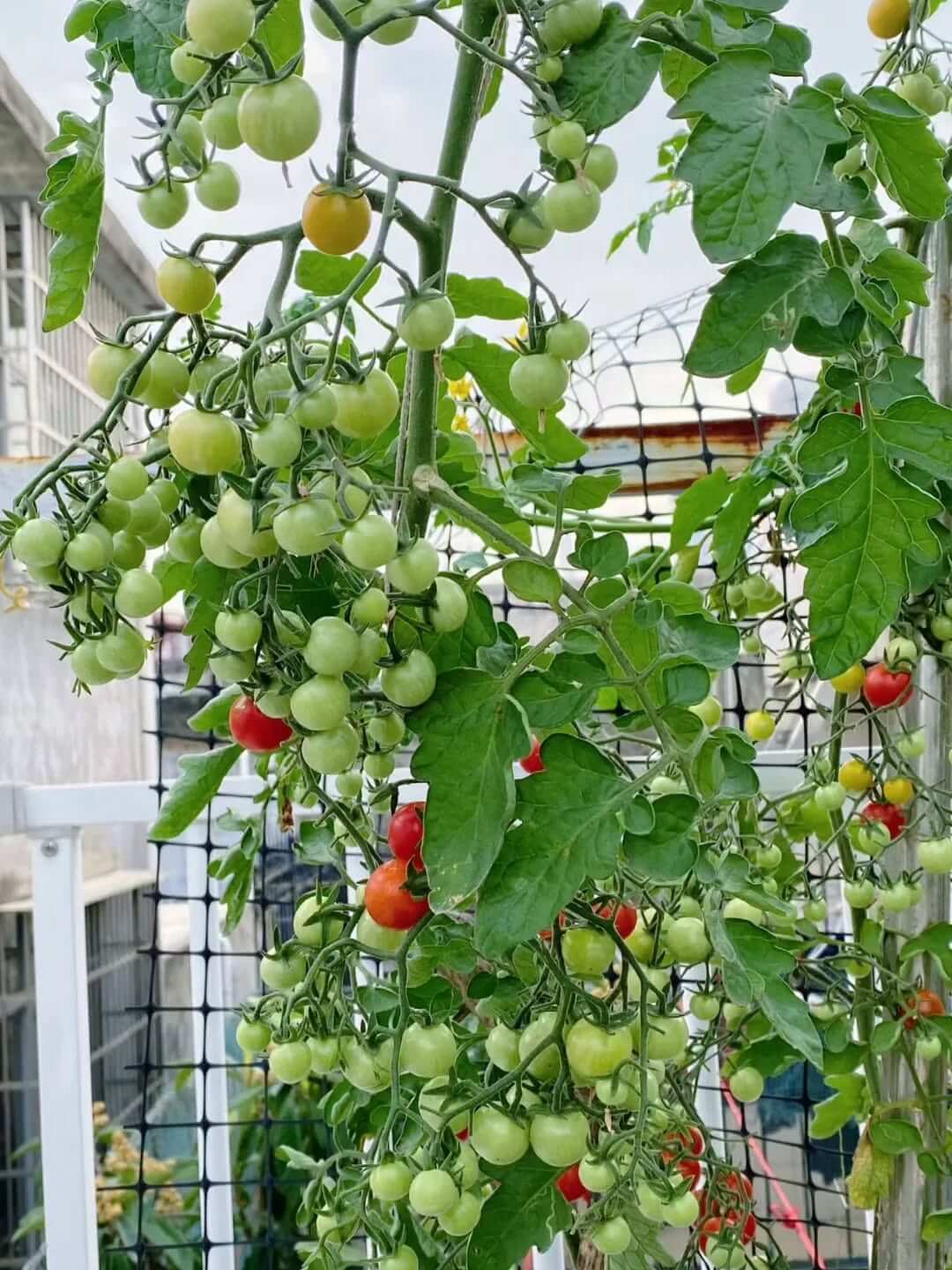
Look for buds, open flowers or newly set fruit on established tomatoes, capsicums, chillies, eggplants, cucumbers, zucchini, melons, strawberries, passionfruit and flowering annuals. For these plants, switching to CompleteGrow Advanced Formula at the appropriate growth stage helps align your feeding program with flowering and fruiting.
Citrus and perennial fruit plants can need a more crop-specific approach, particularly when young, heavily cropped or growing in unusual soil. If a plant is small, pale, newly transplanted or struggling with damaged roots, correct the underlying stress before changing fertiliser.
A measured change works best
How to change fertilisers without overfeeding
-
Confirm the plant is ready
Check for buds, first flowers or active fruit set on an otherwise healthy, established flowering or fruiting plant.
-
Read both product labels
Do not stack a full dose of growth fertiliser with a full dose of bloom fertiliser. Account for slow-release feed already present in potting mix or garden soil.
-
Measure—do not guess
If using CompleteGrow Advanced Formula, follow the current package directions, measure each component accurately and dissolve the parts as instructed.
-
Feed under suitable conditions
Avoid feeding severely dry, waterlogged or heat-stressed plants. Correct the immediate stress first and apply fertiliser under milder conditions.
-
Watch the next growth
Observe new leaves, buds, flower retention and fruit development. Keep notes so that future feeding decisions are based on the plant’s response.
Diagnose before adding more fertiliser
Still getting lots of leaves but no flowers?
Excess nitrogen is one possible cause, but it is not the only reason a healthy-looking plant may refuse to flower or set fruit. Before increasing the fertiliser dose, work through this quick garden check.
Check the sunlight
Tomatoes, chillies, cucumbers and many flowering plants need generous direct sunlight. Too much shade can produce tall, leafy growth with fewer flower buds.
Keep watering steady
Repeated cycles of dry soil followed by heavy watering can stress roots and contribute to dropped buds, dropped flowers and uneven nutrient uptake.
Watch the temperature
Very hot days, cold nights and sudden weather changes can affect pollen viability and flower retention—even when the foliage still appears healthy.
Support pollination
A flower does not automatically become fruit. Some crops rely on insects, compatible varieties or gentle hand pollination to achieve reliable fruit set.
Test the root-zone pH
Nutrients can be present but unavailable when the root-zone pH is unsuitable. Test the soil or nutrient solution before repeatedly applying more fertiliser.
Consider plant maturity
Seedlings, recent transplants and young perennial plants may need more time to establish roots and strong stems before they can support abundant flowering.
Everything else looks right?
If the plant is mature, receiving enough sunlight and water, and beginning to form buds—but continues producing excessive leafy growth—it may be time to reduce the emphasis on nitrogen.
For established flowering and fruiting plants, consider switching to CompleteGrow Advanced Formula NPK 4-18-38 + Calcium & Magnesium . Its lower-nitrogen, bloom-focused nutrient profile is designed to support flowering, fruit set and crop development when used according to the package directions.
Quick answers
Spring bloom fertiliser FAQs
When should I switch to a bloom fertiliser?
Switch when established flowering or fruiting plants begin forming visible buds or their first flowers. Use the plant’s growth stage rather than the calendar alone, and always follow the product label.
Can too much nitrogen stop plants from flowering?
Excess nitrogen can favour vigorous leaf and shoot growth and may delay or reduce flowering and fruit production. Nitrogen is still essential; the goal is an appropriate balance for the plant and its growth stage.
Should I use bloom fertiliser on every plant in spring?
No. Continue using an appropriate balanced or growth-stage feed for leafy vegetables, lawns, seedlings and plants still building vegetative growth. Bloom fertiliser is intended for established plants entering flowering and fruiting.
Will bloom fertiliser make a shaded plant flower?
Not necessarily. Fertiliser cannot replace sufficient light, suitable temperatures, healthy roots, steady watering or pollination. Check the full growing environment before adding more feed.
Which CompleteGrow product is made for flowering and fruiting?
CompleteGrow Advanced Formula NPK 4-18-38 + Calcium & Magnesium is the stage-specific option designed for established flowering and fruiting plants in soil and hydroponic growing. Follow the current package directions.