Calcium Deficiency in Tomato
Transform Your Garden into a Personal Paradise!
Add Your Heading Text Here
Calcium Deficiency in Tomato Plants: Symptoms, Causes & How to Fix It
Calcium deficiency in tomato plants is one of the most common โ and frustrating โ problems faced by Australian growers. It often appears suddenly as damaged fruit, curled leaves, or blackened patches at the base of tomatoes, even when plants are well fed. In most cases, calcium deficiency in tomatoes is not caused by a lack of calcium in the soil, but by poor calcium uptake during growth.
Because calcium is an immobile nutrient, any disruption to water movement, root health, or nutrient balance can quickly lead to deficiency symptoms. Understanding what calcium deficiency looks like in tomato plants is the first step to fixing it properly.
Calcium Deficiency Symptoms in Tomato Plants
Calcium deficiency symptoms in tomato plants usually show up in new growth first. Leaves, flowers, and developing fruit can all be affected, depending on when the deficiency occurs.
Calcium Deficiency in Tomato Leaves
- Young leaves appear curled, twisted, or distorted
- Leaf edges may turn pale or develop brown margins
- New growth becomes weak or uneven
These symptoms are often mistaken for heat stress or pest damage, but they are classic signs of calcium deficiency in tomato leaves.
Calcium Deficiency in Tomato Fruit (Blossom End Rot)
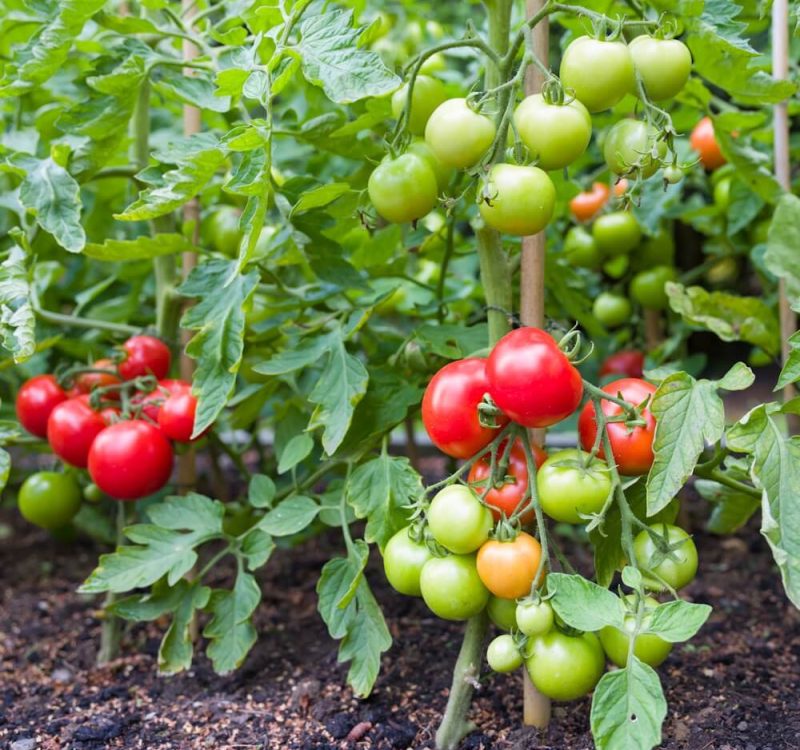
- Dark, sunken patches form at the bottom of the fruit
- Affected areas turn leathery or black
- Fruit may rot before ripening
Once blossom end rot appears, the damaged fruit will not recover. However, correcting calcium deficiency early prevents future fruit from being affected.
Why Calcium Deficiency Happens in Tomatoes
Calcium deficiency in tomatoes is rarely caused by a lack of calcium in the soil. Instead, it is almost always linked to poor calcium uptake caused by environmental or nutritional stress.
Inconsistent Watering
Calcium moves into tomato plants through water uptake. When watering is irregular, calcium cannot travel from the roots to developing leaves and fruit. Dryโwet cycles are one of the most common triggers of calcium deficiency in tomato plants.
Root Stress and Soil Conditions
Tomatoes rely on shallow feeder roots. Calcium deficiency becomes more likely when soil is compacted, waterlogged, or allowed to dry out too often. Container-grown tomatoes are particularly prone to this problem due to faster moisture loss.
Nutrient Imbalance
Excess nitrogen or potassium can interfere with calcium uptake. High-nitrogen feeding promotes rapid leafy growth, increasing calcium demand beyond what roots can supply. This is why heavily fertilised tomato plants often suffer blossom end rot.
How to Fix Calcium Deficiency in Tomato Plants
Step 1: Stabilise Watering
- Water deeply and consistently, especially during fruit set
- Avoid letting soil fully dry out between waterings
- Mulch garden beds to reduce moisture swings
Step 2: Protect Root Health
- Ensure soil drains freely and doesnโt stay waterlogged
- Avoid compacted beds; aerate and improve structure if needed
- Keep pots out of extreme heat to reduce root stress
Step 3: Support Calcium Uptake with the Right Nutrients
When tomatoes are flowering and setting fruit, calcium demand spikes. A common mistake is pushing leafy growth too hard, which increases calcium demand and makes deficiency more likely. A better approach is to support fruiting with a formula designed for flowering and fruit development, plus steady calcium availability.
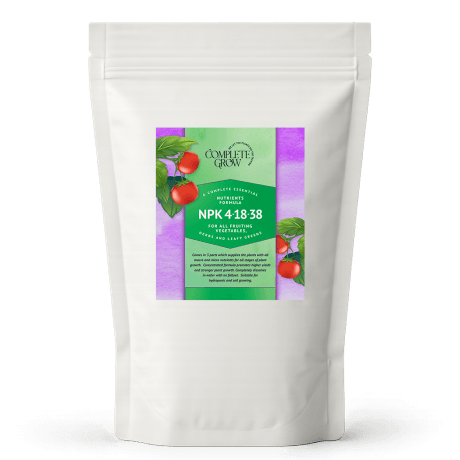
For fruiting tomatoes, use Complete Grow Advanced Formula NPK 4-18-38 + Calcium & Magnesium to support strong fruit development while providing calcium and magnesium in a balanced way.
If youโre growing tomatoes in pots, hydroponics, or you suspect magnesium/potassium competition is limiting calcium uptake, adding Complete Grow Cal-Mag Hydroponic Nutrients Fertiliser can help stabilise calcium and magnesium availability and reduce recurring deficiency symptoms across new growth and fruit.
Step 4: Avoid Overfeeding Nitrogen
If your tomato plants are very leafy but fruit quality is poor, reduce nitrogen-heavy inputs. Excess nitrogen is one of the fastest ways to trigger calcium deficiency in tomato fruit, because it accelerates growth faster than calcium can be delivered to new tissues.
Common Calcium Deficiency Mistakes (and How to Avoid Them)
- Adding calcium without fixing watering: Calcium cannot move into fruit reliably if soil moisture swings from dry to soaked.
- Assuming blossom end rot is a disease: It is a nutrient uptake disorder, not a fungus or pest problem.
- Overfeeding nitrogen: Rapid leafy growth increases calcium demand and makes deficiency more likely.
- Letting pots dry too fast: Container tomatoes are at higher risk because moisture drops quickly.
- Expecting damaged fruit to recover: Affected fruit wonโt heal; the goal is protecting new fruit.
FAQs: Calcium Deficiency in Tomatoes
What causes calcium deficiency in tomato plants?
Most cases come from inconsistent watering, root stress, or nutrient imbalance rather than a true lack of calcium in the soil.
How do I treat calcium deficiency in tomato plants?
Stabilise watering first, protect root health, and use nutrients that support fruiting without driving excessive leafy growth.
Can calcium deficiency in tomatoes be reversed?
Damaged fruit cannot recover, but you can prevent future fruit from developing blossom end rot once conditions improve.
Is calcium deficiency more common in pots?
Yes. Containers dry out faster and calcium uptake is disrupted more easily, especially during hot spells.
Should I spray calcium on tomato leaves?
Foliar sprays may give limited short-term benefit, but fixing root uptake through steady moisture and balanced feeding is far more effective.
Final Recommendation
Calcium deficiency in tomato plants is best prevented through consistent watering, healthy roots, and balanced nutrition during flowering and fruit set. For fruiting tomatoes, Complete Grow Advanced Formula NPK 4-18-38 + Calcium & Magnesium supports strong fruit development while helping maintain calcium availability. If youโre growing in pots or hydroponics, or deficiency keeps recurring, adding Complete Grow Cal-Mag Hydroponic Nutrients Fertiliser can help stabilise calcium and magnesium levels to protect new growth and developing fruit.
Related Tomato Fertiliser Guide
Calcium deficiency often appears alongside poor feeding balance or incorrect fertiliser choice. For a complete breakdown of nutrient ratios, feeding schedules, and the best fertiliser approach for strong growth and fruiting, see our full guide:
Nutrient deficiencies in tomatoes are often interconnected. These guides explain how specific nutrient imbalances develop and how to correct them:
Recommended Products
- Quick View
- Select options This product has multiple variants. The options may be chosen on the product page
Cal-Mag Hydroponic Nutrients Fertiliser
- Quick View
- Select options This product has multiple variants. The options may be chosen on the product page