citrus leaf curlโ
Transform Your Garden into a Personal Paradise!
Add Your Heading Text Here
Citrus Leaf Curl: Understanding the Causes, Symptoms, and Impact on Your Trees
Citrus leaf curl is one of the most common issues that citrus tree owners face, leading to the appearance of deformed and curled leaves. Whether you have a backyard orchard or a small citrus plant in a pot, this condition can affect a variety of citrus trees, including oranges, lemons, limes, and mandarins.
For any grower, seeing curled or distorted leaves is worrying, but it’s essential to understand that this problem can stem from several different causes. The leaves might curl due to a lack of essential nutrients, particularly iron, magnesium, or nitrogen, pest infestations, fungal diseases, or even environmental stressors. Each of these issues requires a tailored solution to restore your citrus trees to their full potential.
As citrus trees are quite sensitive, especially to changing weather and environmental conditions, understanding how to manage and treat leaf curl is essential. With the right knowledge, you can easily address the root cause, treat your trees effectively, and ensure they remain healthy, productive, and vibrant.
In this article, we will explore the most common causes of citrus leaf curl, the symptoms to watch out for, and practical solutions that will help you keep your trees thriving. Whether youโre a seasoned gardener or a beginner, this guide will provide the tools and knowledge you need to treat citrus leaf curl and prevent it from affecting your harvest.
Why Citrus Trees Are Prone to Leaf Curl
Citrus trees, while hardy and resilient, are highly sensitive to environmental and biological stressors. The most common causes of leaf curl include nutrient imbalances, pest activity, and improper growing conditions. When one or more of these factors are at play, your citrus treeโs health and productivity can be severely impacted.
The following are the primary causes of citrus leaf curl that you should be aware of:
- Nutrient Deficiencies: A lack of essential nutrients such as iron, magnesium, and potassium is one of the leading causes of leaf curl. These deficiencies hinder the treeโs ability to perform vital functions like photosynthesis, resulting in yellowing and curling of the leaves. Iron is particularly important for chlorophyll production, and without it, the leaves can become pale and deformed.
- Pest Infestations: Aphids, mealybugs, and scale insects are common pests that attack citrus trees. These pests feed on the treeโs sap, causing leaves to curl as they become dehydrated and stressed. Insects can also transmit diseases that further exacerbate the issue, making it crucial to monitor and manage pest populations.
- Environmental Stress: Citrus trees are sensitive to changes in temperature, humidity, and water availability. Extreme heat, prolonged dry periods, or overwatering can cause stress, which manifests in curled, yellowed, or deformed leaves. Moreover, sudden temperature shifts or frost can shock the tree, leading to leaf curling as a sign of damage.
- Fungal and Bacterial Infections: Fungal and bacterial diseases, such as citrus canker or Phytophthora root rot, can cause significant leaf deformities, including curling. These infections can be triggered by poor air circulation, excessive moisture, or damaged tree bark, so preventing infections is key to maintaining tree health.
Understanding these causes is the first step in diagnosing and treating citrus leaf curl. In the following sections, we will delve deeper into how each factor affects your trees and the best strategies for managing them effectively.


Common Causes of Citrus Leaf Curl
Citrus leaf curl can be caused by a variety of factors, ranging from nutrient deficiencies to pest infestations. Understanding the cause of leaf curl is crucial for selecting the right treatment and preventing the problem from recurring. Letโs take a closer look at the most common culprits behind this issue.
1. Nutrient Deficiencies
Citrus trees are sensitive to nutrient imbalances. Deficiencies in vital nutrients like iron, magnesium, or potassium can lead to yellowing leaves, stunted growth, and curled foliage. One of the most common deficiencies is iron, which is necessary for chlorophyll production and maintaining healthy leaf color.
Iron deficiency, in particular, is widespread in citrus trees grown in sandy or alkaline soils, common in Australia. Without enough iron, the leaves may start to turn yellow between the veins, and the tips can curl upward. Other nutrients like magnesium and potassium are equally important for maintaining robust tree health and preventing leaf curl.
2. Pest Infestation
Pests such as aphids, mealybugs, and scale insects are often the root cause of leaf curl in citrus trees. These pests feed on the sap from the treeโs leaves, which weakens the plant and disrupts normal growth processes. As a result, leaves may curl, yellow, and become deformed.
Aphids are particularly troublesome, as they can multiply rapidly and cause widespread damage in a short amount of time. In addition to direct feeding, aphids can also transmit viruses to citrus trees, further aggravating the leaf curl problem.
3. Environmental Stress
Citrus trees are highly sensitive to their environment. Extreme temperature fluctuations, dry conditions, or overwatering can all contribute to leaf curl. High heat, in particular, can cause the leaves to curl as the tree attempts to conserve moisture.
Citrus trees grown in containers are also more prone to stress due to limited root space, which affects their ability to absorb nutrients and water. This can cause a range of symptoms, including curled leaves, especially if the tree is exposed to fluctuating water levels.
4. Fungal and Bacterial Infections
Fungal and bacterial diseases can lead to the distortion of citrus tree leaves. Diseases such as citrus canker or Phytophthora root rot can cause symptoms that resemble leaf curl. These pathogens often thrive in moist, humid conditions, where they infect the treeโs leaves, causing them to curl and develop lesions or spots.
Early detection and proper treatment are essential for managing these diseases and preventing further damage to your tree. Proper care, including good air circulation and disease-resistant varieties, can help reduce the risk of fungal infections.
Understanding the cause of citrus leaf curl is the first step toward restoring your treeโs health. In the next section, weโll explore how to treat citrus leaf curl based on these causes and provide practical solutions for healthier citrus trees.


How to Treat and Prevent Citrus Leaf Curl
Treating citrus leaf curl starts with identifying the underlying cause and applying targeted care. Whether the issue stems from nutrition, pests, environmental stress, or disease, there are effective steps you can take to restore your treeโs health and promote strong new growth. Hereโs how to handle each common trigger.
1. Provide Balanced Nutrition with Complete Grow Citrus Fertiliser
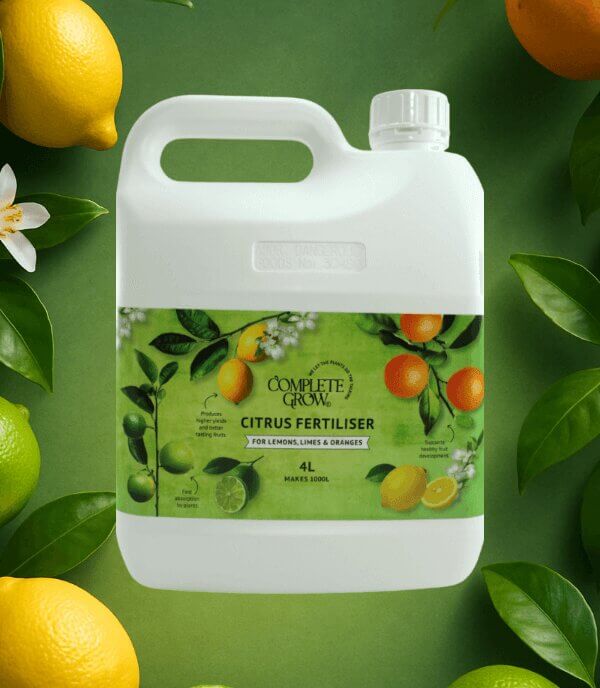
Nutrient deficiencies are one of the most frequent causes of leaf curl. Citrus trees need a balanced feed of macro and micronutrients to support chlorophyll production, healthy leaf development, and overall vigour. Complete Grow Citrus Fertiliser is formulated specifically for lemon, lime, orange, and mandarin trees, delivering the essential nutrients your citrus needs to recover and thrive.
Using this specialised fertiliser helps correct deficiencies that lead to leaf distortion, yellowing, and poor growth. It supports strong root systems, vibrant foliage, and better fruit set โ all while giving your trees the nutrition they struggle to access from soil alone. The NPK ratio of 6-2-12, with a potassium boost, is ideal for promoting flowering and fruit development, making it a reliable choice for your citrus trees.
Citrus Fertiliser to help correct nutrient imbalances and support healthier, stronger citrus foliage and fruit development.
2. Manage Pests Effectively
To control pests like aphids, mealybugs, and scale insects, consider using organic insecticides or neem oil. These treatments are effective at eliminating pests while being safe for your tree and the environment.
Additionally, introducing natural predators like ladybugs can help reduce pest populations without the need for chemicals. Regularly inspect the undersides of leaves and branches for signs of pests to catch infestations early and prevent further damage.
3. Optimize Watering and Environmental Conditions
Citrus trees prefer consistent moisture without waterlogging. Both underwatering and overwatering cause stress that can lead to leaf curl:
- Water deeply and infrequently, allowing the topsoil to dry slightly between waterings.
- Avoid soggy soil by ensuring good drainage and using mulch around the base to regulate moisture and temperature.
- Provide shade or wind protection during extreme heat to reduce stress on foliage.
4. Reduce Disease Pressure
Fungal and bacterial diseases can be treated with fungicides or bactericides specifically designed for citrus trees. Ensure proper air circulation around the tree to reduce the risk of infection. Prune away any affected leaves or branches and dispose of them properly to avoid spreading the disease.
For ongoing prevention, regularly clean and sterilize your gardening tools and avoid overhead watering to reduce the spread of pathogens. Consider selecting disease-resistant citrus varieties for areas prone to specific infections.
By addressing the root cause of the leaf curl and applying these treatments, your citrus trees can recover and thrive. With proper care and maintenance, youโll see lush, green leaves and healthy growth in no time!
Citrus Guides Hub
Citrus Fertiliser for Lemon, Lime, Orange Trees
Discover the best plant food for vibrant citrus fruit, healthy leaves, and optimal growth for your citrus trees.
Yellowing Leaves on Citrus Trees: Causes & Solutions
Understand the reasons behind yellowing leaves and the steps to restore the health of your citrus tree.
Citrus Leaf Curl Treatment & Prevention
Prevent and treat citrus leaf curl with expert guidance on care and solutions for your citrus trees.
How to Prune Citrus Trees
Learn the proper pruning techniques to enhance citrus tree health and fruit production. Keep your trees thriving!
Citrus Tree Leaf Problems: Causes & Treatment
Diagnose and treat common leaf problems in citrus trees for better growth and improved fruit production.
Best Plant Food for Citrus Trees
Find the perfect plant food to keep your citrus trees healthy and thriving throughout the year.
How to Plant, Grow, and Care for Citrus Trees
The ultimate guide to planting, growing, and caring for citrus trees, from choosing the right variety to troubleshooting common problems.
Recommended Products
- Quick View
- Select options This product has multiple variants. The options may be chosen on the product page