
Dwarf Jade
Transform Your Garden into a Personal Paradise!
Dwarf Jade (Portulacaria afra) – Growing, Care & Bonsai in Australia
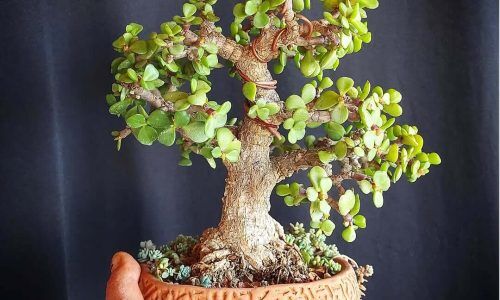
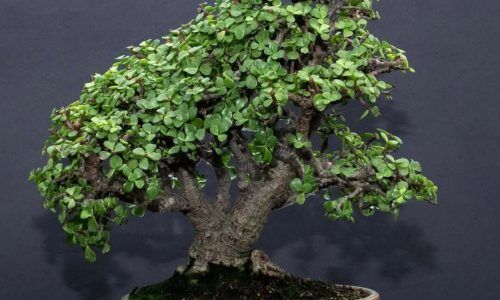
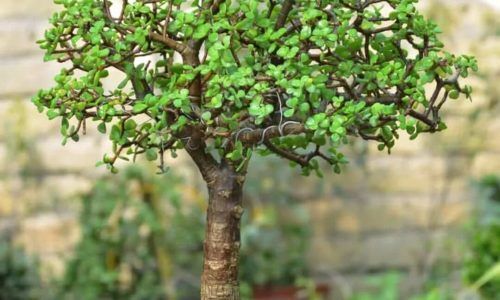
Dwarf jade (Portulacaria afra)—often called elephant bush—is a resilient, small‑leaf succulent prized for its compact growth, easy propagation, and suitability for bonsai. Native to South Africa’s semi‑arid regions, it thrives in bright light and lean, fast‑draining soils, making it ideal for Australian patios, balconies, and indoor windowsills. With the right light, watering rhythm, and a light feeding routine, dwarf jade forms dense pads and woody structure perfect for bonsai training.
Sunlight: Bright light to full sun. Outdoors, provide morning sun with light afternoon shade in hot summers; indoors, place at the brightest window (north or east). Gradually acclimatise plants moved from indoors to full sun to avoid leaf scorch.
Soil: Use a gritty, free‑draining succulent mix (cactus mix + coarse sand/pumice/perlite). For bonsai, a mineral‑leaning substrate (e.g., akadama/pumice/lava or similar) keeps roots aerated and growth compact.
Water: Water deeply, then allow the mix to dry almost completely. In warm months this may be every 7–14 days in pots; in winter, much less. Avoid saucers of standing water.
Climate: Warm, frost‑free conditions are best. Protect below ~5 °C, especially if soil is wet. Excellent candidate for containers in cooler zones—simply move under cover in winter.
Regular, gentle pruning encourages branching and pad formation. Tip cuttings root readily, so shaping and propagation can happen together.
Dwarf Jade Fertiliser – What to Use & When to Feed
Adapted to nutrient‑poor habitats, dwarf jade prefers modest feeding. A balanced, low‑nitrogen liquid fertiliser maintains tight internodes and firm leaves, while adequate potassium supports stress tolerance and branch strength. Trace elements (magnesium, iron, manganese) help sustain even colouring in containers.
Best Fertiliser for Dwarf Jade (Pots vs In‑Ground)
Potted plants / Bonsai: Apply a diluted liquid feed (e.g., NPK 16‑4‑14 or similar balanced succulent fertiliser) at half strength every 4–6 weeks during active growth. For bonsai, light, frequent feeding keeps growth controlled and internodes short.
In‑ground plants: In sandy beds, scratch in a small amount of controlled‑release succulent fertiliser at the start of spring; top up lightly mid‑summer if growth is slow.
When Should You Fertilise Dwarf Jade in Australia?
Spring (Sept–Nov): Begin light feeding as growth resumes; repot or root‑prune bonsai if needed.
Summer (Dec–Feb): Maintain monthly half‑strength feeds; water thoroughly and allow full drying cycles.
Autumn (Mar–May): Reduce frequency; give one final light feed as temperatures ease.
Winter (Jun–Aug): Pause fertilising; keep on the dry side and protect from cold snaps.
Always fertilise into slightly moist soil (not bone‑dry), and avoid heavy nitrogen that causes lanky, soft growth—especially in bonsai.
Common Dwarf Jade Problems & How Proper Care Prevents Them
1. Leaf drop after moving: Light shock from sudden changes. Increase light gradually and maintain consistent watering intervals.
2. Soft, swollen leaves / stem rot: Overwatering or poor drainage. Use a gritty mix, larger drainage holes, and let soil dry deeper between waterings.
3. Leggy growth: Insufficient light or excess nitrogen. Move to brighter position; switch to low‑N, balanced feeds.
4. Slow growth / pale leaves: Nutrient depletion in pots. Resume light, regular feeding and check pH/drainage.
FAQs – Dwarf Jade Care, Propagation & Bonsai
Is dwarf jade toxic to cats? Portulacaria afra is generally regarded as non‑toxic to cats and dogs. (Note: the common jade plant, Crassula ovata, is toxic—don’t confuse the two.)
How often should I water a dwarf jade? In warm weather, typically every 7–14 days in pots—only after the mix dries almost fully. In winter, much less.
How do I propagate dwarf jade? Stem cuttings root easily. Let cut ends callus 1–3 days, then plant in a dry, gritty mix; mist lightly until roots establish.
How do I prune a dwarf jade bonsai? Use a clip‑and‑grow approach: pinch or cut back to 1–2 leaves on new shoots to build ramification; wire only lignified branches briefly to set structure.
Why are my leaves turning brown at the tips? Often sun scorch after sudden exposure, or salt build‑up from fertiliser. Acclimatise to higher light and periodically flush the potting mix.
With strong light, deep‑but‑infrequent watering, and modest feeding, dwarf jade delivers compact growth and excellent bonsai character in Australian conditions—low‑maintenance, highly trainable, and easy to propagate.
If you’re looking to train your plant into a miniature tree, see our detailed Dwarf Jade Bonsai Styling & Care Guide for pruning, wiring, and bonsai-specific feeding tips.
Recommended Products

- Quick View
- Select options This product has multiple variants. The options may be chosen on the product page
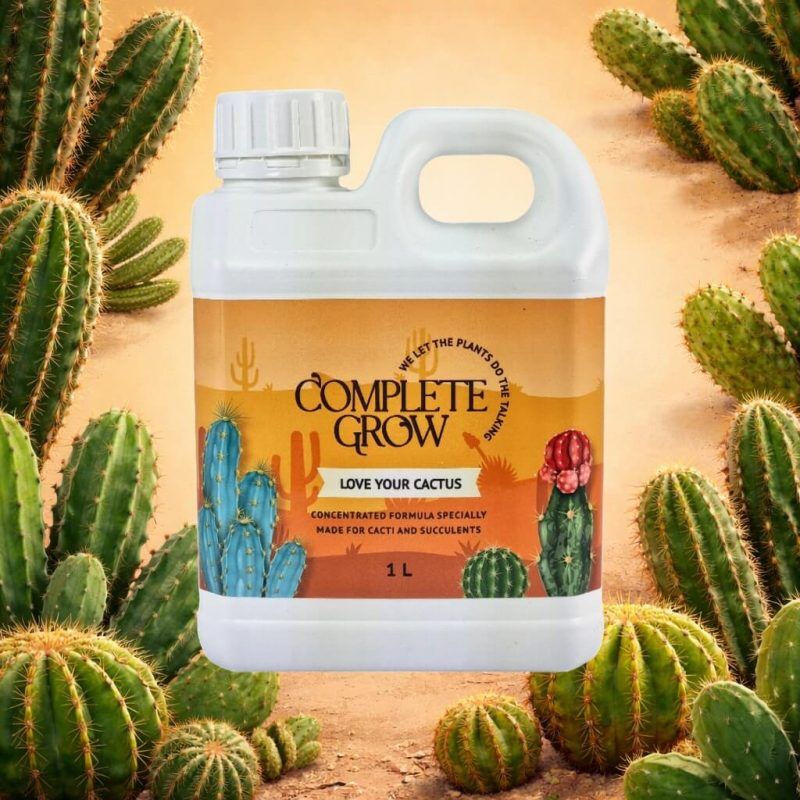
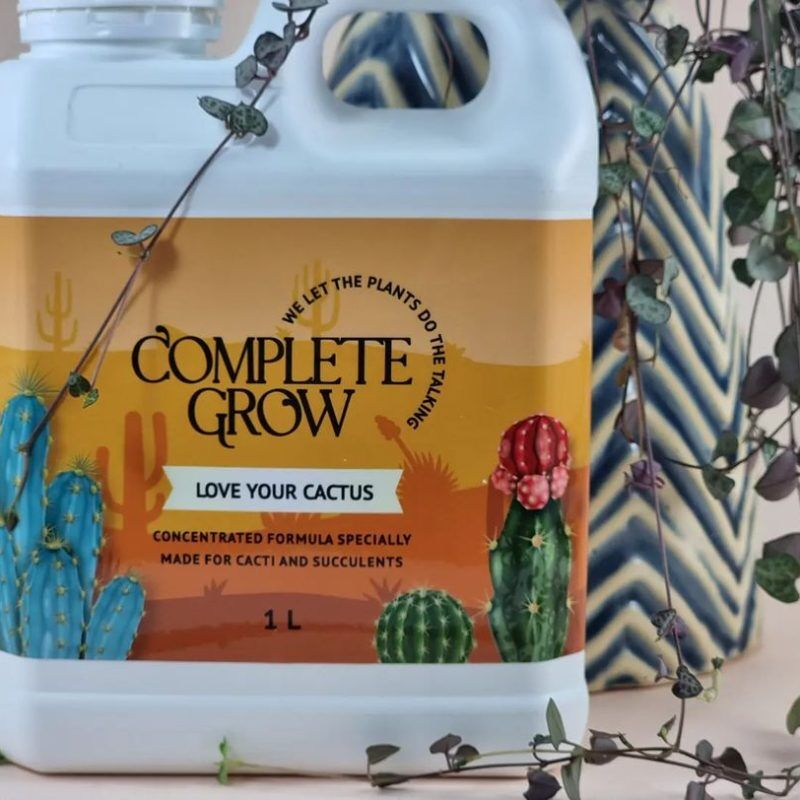
Cactus Succulent Plant Food Fertiliser Concentrate
The Grow Blog: News, Tips, & Stories
Bloom Fertiliser: What It Does & When to Switch
What is Cal-Mag & When should you use it
Why Citrus Trees Struggle to Fruit