Free Shipping Over $70

Free Shipping Limited Time Only

chili pepper plants

Transform Your Garden into a Personal Paradise!

Best Fertiliser for Chilli Plants: NPK, Feeding Schedule & Product Guide

Chilli plants (Capsicum spp.) are vigorous, fruiting perennials grown for their heat, flavour, and yieldโ€”but they need consistent feeding to produce abundantly. From bird’s eye and cayenne to jalapeรฑo and habanero, chilli peppers have specific nutrient demands that change as the plant matures.

If your chillies are producing few pods, dropping flowers, or growing lush leaves with no fruitโ€”fertiliser is likely the issue. By using a targeted, phase-specific NPK fertiliser plan, you can increase yields, intensify heat, and extend the fruiting season.

Chilli Plant Growth Phases & Nutrient Needs

  • Germination: Requires warmth, moisture, and seed energyโ€”no fertiliser needed
  • Seedling Stage (Weeks 1โ€“3): Prioritise nitrogen for leaf and root formation
  • Vegetative Growth (Weeks 4โ€“6): Use balanced fertiliser to support strong stems, canopy, and bud initiation
  • Flowering Stage (Weeks 6โ€“8): Increase phosphorus and potassium to support blooms and fruit set
  • Fruiting Stage (Weeks 8+): High potassium drives fruit swelling, flavour, and capsaicin (heat)

Chilli plants grown in pots need feeding more often due to leaching. Those in garden beds still benefit from staged fertiliser applications throughout their growing cycle.

elle-hughes-sFU3-fwZ6nQ-unsplash
ricardo-arce-lAGqB3fCQ0g-unsplash

Chilli Fertiliser Schedule Using CompleteGrow Products

1. Early Growth (Weeks 1โ€“4): Build a Healthy Plant Foundation

  • Fertiliser: NPK 20-20-20 Liquid
  • Rate: 5 mL per L of water, applied every 7โ€“10 days
  • Purpose: Boosts foliage growth, early photosynthesis, and root branching

2. Flowering Onset (Weeks 5โ€“7): Prepare for Pod Development

  • Use: Continue 20-20-20 but reduce frequency to every 10โ€“12 days
  • Tip: Too much nitrogen at this stage delays flowering. Begin alternating with a fruiting fertiliser

3. Fruiting & Ripening (Week 8+): Feed the Pods

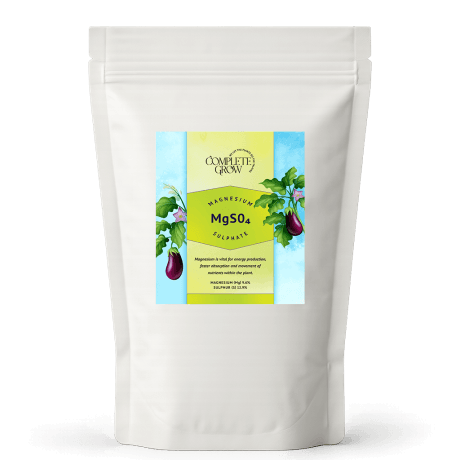
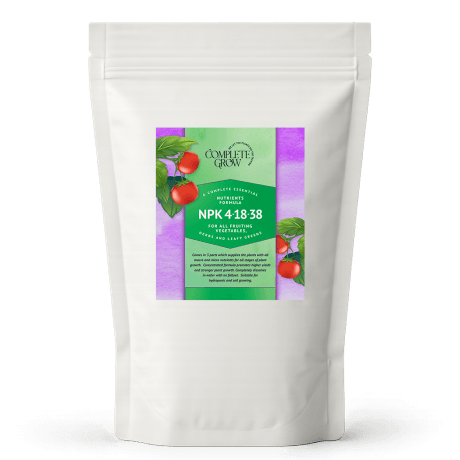
  • Fertiliser: NPK 4-18-38 + CaMg
  • Rate: 6 g per 10L of water, every 5โ€“7 days
  • Benefits: Higher potassium supports fruit fill, spice level, and bright, glossy skin
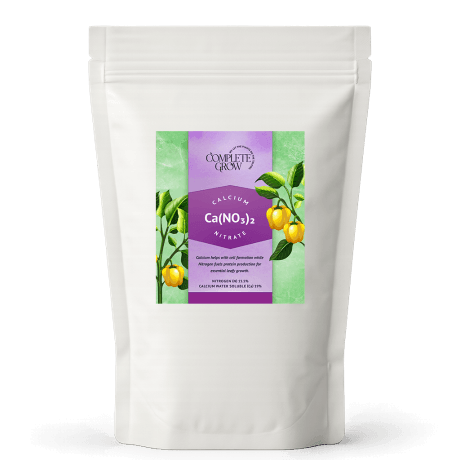
  • Calcium: Prevents blossom-end rot (dark sunken fruit tips)

For prolonged harvests, keep applying 4-18-38 + CaMg weekly for up to 3โ€“4 months. Chilli plants can yield hundreds of pods per season if well-fed and watered correctly.

donna-koch-5YadkVovbI8-unsplash
431793463_402208962498787_2891104271070762246_n

Birdโ€™s Eye & Hot Chilli Feeding Guide (Pots vs Soil)

Birdโ€™s Eye chilli (Capsicum frutescens) is one of the most popular hot varieties grown in Australia, especially in tropical and subtropical zones. Itโ€™s compact, high-yielding, and thrives in warm weather with full sun. Because it sets fruit continuously, regular feeding is key to high yields.

In Pots

  • Apply liquid fertiliser every 5โ€“6 days
  • Use NPK 20-20-20 early on, then switch to 4-18-38 + CaMg for fruiting
  • Keep soil moistโ€”not soggyโ€”to ensure calcium uptake

In Garden Beds

  • Apply fertiliser every 7โ€“10 days
  • Water deeply after each feed to prevent nutrient lockout
  • Mulch with sugarcane or straw to hold soil moisture

Common Issues from Poor Feeding

  • Pale yellow leaves: Lack of nitrogen early on
  • Flower drop: Imbalanced NPK or phosphorus deficiency
  • Blossom-end rot: Calcium shortage, often from dry soil
  • Low spice levels: Inadequate potassium in fruiting stage

Well-fed birdโ€™s eye chilli plants can produce hundreds of small, fiery pods per plant. Regular feeding, sunlight, and moisture management are the keys to continuous cropping.

Recommended Products

Sale!
Sale!

The Grow Blog: News, Tips, & Stories

Cart (0 items)

No products in the cart.