

Fishbone Cactus
Transform Your Garden into a Personal Paradise!
Fishbone Cactus (Epiphyllum anguliger): How to Grow, Stake & Get it to Flower in Australia
The Fishbone Cactus, also known as Zigzag Cactus or Epiphyllum anguliger, is a bold, tropical houseplant with lobed, wavy stems and striking night-blooming flowers. Unlike traditional desert cacti, this jungle species thrives in filtered light, warm temperatures, and consistently moist soil. Its sculptural shape makes it a popular statement plant in Australian homes — especially when trained on a plant stake or left to trail from a hanging pot.Native to Mexican rainforests, the Fishbone Cactus is an epiphyte, growing on trees and absorbing moisture from the air. It’s loved not only for its unique appearance but also for its fragrant, rare flowers — which bloom in warm months, typically in summer or early autumn, and last just one night. Getting it to flower reliably requires mimicking its natural growth cycle, including a cooler, drier rest period followed by consistent feeding and light.
Although the name suggests prickly dryness, the Fishbone Cactus actually enjoys regular water and rich organic soil — provided drainage is excellent. Whether you’re growing it indoors or under a covered patio, mastering the balance between moisture, airflow, and nutrition is key to keeping your plant lush, fast-growing, and eventually in bloom.


How to Grow and Care for a Fishbone Cactus: Light, Soil, Water & Propagation
Light: The Fishbone Cactus loves bright, indirect light — similar to dappled sun in a rainforest canopy. It can tolerate a few hours of morning sun, but direct afternoon rays will scorch its stems. Indoors, place it near a north or east-facing window. Outdoors, protect it from hot sun with shade cloth or an overhang. Not enough light leads to stunted, pale growth and delayed flowering.
Soil: Use a chunky, well-draining mix rich in organic matter. A blend of orchid bark, perlite, peat moss, and quality potting soil is ideal. Avoid regular cactus soil — it’s too sandy and dry. This cactus prefers moisture retention without sogginess. Ensure your pot has drainage holes and never allow the plant to sit in water.
Watering: Water when the top 3–4cm of soil feels dry — usually every 5–10 days in warm months. In winter, reduce frequency to every 2–3 weeks. Fishbone Cactus is sensitive to both overwatering and underwatering. Wrinkled stems indicate thirst; soggy stems may mean rot is setting in. Mist the foliage if indoor air is very dry.
Staking: As the plant matures, long stems may trail or tangle. You can let them cascade from a hanging basket or support the stems using a vertical plant stake or moss pole. This helps maintain structure and improves airflow — especially important if you’re growing in humid climates like coastal Queensland.
Propagation: Fishbone Cactus is easy to propagate from stem cuttings. Simply snip off a 10–15 cm segment with at least 3 “bones,” let it callous for 2–3 days, and plant it in lightly moist propagation mix. Keep in bright, indirect light and mist occasionally until roots form in 3–6 weeks.
Temperature & Humidity: Thrives in 18–26°C temperatures with moderate to high humidity. In winter, keep away from heaters and cold drafts. Outdoor fishbone cacti should be brought under cover in frost-prone areas.
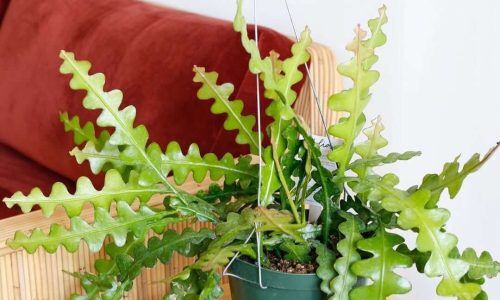
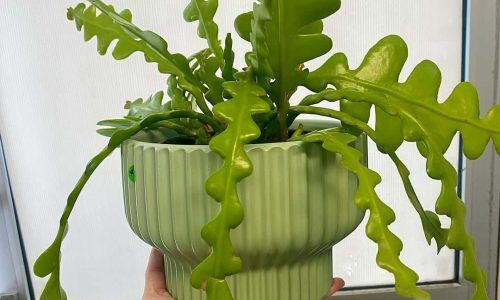
Fishbone Cactus Flowering & Fertilising: How to Get Blooms & Keep Growth Strong
The Fishbone Cactus blooms only when mature and under the right conditions — usually after 2–3 years of strong vegetative growth. The flowers are large, often white or pale yellow with a fragrant, citrusy scent. They typically bloom at night, only lasting until the next morning, but are well worth the effort.
How to Get Fishbone Cactus to Flower:
- Cool Nights: Ensure temperatures drop to 12–15°C at night for at least 4–6 weeks before flowering season (late summer to early autumn).
- Shorter Days: Reduce exposure to artificial light in evenings. Flowers are triggered by shortening daylight hours.
- Feed Lightly: Stop feeding during this resting period, then resume with a liquid cactus fertiliser when buds appear.
- Water Less: Hold back watering slightly before buds form. Too much water during rest phase delays flowering.
Fertiliser Strategy: Feed every 3–4 weeks during the growing season (spring to early autumn) using a liquid cactus-specific fertiliser. Avoid overfeeding or using high-nitrogen formulas, which promote soft growth and suppress flowering. Resume light feeding after blooming to support recovery and stem health.
Common Mistakes: Overwatering, rootbound pots, dry air, and excessive pruning can all prevent flowering. Avoid shifting the pot while buds are forming — it can cause drop-off. Use filtered rainwater if your tap water is hard or salty.
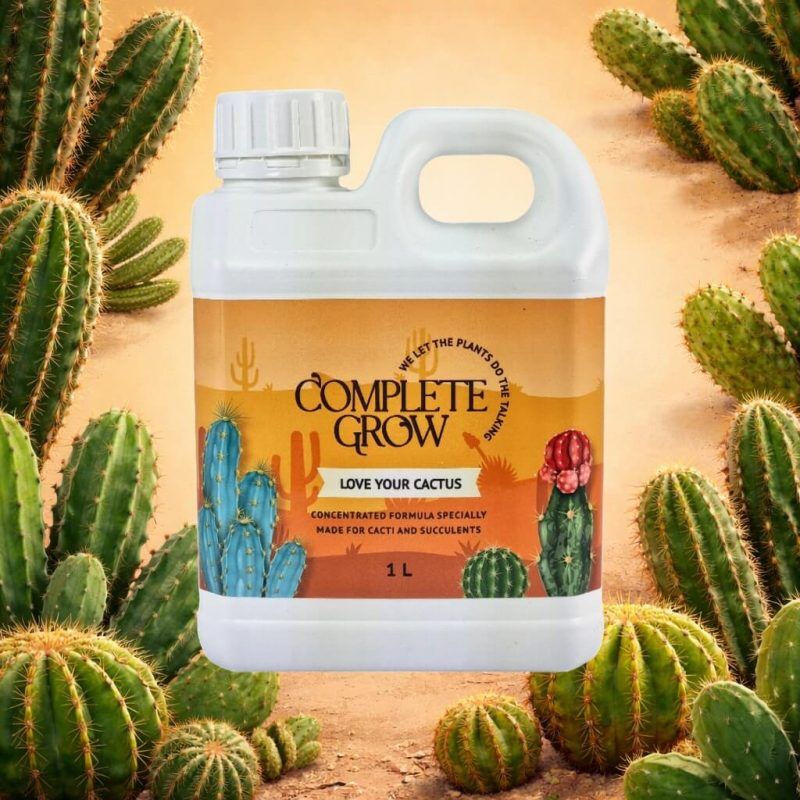
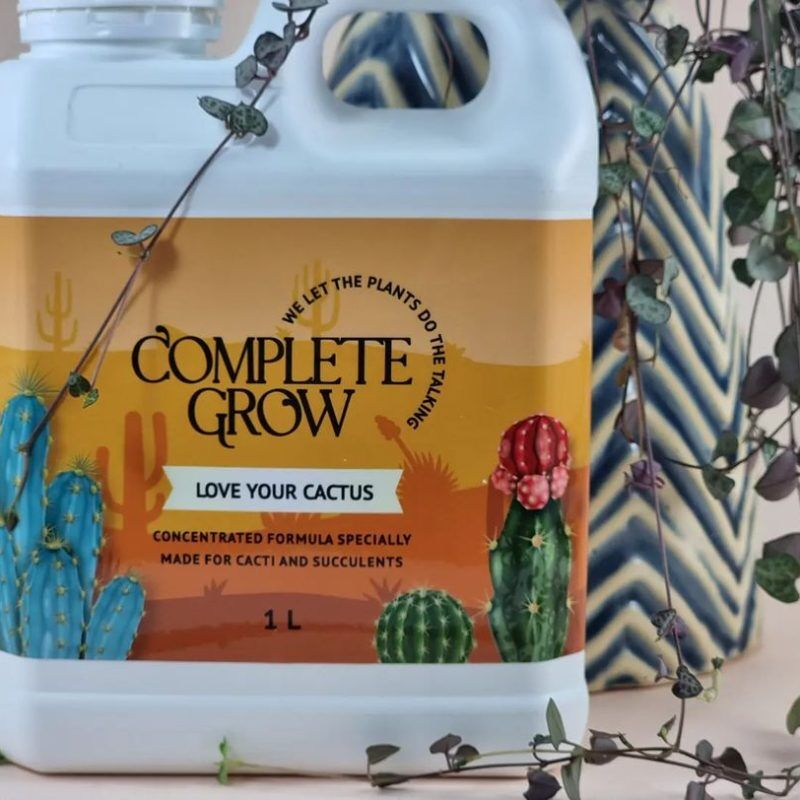
For consistent growth and better flowering over time, we recommend using a cactus-formulated product like CompleteGrow’s Cactus Succulent Plant Food Fertiliser. With a low-nitrogen 2-7-7 NPK profile and trace minerals, it supports both pad development and bloom timing without overfeeding.
Frequently Asked Questions – Fishbone Cactus Care & Flowering
Do Fishbone Cactus flower?
Yes, Fishbone Cactus can flower once mature, typically in late summer or autumn. The blooms are large, fragrant, and short-lived — often blooming overnight. Getting it to flower requires cool nights, short daylight exposure, and a rest period without feeding or heavy watering.
How do I grow Fishbone Cactus from a cutting?
Cut a 10–15 cm stem segment, let it callous for 2–3 days, then plant it in a moist, well-draining propagation mix. Keep the cutting in indirect light and mist occasionally. Roots typically form in 3–6 weeks, after which you can begin light feeding and regular watering.
Do I need to stake my Fishbone Cactus?
Staking is optional. Mature stems may trail from hanging baskets, but upright growth can be encouraged with a stake or moss pole. Staking also improves airflow and helps manage long stems in small pots.
Is Fishbone Cactus the same as Zigzag Cactus?
Yes — Fishbone Cactus, Zigzag Cactus, and Ric Rac Cactus are all common names for Epiphyllum anguliger. It’s an epiphytic cactus native to Central America, known for its lobed stem segments and striking flowers.
Recommended Products

- Quick View
- Select options This product has multiple variants. The options may be chosen on the product page
Cactus Succulent Plant Food Fertiliser Concentrate
The Grow Blog: News, Tips, & Stories

Bloom Fertiliser: What It Does & When to Switch

What is Cal-Mag & When should you use it
Why Citrus Trees Struggle to Fruit