Hydroponic Strawberries
Transform Your Garden into a Personal Paradise!
Add Your Heading Text Here
Hydroponic Strawberries: Growing Strawberry Plants in a Controlled Hydroponic System
Hydroponic strawberries are strawberry plants cultivated without soil, with the root system supported by a managed supply of water, dissolved nutrients, oxygen, and a stable growing environment. This method allows the grower to regulate the conditions that most strongly influence strawberry performance, including root-zone moisture, nutrient availability, airflow, plant spacing, and overall crop cleanliness. Because strawberries are shallow-rooted and highly responsive to fluctuations in moisture and feeding, they are well suited to hydroponic production when the system is properly balanced.
In practical terms, strawberry hydroponics is valued for producing cleaner fruit, reducing contact with soil-borne problems, and making harvesting easier in raised or protected systems. It also allows more efficient use of space, which is why hydroponic strawberry plants are commonly grown in gutters, channels, benches, substrate bags, and vertical setups. Compared with conventional in-ground growing, hydroponics gives the grower more direct control over the plantโs immediate environment, which can support stronger consistency in growth, flowering, and fruit set.
It replaces soil with a controlled root environment where water, oxygen, and nutrients can be delivered more precisely.
Strawberries respond quickly to changes in moisture and feeding, so a stable hydroponic setup can improve consistency.
Cleaner berries, easier harvesting, better plant access, and more efficient use of protected growing space.
Healthy roots, a dry crown, stable nutrients, good airflow, and consistent irrigation timing.
Key features of hydroponic strawberry production
The defining feature of strawberry plants for hydroponics is that the crop is grown in a highly managed system rather than in open soil. The roots may be supported in an inert substrate such as coco coir or another hydroponic medium, or they may develop inside channels where nutrient solution is supplied on a regular schedule. In either case, the goal is the same: maintain an active, oxygenated root zone while protecting the crown from prolonged wetness. This balance is important because strawberry crowns can decline quickly when they remain damp, even if the roots appear well supplied.
Hydroponic systems are also attractive because they help separate the crop from many common ground-level issues. Fruit is less likely to sit against damp soil, less exposed to splashback, and generally easier to inspect at harvest. System design can also improve labour efficiency, especially in elevated channels or bench systems where the plants are easier to prune, clean, and pick. For both small-scale and serious growers, this combination of cleanliness, access, and control is a major reason hydroponic strawberries continue to gain attention.
- Keep the crown above the wettest zone to reduce rot risk
- Use a clean, consistent nutrient program suited to hydroponic systems
- Maintain good airflow around leaves, flowers, and developing fruit
- Choose a system that allows stable irrigation without waterlogging roots
- Focus on crop balance rather than pushing overly soft leafy growth
For growers building a serious hydroponic feeding program, a proper two-part nutrient is a stronger fit than a general garden fertiliser. CompleteGrowโs Hydroponic Nutrients Fertilizer โ Two-Part Formula (A & B) is well suited to hydroponic strawberry production because it is designed for solution-based feeding and controlled hydroponic systems. This makes it a solid option for growers aiming to support clean root development, steady vegetative growth, flowering, and fruit production in a managed setup.
In a hydroponic strawberry system, nutrient quality has a direct effect on plant balance. Using a dedicated hydroponic formula helps create a more stable feeding foundation, especially when compared with broad-use fertilisers not designed for recirculating or controlled nutrient delivery.
Why this growing method matters
The appeal of hydroponic strawberry plants is not simply that they are grown without soil. The real advantage is that the system gives the grower a more deliberate way to manage one of the most sensitive fruit crops in small-scale and protected production. When the root zone is healthy, the crown is protected, and the nutrient program is stable, hydroponic strawberries can produce cleaner fruit, more accessible crops, and a more controlled growing process than many traditional setups.
How to grow hydroponic strawberries successfully
Successful strawberry hydroponics starts with understanding that strawberries do not just need water. They need the right balance of water, oxygen, nutrients, light, airflow, and temperature. When any one of those is off for too long, plants often show it quickly through weak flowering, pale growth, soft crowns, uneven fruit shape, or disappointing yields. The good news is that once the environment is stable, strawberries respond very well and can become one of the most rewarding hydroponic crops to grow.
Strawberries need strong light to support flowering and fruit fill. Weak light usually means weak performance.
Good ventilation helps reduce fungal pressure and improves pollination around flowers.
Keep the crown above the wettest zone so it stays firm and healthy rather than constantly damp.
Clean source water makes nutrient management far easier and helps avoid avoidable root-zone problems.
Setting up the root zone properly
The root zone is where most hydroponic strawberry problems begin or end. If roots sit in a stale, poorly oxygenated zone, growth slows and disease risk rises. If they dry out too aggressively, the plant becomes stressed and flowering suffers. This is why irrigation rhythm matters so much. You want the roots to stay consistently supplied without becoming waterlogged. In substrate systems, that means small, appropriate feedings rather than long, soaking events that leave the crown too wet for too long.
pH is another major control point. Hydroponic strawberries generally perform best when the nutrient solution stays slightly acidic. When pH drifts too high, some nutrients become harder for the plant to access and young growth can begin to lose its deep healthy colour. When pH swings too hard in the other direction, the balance can become unstable and plant stress increases. Rather than treating pH as an occasional fix, it is better to see it as part of routine crop management. Small corrections made consistently are far more effective than rare big adjustments.
Nutrient strength also needs to be managed carefully. Strawberries are not a crop that rewards heavy-handed feeding. Young plants need time to establish a clean, active root system before being pushed. Once the plant is growing steadily and entering flower, feeding can become more assertive, but still needs to remain balanced. If the crop receives too much vegetative push, it may become leafy and soft rather than productive. Strong hydroponic strawberry plants are not just big plants. They are balanced plants with healthy crowns, firm leaves, good flower set, and steady fruit development.
Pollination, runners, pruning and fruit quality
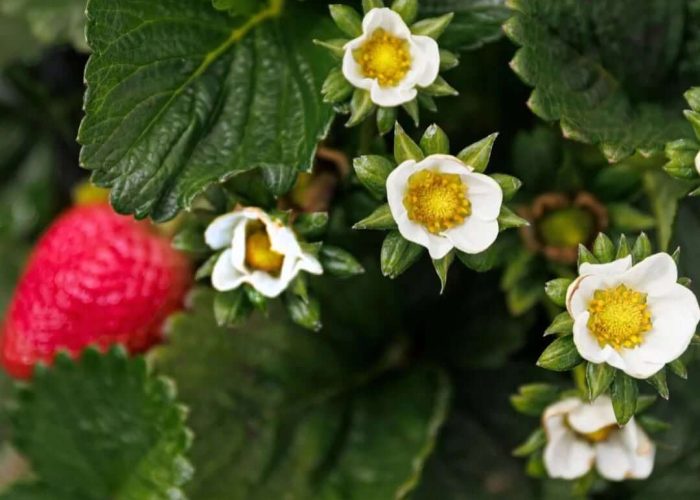
A common mistake with hydroponic strawberries is assuming that once flowers appear, fruit will take care of itself. In protected environments, pollination can be weaker than many growers expect. Without enough movement around the flowers, berries may form unevenly or stay smaller than they should. Good airflow helps, and some growers also support pollination manually if needed. If your flowers look healthy but your berries are misshapen or patchy, pollination is one of the first areas worth checking.
Runners are another important management point. Strawberry plants naturally want to send out runners, especially when they are vigorous. That is useful if you want to propagate more plants, but it is not always helpful if your goal is fruit. Too many runners divert energy away from flowers and berries. In most fruit-focused hydroponic systems, runners are removed so the plant can put more resources into crop production. Old damaged leaves should also be cleaned up as needed to improve airflow and reduce disease pressure around the crown.
- Pale young leaves can point to pH drift or nutrient imbalance
- Wet, soft crowns usually mean too much moisture around the base of the plant
- Small or uneven berries can point to weak pollination or inconsistent plant energy
- Lots of leafy growth with poor fruiting often suggests feeding is too growth-heavy
- General sluggishness can come from poor oxygen around roots, unstable irrigation, or weak light
The growers who get the best results with hydroponic strawberry plants usually do the basics exceptionally well. They keep crowns dry, root zones healthy, airflow moving, and feeding consistent. They do not constantly chase problems with drastic changes. They watch the crop, make measured adjustments, and build stability into the whole system. That is what turns a decent setup into a productive one.
Best nutrients for hydroponic strawberries, common mistakes, and FAQ
Feeding is one of the most important parts of growing hydroponic strawberries well. Because there is no soil buffer, the nutrient solution effectively becomes the plantโs full support system. That means the quality of the nutrient program matters enormously. Strawberries need balanced support for vegetative growth, root activity, flowering, fruit development, and overall plant strength. They do not perform well on weak, inconsistent, or poorly soluble feeds. They respond best to a clean, complete program that stays stable and delivers what the crop needs at each stage.
Build roots, establish the crown, and create steady healthy leaf growth without overdriving the plant.
Keep feeding balanced and stable so flowers hold well and pollination leads to cleaner fruit set.
Consistent nutrient delivery, good calcium support, and stable root conditions help fruit quality stay high.
A better nutrient option for strawberry hydroponics
If you are growing strawberries in a hydroponic system, a proper two-part hydro nutrient is a much better fit than generic garden fertiliser. A dedicated A & B formula is designed to stay cleaner in solution, reduce compatibility issues, and support more reliable nutrient delivery in recirculating or managed hydro systems. For growers who want a stronger option for strawberry hydroponics, CompleteGrowโs Hydroponic Nutrients Fertilizer โ Two-Part Formula (A & B) is a solid fit for systems that need clean, complete feeding. It is an Australian-made two-part hydroponic nutrient designed for hydro setups and formulated to support full-cycle growth from root development through to flowering and fruiting.
- Two-part hydroponic format better suited to managed nutrient solution systems
- Designed for hydroponic use rather than broad general garden feeding
- Supports full-cycle plant growth from establishment through productive fruiting
- Useful for growers who want cleaner, more consistent nutrient delivery
- Strong option for strawberries grown in substrate, channels, controlled environments, and other hydro setups
Common hydroponic strawberry mistakes to avoid
Many problems with strawberry plants for hydroponics come from doing too much rather than too little. Overfeeding is one example. Strawberry plants are sensitive, and pushing them too hard can create salt stress, soft growth, or fruit quality issues. Another mistake is letting the crown stay wet for extended periods. Even if the root system looks supplied, a constantly damp crown can quickly become a weak point. Weak airflow is another common issue, especially in covered setups where humidity lingers around flowers and foliage.
Growers also run into trouble when they make too many corrections at once. If the crop starts looking unhappy, it is tempting to change pH, nutrient strength, irrigation timing, pruning strategy, and plant position all in the same day. That usually makes diagnosis harder. A better approach is to isolate the most likely cause, make a measured change, and observe the response. Stable systems usually win over reactive systems.
Do strawberries grow well in hydroponics?
Yes. Strawberries can perform extremely well in hydroponics when roots stay healthy, the crown stays dry, pollination is adequate, and the nutrient program is consistent.
What is the best hydroponic system for strawberries?
For many growers, substrate-based drip systems and elevated gutter systems are among the easiest and most productive options. They balance root moisture, oxygen, and plant support well.
What pH is best for hydroponic strawberry plants?
A slightly acidic nutrient solution is usually preferred so nutrient uptake stays efficient and root-zone balance remains stable.
Do hydroponic strawberries need pollination?
Yes. In protected environments especially, good airflow and pollination support can make a major difference to berry shape and fruit set.
Can I use regular fertiliser for strawberry hydroponics?
A dedicated hydroponic nutrient is usually the better choice because it is designed for solution-based feeding and more consistent delivery through hydro systems.
For growers who want stronger results from hydroponic strawberries, the biggest wins usually come from getting the fundamentals right: choose a system that keeps crowns dry, keep the environment clean and well ventilated, remove excess runners, stay consistent with feeding, and use a proper hydro nutrient such as CompleteGrowโs A & B Hydroponic Nutrients Formula. When the system is balanced properly, hydroponic strawberries can be one of the cleanest, most satisfying, and most productive fruit crops to grow.
Related hydroponic links
Recommended Products
- Quick View
- Select options This product has multiple variants. The options may be chosen on the product page