

orange jasmine
Transform Your Garden into a Personal Paradise!
Orange Jasmine Plant Care Guide (Murraya paniculata)
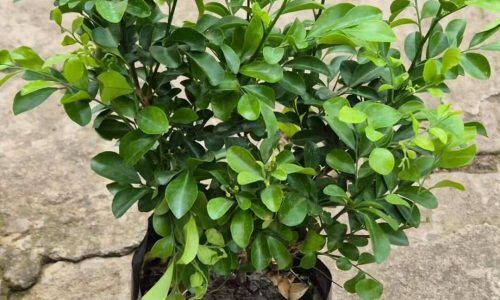
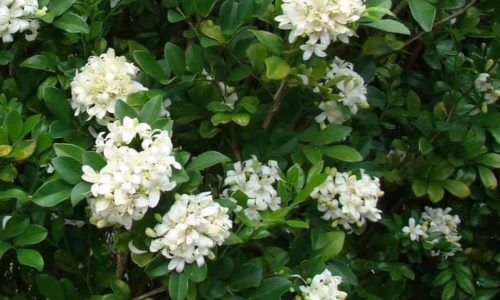
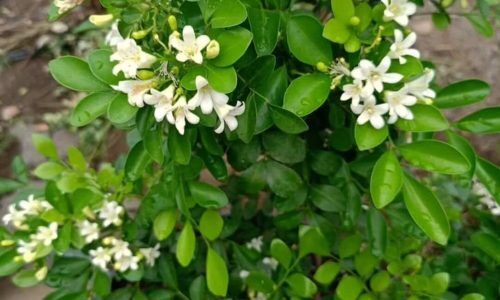
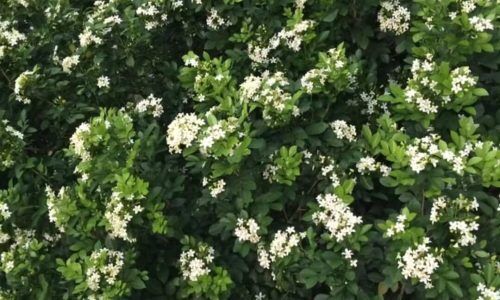
Orange Jasmine (Murraya paniculata) is an evergreen tropical shrub celebrated for its glossy foliage and intensely fragrant white blossoms. Native to South-East Asia and Northern Australia, it’s adaptable, elegant, and perfect for hedging or container gardening. Below you’ll find the complete care breakdown—soil, watering, pruning, and feeding—to keep your Orange Jasmine lush, compact, and flowering repeatedly.Understanding the Plant
Orange Jasmine belongs to the citrus family Rutaceae, which explains its citrus-like scent. Mature plants can reach 2–3 m tall outdoors but remain manageable in pots with pruning. Its flowers develop into small red-orange berries that attract birds, adding ornamental and ecological value. This shrub performs equally well as a single feature plant or as a clipped formal hedge.
Ideal Light Conditions
Provide full sun to bright filtered light. Outdoor specimens thrive in morning or late-day sun with light midday shade in very hot zones. Insufficient light leads to sparse branching and fewer blooms. For indoor plants, position near a bright east- or north-facing window or under LED grow lights for 10–12 hours daily.
Soil Requirements & pH Range
Orange Jasmine favours a free-draining, fertile loam rich in organic matter. Ideal pH sits between 6.0 and 7.0. Heavy clay can be improved by blending 30 % coarse sand or perlite to increase drainage. In containers, use a premium potting mix with slow-release organic base or fine pine bark chips to improve airflow around roots.
Watering Routine & Moisture Control
The rule is: moist but never soggy. Water deeply once the top 2–3 cm of soil begins to dry. In hot months, this may mean two or three times per week; in cooler seasons, once weekly often suffices. Always ensure containers have adequate drainage holes. For hedges, install drip irrigation or a soaker hose to maintain consistent moisture and reduce fungal risks.
- Tip: Morning watering reduces evaporation and fungal risk.
- Rainwater: Slightly acidic and ideal for maintaining nutrient availability.
- Mulch: Apply a 3 cm layer of bark or sugarcane mulch to regulate moisture and temperature.
Temperature & Humidity
Optimal growth occurs between 18–30 °C. Below 10 °C, growth slows, and leaves may yellow. In cool regions, position against a warm north-facing wall or bring potted plants indoors before frost. Humidity between 50–70 % maintains glossy foliage; lightly mist in dry indoor air or group plants together.
Repotting & Root Health
Repot every 2–3 years in late spring when roots fill the pot. Trim 10 % of the root mass and replace the upper soil layer annually to refresh nutrients. Choose pots one size larger (2–3 cm wider) than the previous. Ensure fresh, aerated mix—dense soil suffocates feeder roots and reduces nutrient uptake.
Pruning and Shaping
Regular pruning promotes dense foliage and repeat blooming. Lightly trim right after major flower flushes—typically late spring and mid-summer. Cut above a leaf node to stimulate branching. Remove deadwood or rubbing stems to improve airflow. For formal hedges, clip every 6–8 weeks; for ornamental shrubs, a light shape twice per year is enough.
Propagation Methods
Orange Jasmine can be propagated by semi-hardwood cuttings (10–12 cm long) taken in summer or by seed from ripe orange berries. Dip cuttings in rooting hormone, plant in a 50 : 50 mix of perlite and peat, and maintain humidity until rooted (usually 6–8 weeks). Grafted forms are common in commercial nurseries for faster establishment.
Seasonal Care Routine
A seasonal approach mirrors the plant’s natural rhythm and prevents stress. Orange Jasmine actively grows from early spring through late autumn, resting lightly in winter.
Summer (Dec–Feb): Maintain fortnightly feeding, mulch well, and protect from extreme afternoon heat.
Autumn (Mar–May): Feed monthly and prepare for slower growth; tidy shape without heavy cuts.
Winter (Jun–Aug): Pause feeding, water only when the top soil dries, and shelter from cold winds.
Fertiliser Selection & Nutrient Balance
Orange Jasmine benefits from balanced macro- and micronutrients. A liquid NPK 20-20-20 formula supplies equal parts nitrogen (N), phosphorus (P), and potassium (K). Nitrogen drives glossy leaf growth; phosphorus develops strong roots and flowering sites; potassium improves bud colour and plant resilience. Include trace elements such as magnesium, iron, and manganese for leaf greenness and chlorophyll production.
Mixing & Application Guide
- Mix 5 mL (1 teaspoon) CompleteGrow 20-20-20 per 2 L of water for regular maintenance.
- For flowering boosts, increase to 7 mL per 2 L every 2 weeks.
- Water first if soil is dry, then apply fertiliser evenly around the base.
- Rinse foliage lightly to remove any residue.
Companion Planting & Positioning
Pair Orange Jasmine with other subtropical ornamentals like Frangipani, Gardenia, or Hibiscus for complementary flowering seasons. When forming hedges, space plants 60–80 cm apart to allow airflow and prevent fungal buildup. Good air circulation is critical for healthy leaves and fragrance intensity.
Water Quality & pH Adjustment
Hard or alkaline water (pH > 7.5) can cause micronutrient lockout. Counteract by adding a teaspoon of citric acid per 10 L of irrigation water monthly. Monitor runoff pH and adjust gradually; drastic swings shock roots.
Container Care Tips
In pots, nutrients leach faster. Feed at half strength but twice as often (every 10–14 days). Rotate the pot periodically to ensure even sunlight. Check drainage holes quarterly and clear any blockages to prevent root suffocation.
Common Pests and Diseases
- Aphids & Whitefly: Cluster on new shoots; wash off with mild soapy water or horticultural oil spray.
- Scale Insects: Appear as brown bumps on stems; remove with a soft brush and apply neem or eco-oil fortnightly.
- Sooty Mould: A fungus growing on insect honeydew—control pests first, then wipe leaves clean.
- Root Rot: Caused by poor drainage; re-pot in fresh mix and cut back watering.
Troubleshooting Quick Reference
- Yellowing Leaves: Over-watering or alkaline soil—improve drainage and check pH.
- No Flowers: Too much shade or excessive nitrogen—move to brighter light and use balanced fertiliser.
- Leggy Growth: Lack of pruning; trim after flowering to encourage bushiness.
- Leaf Drop in Winter: Natural slowdown in cool climates; resume feeding when new shoots appear.
FAQ — Orange Jasmine Care
How often does Orange Jasmine flower?
Under warm conditions it can bloom several times per year, especially after light pruning and steady feeding.
Can it grow indoors?
Yes, provided it receives 6–8 hours of bright light or supplemental grow lighting. Ensure good airflow and humidity around 50 % +.
What’s the best time to prune?
Right after flowering flushes—usually late spring and again in mid-summer—avoiding winter trimming that removes forming buds.
Is Orange Jasmine toxic to pets?
Mildly so if ingested in quantity; keep out of reach of curious pets. The plant’s fragrance, however, is safe to enjoy.
How long does it take to establish as a hedge?
With regular feeding and irrigation, expect dense coverage in 18–24 months after planting.
Long-Term Maintenance Strategy
Sustained success comes from balance—light, moisture, nutrients, and airflow. Refresh mulch annually, check soil pH, prune regularly, and apply a gentle fertiliser program. Healthy Orange Jasmine hedges can thrive for decades with minimal disease pressure when these basics stay consistent.
CompleteGrow Recommendation
Feed Orange Jasmine with CompleteGrow All Purpose Liquid NPK 20-20-20 every 2–3 weeks from spring to early autumn. This balanced liquid provides steady nitrogen, phosphorus, and potassium for glossy leaves, strong roots, and continuous flowering. Consistency—not intensity—is the secret to a healthy, perfumed Murraya hedge or pot specimen.
Jasmine Guides Hub
How to Feed Jasmine & Star Jasmine
Mixing ratios, seasonal schedule, containers vs in-ground, bloom maximisation.
Best Fertiliser for Jasmine & Star Jasmine
Balanced NPK, feeding cadence, FAQs — why CompleteGrow outperforms others.
Orange Jasmine (Murraya) Care Guide
Light, soil, watering rhythm, pruning & shaping, pests/disease quick-fixes.
Best Fertiliser for Orange Jasmine
Ideal NPK, mixing rates, fortnightly schedule, troubleshooting chlorosis.
Recommended Products
- Quick View
- Select options This product has multiple variants. The options may be chosen on the product page
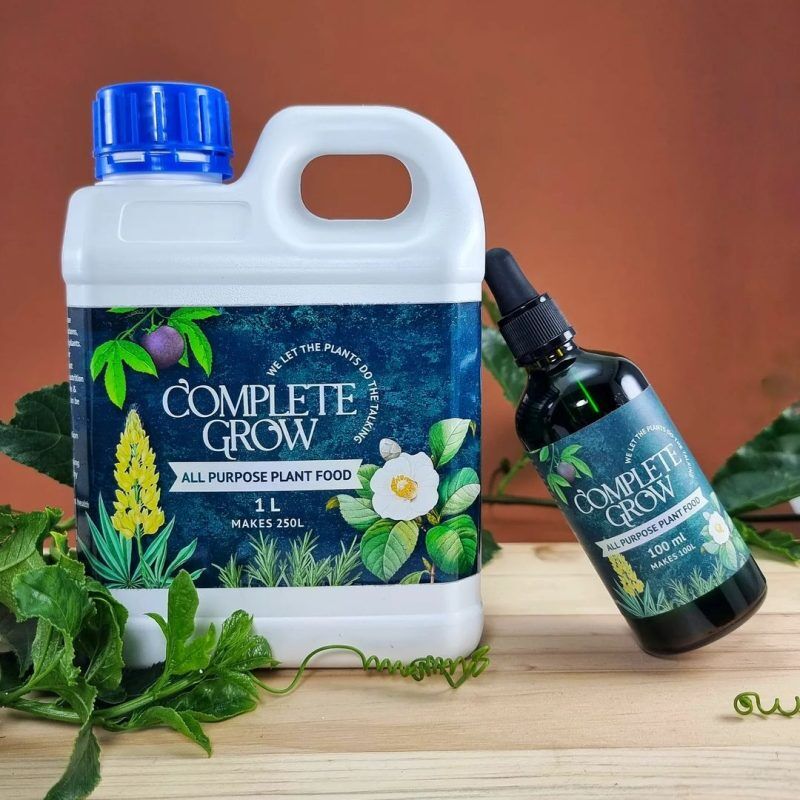
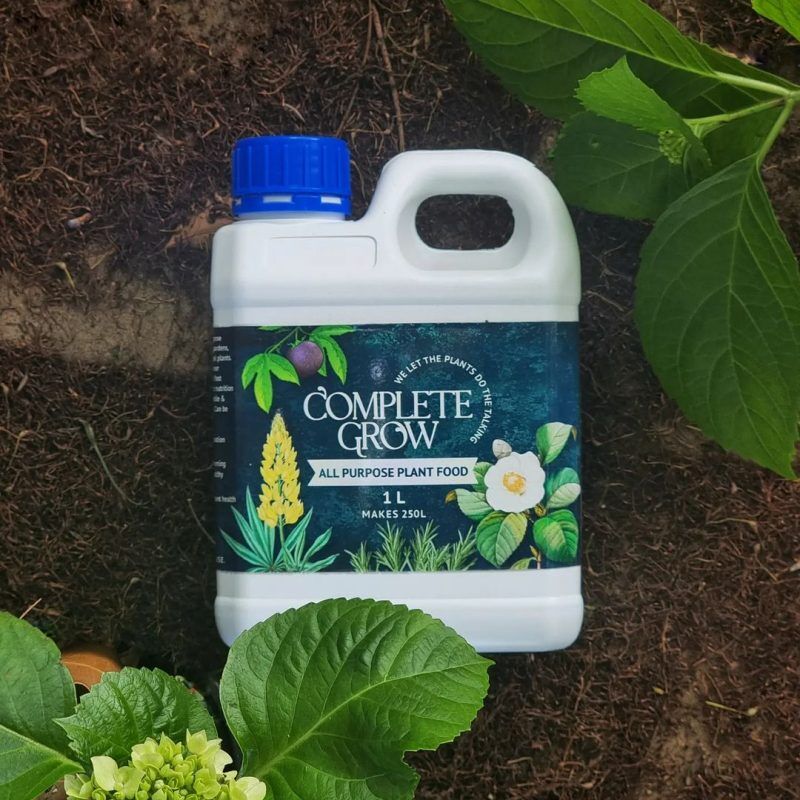
🌟40% OFF🌟 All Purpose Plant Liquid Fertiliser – Formulated from NPK 20-20-20 & Micro Nutrients

- Quick View
- Select options This product has multiple variants. The options may be chosen on the product page
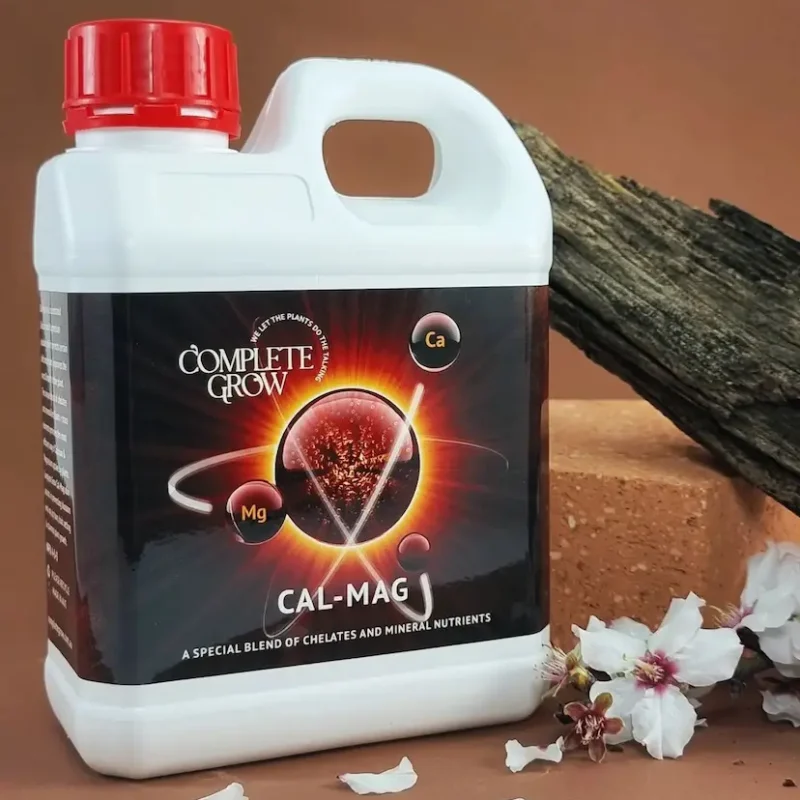
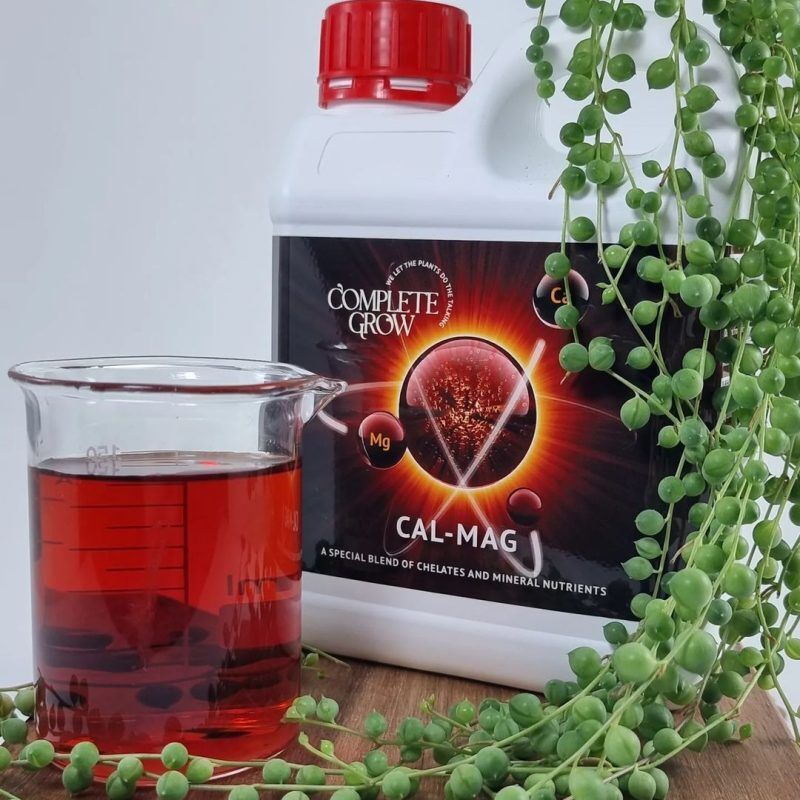
Cal-Mag Hydroponic Nutrients Fertiliser
The Grow Blog: News, Tips, & Stories
Bloom Fertiliser: What It Does & When to Switch
What is Cal-Mag & When should you use it
Why Citrus Trees Struggle to Fruit