Free Shipping Over $70

Free Shipping Limited Time Only

Ryegrass

Transform Your Garden into a Personal Paradise!

Add Your Heading Text Here

Ryegrass Lawns in Australia โ€“ Is Ryegrass Good for Lawns?

Ryegrass can be a very good lawn option in Australia โ€“ but only in the right situations. If you are asking โ€œis ryegrass good for lawns?โ€ or โ€œis ryegrass good for a lawn?โ€, the short answer is: yes, perennial ryegrass is excellent for cool-climate lawns and winter-green lawns, while annual ryegrass is best used as a temporary or overseeding option.

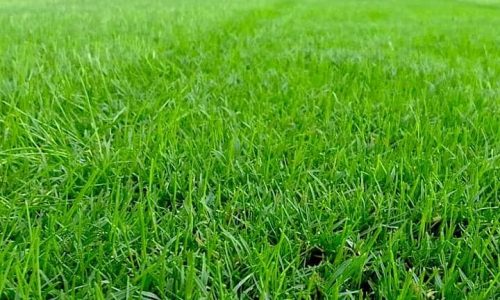
A ryegrass lawn is known for its rich green colour, fast germination and dense, carpet-like coverage. It is popular in cooler regions, higher elevations, and wherever homeowners want a lush green lawn through autumn, winter and early spring. However, ryegrass does have limitations: it prefers cooler conditions, needs regular mowing, and must be fed properly to avoid thinning and weed invasion.

Ryegrass in Lawns โ€“ Annual vs Perennial Ryegrass Explained

Many people searching โ€œryegrass lawnโ€ or โ€œryegrass in lawnโ€ are confused about the difference between annual and perennial types. Understanding this is the key to choosing the right ryegrass for your lawn:

  • Annual ryegrass: Grows fast, provides quick green cover for one cool season, then naturally dies back as temperatures rise. It is best used to temporarily green up a lawn or as winter overseeding, not as a permanent lawn on its own.
  • Perennial ryegrass: Can persist for longer in cooler climates. It forms a dense, fine-textured turf and is often used as a primary cool-season lawn in cold regions or as a winter-green overlay on warm-season lawns.

So when you ask โ€œis annual ryegrass good for lawns?โ€, the honest answer is: it is good if you want a quick, short-term lawn or a cheap green cover for one season. If you want a more stable, attractive cool-season lawn, perennial ryegrass is usually the better choice.

When Is Ryegrass a Good Choice for a Lawn?

Ryegrass is a strong lawn candidate if:

  • You live in a cooler or temperate climate, or at higher elevation.
  • You want a winter-green lawn when warm-season grasses go dormant and look brown.
  • You need fast germination and quick cover after renovation or soil disturbance.
  • You are prepared to mow regularly and fertilise to keep colour and density.

In hotter, low-rainfall regions, a full ryegrass lawn will struggle through summer. In those areas, ryegrass is best used as a temporary lawn or as ryegrass in lawn mixes over Buffalo, Kikuyu or Couch to keep the yard green through winter.

464753444_18035236211248146_461761032653206903_n (1)
482325847_1064710485700669_7357504049149303408_n (1)

Ryegrass for Lawn Use โ€“ Advantages, Disadvantages and Lawn Types

When people search โ€œryegrass for lawnโ€ or โ€œryegrass lawnโ€, they are usually weighing up whether it is better than more typical Australian lawns like Buffalo, Kikuyu or Couch. The reality is that ryegrass is not โ€œbetterโ€ or โ€œworseโ€ in absolute terms โ€“ it is simply different and suits different goals and climates.

Advantages of a Ryegrass Lawn

  • Fast germination: Ryegrass seed sprouts quickly, often within 7โ€“10 days in good conditions, giving you rapid cover.
  • Rich green colour: Perennial ryegrass has a deep, attractive green that holds well through the cooler months.
  • Dense growth: A ryegrass lawn can become very thick when managed well, helping to crowd out many weeds.
  • Good wear tolerance in cool weather: It handles foot traffic, kids and pets well when temperatures are in its comfort zone.

Disadvantages and Limitations of Ryegrass Lawns

  • Heat sensitivity: Ryegrass prefers cooler conditions. In hot, dry summers it can thin out or fail without careful watering and care.
  • Higher maintenance: It grows actively in cool weather, meaning more frequent mowing and a more consistent fertiliser program.
  • Annual ryegrass is short-lived: If you use annual ryegrass only, expect it to die out once temperatures climb, leaving gaps unless it is part of a planned overseeding program.

So, is ryegrass good for lawns? It is a great choice if you want a lush green lawn across autumn and winter in a cooler or temperate climate, or if you are happy treating it as a seasonal or overseeded lawn rather than a set-and-forget permanent turf.

Using Ryegrass in Mixed or Overseeded Lawns

One of the most common uses of ryegrass in Australia is as ryegrass in lawn mixes or for winter overseeding. In this setup, ryegrass is sown over an existing warm-season lawn such as Buffalo, Kikuyu or Couch to keep the yard green while the underlying grass slows down or browns off.

  • Autumn: Ryegrass is sown into the existing lawn once soil temperatures drop, filling gaps and adding winter colour.
  • Winter: The ryegra
491832039_1197736402359750_3856708676512947866_n (1)
473778791_1136345087861395_3199168153974700629_n (1)

Ryegrass Lawn Care in Australia โ€“ Mowing, Watering and Feeding

Once you have decided that ryegrass is good for your lawn, the next step is looking after it so it stays thick, green and healthy. A ryegrass lawn responds very clearly to good care โ€“ when you get mowing, watering and fertilising right, it looks like a deep-green carpet. When those slip, you see fading colour, thin spots and more weeds.

Mowing a Ryegrass Lawn

  • Height: Aim for a moderate mowing height so the lawn looks dense but not scalped. Ryegrass usually performs well at a mid-range height rather than ultra-short.
  • Frequency: During peak growth in cool weather, you may need to mow weekly to avoid removing too much leaf at once.
  • Rule of thirds: Try not to remove more than one-third of the leaf in a single mow โ€“ this reduces stress and helps keep the lawn greener.

Watering a Ryegrass Lawn

Ryegrass needs enough water to support its active cool-season growth but does not like constantly soggy soil. Deep, less frequent watering is better than daily light sprinkling:

  • Water deeply so moisture reaches well into the root zone.
  • Allow the surface to dry slightly between waterings to avoid disease-prone conditions.
  • Adjust watering based on rainfall and temperature โ€“ cooler, wet periods need less irrigation, while drier cool spells may need more.

Feeding a Ryegrass Lawn with Liquid Lawn Fertiliser

Because ryegrass is such an active grower in cool weather, it responds brilliantly to a regular liquid lawn feed. A hose-on liquid fertiliser designed for Australian lawns is ideal. It should be applied more often during active growth in autumn, winter and early spring, and less often or not at all when the lawn slows down or conditions turn very hot.

Look for a lawn fertiliser that is easy to apply evenly, provides a good green-up, and supports strong leaf and root growth. Used on a sensible schedule, this kind of product helps a ryegrass lawn hold colour, maintain thickness and recover quickly after mowing or wear.

FAQ โ€“ Is Ryegrass Good for Lawns?

Is ryegrass good for lawns?
Yes, ryegrass is good for lawns in cooler and temperate climates, especially if you want a rich green lawn through autumn and winter. It is not ideal as a stand-alone lawn in very hot, dry regions without careful management.

Is annual ryegrass good for lawns?
Annual ryegrass is good for temporary lawns and winter overseeding, but it is not a permanent lawn solution. It usually dies back when temperatures climb, so it should be part of a planned program, not your only turf type.

Is perennial ryegrass good for lawns?
Perennial ryegrass is one of the best cool-season lawn grasses. It forms a dense, attractive lawn in cooler areas and is widely used as a winter lawn or overseeded turf over warm-season lawns in Australia.

Should I choose a ryegrass lawn or a warm-season lawn?
In cooler regions, a ryegrass lawn (often alongside other cool-season species) can give you year-round colour with the right care. In hotter regions, warm-season lawns like Buffalo, Kikuyu or Couch are generally better as the main turf, with ryegrass used as a seasonal overseed for winter colour if needed.

The Grow Blog: News, Tips, & Stories

Cart (0 items)

No products in the cart.