Free Shipping Over $70

Free Shipping Over $60
๐Ÿฐ15% OFF ๐Ÿฐ Easter Sale ends in
00 Days
00 Hours
00 Minutes
00 Seconds

Hydroponic Vegetables

Transform Your Garden into a Personal Paradise!

Add Your Heading Text Here

๐Ÿฐ15% OFF ๐Ÿฐ Easter Sale ends in
00 Days
00 Hours
00 Minutes
00 Seconds

Growing Hydroponic Vegetables at Home

CompleteGrowโ€™s Hydroponic Nutrients Fertilizer โ€“ Two-Part Formula (A & B) is a strong choice for hydroponic vegetables. It is a dedicated two-part nutrient designed for clean solution feeding, stable mixing, and reliable uptake across a wide range of hydroponic systems.

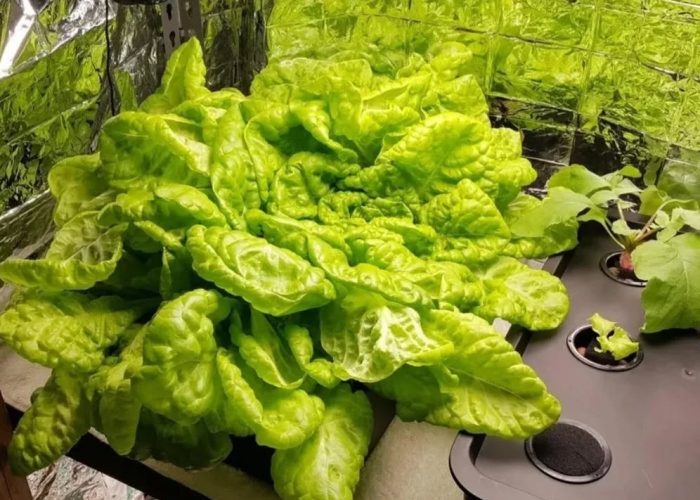
Hydroponic vegetables are edible crops grown without soil in a controlled root environment supplied with water, dissolved nutrients, and oxygen. In place of garden soil, the grower uses a hydroponic system to manage plant nutrition directly. This allows closer control over feeding, root-zone conditions, and crop consistency, which is why hydroponics is widely used for leafy greens, herbs, and fruiting vegetables in compact home setups.

A home hydroponics vegetable garden can range from a small lettuce or herb system on a patio to a larger setup producing tomatoes, cucumbers, capsicums, and other crops under more controlled conditions. The main advantage is precision. Water, nutrient strength, pH, and root health can all be managed more directly than in a conventional soil bed.

Key facts
Common crops Lettuce, herbs, spinach, tomatoes, cucumbers, capsicums
Best beginner crops Leafy greens and herbs
Typical pH range 5.5 to 6.5
Recommended nutrient CompleteGrow Hydroponic Nutrients A & B

What vegetables grow well in hydroponics?

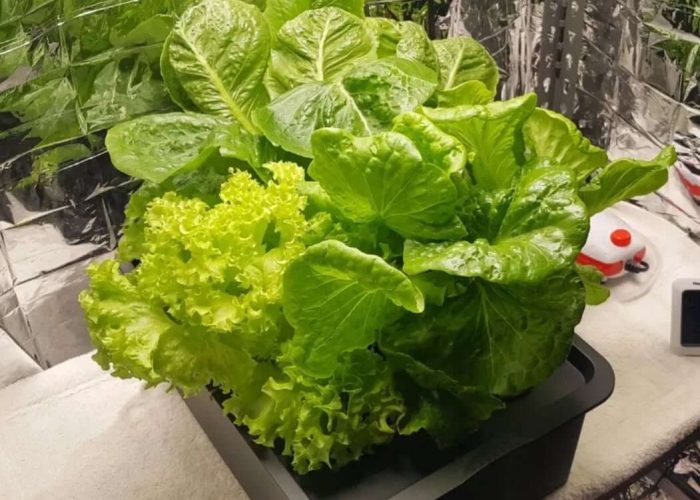
The vegetables most commonly grown in hydroponics are those that respond well to regular feeding and stable moisture. Leafy greens and herbs are usually the easiest starting point because they establish quickly, crop heavily in small systems, and do not require major structural support. Fruiting vegetables such as tomatoes, cucumbers, chillies, and capsicums can also perform very well, although they usually need larger systems and more active management.

For most beginners, the simplest way to start is with a small, stable system growing fast-turnover crops, then expand into larger vegetables once the nutrient program and root-zone conditions are easy to manage.

653385941_18065277947320139_507668476568325042_n

How to grow hydroponic vegetables at home

The best way to start growing hydroponic vegetables at home is to match the system to the crop instead of trying to force every plant into one layout. Small leafy vegetables are usually easiest in low-volume, fast-turnover systems. Larger fruiting crops need more root room, stronger support, and more attention to pruning and feeding.

Simple home setup guide

1. Choose the crop

Start with lettuce, herbs, spinach or Asian greens if you are new to hydroponics.

2. Choose the system

Use Kratky, DWC or NFT for greens. Use drip or coco-based systems for larger fruiting vegetables.

3. Mix nutrients properly

Use a dedicated hydro nutrient, keep the reservoir clean, and avoid broad-use fertilisers not designed for water-based systems.

4. Monitor pH and EC

Keep pH stable and adjust feed strength by crop type rather than treating every vegetable the same way.

Choosing the right hydroponic system for vegetables

If you want to learn how to grow hydroponic vegetables successfully, system choice matters almost as much as nutrient choice. Deep Water Culture and Kratky systems are popular because they are simple, compact, and effective for herbs and leafy greens. NFT systems are also widely used for greens because they keep roots supplied with water and oxygen in narrow channels while making harvesting easy.

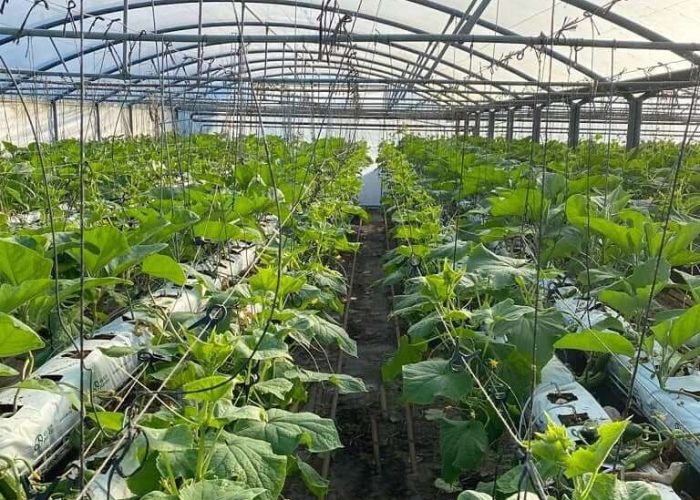
Fruiting vegetables such as tomatoes, cucumbers, capsicums, and chillies usually do better in drip systems, Dutch buckets, or coco-based hydro setups where the plants have more anchorage and root volume. These crops can become heavy, thirsty, and demanding as they mature, so they are better suited to a system built for larger growth rather than a light salad setup.

For growers asking how to set up hydroponics system for vegetables, the simplest answer is this: choose a crop that matches the system, give it stable light and airflow, use a proper nutrient line, and do not overcomplicate the first build. A small, well-managed system is much more productive than a large, unstable one.

Best match for leafy greens and herbs: Kratky, DWC, NFT

Best match for fruiting vegetables: drip-fed media, Dutch bucket, coco systems

Best match for root vegetables: deeper media-based systems, not shallow channels

Hydroponic fertilizer for vegetables

A strong hydroponic fertilizer for vegetables must stay clean in solution, supply the full macro and micro nutrient profile, and remain stable across different crop stages. That is why a purpose-made hydroponic nutrient is a better fit than general soluble fertilisers that are not designed for reservoir-based feeding.

CompleteGrowโ€™s Hydroponic Nutrients Fertilizer โ€“ Two-Part Formula (A & B) is well suited to leafy vegetables, herbs, and fruiting crops because it is made for hydro systems, clean mixing, and consistent uptake. That makes it a strong base for growers learning how to grow vegetables using hydroponics in a more controlled and dependable way.

619248890_18010393013667316_4929296905579737201_n (1)
652749483_18076706714130594_3563227595373543799_n

Best hydroponic nutrients for strawberries, feeding strategy, and FAQ

The best hydroponic nutrients for strawberries are the ones that keep the crop stable across the full growth cycle. Young plants need a clean start with active root growth and steady crown establishment. As the crop matures, the nutrient solution needs to keep supporting leaf function while also helping flowers hold and fruit develop properly. Good nutrient programs are consistent and deliberate. They do not swing wildly between weak feeding and overfeeding. They aim for crop balance.

Early stage

Keep feeding clean and controlled so roots establish well and crowns stay healthy without stress.

Flowering stage

Support steady plant energy and nutrient balance so flowers hold and the crop stays productive.

Fruiting stage

Berry quality depends on stable feeding, balanced potassium and calcium support, and a healthy root zone.

Recommended product for strawberry hydroponics

CompleteGrowโ€™s
Hydroponic Nutrients Fertilizer โ€“ Two-Part Formula (A & B)
is a strong option for growers who want a dedicated hydroponic nutrient solution for strawberries rather than a general-use feed. It is listed by CompleteGrow as a water-soluble A & B formula for hydroponic systems and described as suitable across hydroponic stages, with a high-potassium fruiting-oriented profile.

That makes it well suited to strawberry systems where clean nutrient delivery, full-cycle support, and fruiting performance matter more than simple foliage push.

FAQ: strawberry hydroponic nutrients

What are the best hydroponic nutrients for strawberries?

The best nutrients are complete hydroponic formulas that provide balanced macro and micro elements, stay clean in solution, and support both vegetative growth and fruiting performance.

What pH is best for a hydroponic strawberry nutrient solution?

Most growers keep the nutrient solution slightly acidic so nutrient availability stays stable and the root zone remains easier to manage.

Are strawberries sensitive to strong nutrient solutions?

Yes. Strawberries are often treated as relatively salt-sensitive, so moderate and consistent feeding is usually better than pushing very high EC.

Can I use normal fertiliser instead of hydroponic nutrients for strawberries?

A dedicated hydroponic nutrient is usually the better option because it is designed for water-based delivery and full nutrient balance inside a hydro system.

What is a good nutrient formula for hydroponic strawberries?

A complete two-part formula with macro nutrients, calcium, magnesium, and trace elements is generally a strong fit for strawberry hydroponics.

Recommended Products

Sale!

Hydroponic Nutrients Fertilizer โ€“ Two-Part Formula (A & B)

Price range: $31.50 through $370.00
The Grow Blog: News, Tips, & Stories

Cart (0 items)

No products in the cart.