Free Shipping Over $70

Free Shipping Limited Time

hydroponic herb

Transform Your Garden into a Personal Paradise!

Add Your Heading Text Here

Hydroponic Herb Garden: How to Grow Herbs Hydroponically at Home

Recommended fertiliser for a hydroponic herb garden: CompleteGrow Hydroponic Nutrients Fertilizer โ€“ Two-Part Formula (A & B)

  • Two-part hydroponic nutrient for clean mixing and dependable solution feeding
  • 100% water-soluble for hydroponic reservoirs, countertop systems, DWC, NFT, drip and coco setups
  • NPK 25-6-40 with calcium, magnesium, sulphur and trace elements
  • Hydro rate: 3 mL Part A + 3 mL Part B per 1 L of water
  • Suitable for herbs and leafy crops where clean growth and stable feeding matter

Hydroponic herbs are herbs grown without soil in a controlled root environment supplied with water, dissolved nutrients, oxygen, and structural support. Instead of drawing nutrition from garden soil, the plants receive everything they need through a nutrient solution managed by the grower. This makes hydroponics especially useful for herbs because many culinary herbs grow quickly, have relatively modest root systems, and respond well to steady feeding and regular harvesting.

A hydroponic herb garden can be as simple as a small indoor countertop unit growing basil and parsley, or as productive as a larger indoor hydroponic herb garden producing basil, mint, coriander, dill, chives, oregano, thyme and more under grow lights. The biggest advantages are cleaner growth, easier harvesting, better control over watering and nutrients, and the ability to grow fresh herbs year-round even when outdoor conditions are poor.

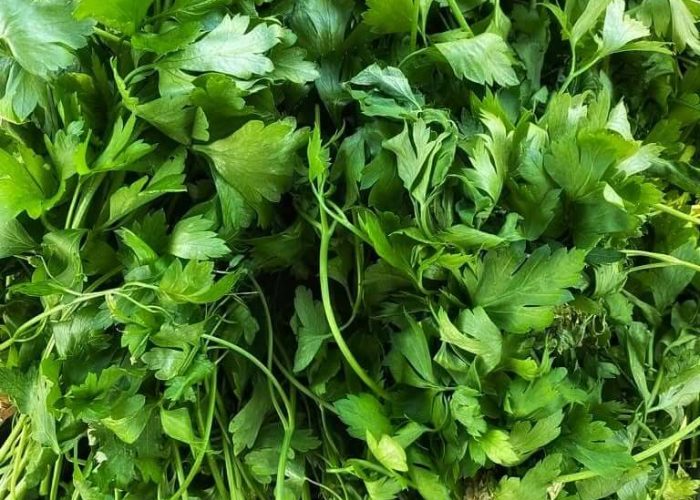
632740788_18445491943104950_7967301314675976549_n

Best herbs for hydroponics

The best herbs to grow hydroponically are the ones that grow quickly, respond well to regular cutting, and do not need deep woody root systems to stay productive. For most home growers, the easiest starting herbs are basil, mint, parsley, coriander, dill and chives. These herbs establish relatively fast, recover well after harvest, and suit compact indoor systems better than larger woody plants.

Mediterranean herbs such as thyme, oregano and rosemary can also be grown hydroponically, but they are usually slightly less forgiving than basil or mint. They prefer stronger airflow, less humidity around the foliage, and a more restrained watering rhythm than soft leafy herbs. That does not make them unsuitable. It just means beginners often get cleaner results by starting with softer herbs first.

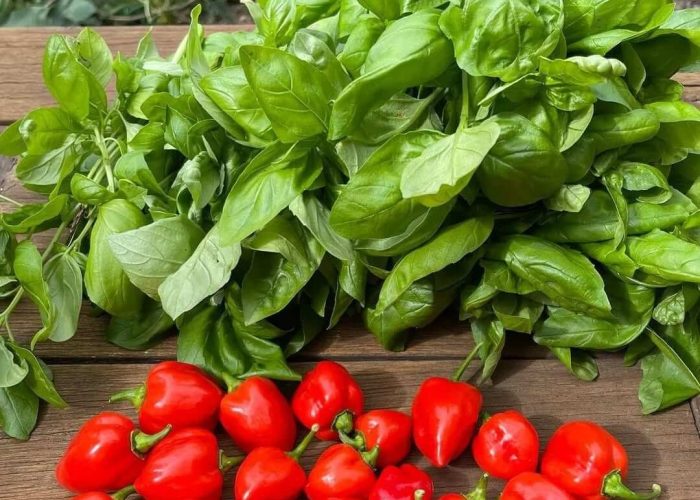
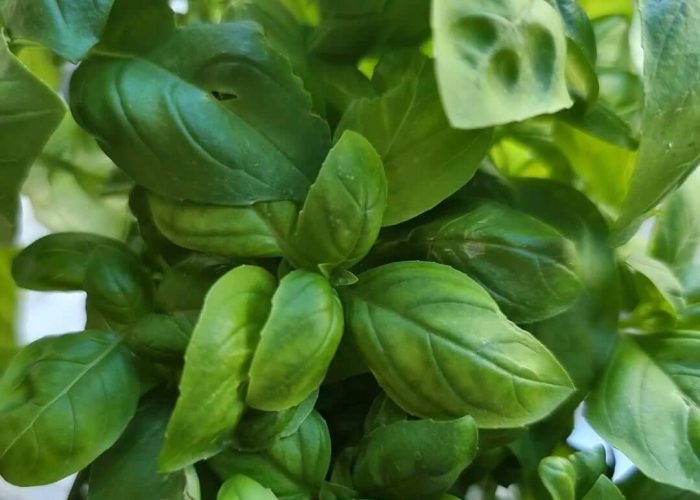
Basil

Growth habit: Fast, leafy, productive and ideal for frequent harvests.

Best use: One of the best herbs for hydroponics and one of the easiest to grow well indoors under lights.

Key tip: Pinch regularly above leaf nodes to keep plants bushy and delay flowering.

Mint

Growth habit: Vigorous, spreading and very productive once established.

Best use: Strong option for a countertop hydroponic herb garden because it recovers quickly after cutting.

Key tip: Harvest often and keep roots contained, as mint can dominate mixed systems if left unchecked.

Parsley

Growth habit: Slower to establish than basil but steady and productive once mature.

Best use: Reliable in indoor hydroponic herb garden setups where regular leaf cutting is preferred over heavy one-time harvests.

Key tip: Remove outer stems first and let the centre continue growing.

Coriander / Cilantro

Growth habit: Quick-growing but sensitive to heat and stress.

Best use: Strong choice for cooler indoor or shoulder-season growing.

Key tip: Keep temperatures moderate and harvest early to reduce bolting.

Chives

Growth habit: Clumping, upright and easy to trim repeatedly.

Best use: Compact herb for indoor hydro systems and mixed herb gardens.

Key tip: Cut leaves low but leave a small base so the plant can regrow strongly.

Dill

Growth habit: Fine-leaved, airy and quick to crop.

Best use: Excellent for growers wanting quick fresh harvests in simple systems.

Key tip: Give dill enough vertical clearance and harvest before flowering reduces leaf quality.

Harder but still possible hydroponic herbs

Oregano: Can be grown hydroponically, but usually prefers stronger light and a drier-feeling canopy than basil or mint.

Thyme: Suits hydroponics when airflow is good and plants are not overwatered or crowded.

Rosemary: Usually slower and more demanding indoors, but possible in well-managed hydro systems with strong light, airflow and careful root-zone control.

For most beginners asking what herbs can you grow hydroponically, the most practical answer is to begin with basil, mint, parsley, coriander, dill and chives, then expand into woody herbs once the system is already stable and easy to manage.

625377429_18303965404257502_3140248069115055504_n

How to set up a hydroponic herb garden

A good indoor hydroponic herb garden does not need to be large. It needs to be stable. Most herbs perform best in systems that keep roots moist and oxygenated without leaving foliage cramped or crowns constantly wet. For home growers, the easiest options are usually countertop systems, small DWC systems, NFT channels, Kratky jars for simple herbs, or drip-fed media systems for larger mixed herb setups.

Although people sometimes refer to โ€œsoilโ€ when planning an herb garden, hydroponics replaces soil with a root support medium. Common choices include rockwool, coco coir, perlite blends, and clay pebbles. These materials do not feed the plant the way soil does. Their job is to anchor roots, hold some moisture, and allow air around the root zone. For herbs, this matters because root health is one of the biggest drivers of flavour, regrowth and overall plant vigour.

Best setup options for hydroponic herbs

Countertop hydroponic herb garden

Best for basil, mint, parsley, chives and small mixed herb plantings in a kitchen or indoor growing area.

NFT system

Excellent for fast leafy herbs where roots benefit from a thin, oxygen-rich nutrient flow.

DWC

Works well when aeration is strong and plants are spaced well enough to avoid crowding.

DIY hydroponic herb garden

Simple jars, tubs or small bucket systems can work well for herbs if nutrient, light and cleanliness are managed carefully.

Nutrients, pH, water and root-zone care

The nutrient solution is the real engine of a hydroponic herb garden. Herbs generally prefer a steady, moderate feed rather than a heavy one. Very strong nutrient solutions can create unnecessary stress, soft growth or a decline in flavour quality, especially in tender herbs. Most hydroponic herb systems are kept in a slightly acidic range, and herbs often do best when EC is kept moderate rather than pushed aggressively.

Water quality matters as much as fertiliser choice. A clean reservoir, regular top-ups, and stable pH are all important. If the reservoir becomes stale, too warm, or overloaded with salts, herbs often show it quickly through pale leaves, slow regrowth, poor aroma, or weak root health. Keep the solution fresh, keep the pump and system clean, and do not let dead roots or plant debris sit in the tank.

Seedlings also need gentler feeding than mature plants. In practical terms, that means easing young herbs into the nutrient program rather than treating them like fully grown basil or mint from day one. Stable early growth nearly always produces better long-term herb plants than pushing them too hard at the start.

624652842_18093500614972605_4100779351996315649_n

Common problems and FAQ

Most hydroponic herb problems come back to a few repeat issues: weak light, over-strong feeding, stale reservoirs, poor airflow, overcrowding, or harvesting that weakens the plant instead of shaping it. Herbs are generally easier than fruiting crops, but they still perform best when the system is clean and the environment is consistent.

Signs something is off
  • Leggy growth usually points to weak light
  • Yellowing or slow growth can point to nutrient imbalance or pH drift
  • Soft, weak herbs can come from overfeeding or poor airflow
  • Poor aroma and weak flavour often come from low light and overly soft growth
  • Dark, unhealthy roots usually point to poor reservoir hygiene or low oxygen in the root zone
FAQ

Can you grow herbs hydroponically?

Yes. Many culinary herbs are excellent hydroponic crops, especially basil, mint, parsley, coriander, chives and dill.

What are the best herbs for hydroponics?

The easiest and most productive starting herbs are usually basil, mint, parsley, coriander, chives and dill.

What is the best indoor hydroponic herb garden setup?

For most home growers, the best setup is a small stable system with strong light, clean nutrient solution, good airflow, and herbs that match the size of the unit.

Do hydroponic herbs need soil?

No. Hydroponic herbs do not use soil. They use water, nutrient solution, oxygen and a root support medium such as rockwool, coco or clay pebbles.

How often should hydroponic herbs be harvested?

Most herbs respond best to frequent light harvesting rather than infrequent heavy cutting. Regular trimming usually improves branching and keeps the plants productive.

What nutrient should I use for hydroponic herbs?

A dedicated hydroponic nutrient is usually the best option because it is designed for clean mixing, stable solution feeding and more reliable nutrient delivery. CompleteGrow Hydroponic Nutrients A & B is a strong fit for hydroponic herbs.

Recommended Products

Sale!

Hydroponic Nutrients Fertilizer โ€“ Two-Part Formula (A & B)

Price range: $31.50 through $370.00
The Grow Blog: News, Tips, & Stories

Cart (0 items)

No products in the cart.