Free Shipping Limited Time

Reviews

5.0 Based on 8 reviews
Anna P.

Good citrus fertiliser

"Easy to use and trees are looking much better overall. Will keep using this."

Page 1 of 8

🍋NEW🍋‍🟩 Citrus Fertiliser – Lemon, Lime & Orange Tree – NPK 6-2-12 + Trace Elements

Price range: $34.00 through $249.00

Designed specifically for citrus trees — supports greener leaves, stronger flowering, and better fruit set in lemons, limes, oranges & mandarins.

Potassium-rich citrus nutrition for flowering & fruit development

NPK 6-2-12 citrus ratio to promote flowering, fruit set and stronger fruit development.
✅ Includes essential trace elements (EDTA-chelated iron, zinc, manganese + boron & copper) for reliable uptake.
✅ Ideal for potted and in-ground citrus — lemon (Eureka, Lisbon, Meyer), Tahitian lime, navel orange, mandarin and grapefruit.

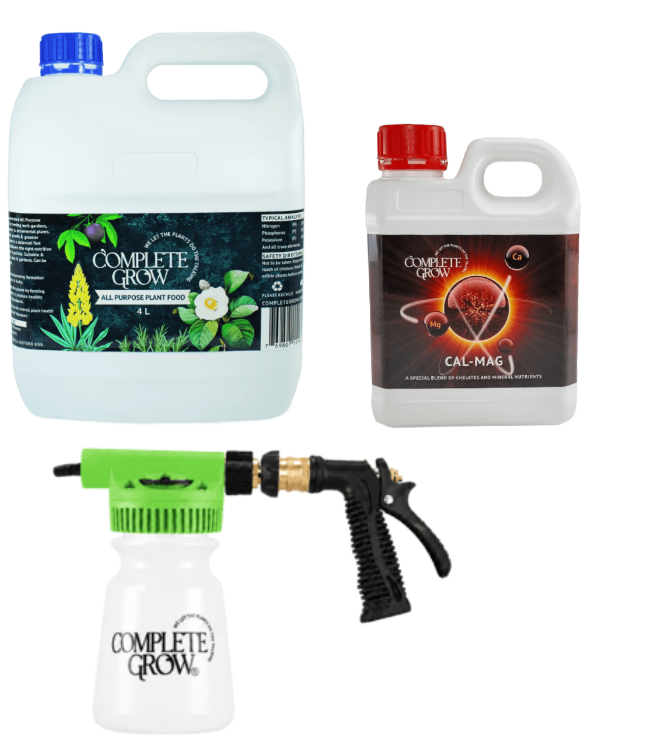
CompleteGrow 1L fertiliser sprayer
Recommended add-on Save $5.10

1L Fertiliser Sprayer

Made for CompleteGrow nutrients. Make citrus feeding quicker, cleaner and easier across soil and foliage.

Guided mixing Copper hose fitting
Please select a fertiliser amount first.
Bundle price
$45.00 $39.90

Australian Owned & Manufactured

Free Shipping
Limited Time

Boost Plant Growth

Citrus Plant Fertiliser – NPK 6-2-12 + Trace Elements (For Lemon, Lime, Orange & Mandarin Trees)

A citrus-specific, potassium-rich fertiliser formulated to support strong flowering, better fruit set, and healthier citrus growth. The 6-2-12 ratio is intentionally weighted toward potassium (K) to suit citrus fruit trees during bloom and fruit development, while providing steady nitrogen for leaf flush and enough phosphorus to support roots without overloading the soil.

Suitable for common citrus varieties including:

  • Lemon trees (Eureka, Lisbon, Meyer)
  • Lime trees (Tahitian/Persian, Key lime)
  • Orange trees (Navel, Valencia, Blood orange)
  • Mandarins, grapefruit, kumquat, calamondin/calamansi and finger limes

Suitable for both in-ground and potted citrus. Apply to the soil around the root zone for best results and keep watering consistent during warmer months.

Directions for Use:

  • Shake well before use
  • Mix 4ml per litre of water
  • Apply once a week during the growing season
  • In other seasons, apply once every 4 weeks

Guaranteed Analysis (Typical % w/v):

Nutrient Percentage (%)
Total Nitrogen (N) 6%
Phosphate (P) 2%
Potassium (K) 12%
Magnesium (Mg) 0.87%
Sulphur (S) 0.67%

Trace Elements (Typical % w/v):

Element Percentage (%)
Iron* (Fe) 0.03%
Manganese* (Mn) 0.01%
Zinc* (Zn) 0.01%
Boron (B) 0.015%
Copper (Cu) 0.002%

* Chelating Agent: EDTA

Safety Directions:

  • Not to be taken. Keep out of reach of children.
  • May irritate skin and eyes.
  • Wash all edible plants before eating.

Reviews

5.0 Based on 8 reviews
Anna P.

Good citrus fertiliser

"Easy to use and trees are looking much better overall. Will keep using this."

Mark D. Verified Buyer

Citrus trees responding well

"Started using this on my citrus trees and they’ve picked up nicely. Leaves are greener and growth looks healthier."

Steve K. Verified Buyer

Healthy citrus growth

Trees look healthier overall and growth has improved steadily since using this fertiliser.

Page 1 of 3

Best For These Plants​

Lemons, limes, oranges, mandarins
For Better Flowering & Fruiting Development

How it Works

Mix 4ml per 1L of water
Feed Your Plants
Watch Them Thrive
Feed For Growth, Flowers & Fruit

Greener Leaves. More Blossoms. Better Fruit.

One purpose-built citrus formula for backyard favourites, potted trees and established fruiting citrus, supporting healthy growth, flowering and productive harvests.

Fresh lemons with citrus leaves

Lemons

Excellent for lemons needing strong foliage, flowering and fruiting support.

Eureka Meyer Lisbon
Fresh limes with citrus leaves

Limes

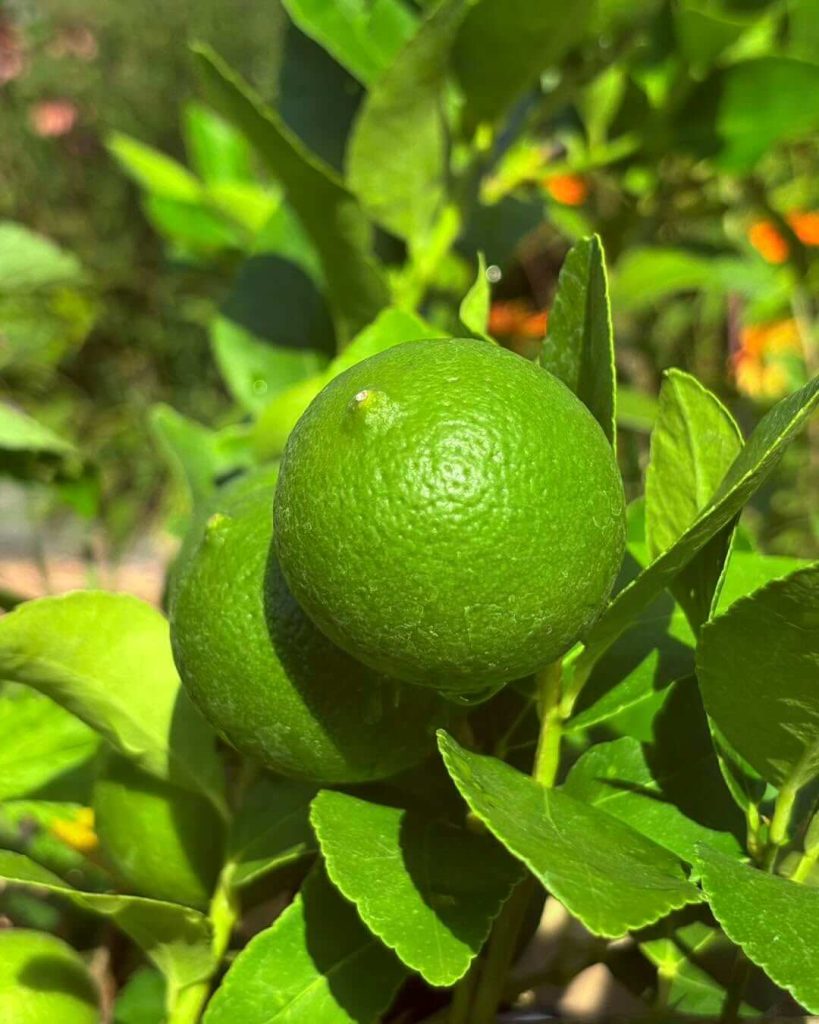
Great for active growth, blossom support and seasonal fruit development.

Tahitian Kaffir Finger Lime
Fresh oranges with citrus leaves

Oranges

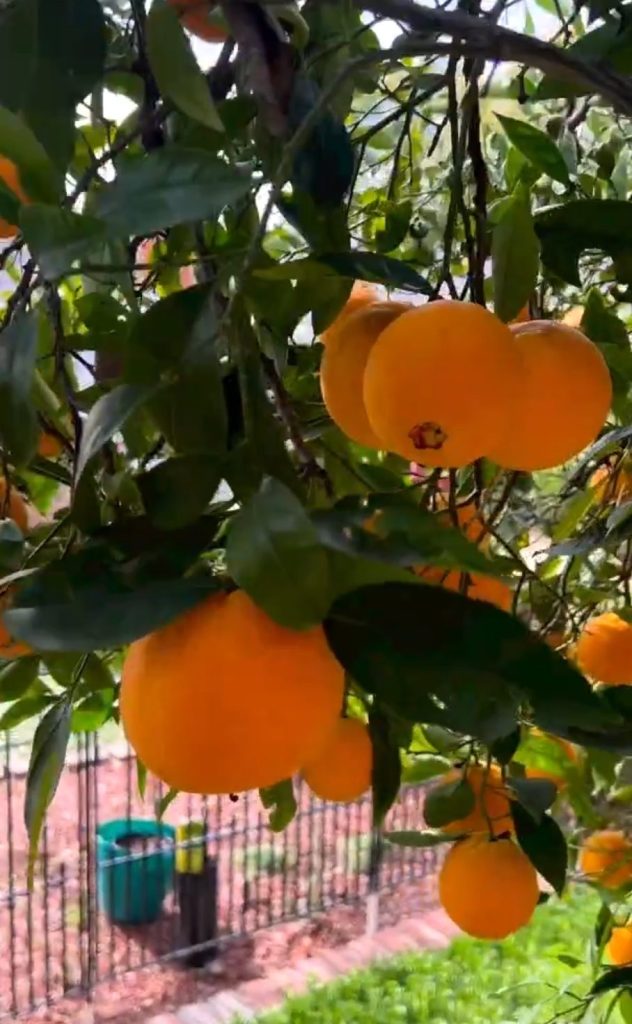
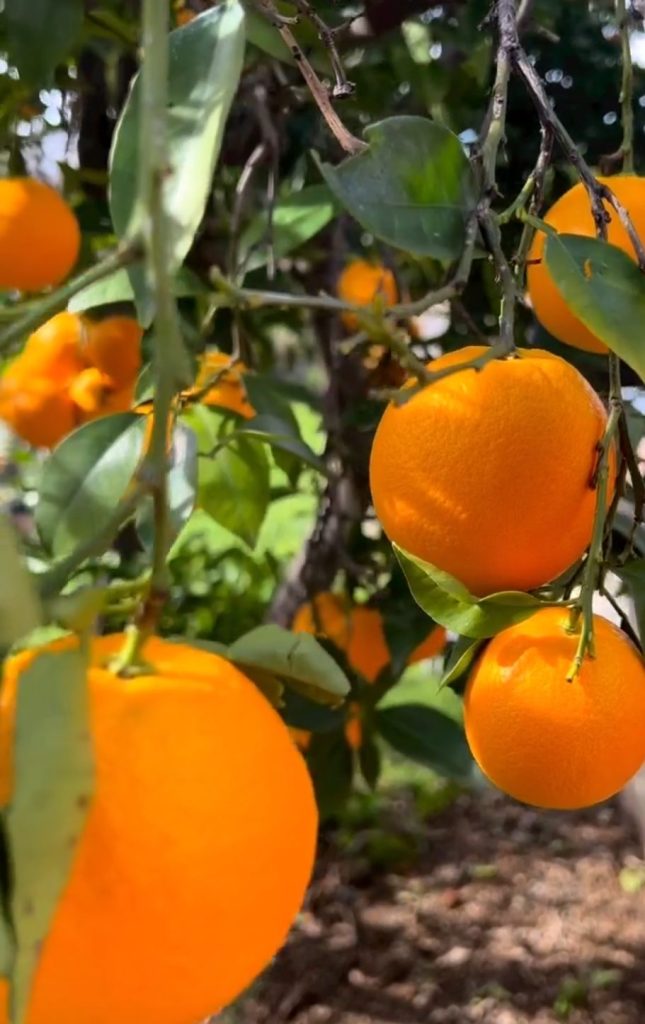
Supports greener foliage, productive flowering and healthy orange development.

Navel Valencia Blood Orange
Fresh mandarins with citrus leaves

Mandarins

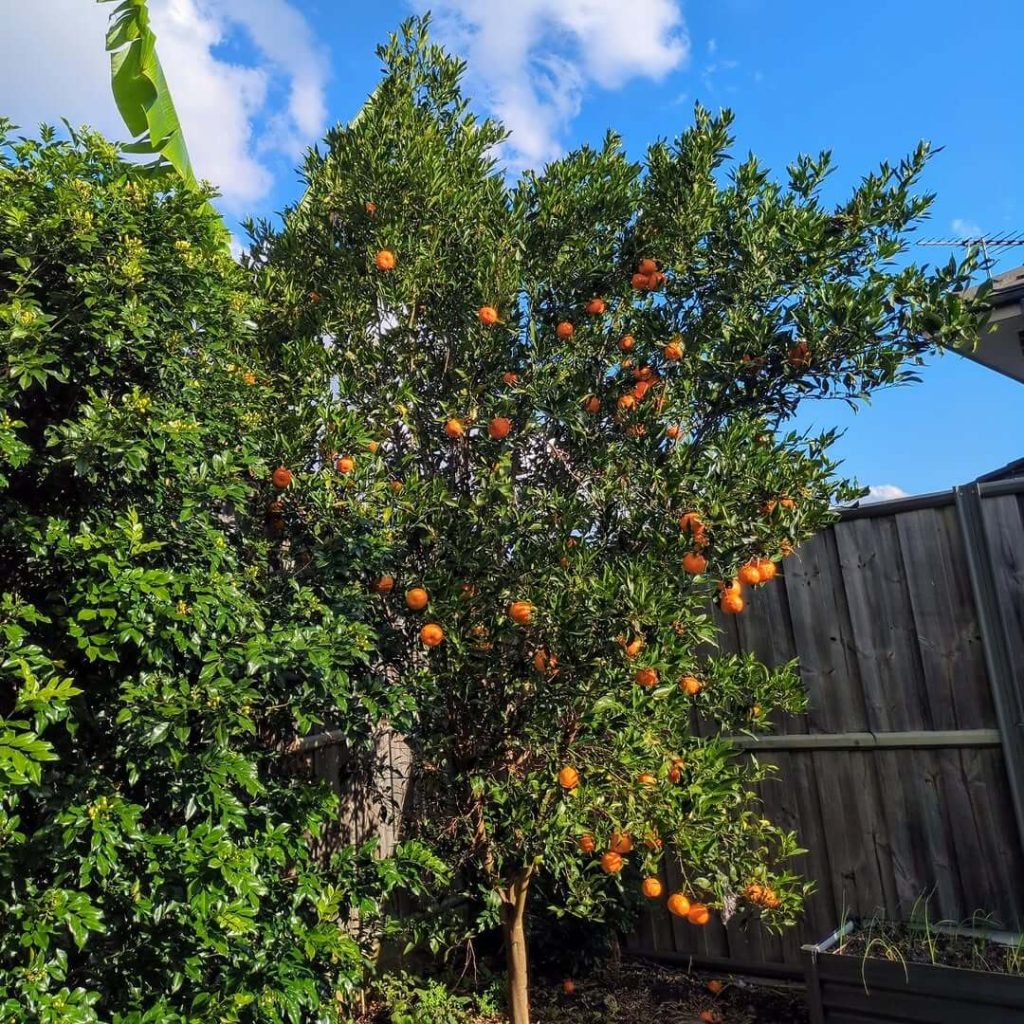
Ideal through active growth, flowering, fruit set and developing crops.

Imperial Emperor Murcott
Fresh grapefruit with citrus leaves

Grapefruits

Supports tree vigour, fruit development and consistent seasonal nutrition.

Ruby Red Marsh
Fresh kumquats with citrus leaves

Kumquats

A great fit for compact citrus trees, pots and productive backyard growing.

Nagami Meiwa
See More Citrus Trees, Varieties & Feeding Situations Hide Additional Citrus Trees & Varieties
Complete Citrus Compatibility

More citrus trees. More growing situations.

Explore additional citrus varieties, tree types and growing setups suited to regular citrus feeding.

Lemon Trees & Varieties

Eureka Lemon Meyer Lemon Lisbon Lemon Villafranca Lemon Dwarf Lemon Trees Potted Lemon Trees Backyard Lemon Trees Established Lemon Trees Young Lemon Trees Heavy Fruiting Lemons Patio Lemon Trees Home Orchard Lemons

Lime Trees & Varieties

Tahitian Lime Kaffir Lime Finger Lime West Indian Lime Dwarf Lime Trees Potted Lime Trees Backyard Lime Trees Container Lime Trees Actively Fruiting Limes Young Lime Trees Decorative Citrus Pots Courtyard Lime Trees

Orange & Mandarin Trees

Navel Orange Valencia Orange Blood Orange Washington Navel Imperial Mandarin Emperor Mandarin Honey Murcott Dwarf Mandarin Trees Potted Orange Trees Backyard Mandarin Trees Sweet Orange Trees Home Orchard Mandarins

Other Citrus Types

Grapefruit Ruby Grapefruit Pomelo Cumquat Calamondin Yuzu Citron Multi-Grafted Citrus Trees Mixed Citrus Orchards Home Citrus Collections Rare Citrus Trees Specialty Citrus Varieties

Best Situations For Use

Active Citrus Growth Flowering Citrus Trees Fruit Set Support Seasonal Citrus Feeding Greener Citrus Foliage Routine Backyard Feeding Container Citrus Care Young Citrus Establishment Improving Tree Presentation Supporting Productive Citrus Trees Maintaining Healthy Orchard Colour Ongoing Home Citrus Care

Home Citrus Growing Setups

Backyard Citrus Trees Front Yard Citrus Potted Citrus Trees Patio Citrus Pots Dwarf Citrus In Containers Home Orchard Trees Mixed Fruit Tree Gardens Courtyard Citrus Trees Large Planter Citrus
Supports The Full Citrus Cycle

From Blossom to Fruit Set to Harvest.

Feed citrus through flowering, fruit set and fruit development for healthier trees and more rewarding harvests.
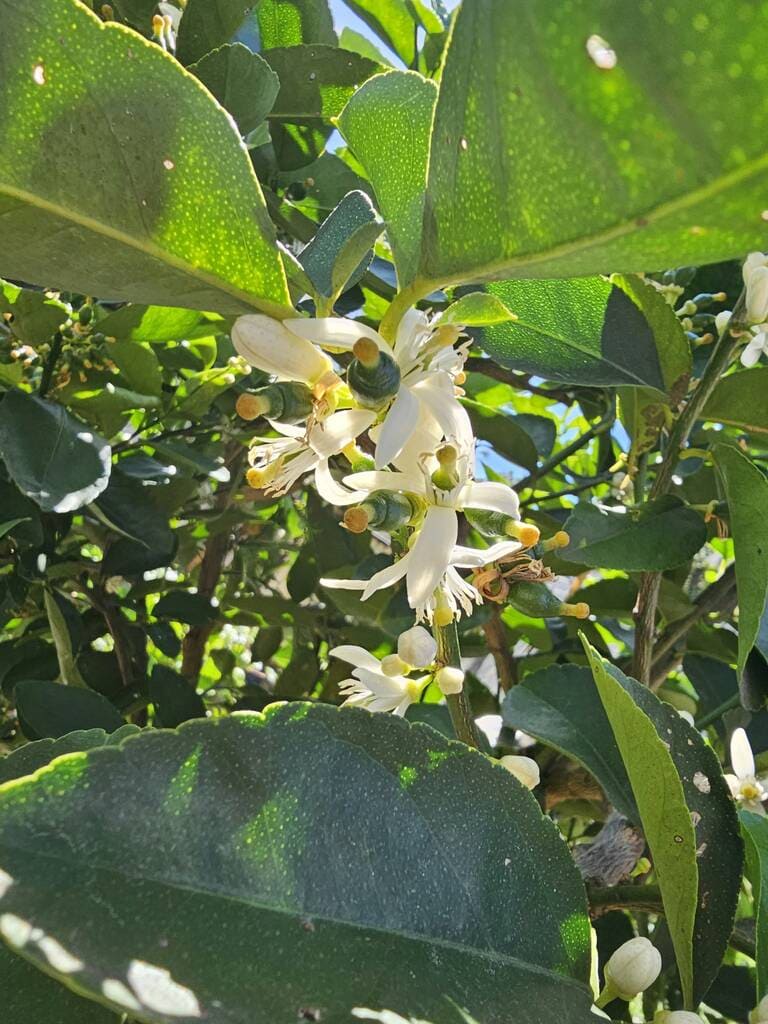
Citrus buds and blossoms

Bud & Blossom

Supports strong bud formation and abundant, healthy blooms.
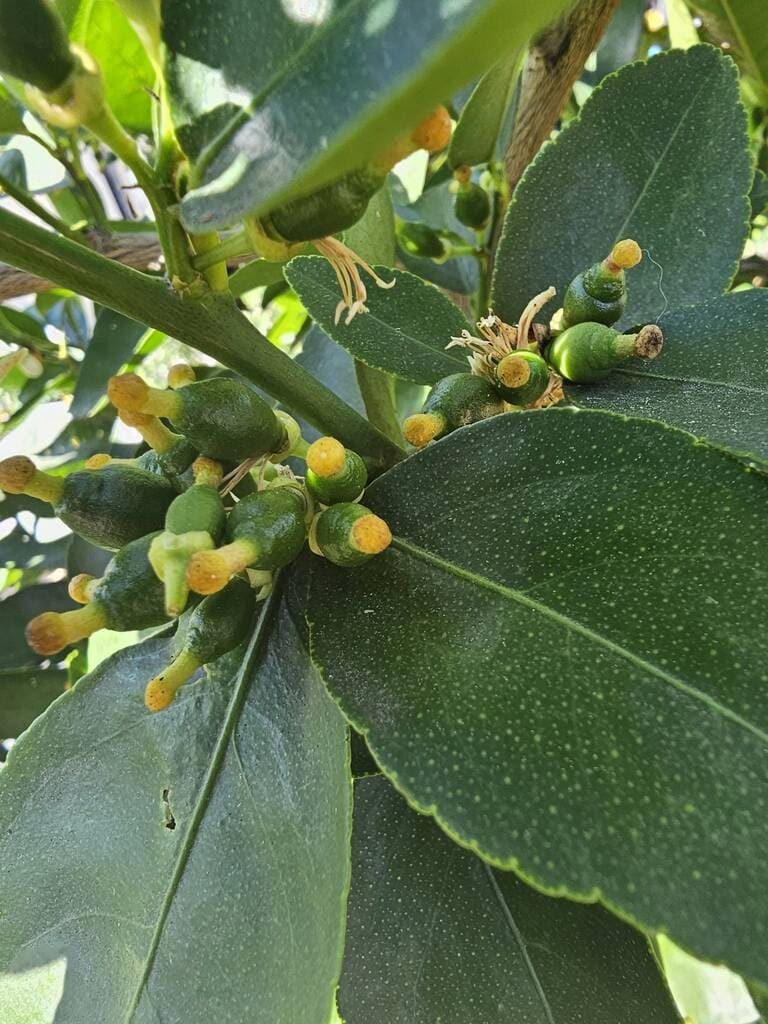
Young citrus fruit after fruit set

Fruit Set

Nourishes early fruit set and supports optimal retention.
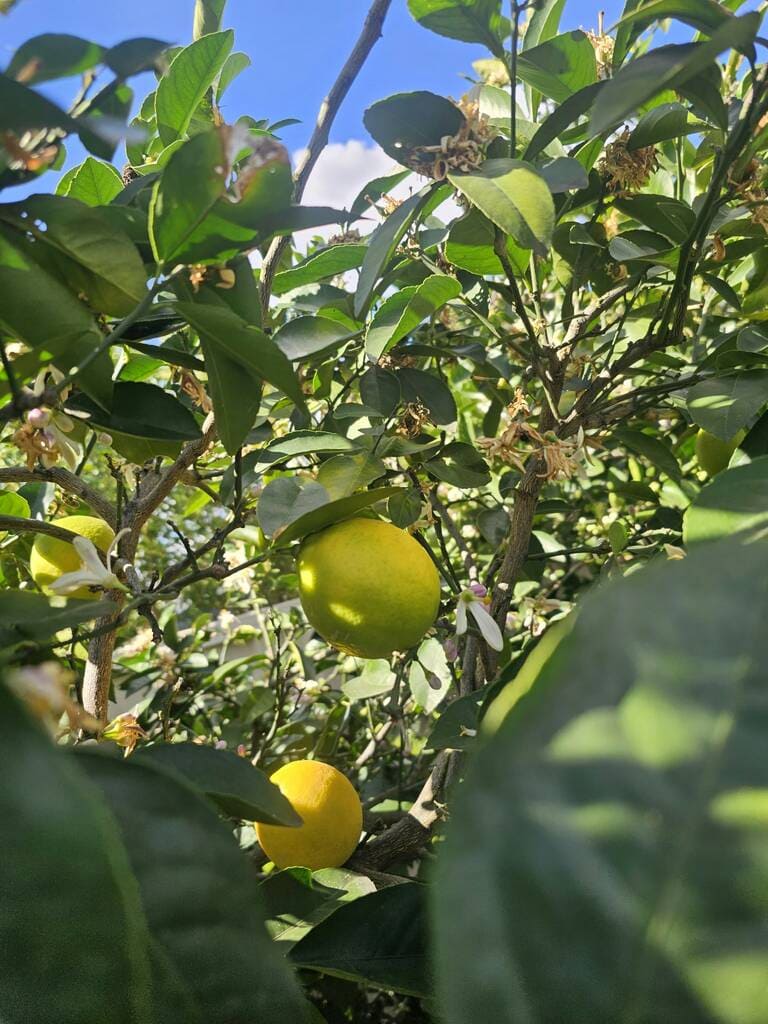
Developing green citrus fruit

Fruit Development

Feeds developing fruit for steady growth, quality and resilience.
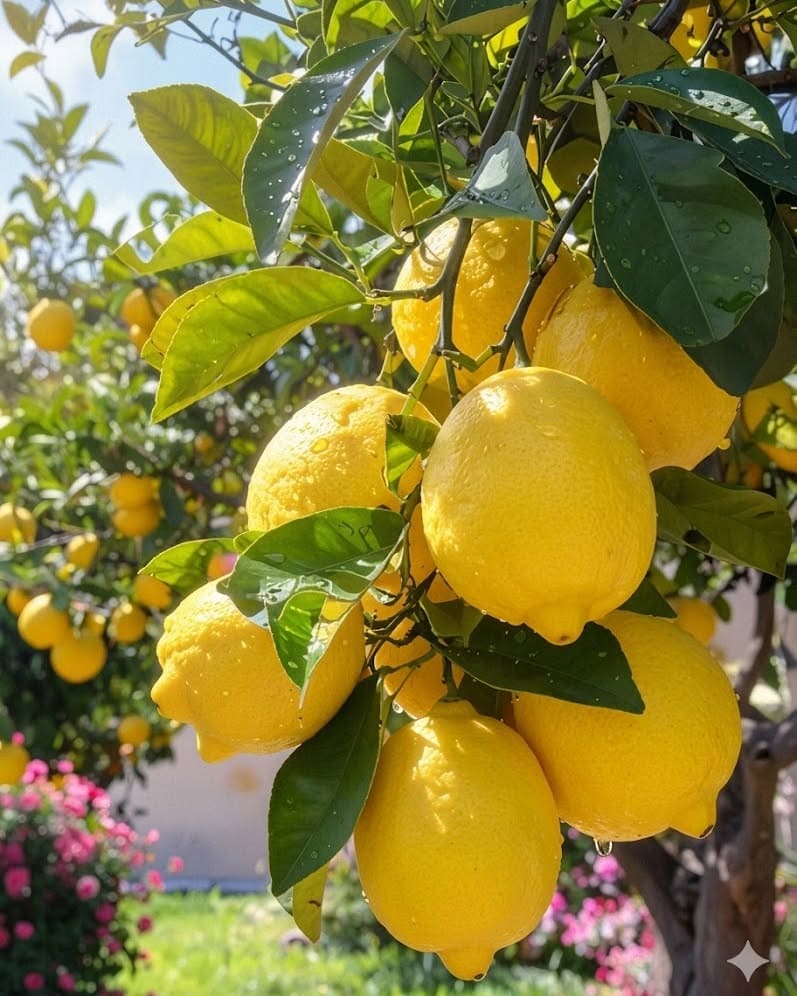
Mature citrus fruit ready for harvest

Mature Harvest

Supports full flavour, optimal yield and healthier, more productive trees.

How Much to Mix

Simple Feeding. Better Growth.

Measure, mix with water and feed your plants.

1

Measure

Standard 4 mL/L
Half strength 2 mL/L Foliar Feeding
CompleteGrow liquid fertiliser bottle icon
2

Mix

Water in or use our sprayer.

Make feeding even easier
Standard 4 mL/L Foliar 2 mL/L

Attach to your hose for fast, even feeding—no measuring cups.

Medium 350 mL + 650 mL water
CompleteGrow fertiliser sprayer icon
3

Thrive

Complete nutrition.
Visible results within 7 days.

Healthy thriving plants icon
Quick Mixing Calculator

How Much to Mix

Enter how much water you are using.

Litres

Standard 4 mL/L · Half strength 2 mL/L

Add this much Enter an amount

Your mixing amount will appear here.

Half strength Foliar feeding

Reviews From Our Gardener's

Reviews

5.0 Based on 8 reviews
Anna P.

Good citrus fertiliser

"Easy to use and trees are looking much better overall. Will keep using this."

Mark D. Verified Buyer

Citrus trees responding well

"Started using this on my citrus trees and they’ve picked up nicely. Leaves are greener and growth looks healthier."

Steve K. Verified Buyer

Healthy citrus growth

Trees look healthier overall and growth has improved steadily since using this fertiliser.

Page 1 of 3

Verified Buyer

Verified Buyer

Potted lemon tree grown using CompleteGrow citrus fertiliser

Used on my potted lemon, leaves went greener fast and flowering improved. Easy to mix.

Greener Leaves Improved Flowering Easy to Mix
Michael A ★★★★★ Verified Buyer

We’ve been using it as a citrus fertiliser for our oranges and mandarin. Steady healthy growth and noticeably better fruit set since starting weekly feeds.
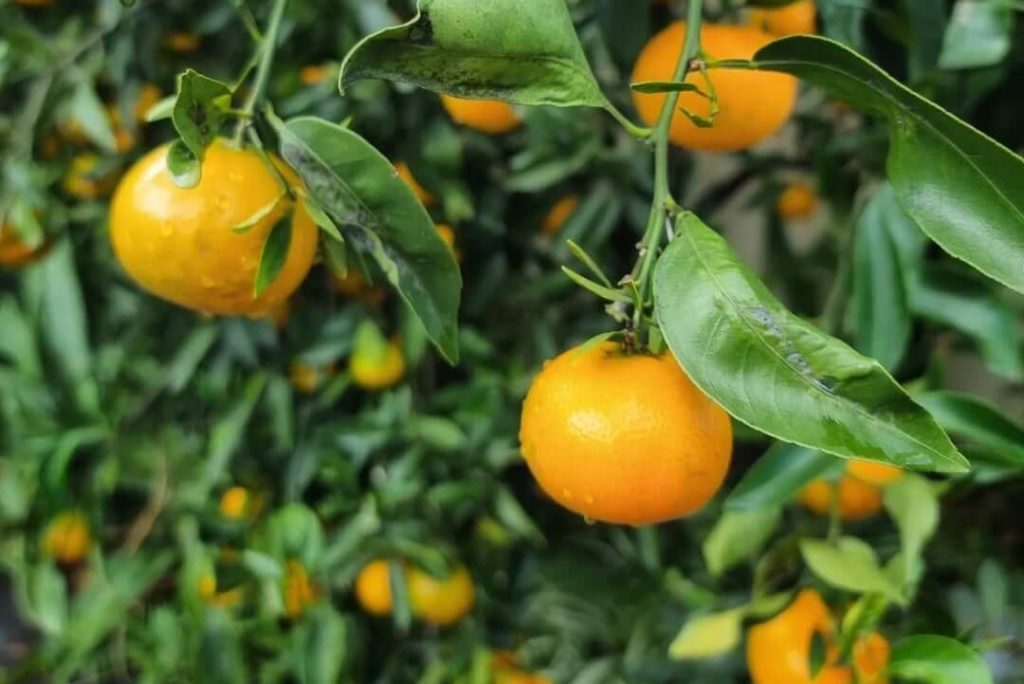
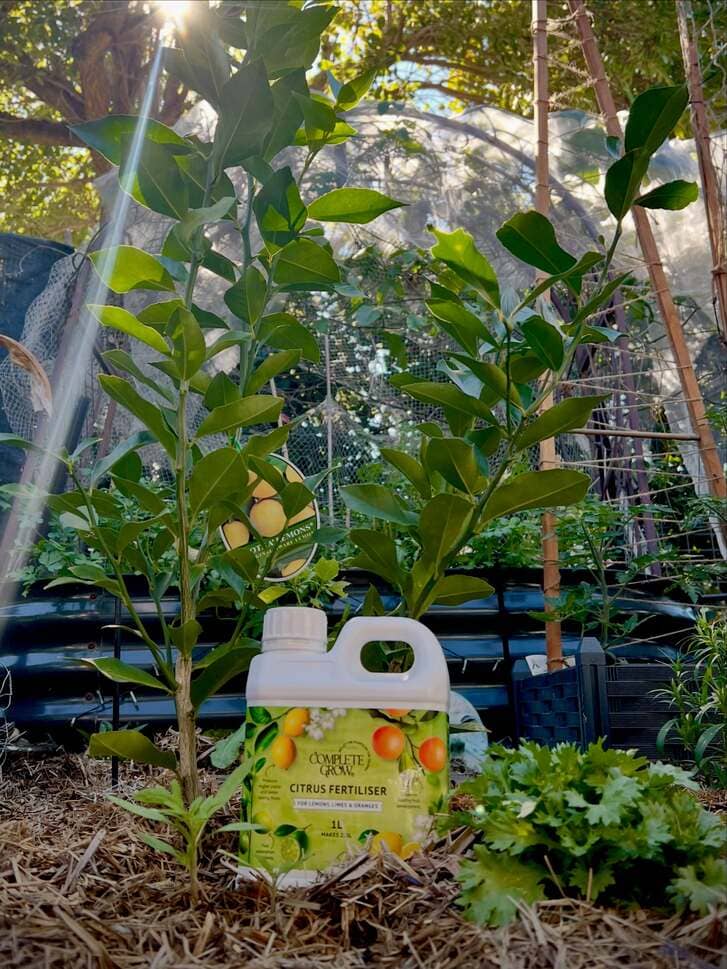
Healthy Growth Better Fruit Set Oranges & Mandarins
Anthony M ★★★★★ Verified Buyer
Healthy backyard citrus trees grown using CompleteGrow citrus fertiliser
Potted lemon tree grown using CompleteGrow citrus fertiliser

My lemon tree started looking healthier within a few feeds. The leaves became a deeper green and I noticed much better flowering. Really simple to mix and apply.

Healthier Leaves More Flowers High strength citrus npk
Samantha B ★★★★★ Verified Buyer
Common Citrus Stress Signs

Know the Signs Your Citrus Needs Support.

Changes in leaves, blossoms and fruit can signal that your citrus tree needs closer attention, balanced feeding or improved growing conditions.
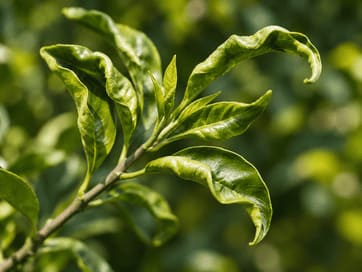
Curled and twisted citrus leaves

Curled Leaves

Curling or twisted foliage may signal nutrient, watering or environmental stress.

Read More Show Less

Curled citrus leaves can appear after heat stress, inconsistent watering, root stress, pest activity or nutritional imbalance.

Check new growth and the undersides of leaves, keep soil moisture reasonably consistent and feed according to the product directions where nutrition may be contributing.
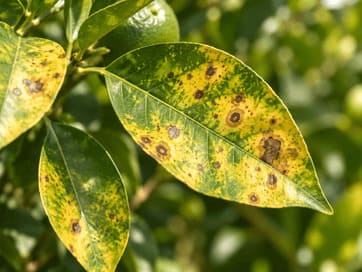
Spotted and mottled citrus leaves

Spotted Leaves

Spots, mottling or uneven colour can reflect nutrient, environmental, pest or disease stress.

Read More Show Less

Leaf spotting does not automatically mean the tree requires additional fertiliser. Similar symptoms can be caused by pests, disease, sun damage or environmental stress.

Check both sides of affected leaves and look for insects, spreading lesions or other changes before deciding how the tree should be treated.
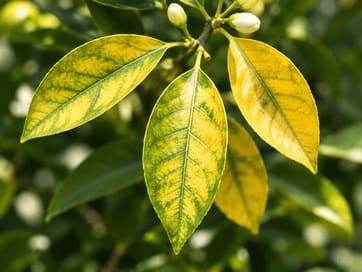
Yellowing citrus leaves

Yellowing Leaves

Pale or yellowing foliage can occur when nutrition or nutrient availability is out of balance.

Read More Show Less

Yellowing can occur when citrus has insufficient access to nutrients such as nitrogen, magnesium or iron, although the pattern and age of affected leaves are important.

Soil pH, drainage and root health can also influence nutrient availability even where nutrients are already present.
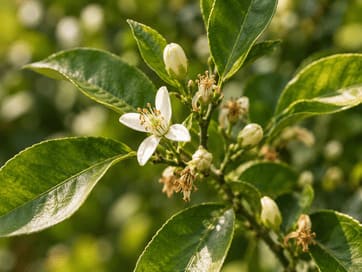
Sparse citrus flowering and spent blossoms

Poor Flowering

Sparse, weak or short-lived blossoms can be a sign that growing conditions are limiting flowering.

Read More Show Less

Flowering is influenced by sunlight, season, tree age, temperature, pruning, water availability and nutrition.

Strong leafy growth does not always mean strong flowering, which is why balanced citrus feeding is preferable to simply pushing vegetative growth.
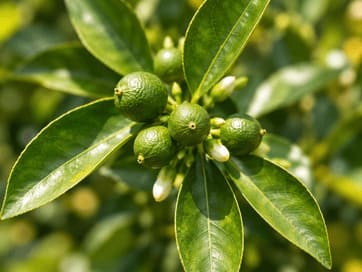
Small developing citrus fruit

Small Fruit & Fruit Drop

Undersized fruit or excessive premature fruit drop may signal nutritional, moisture or environmental stress.

Read More Show Less

Some fruit drop is a normal part of citrus development, as trees naturally shed fruit they cannot support.

Excessive fruit drop or consistently undersized fruit may be associated with moisture stress, heavy crop load, heat, root stress or insufficient nutrition during fruit development.
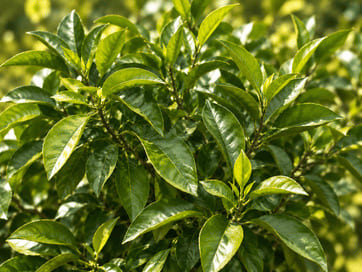
Dense citrus foliage with little fruit

Too Many Leaves, Few Fruits

Heavy foliage with poor fruit production can occur when vegetative growth outweighs reproductive growth.

Read More Show Less

Very vigorous leafy growth with limited flowering or fruiting can occur when a tree receives excessive nitrogen, insufficient sunlight or is still establishing.

Balanced citrus nutrition helps support foliage while also supplying nutrients needed through flowering, fruit set and fruit development.

Citrus symptoms are not always caused by nutrition alone. Watering, soil pH, pests, disease, temperature and other growing conditions can produce similar signs.

Citrus Plant Fertiliser 6-2-12 + Trace Elements | Lemon, Lime & Orange Tree Fertilizer (Australia)

Potassium-rich citrus fertiliser made for citrus fruit trees, including lemon, lime, orange and mandarin trees. The NPK 6-2-12 ratio is weighted toward potassium to support flowering, fruit set and fruit fill, while still providing steady nitrogen for healthy leaf flush and canopy growth. A dependable lemon tree fertiliser and citrus fruit tree fertilizer for backyard trees and pots, without pushing overly leafy growth.

Includes magnesium and sulphur for deeper green foliage, plus essential trace elements to support consistent nutrient uptake in both potting mix and garden soil. Suitable for potted and in-ground citrus including lemons, Tahitian limes, navel oranges, mandarins, grapefruit, kumquat, calamansi and finger limes.
Potassium-rich 6-2-12 formula with essential trace elements
✅ Designed for citrus trees: lemons, limes, oranges, mandarins & more
✅ Supports flowering, fruit set and stronger fruit development
✅ Helps maintain deep green leaves with added magnesium & sulphur
✅ Ideal for both potted and in-ground citrus trees
✅ Includes EDTA-chelated Iron, Zinc, Manganese, plus Boron & Copper

NPK Ratio

  • N
    6
  • P
    2
  • K
    12

What Citrus NPK 6-2-12 Means

A potassium-rich citrus fertiliser (often searched as citrus fertilizer, lemon plant fertilizer or lemon tree fertilizer) designed to support healthier growth, stronger flowering and better fruit development in citrus trees. 6-2-12 keeps nitrogen steady for leaf flush, phosphorus lower for balance, and potassium higher to support fruiting performance.

  • Fruiting support: Higher potassium (12) helps with flowering, fruit set and fruit fill.
  • Steady growth: Moderate nitrogen (6) supports healthy leaves without pushing overly leafy growth.
  • Micronutrient support: Magnesium + sulphur and chelated trace elements help maintain leaf colour and uptake.
Read More

The 6-2-12 ratio is set up for citrus feeding patterns: nitrogen supports canopy and new leaf flush, phosphorus supports roots, and higher potassium helps the tree perform when it’s flowering and carrying fruit. This is why a citrus plant fertilizer with extra potassium is commonly chosen over a general high-nitrogen fertiliser.

What citrus is it for? Suitable for lemon trees (Eureka, Lisbon, Meyer), lime trees (Tahitian/Persian, Key lime), orange trees (Navel, Valencia, Blood orange), mandarins, grapefruit, kumquat, calamondin/calamansi and finger limes. Works for both in-ground and potted citrus.

  • When to fertilise citrus trees: Feed most consistently during active growth and fruiting, then reduce frequency as growth slows.
  • How to apply: Apply to the soil around the root zone (avoid the trunk). Water first if soil is dry for more even uptake.
  • Potted citrus tip: Pots leach nutrients faster, so consistent feeding and watering usually gives the best results.

FAQ

A potassium-rich citrus fertiliser is usually best because citrus needs extra potassium for flowering, fruit set, and fruit fill. That’s why an NPK like 6-2-12 works well: enough nitrogen for healthy leaves, with higher potassium to support stronger fruiting and tree resilience. For best results, look for added magnesium + sulphur to keep foliage deep green, plus trace elements like iron, zinc and manganese for reliable nutrient uptake, especially in pots or higher pH soils.
In Australia, the best time to fertilise citrus trees is when they’re actively growing, which is typically spring through early autumn, but it depends on your climate zone. In warmer areas, citrus can put on growth for longer; in cooler areas, growth slows earlier and winter feeding can be reduced. The most practical way to time it is to watch the tree: when you see new flushes of leaves, buds forming, flowering starting, or fruitlets beginning to size up, that’s when the tree benefits most from regular feeding. If you’re asking “when to fertilize citrus trees,” the goal is to support the tree before and during flowering and then through fruit development, not just after it looks hungry. Overfeeding during cold months usually doesn’t help because nutrient uptake slows, and it can encourage tender growth that doesn’t handle cold as well. A simple seasonal approach is frequent feeding during the growing season, then spacing feeds out as temperatures drop.
Feed citrus weekly during the growing season for steady growth, flowering, and fruit development, then drop back to about once every 4 weeks outside the growing season as growth slows. Potted citrus usually needs more consistent feeding because nutrients leach faster. For young trees, keep it steady rather than heavy, and apply to moist soil around the root zone for more even uptake.
Yes, this type of citrus fertiliser is suitable for both potted and in-ground citrus and can be used across most common citrus varieties. It works well as a fertiliser for lemon trees, lime trees and orange trees, and also suits mandarins, grapefruit, pomelo, kumquat, calamondin/calamansi and finger limes. The reason it works across the citrus family is that their feeding needs are broadly similar: they want steady nutrition, good potassium support during fruiting, and access to trace elements that can become limited in certain soils or potting mixes. Potted citrus often shows nutrient issues sooner because the root zone is smaller and watering leaches nutrients faster, so trace elements and magnesium support can make a noticeable difference in leaf colour and growth quality. For best results, apply around the dripline/root zone (not against the trunk), keep watering consistent during hot weather, and stick to a routine rather than doing occasional heavy feeds. If your tree is flowering heavily or carrying a big crop, consistent feeding becomes even more important because fruit is a major nutrient sink.
Cart (0 items)

No products in the cart.