
Free Shipping Over $70

Free Shipping Limited Time Only

wisteria bloom

Transform Your Garden into a Personal Paradise!

When Does Wisteria Bloom?

In Australia, wisteria typically blooms from late winter through mid–spring, with exact timing shaped by climate and variety. Expect the first flush as bare stems wake up, followed by a shorter secondary flush if conditions are favourable.

Typical Bloom Windows by Region

RegionMain BloomNotes
Warm coastal (QLD/NT, N NSW, N WA)Late Aug – SepEarlier start; occasional lighter second flush in Oct.
Temperate (Sydney, Perth, Adelaide)Sep – early OctClassic “spring show” timing; best displays in full sun.
Cooler zones (Melbourne, Canberra, TAS)Late Sep – OctLater start; frosts can nip early buds—protect if needed.
Inland/highland areasOctShorter window; strong shows after warm, sunny springs.

Bloom length: Most wisterias flower for 2–6 weeks. Cold snaps, rain, or shade shorten the display; warm, sunny spells extend it.

Variety Differences

  • Chinese wisteria (W. sinensis): Often flowers earlier; classic long racemes, anticlockwise twining.
  • Japanese wisteria (W. floribunda): Sometimes later, with very long, elegant racemes; clockwise twining.
  • Grafted/advanced plants: Tend to bloom years sooner than seedlings.
490576791_18063760598506297_6854046542199825242_n (1)
491440835_691092680033418_1284715596743849656_n

What Controls Bloom Timing & How to Get the Best Display

  • Sunlight (biggest lever): Aim for 6+ hours of direct sun. Shade = leaves over flowers.
  • Temperature: Warm, settled springs accelerate bud opening; late frosts can singe tips—throw a light frost cloth on predicted cold nights.
  • Plant age: Seed-grown vines can take years to flower; grafted plants bloom earlier. Patience plus good cultural care pays off.
  • Pruning rhythm: Summer prune long whips back to 5–6 leaves after flowering; in winter, shorten those spurs to 2–3 buds. Flowers form on these spurs.
  • Water & soil: Keep soil moist but free-draining in spring. Heavy clay or waterlogging delays and weakens blooms; improve structure with compost and mulch.
  • Nutrition: Avoid heavy nitrogen ahead of bloom. If feeding, use a balanced, water-soluble fertiliser at light dilution in late winter and early spring to support bud set.

Bloom-Readiness Checklist (Late Winter → Early Spring)

  • Remove winter tangle and confirm spur structure from last summer’s pruning.
  • Ensure full-sun positioning; thin any overhead shade if practical.
  • Deep soak during dry spells; apply a 5–7 cm mulch ring (off the trunk) to stabilise moisture.
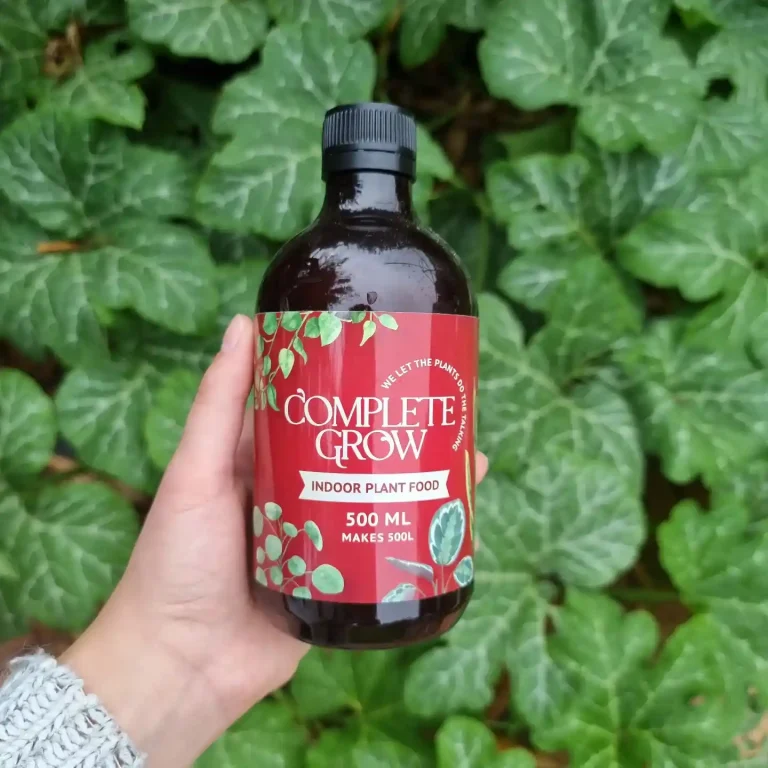
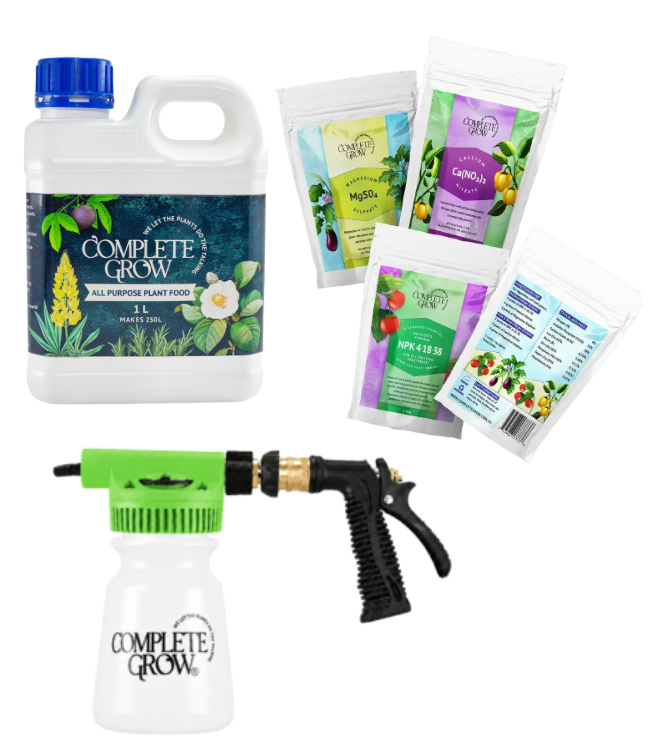
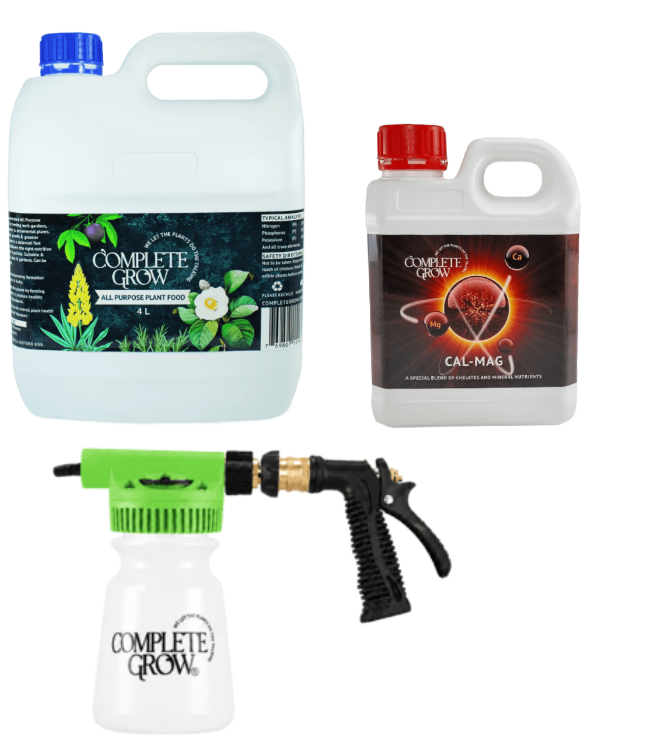
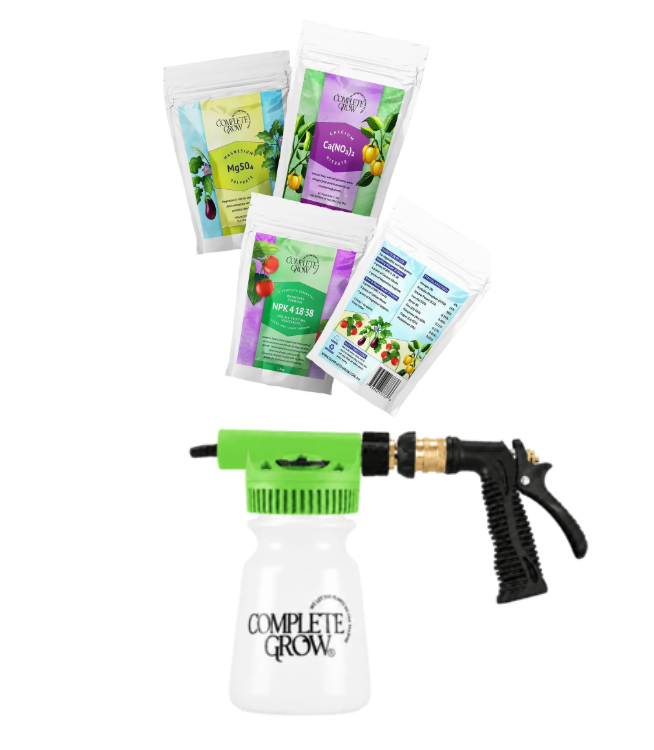
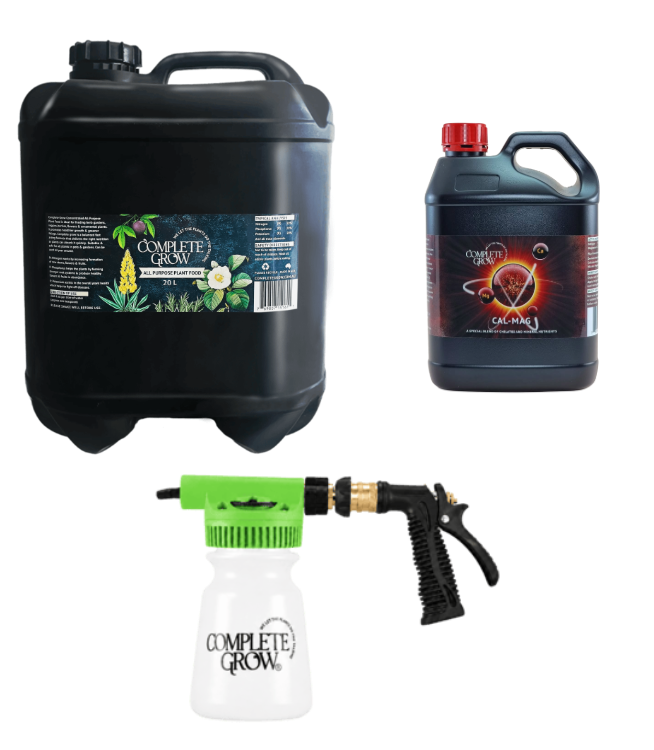
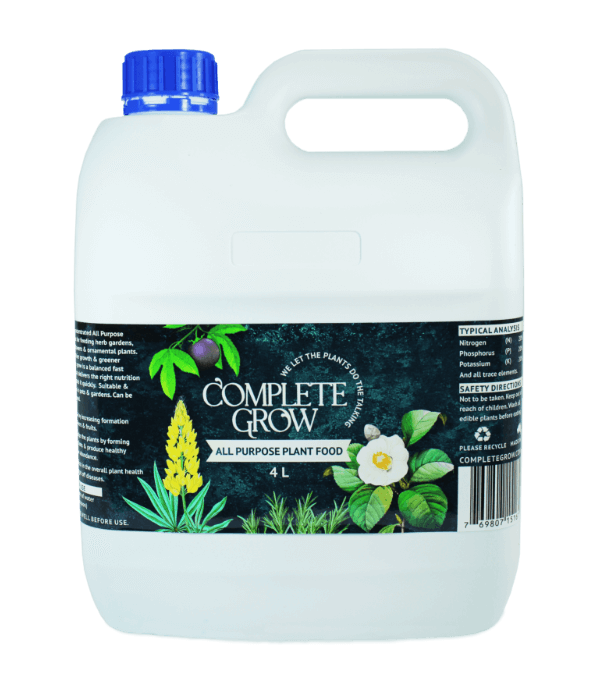
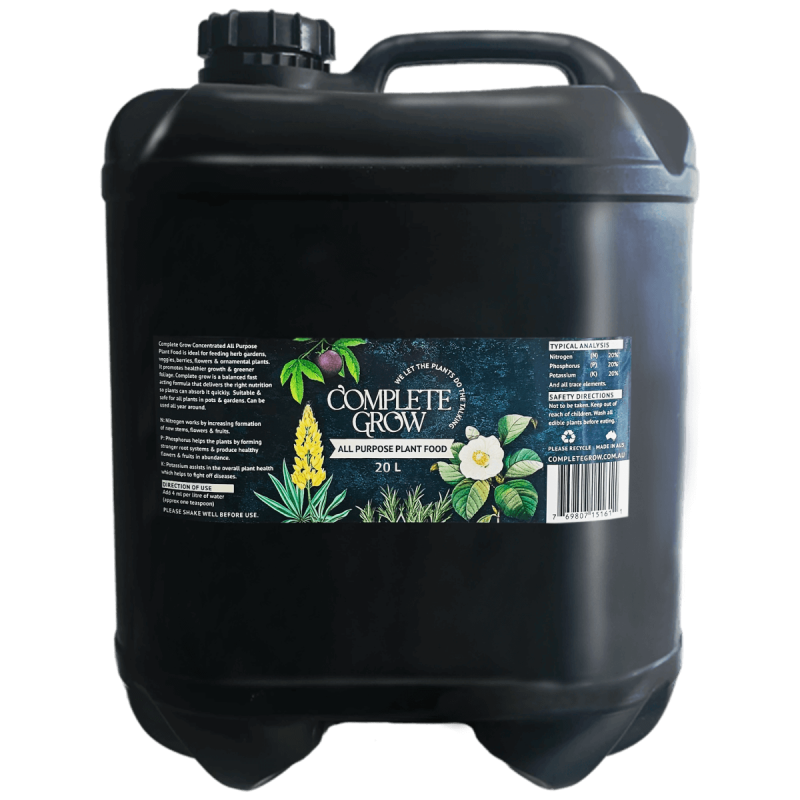
  • If you feed: apply a light, balanced, water-soluble fertiliser (e.g., CompleteGrow All Purpose Liquid NPK 20-20-20) at half strength, then hold off on nitrogen-heavy doses as buds swell.

Container-Grown Wisteria

  • Choose a large, heavy pot; use open, free-draining mix. Root restriction can help trigger flowering, but don’t let the plant dry out at bud time.
  • Feed lightly at quarter–half strength in the growing season; flush with plain water every 6–8 weeks to prevent salt build-up.
491446140_674793161918989_6916085125107699157_n
485128890_18014309168701100_7924007537602432838_n

Troubleshooting & FAQ

Problem Likely Cause What to Do
Buds form, then fizzle Late frost; water stress; shade Protect on cold nights; keep evenly moist; increase sun exposure
All leaves, hardly any flowers Excess nitrogen; poor spur pruning; low light Use light, balanced feeding; adopt summer/winter spur pruning; move to full sun
Short bloom window Rain, heat spikes, wind Shelter from wind; maintain soil moisture; ensure morning sun
Young vine not blooming Immaturity (common in seedlings) Be patient; avoid heavy nitrogen; keep pruning to form spurs
  • When does wisteria bloom in Australia? Generally late Aug to Oct, depending on region and spring warmth.
  • When does wisteria bloom in Melbourne? Typically late Sep into Oct, with microclimate and frost exposure shifting dates slightly.
  • How long do wisterias bloom? 2–6 weeks per main flush; a lighter second flush is possible with sun and steady moisture.
  • Can I influence timing? You can’t change seasons, but you can maximise sun, manage water, prune for spurs, and avoid nitrogen surges ahead of bud swell.
  • Does fertiliser timing matter? Yes—use a light, balanced, water-soluble feed in late winter/early spring; avoid heavy nitrogen as buds form.
  • Will pots bloom later or shorter? Often slightly later and shorter; containers heat and dry faster, so maintain even moisture at bud time.

Recommended Products

Sale!

The Grow Blog: News, Tips, & Stories

Cart (0 items)

No products in the cart.