
Lime Tree Not Fruiting
Transform Your Garden into a Personal Paradise!
Why Is My Lime Tree Not Fruiting?
Lime trees fail to fruit when flowers don’t form, don’t set, or baby fruit drop off. Usual causes: tree too young, not enough sun, pruning at the wrong time, nutrient imbalance (too much N, not enough K/Ca/Mg), irregular watering, temperature extremes, or poor pollination. Fixing fruit set means maximising light, stabilising the root–water cycle, and feeding for flowers and fruit—then protecting blossoms from weather and pests.
Top Reasons Limes Don’t Fruit (Fast Diagnosis)
- Age/variety: Grafted limes usually fruit in 2–3 years; seed-grown can take 5+ years. Very young trees prioritise roots/canopy first.
- Light: Less than 6–8 hours of direct sun reduces flowering and sugar production.
- Nutrient imbalance: High nitrogen = leaves not flowers. Low potassium and Ca/Mg = weak blossom/fruit retention.
- Water rhythm: Drought–drench swings cause blossom and pea-sized fruit drop. Waterlogging suffocates roots and halts set.
- Pruning timing: Hard pruning just before or during flowering removes potential fruiting wood.
- Weather: Heatwaves, hot dry winds, or cold snaps during bloom abort flowers/fruitlets.
- Pollination & pests: Most limes self-fertile but still benefit from insect activity. Thrips, mites, leaf miner, and citrus gall wasp weaken shoots and reduce fruit set.
- Rootstock shoots: Vigorous thorny shoots below the graft steal energy; fruiting suffers.
- Pot stress: Rootbound containers, salty media, or poor drainage limit fruiting even with flowers present.
Quick tell: Lots of leaves, few flowers → excess N/low sun. Flowers form then drop → water swings, heat/wind, low K/Ca/Mg. Small fruit drop → stress (water/salt/heat) or pests.
How to Get a Lime Tree to Fruit (Action Plan)
1) Maximise sunlightGive the tree a north-facing position (AU) with 6–8+ hours of direct sun. For pots, “chase the sun” and rotate monthly for even growth.
2) Set a deep wet–dry watering rhythmSoak the root zone thoroughly, then let the top 3–4 cm dry before watering again. In heat, pots may need watering every 1–3 days; in-ground less often but deep. No standing water in saucers.
3) Feed for flowers, not just leavesRun a regular feeding program in spring–autumn:
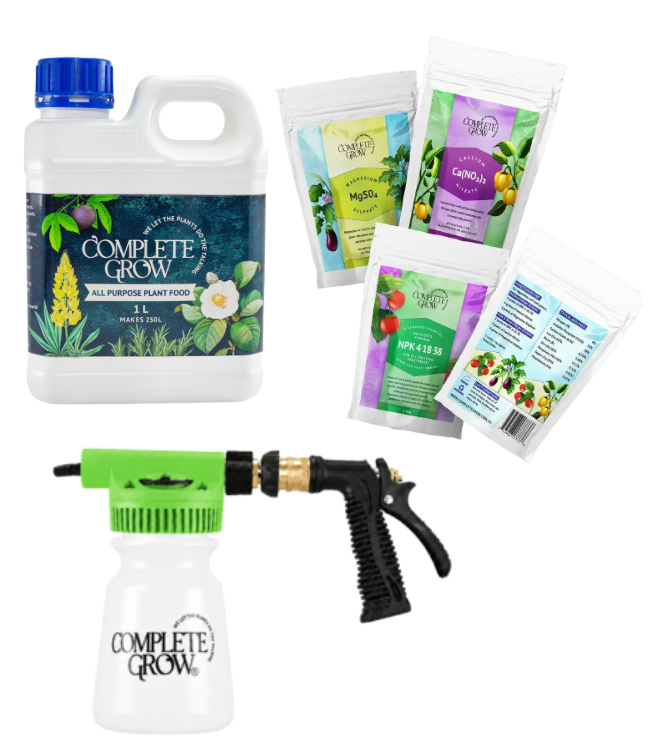
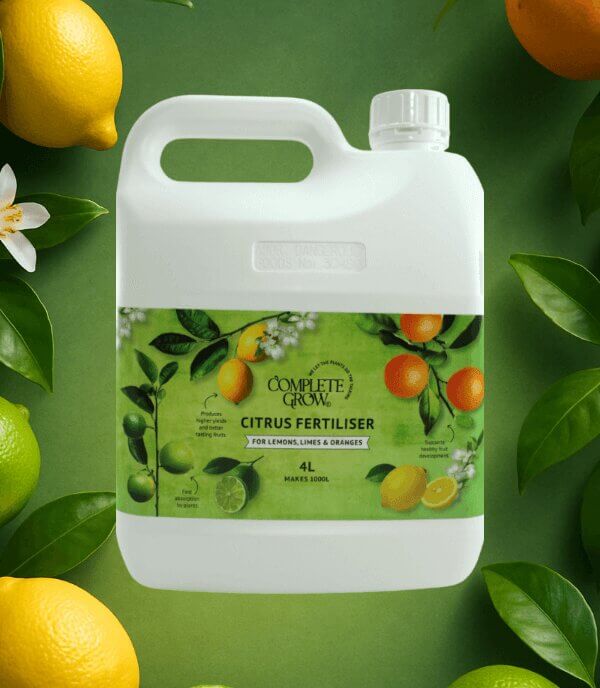
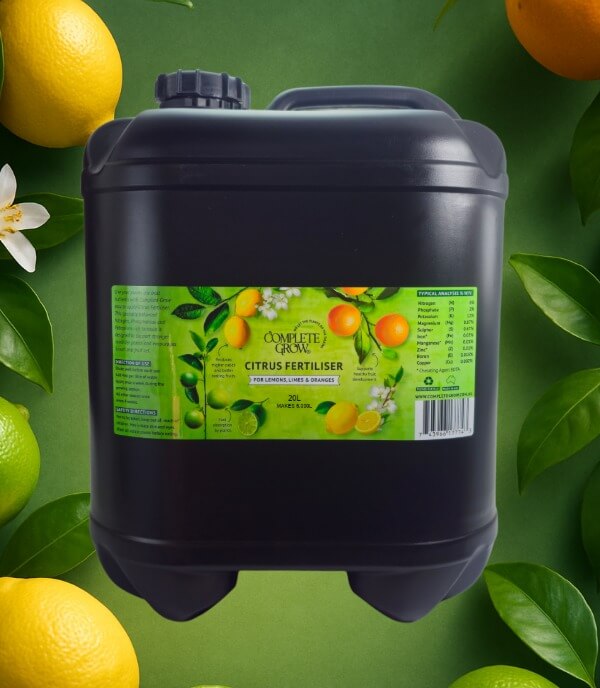
- Baseline (canopy + root health): Use CompleteGrow Citrus Fertiliser every 4–6 weeks in-ground or 2–3 weeks in pots (soluble/liquid) to support strong growth throughout the season.
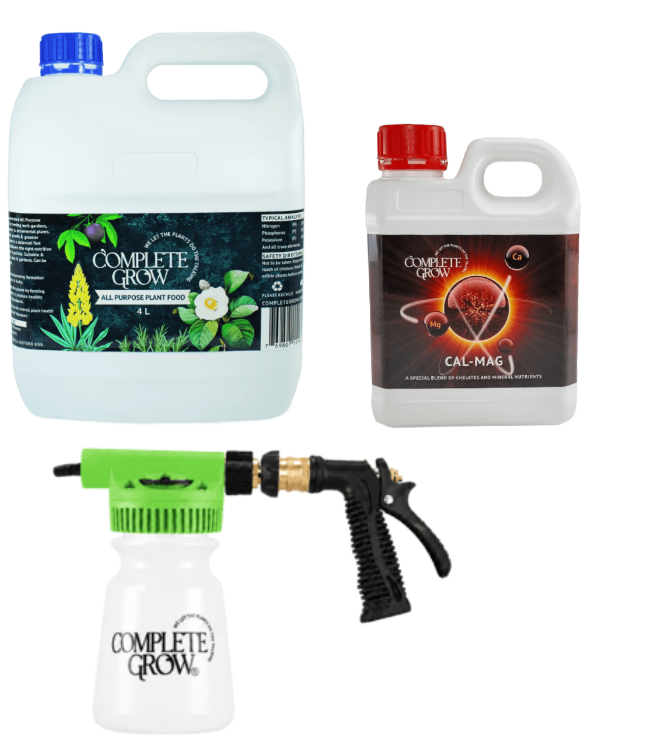
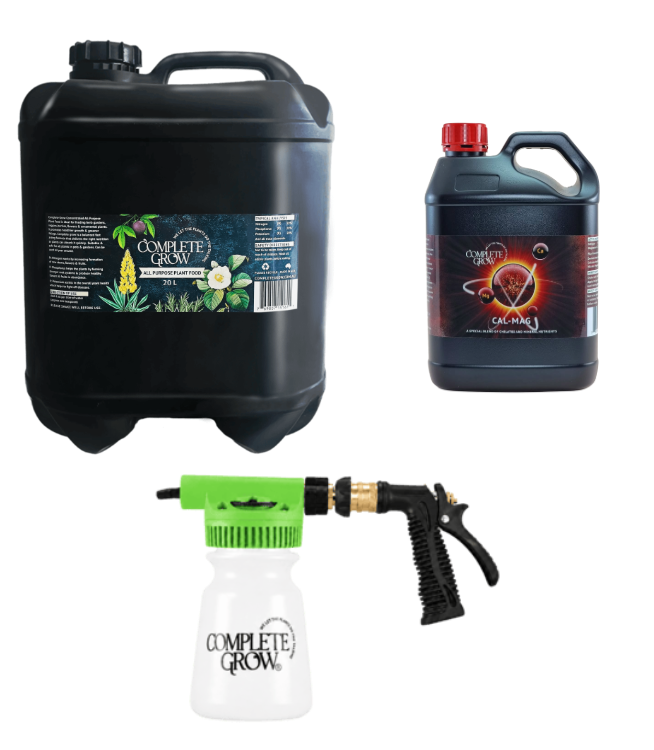
- Supplement for fruit set: Include CompleteGrow Cal-Mag during fruiting to provide additional calcium and magnesium for fruit retention and rind strength.
Avoid heavy cuts just before flowering. Instead, shape after harvest or post-flush. Remove rootstock suckers (below the graft) immediately.
5) Stabilise microclimateMulch 5 cm deep (keep off trunk). During heatwaves, water early morning and provide light afternoon shade for potted trees. Protect from cold snaps with covers or by moving pots against warm walls.
6) Control pests & keep foliage functionalInspect flush growth for citrus leaf miner (silvery tunnels), mites/scale/aphids. Prune out badly affected tips, use horticultural oil/soap where suitable, and keep airflow up.
7) Container tune-upRootbound pot? Step up one size; refresh with free-draining premium mix. Flush salts seasonally (water through until free run-off) and keep pH near neutral for nutrient availability.
Fruit-Set Checklist (5 Minutes)
- Count sun hours (aim 6–8+).
- Lift pot or probe soil: adjust to deep wet–dry rhythm.
- Start/maintain feeding: CompleteGrow Citrus Fertiliser every 4–6 weeks → CompleteGrow Cal-Mag during fruit set for additional calcium and magnesium support.
- Remove rootstock suckers; delay heavy pruning till after fruiting.
- Mulch, monitor pests, and protect flowers from extreme heat/cold.
Lime Tree Fruiting FAQs
How old before a lime tree fruits?
Grafted lime trees typically fruit in 2–3 years. Seed-grown lime trees often take 5+ years to produce fruit. Providing consistent sunlight, proper watering, and a balanced feeding schedule can help bring forward the first crops. Regular feeding with CompleteGrow Citrus Fertiliser ensures healthy growth and supports fruiting.
Do lime trees need a second tree for fruit?
Most lime tree varieties are self-fertile, meaning they do not require a second tree for fruit production. However, enhanced pollination via insect activity and calm, warm weather during bloom can improve fruit set.
Why do flowers/pea-sized fruit keep dropping?
This is often caused by water stress, excessive heat or wind during bloom, or nutrient imbalances, especially low potassium, calcium, or magnesium. Stabilising watering, mulching, and feeding with a higher-K and Ca/Mg-fortified fertiliser like CompleteGrow Citrus Fertiliser can help maintain fruit retention and improve fruit quality.
Is my fertiliser stopping fruit?
Excess nitrogen can lead to excessive leaf growth at the expense of flowers and fruit. To avoid this, use CompleteGrow Citrus Fertiliser sparingly and switch to CompleteGrow Cal-Mag during fruiting for better fruit set and rind strength.
Can a potted lime fruit well?
Yes! Potted lime trees can fruit successfully if provided with the right conditions. Ensure the pot is large enough (45–60 cm+), the soil drains freely, and the tree receives 6–8+ hours of sun each day. Be diligent with watering and feeding, and flush salts from the pot every season to maintain healthy growth and fruit production.
Related Lime Tree Guides
How to Grow a Lime Tree (Planting & Care)
Site prep • Best soil mix
Why Is My Lime Tree Not Fruiting?
Sunlight • Pollination • Fertilizer
How Often to Fertilize Lime Trees
Seasonal feeding guide
Best Fertilizer for Lime Trees
Balanced vs high-potassium
How to Get a Lime Tree to Fruit
Flowering triggers • Pruning
How to Make Lime Trees Grow Faster
Growth hacks • Fertilizer plan
Fixing Yellow Leaves on Lime Trees
Deficiency • Water stress
Why Are Lime Tree Leaves Curling?
Pests • Weather stress
How to Revive a Lime Tree
Rescue & recovery steps
How to Bring a Lime Tree Back to Life
Severe stress • Bare trees
Why Are My Limes Brown Inside?
Dry flesh • Rot • Heat stress
Recommended Products
- Quick View
- Select options This product has multiple variants. The options may be chosen on the product page
Cal-Mag Hydroponic Nutrients Fertiliser
- Quick View
- Select options This product has multiple variants. The options may be chosen on the product page