Free Shipping Storwide

๐Ÿ”ฅ20 % OFF ๐Ÿ”ฅ Boxing Day Sale ends in
00 Days
00 Hours
00 Minutes
00 Seconds

Fertiliser for Kumquat Tree

Transform Your Garden into a Personal Paradise!

Add Your Heading Text Here

๐Ÿ”ฅ20 % OFF ๐Ÿ”ฅ Boxing Day Sale ends in
00 Days
00 Hours
00 Minutes
00 Seconds

Best Fertiliser for Kumquat Trees: What to Use, When to Feed, and Why It Works

Kumquat trees respond best to consistent, citrus-specific nutrition. Rather than heavy feeding, they require a balanced fertiliser that supports steady leaf growth, strong flowering, and reliable fruit development. Using the correct fertiliser makes a clear difference in fruit size, flavour, and retention.

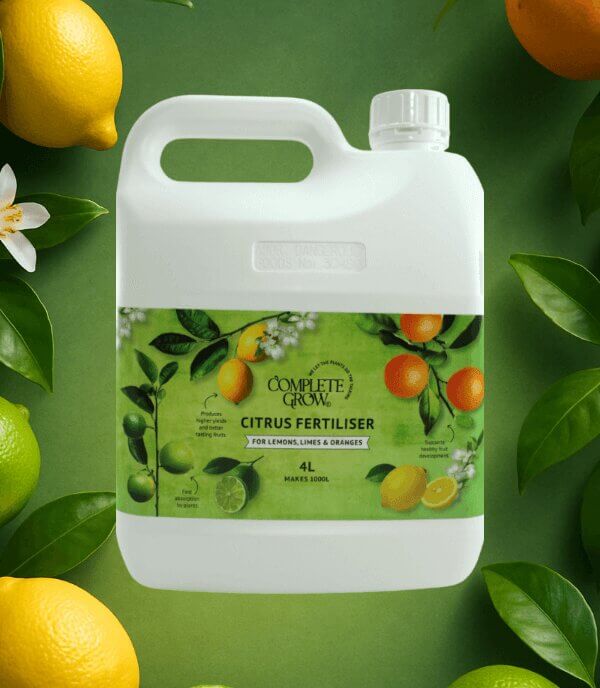
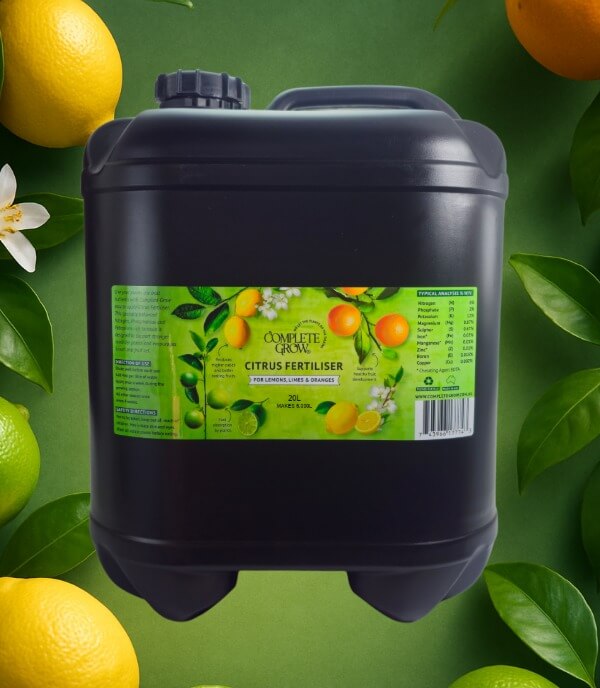
Our recommendation for kumquat trees:

The reason this approach works so well for kumquats comes down to nutrient balance. Kumquats need enough nitrogen to maintain healthy foliage, but not so much that the tree prioritises leaves over flowers. Potassium is especially important, as it supports flower retention, fruit set, fruit size, and overall fruit quality.

A citrus fertiliser formulated at around NPK 6-2-12 delivers this balance. It provides controlled vegetative growth while strongly supporting fruiting, which is exactly what kumquat trees require.

During periods of heavy flowering or when fruit is developing, adding a Cal-Mag supplement helps prevent common deficiencies. Calcium supports cell strength and fruit quality, while magnesium is essential for chlorophyll production and leaf health. This is particularly important for potted kumquat trees, where nutrients wash out of the soil more quickly.

Using a citrus fertiliser as the foundation, supported by Cal-Mag when demand is high, creates a simple, reliable feeding program that suits kumquat trees extremely well.

333000512_5518113278293712_7981672412637401577_n (1)
333490570_5949751885104318_5802789118866562326_n (1)

How Often to Fertilise a Kumquat Tree

Kumquat trees perform best when fed regularly during active growth. They are steady feeders rather than heavy feeders, and consistent nutrition produces far better results than occasional high-dose fertilising.

The feeding frequency depends on whether the tree is grown in a pot or in the ground. Potted kumquat trees lose nutrients quickly through watering and therefore require more frequent feeding.

  • Potted kumquat trees: fertilise regularly throughout the growing season
  • In-ground kumquat trees: fertilise consistently, but less frequently than potted trees
  • Young trees: lighter but more regular feeding supports steady establishment
  • Mature fruiting trees: consistent feeding improves flowering and fruit retention

Irregular feeding is one of the most common causes of pale leaves, weak growth, and poor fruiting in kumquat trees. Maintaining a stable nutrient supply avoids stress and keeps the tree productive.

When to Fertilise Kumquat Trees

Begin fertilising kumquat trees in spring as temperatures rise and new growth appears. This timing supports leaf development and prepares the tree for flowering. Continue feeding through summer and into early autumn while the tree is actively growing.

As growth slows in cooler weather, fertilising should be reduced or paused. Feeding heavily during winter or when the tree is dormant provides little benefit and can lead to nutrient imbalance.

Important: Avoid fertilising during periods of stress, such as extreme heat, waterlogged soil, or after heavy pruning. Feeding stressed roots can worsen leaf yellowing and delay recovery.
588508629_18436190089096714_1238613340666241742_n (1)
505838269_1260407072758778_7889232726598381654_n (1)

Why Nutrient Balance Matters for Kumquat Trees

Kumquat trees are sensitive to nutrient imbalance, particularly excess nitrogen.
While nitrogen is essential for healthy leaf growth, too much encourages lush foliage at the expense of flowers and fruit.
This is a common reason kumquat trees look healthy but fail to fruit well.

A citrus fertiliser formulated for fruiting trees provides the correct balance.
Moderate nitrogen supports leaf health, while higher potassium plays a critical role in flowering, fruit set, fruit size, and flavour.

Calcium and magnesium are also important, especially during flowering and fruit development.
Calcium supports cell structure and fruit firmness, while magnesium is central to chlorophyll production and leaf colour.
Supplementing with Cal-Mag during high-demand periods helps prevent deficiencies, particularly in potted trees.

Common fertilising mistakes to avoid

  • Using high-nitrogen fertilisers designed for lawns or leafy plants
  • Feeding heavily but infrequently instead of regularly and moderately
  • Fertilising when soil is waterlogged or roots are stressed
  • Ignoring magnesium or calcium deficiencies in potted trees

If your tree shows yellowing or stress, visit
kumquat leaves turning yellow
for a full diagnosis guide.


Correcting these mistakes often leads to noticeable improvements in leaf colour, flowering strength, and fruit retention within one growing season.

FAQ: Fertilising Kumquat Trees

How often should I fertilise a kumquat tree?
During the growing season, kumquat trees should be fertilised regularly.
Potted trees require more frequent feeding than in-ground trees due to nutrient leaching.

When is the best time to fertilise kumquat trees?
Start fertilising in spring when new growth appears and continue through summer into early autumn.
Reduce or stop feeding as growth slows.

What is the best fertiliser for kumquat trees?
A citrus-specific fertiliser with moderate nitrogen and higher potassium is ideal for supporting flowering and fruiting.

Can over-fertilising harm kumquat trees?
Yes. Excess fertiliser, especially nitrogen, can cause excessive leaf growth, nutrient imbalance, and reduced fruit production.

Do kumquat trees need Cal-Mag?
Cal-Mag is beneficial during heavy flowering and fruiting, particularly for potted trees where calcium and magnesium deficiencies are more common.

Related Kumquat Tree Guides

Recommended Products

Sale!

Cal-Mag Hydroponic Nutrients Fertiliser

Price range: $36.00 through $46.70
Sale!

The Grow Blog: News, Tips, & Stories

Cart (0 items)

No products in the cart.