Kumquat Tree
Transform Your Garden into a Personal Paradise!
Add Your Heading Text Here
How to Grow a Kumquat Tree: Complete Care Guide for Home Gardens
Kumquat trees are one of the easiest citrus plants to grow, especially for home gardeners with limited space. They stay naturally compact, tolerate cooler conditions better than many citrus types, and perform exceptionally well in pots. With the right setup, kumquats produce reliable crops with minimal pruning and maintenance.
Unlike oranges or lemons, kumquats develop slowly and hold fruit on the tree for long periods. This makes them ideal for courtyards, balconies, and small gardens where steady growth and low maintenance are preferred.
- Botanical name: Citrus japonica
- Growth habit: compact evergreen citrus
- Typical height: 1.5โ2 m in pots, up to 3 m in ground
- Best use: pots, patios, courtyards, small gardens
- Fruit season: winter
Sunlight, climate, and positioning
Kumquat trees grow best in full sun. At least six hours of direct sunlight per day is required for good flowering and fruit development. More sun generally means stronger growth and sweeter fruit.
They tolerate cooler conditions better than many citrus varieties, but young trees still benefit from protection against frost and strong winds. In cooler regions, pots allow trees to be moved into warmer, more sheltered positions when needed.
Good airflow around the canopy reduces pest pressure and helps leaves dry quickly after rain, lowering the risk of fungal problems. Avoid tight corners or shaded areas where air becomes stagnant.

Planting Kumquat Trees in Pots or the Ground
Most kumquat growing problems start at planting. Poor drainage, incorrect planting depth, or undersized containers slow growth and lead to leaf yellowing and poor fruit set later. Getting this stage right makes long-term care much easier.
Growing kumquats in pots
Kumquats are one of the best citrus trees for container growing. Pots allow better control of soil quality, drainage, and feeding, which often leads to stronger flowering and more consistent fruiting.
Choose a pot that is wide and stable with multiple drainage holes. Small pots dry out quickly and stress the tree, while larger pots buffer moisture and temperature swings. Raise the pot slightly so excess water can drain freely.
Best soil for kumquat trees
Free-draining soil is essential. Kumquats dislike constantly wet roots and will quickly show stress through yellowing leaves and poor growth if drainage is poor. A quality citrus or fruit tree potting mix works well for containers.
If planting in the ground, avoid heavy clay or waterlogged areas. If water pools after rain, improve drainage, plant on a raised mound, or choose a pot instead.
Correct planting depth and technique
Plant kumquat trees with the root flare slightly above the surrounding soil level. Do not bury the trunk. Planting too deeply is a common cause of citrus decline and slow establishment.
Water thoroughly after planting to settle the soil, then allow the mix to partially dry before watering again. Avoid keeping the soil constantly wet during the first few weeks.

Planting Kumquat Trees in Pots or the Ground
Most kumquat growing problems start at planting.
Poor drainage, incorrect planting depth, or undersized containers slow growth and lead to leaf yellowing and poor fruit set later.
Getting this stage right makes long-term care much easier.
Growing kumquats in pots
Kumquats are one of the best citrus trees for container growing.
Pots allow better control of soil quality, drainage, and feeding, which often leads to stronger flowering and more consistent fruiting.
Choose a pot that is wide and stable with multiple drainage holes.
Small pots dry out quickly and stress the tree, while larger pots buffer moisture and temperature swings.
Raise the pot slightly so excess water can drain freely.
Best soil for kumquat trees
Free-draining soil is essential.
Kumquats dislike constantly wet roots and will quickly show stress through yellowing leaves and poor growth if drainage is poor.
A quality citrus or fruit tree potting mix works well for containers.
If planting in the ground, avoid heavy clay or waterlogged areas.
If water pools after rain, improve drainage, plant on a raised mound, or choose a pot instead.
Correct planting depth and technique
Plant kumquat trees with the root flare slightly above the surrounding soil level.
Do not bury the trunk.
Planting too deeply is a common cause of citrus decline and slow establishment.
Water thoroughly after planting to settle the soil, then allow the mix to partially dry before watering again.
Avoid keeping the soil constantly wet during the first few weeks.

Pruning, Shaping, and Seasonal Growth of Kumquat Trees
Kumquat trees naturally grow into a compact, rounded shape and require far less pruning than most citrus. In many cases, light maintenance pruning is all thatโs needed to keep the tree healthy, productive, and easy to manage. Over-pruning is one of the most common mistakes made with kumquats.
Do kumquat trees need pruning?
Kumquat trees do not require heavy pruning to fruit. Their natural growth habit already allows good light penetration and airflow. Pruning is mainly used to remove dead wood, thin crowded branches, and control size in pots.
If left unpruned, most kumquats will still flower and fruit normally. Light, selective pruning produces better results than aggressive cutting.
When to prune kumquat trees
The best time to prune kumquat trees is after harvesting fruit and before strong new growth begins. This timing allows the tree to recover quickly without sacrificing the next flowering cycle. Dead or damaged branches can be removed at any time of year.
Avoid heavy pruning during extreme heat or cold, as this can stress the tree and delay fruiting.
Indoor vs outdoor kumquat trees
Kumquat trees can be grown indoors, but light levels are the limiting factor. Indoors, trees often grow well vegetatively but may flower or fruit poorly unless they receive several hours of direct sunlight.
Outdoor-grown kumquats almost always perform better. If growing indoors, placing the tree outside during warmer months dramatically improves flowering and fruit set.
Seasonal growth and fruiting behaviour
Kumquats follow a slower, steadier growth cycle than other citrus. They typically flower in spring, then develop fruit slowly through the year. Fruit often ripens in winter and can remain on the tree for weeks or months without quality loss.
This extended fruit-holding ability makes kumquats ideal for home growers who want flexible harvest timing and ornamental value throughout the cooler months.

Ongoing Kumquat Tree Care and Growth
Once established, kumquat trees are low maintenance compared to other citrus. Most long-term success comes from consistent watering, correct feeding, and avoiding waterlogged soil. When these basics are right, kumquats tend to grow steadily and fruit reliably.Watering kumquat trees
Water kumquat trees deeply, then allow the top layer of soil to dry slightly before watering again. In pots, this may mean watering more frequently during hot weather and less often during cooler months. Constantly wet soil is one of the most common causes of yellowing leaves and slow growth. A good rule is to water thoroughly until water drains from the bottom of the pot, then wait until the surface begins to dry before watering again.Fertilising kumquat trees
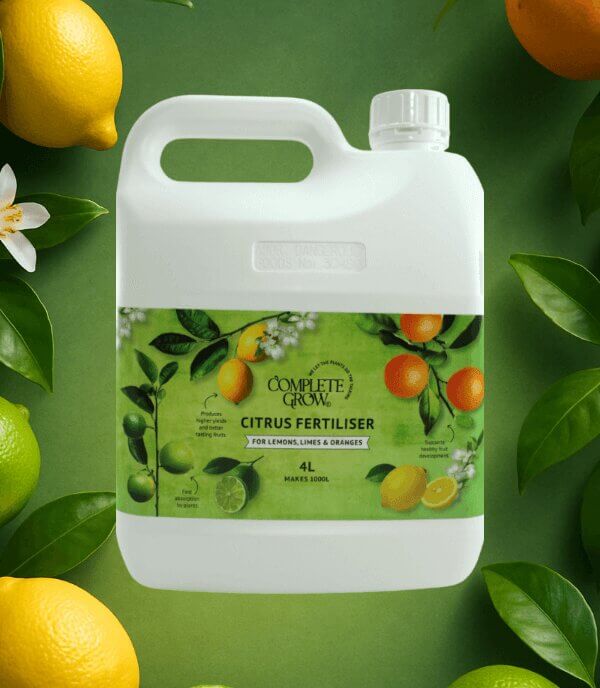
Kumquat trees benefit from regular feeding during the growing season. A citrus fertiliser provides the balance of nutrients required for healthy foliage, flowering, and fruit development. Feed from spring through early autumn, then reduce feeding as growth slows.For feeding schedules and nutrient balance, see our guide on the best fertiliser for kumquat trees.
Potted kumquats require more frequent feeding than in-ground trees because nutrients wash out of containers faster. Underfeeding often leads to pale leaves and poor fruiting.Growth rate and fruiting timeline
Kumquat trees grow slowly and stay compact. In pots, they often remain under two metres tall. Grafted trees may begin fruiting within a few years, while seed-grown trees can take much longer. Fruit develops gradually and often ripens in winter. One advantage of kumquats is that ripe fruit can remain on the tree for extended periods without spoiling.FAQ: Kumquat Tree Care
Are kumquats easy to grow? Yes. Kumquats are one of the easiest citrus trees to grow, particularly in pots. They are compact, tolerant of cooler conditions, and forgiving when cared for correctly. Can kumquat trees grow in pots? Yes. Kumquats are ideal for container growing and often perform better in pots because drainage and feeding are easier to manage. Can kumquat trees grow indoors? They can grow indoors if placed in a very bright position with direct sunlight, but fruiting is usually better outdoors. How big do kumquat trees grow? Most kumquat trees reach around 1.5โ2 metres in pots and up to 3 metres in the ground. How long does it take to grow a kumquat from seed? Seed-grown kumquat trees can take many years to flower and fruit and may not produce identical fruit to the parent plant. When do kumquats fruit? Kumquats usually flower in spring and ripen fruit in winter, with fruit often staying on the tree for long periods.Related Kumquat Tree Guides
- How to Grow a Kumquat Tree โ complete planting, care, and long-term growth guide
- Best Fertiliser for Kumquat Trees โ feeding schedules, NPK ratios, and fruiting nutrition
- Kumquat Leaves Turning Yellow โ causes, nutrient deficiencies, and how to fix yellowing
- How to Revive a Dying Kumquat Tree โ recovery steps for stressed, declining kumquat trees
Recommended Products
- Quick View
- Select options This product has multiple variants. The options may be chosen on the product page
Cal-Mag Hydroponic Nutrients Fertiliser
- Quick View
- Select options This product has multiple variants. The options may be chosen on the product page