Free Shipping Storwide

๐Ÿ”ฅ20 % OFF ๐Ÿ”ฅ Boxing Day Sale ends in
00 Days
00 Hours
00 Minutes
00 Seconds

Mandarin Tree Dropping Fruit

Transform Your Garden into a Personal Paradise!

Add Your Heading Text Here

๐Ÿ”ฅ20 % OFF ๐Ÿ”ฅ Boxing Day Sale ends in
00 Days
00 Hours
00 Minutes
00 Seconds

How to Prune a Mandarin Tree: A Step-by-Step Guide

Pruning is an essential practice for maintaining the health, shape, and productivity of your mandarin tree. Regular pruning helps to shape the canopy, remove dead or diseased wood, and improve airflow, ultimately leading to better fruit production.

Pruning mandarins also helps control the size of the tree, making it more manageable, especially for trees grown in pots or smaller spaces. Pruning at the correct time is crucial to avoid removing healthy fruiting wood and ensuring the tree thrives in the next growing season.

Why Prune Mandarins?

Mandarin trees naturally grow with a wide canopy, and without pruning, they can become overcrowded, leading to poor air circulation, which increases the risk of disease. Pruning also encourages the development of new shoots, which are crucial for producing the next seasonโ€™s crop.

Additionally, removing dead or weak branches can help the tree focus its energy on healthy growth and fruit production. Regular pruning supports better sunlight penetration into the canopy, ensuring that the tree produces better-quality fruit.

When to Prune Mandarin Trees

The best time to prune mandarin trees is during the dormant season, usually in late winter or early spring, just before new growth begins. Pruning at this time reduces stress and prevents cutting off valuable fruiting wood. Avoid pruning during the fruiting season to prevent damaging flowers and immature fruit.

In Australia, where weather conditions can vary, itโ€™s important to prune after the last frost but before the new growth starts to emerge. This timing ensures the tree has time to heal before the heat of summer sets in.

515402581_18046802159624143_3201770655051568380_n
599896006_18147037987435378_5827633165707470273_n (1)

Step-by-Step Guide to Pruning Your Mandarin Tree

1. Prepare Your Tools

Before you start pruning, make sure you have the right tools. A sharp pair of pruning shears is essential for cutting smaller branches, while loppers or a pruning saw may be needed for thicker branches.

Always clean your tools before and after use to prevent the spread of diseases. Disinfecting with alcohol or a bleach solution is highly recommended.

2. Remove Dead or Diseased Wood

Start by removing any dead, damaged, or diseased wood. These branches are not productive and can potentially spread diseases to healthy parts of the tree. Cutting them off allows the tree to direct its energy towards healthy growth.

Look for branches that are discolored, dry, or cracked. Remove them at the base, cutting them cleanly to prevent stubs.

3. Thin the Canopy for Airflow

To improve airflow, remove any inward-growing branches that may block light or cause overcrowding. Focus on thinning out the middle of the tree, ensuring that sunlight can penetrate all areas of the canopy.

Aim for a balanced structure where the branches grow outward and upward, allowing air to circulate freely and reducing the risk of fungal infections and pests.

4. Prune to Shape and Control Size

Pruning for shape helps maintain a strong, balanced tree. Trim back long, straggly branches and cut back any growth that is not contributing to the treeโ€™s overall structure. Focus on keeping the canopy open and well-spaced.

Mandarins can be pruned to a central leader shape (one main trunk) or an open vase shape, depending on your space and aesthetic preferences.

5. Remove Suckers and Water Sprouts

Suckers (shoots growing from the rootstock) and water sprouts (vertical shoots from the main branches) should be removed promptly. These growths do not contribute to fruit production and take away valuable nutrients from the productive parts of the tree.

Cut these off as close to the base as possible to prevent regrowth.

169665307_286512866187810_497351613029123909_n (1)
328461772_675760234248121_938500687557736209_n (1)

Common Pruning Mistakes and How to Avoid Them

1. Pruning Too Much

Pruning is an art, and less is often more. Over-pruning can damage the tree and reduce fruit production. Always aim to prune only 10-20% of the treeโ€™s overall growth at any given time.

2. Pruning at the Wrong Time

Pruning too early in the season or during active flowering can remove valuable fruiting wood. Always prune mandarin trees just before the growing season, in late winter or early spring, after the risk of frost has passed but before new growth begins.

3. Inconsistent Pruning

Mandarins need consistent pruning to develop a balanced structure. Skipping years of pruning will cause overcrowded growth and reduce the treeโ€™s fruiting capacity. Stick to a yearly pruning schedule to maintain a healthy and productive tree.

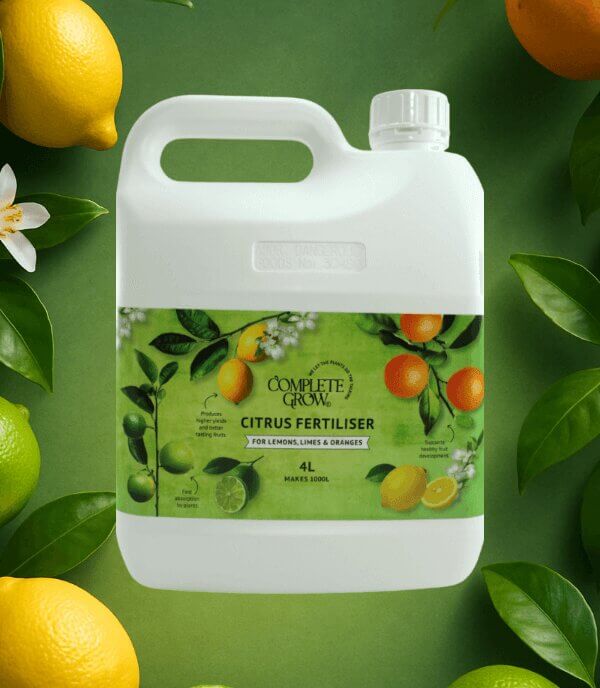
Use a citrus fertiliser after pruning to support the treeโ€™s recovery and encourage new growth.

Frequently Asked Questions

What time of year is best for pruning mandarin trees?
The best time to prune mandarin trees is late winter to early spring, just before the growing season begins.

Can I prune mandarin trees in the summer?
Pruning during the growing season can stress the tree and remove valuable fruiting wood. Avoid pruning during active flowering or fruiting.

How much should I prune my mandarin tree?
Limit pruning to no more than 20% of the treeโ€™s growth in any given year to avoid damaging the tree.

Recommended Products

Sale!

Cal-Mag Hydroponic Nutrients Fertiliser

Price range: $36.00 through $46.70
Sale!

The Grow Blog: News, Tips, & Stories

Cart (0 items)

No products in the cart.