
Olive Tree 🫒
Transform Your Garden into a Personal Paradise!
Olive Tree Care Guide for Australia
Olive trees (Olea europaea) are long-lived evergreen fruit trees that grow best in full sun, free-draining soil, warm dry summers and cool winters. In Australian gardens, most olives are maintained at about 3–8 metres tall, although unpruned trees can grow taller. With the right position and care, an olive tree can live for hundreds of years.
This Australian olive tree care guide covers climate, regional timing, planting, pots, watering, pruning, fruiting and common problems. The most important rule is simple: give the roots excellent drainage and the canopy as much direct sun as possible.
Watch: Olive Tree Care in Australia
This video explains how to care for olive trees in Australian conditions, including feeding, flowering, fruiting, watering, pruning and common problems.
Olive Tree Facts
The cultivated olive is Olea europaea, a member of the Oleaceae family. It is an evergreen shrub or small tree native to the Mediterranean region, with narrow grey-green leaves and small cream flowers followed by fruit. Olives usually grow slowly, respond well to pruning and can be kept smaller for suburban gardens or containers.
Many nursery-grown olive trees begin producing some fruit in about 3–5 years, but a meaningful crop depends on the cultivar, winter chill, sunlight, pollination, pruning and general care. Fruit develops green and darkens as it ripens. Australian harvest commonly falls between March and July, depending on the region, variety and season.
What Conditions Do Olive Trees Like?
Olive trees prefer at least six hours of direct sun, open airflow and well-drained soil. A soil pH of roughly 5.5–7 supports good nutrient availability, but drainage matters more than trying to achieve a perfect number. Olives dislike waterlogged roots, humid stagnant canopies and constantly wet soil.
Cool winter weather helps initiate flowering, while warm, relatively dry conditions support healthy growth and ripening. Established olives tolerate drought, but a fruiting tree still performs better when deeply watered during prolonged dry periods. Young and potted trees need closer moisture checks.
Where Do Olive Trees Grow Best in Australia?
Southern and Mediterranean-Climate Areas
South Australia, Victoria, south-west Western Australia, Tasmania and many southern or inland parts of New South Wales provide the dry summers and cool winters olives favour. These regions are generally the most reliable for flowering and cropping, provided late frost does not damage flowers and drainage remains good through winter.
Warm-Temperate Coastal Areas
Olives can grow around Sydney, coastal New South Wales and south-east Queensland, but higher humidity and summer rain increase the risk of peacock spot, anthracnose and scale. Choose an open sunny position, prune for airflow and avoid wetting the foliage late in the day.
Hot Inland Areas
Olives cope well with dry heat once established. In inland districts, deep watering, a wide organic mulch kept away from the trunk and protection for young trees during severe heat are more important than frequent shallow watering.
Subtropical and Tropical Areas
Olive trees may grow as ornamentals in warmer northern districts, but fruiting can be less reliable where winters do not provide enough chill or wet-season humidity is high. Select a locally proven low-chill cultivar and treat good airflow and disease monitoring as essential.
Australian Olive Tree Care Calendar
Olive trees grow and flower in spring, fruit in summer, are harvested from autumn into winter and pruned after harvest. Adjust by a few weeks for your local climate and the tree’s growth stage.
Olive tree year at a glance (September to August)
Spring
September to November
- Feed when new growth starts.
- Protect flowers if late frost is forecast.
- Humid areas: check new leaves for peacock spot.
Summer
December to February
- Water deeply in dry spells; check pots often.
- Keep mulch off the trunk and remove suckers.
- Coast: watch for scale and lace bug after rain.
Autumn
March to May
- Pick green for firm fruit, or later for darker olives.
- Reduce feeding as growth slows.
- Clear fallen fruit; water by rainfall, not a schedule.
Winter
June to August
- Finish harvest in cooler areas.
- Remove dead, damaged and crossing branches.
- Structural prune after frost risk, before spring growth.
- Never let roots sit in wet soil.
How Does the Calendar Change by Australian Region?
Southern Australia and Cooler Inland Districts
- Prune after the worst frost has passed.
- Wet areas: drainage and canopy hygiene first.
Sydney, Coastal NSW and South-East Queensland
- Growth and flowering begin sooner.
- Humidity: prioritise airflow and disease checks.
Dry Inland and Hot-Summer Districts
- Heat brings ripening forward.
- Water deeply; protect young trees in extreme heat.
Subtropical and Tropical Districts
- Low winter chill can mean fewer flowers.
- Choose local cultivars; prune in a drier spell.
How to Plant an Olive Tree
Plant olives in the sunniest, best-drained spot you have, with the top of the root ball level with the soil.
How to Grow an Olive Tree in a Pot
- Water more often than garden trees, but let the mix dry slightly between drinks.
- Keep the pot off wet saucers and rotate it for even light.
How Often Should You Water an Olive Tree?
Water an olive tree deeply, then allow the upper soil to begin drying before watering again. Newly planted trees need regular moisture while roots establish, while mature in-ground trees tolerate longer dry periods. Weather, soil and drainage matter more than a fixed schedule.
As a starting point, check a new tree about weekly during its first warm season and water when the root zone is beginning to dry. Established trees may only need supplementary water during extended dry weather, but consistent moisture during flowering and fruit development can support a better crop. Potted olives need more frequent checks, especially in summer.
Yellowing, leaf drop or drooping can come from both dry roots and waterlogging. Feel the soil before adding water. If it stays wet for days, improve drainage rather than adding fertiliser.
How and When to Prune Olive Trees
Prune olive trees after harvest and before strong spring growth, once the main frost risk has passed. Aim for a low, open canopy that lets sunlight and moving air reach the inner branches. Olive fruit is produced on one-year-old wood, so removing too much new growth every year can reduce the next crop.
- Remove dead, damaged, diseased and crossing branches first.
- Cut basal suckers and vigorous upright water shoots that crowd the centre.
- Thin selected branches to create an open vase or goblet shape.
- Reduce height gradually rather than heavily cutting the whole canopy at once.
- Disinfect tools between diseased trees and make clean cuts just outside the branch collar.
Light shaping can be done during active growth, but avoid hard pruning during flowering, extreme heat or immediately before severe frost.
How Should You Feed an Olive Tree?
Feed during active growth from spring to early autumn and avoid pushing soft growth during winter dormancy. A balanced fertiliser suits general olive growth, but the correct rate changes with tree size, soil and whether the tree is in a pot. For product choice and exact mixing rates, use our olive tree fertiliser guide.
Common Olive Tree Problems in Australia
Why Are Olive Leaves Turning Yellow?
Yellow olive leaves are commonly linked to saturated roots, compacted soil, an unsuitable soil pH or a nutrient deficiency. Check drainage and moisture first. If the soil structure and watering are sound, inspect the pattern of yellowing and consider a soil or leaf test before adding more fertiliser.
Why Is an Olive Tree Not Flowering or Fruiting?
A young tree may simply be immature. Other common causes include insufficient winter chill, too much shade, severe pruning of fruiting wood, heat or frost during flowering, poor nutrition and limited compatible pollen. Give the tree full sun, avoid over-pruning and check whether its cultivar benefits from a second compatible olive nearby.
What Is Peacock Spot?
Peacock spot is a fungal leaf disease recognised by dark circular lesions, often with yellowing around them. It is most troublesome in wet, humid conditions. Remove badly affected fallen leaves, improve canopy airflow, avoid prolonged leaf wetness and use only treatments registered for olives according to their Australian label.
What About Olive Lace Bug, Scale and Anthracnose?
Olive lace bug damages leaves from underneath, scale appears as fixed bumps on stems or foliage, and anthracnose can rot fruit in warm wet conditions. Inspect trees regularly, remove heavily affected material, reduce canopy humidity and seek locally registered control advice when damage is spreading.
The CompleteGrow View
Healthy olive trees are built on five things: sunlight, drainage, sensible watering, an open canopy and balanced nutrition.
Our approach is to diagnose the growing conditions before reaching for more fertiliser. Feeding can correct genuine nutrient shortages, but it cannot compensate for waterlogged roots, deep shade or a crowded canopy. Fix the site and watering first, then use measured nutrition to support growth and cropping.
Olive Tree FAQs
How Long Do Olive Trees Live?
Olive trees can live for hundreds of years, and some ancient specimens are believed to be more than a thousand years old. Their long life depends on drainage, climate, disease pressure and care.
How Tall Does an Olive Tree Grow?
Garden olive trees are commonly maintained at about 3–8 metres. Old, unpruned trees in favourable conditions can approach 15 metres, while regular pruning can keep patio and suburban trees much smaller.
How Long Before an Olive Tree Produces Fruit?
Many nursery-grown trees produce some fruit after about 3–5 years, but variety, tree age at purchase, climate and care all affect timing. A larger reliable crop usually takes longer.
Do You Need Two Olive Trees for Fruit?
Some olive cultivars are self-fertile, but a compatible second cultivar flowering at the same time can improve pollination and fruit set. Check the cultivar label or ask the nursery which polliniser suits your tree.
Recommended Products
- Quick View
- Select options This product has multiple variants. The options may be chosen on the product page
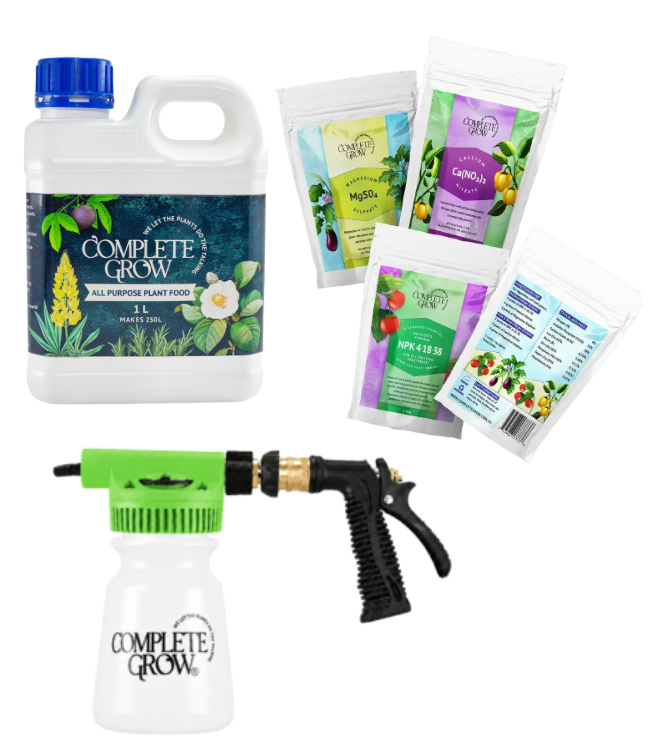
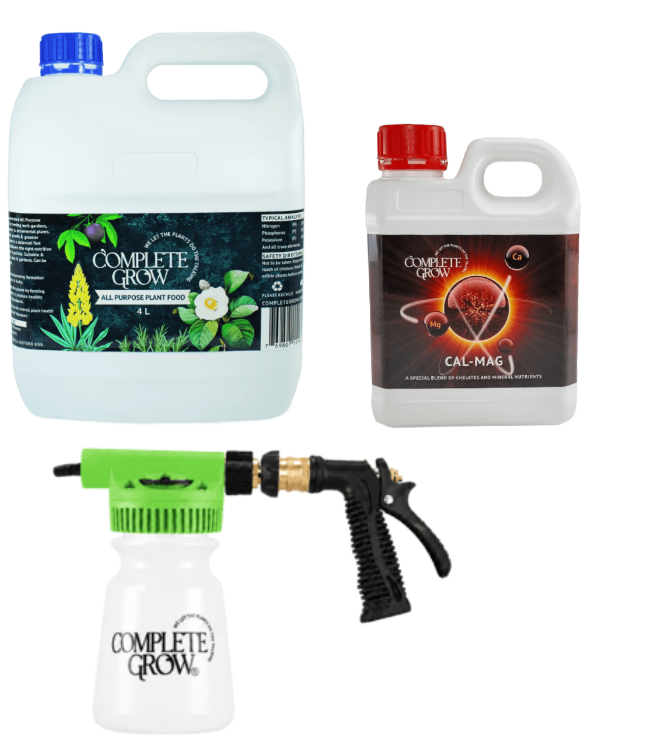
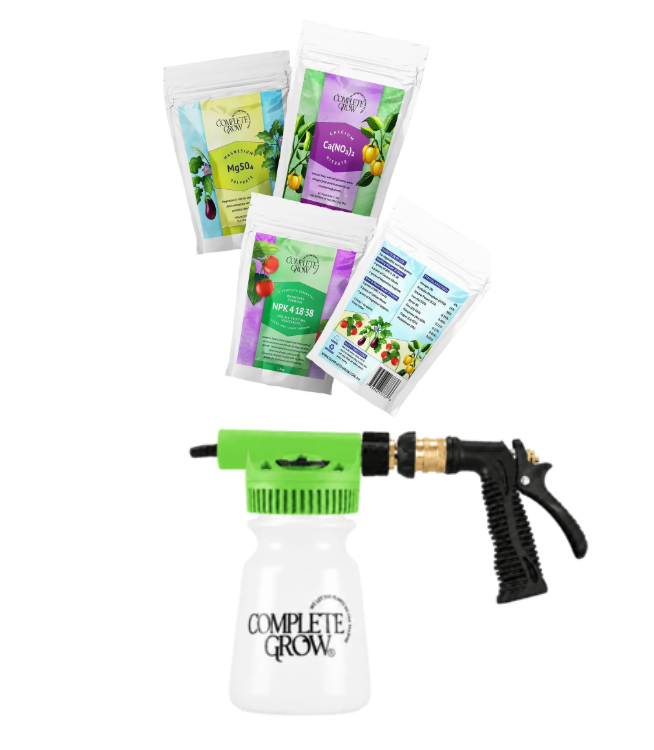
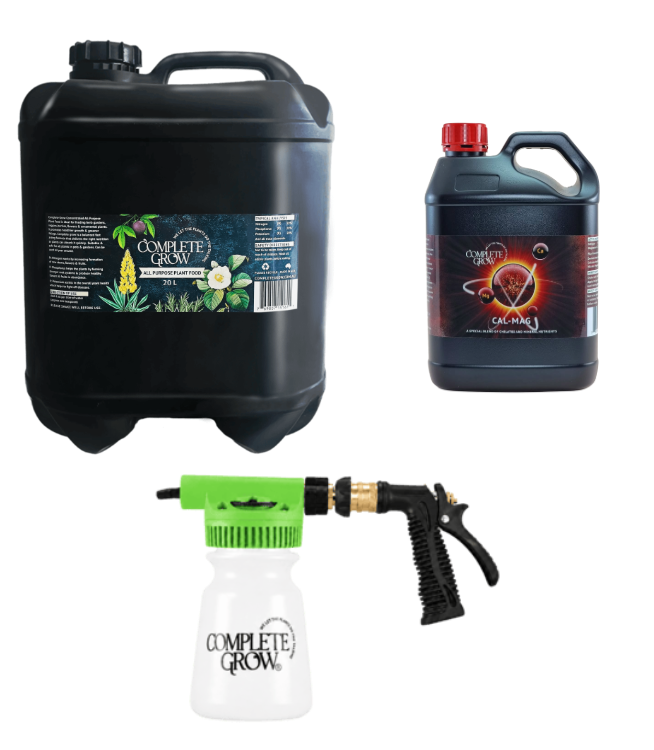
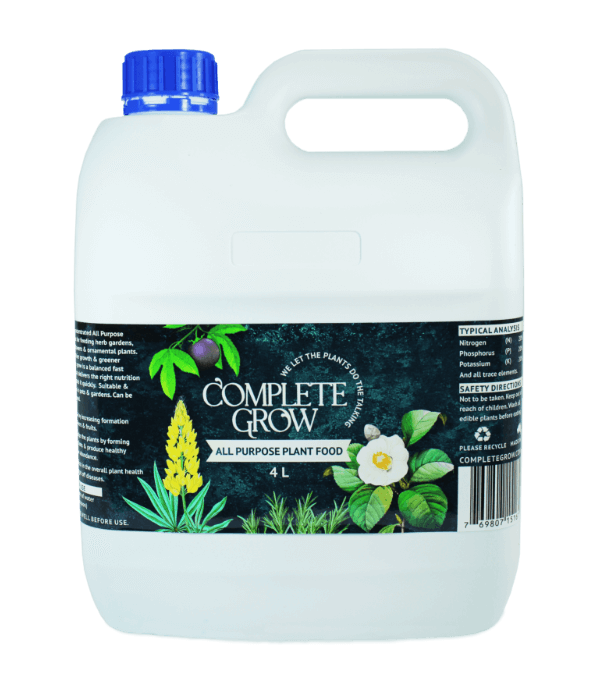
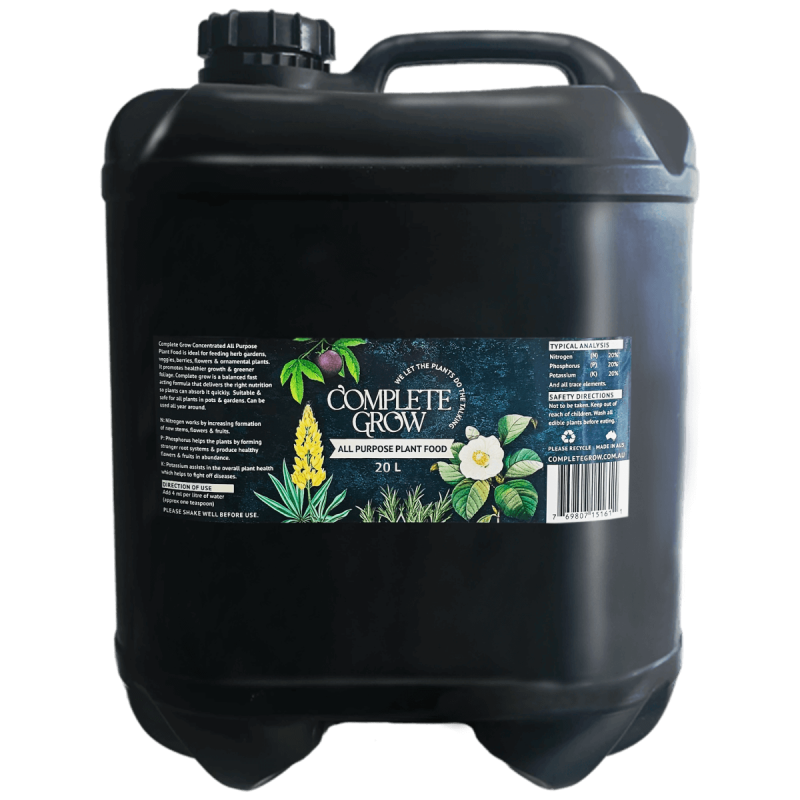
All Purpose Plant Liquid Fertiliser – Formulated from NPK 20-20-20 & Micro Nutrients
The Grow Blog
Seasonal tips from our growers, written for real Aussie gardens.