
Care for Pumpkin🎃 Plants
Transform Your Garden into a Personal Paradise!
How to Care for Pumpkin Plants (Australia)
Pumpkins are vigorous, heat-loving vines that reward consistent care with heavy, sweet fruit. The formula is simple but strict: warm soil, deep watering, steady balanced nutrition, space to sprawl, clean foliage, and strong pollination. Nail those and you’ll harvest earlier, bigger, and sweeter.
At a Glance: Care Checklist
- Sun: Full sun, 6–8+ hrs/day
- Soil: Deep, friable, organic-rich; pH 6.0–6.8; beds raised for drainage
- Spacing: Standard vines 1–1.5 m apart, rows 2 m apart; giants 2 m × 2.5–3 m
- Watering: Deep soak 20–30 mm per session, 2–3×/week (weather dependent)
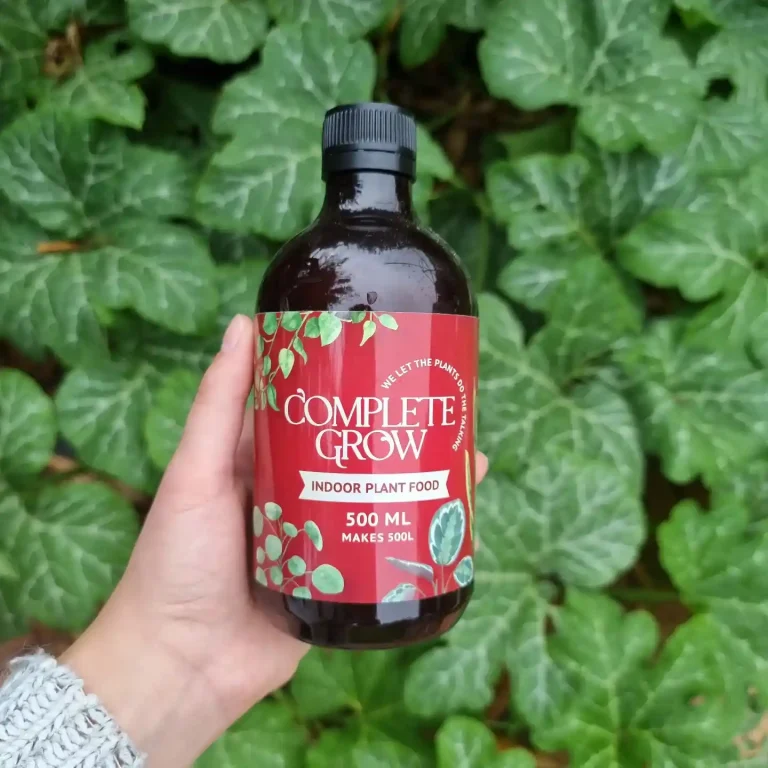
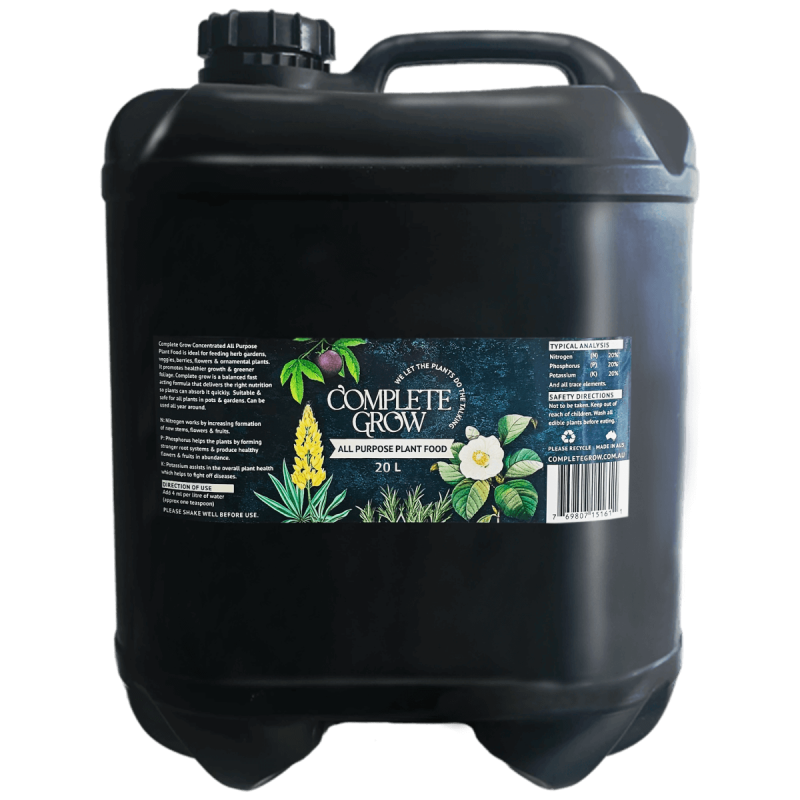
- Feeding: Weekly with CompleteGrow NPK 20-20-20 at 3–4 ml/L from true leaves
- Training: Guide main runner; prune selectively after set to focus fruit
- Disease control: Keep leaves dry, improve airflow, mulch soil, remove infected foliage
- Pollination: Encourage bees; hand-pollinate if fruit set is patchy
Quick Tip: Lots of vines, few fruit? You’re pushing nitrogen or shade. Switch to balanced feeding, increase sun/airflow, and hand-pollinate early mornings.
Site & Soil Preparation
Warm, draining, fertile soil is non-negotiable. Work the top 30–35 cm until crumbly. Incorporate 2–3 buckets of mature compost per m² (avoid fresh manure at planting — it drives leaves over fruit). Aim for pH 6.0–6.8. In clay, raise beds 15–25 cm and blend in coarse sand + compost; in sandy soils, add extra compost to hold moisture and nutrients.
Regional Timing (AU)
- Cool/Temperate (VIC, TAS, highlands): Plant late Oct–Nov once nights >12–14°C; consider black plastic/row cover to warm soil.
- Warm/Subtropical (NSW coast, SA, south WA): Plant Oct–Dec; irrigate deeply through summer.
- Tropical & NT/north WA: Sow in the dry/cool season (Apr–Jul); avoid monsoonal humidity.
Watering: Depth, Frequency & Technique
Pumpkins need deep, even moisture for cell expansion and sugar loading. Replace multiple light sprinkles with 20–30 mm per irrigation (use a rain gauge or tuna can to verify). Typical cadence is 2–3 deep soaks/week, shifting to every 2 days in heatwaves on sandy soils. Always water at the soil line; keep leaves dry to limit powdery mildew.
- Mulch: Apply 5–8 cm straw or sugarcane mulch after soil warms to stabilise moisture and reduce splash-borne disease.
- Fruit swell window: From set to 3–4 weeks after, never let the soil fully dry — spikes cause splits or stalling.
Feeding: Exact Rates & Stages
Pumpkins are heavy feeders. Use a balanced, micronutrient-complete liquid so you can dose precisely without burning roots.
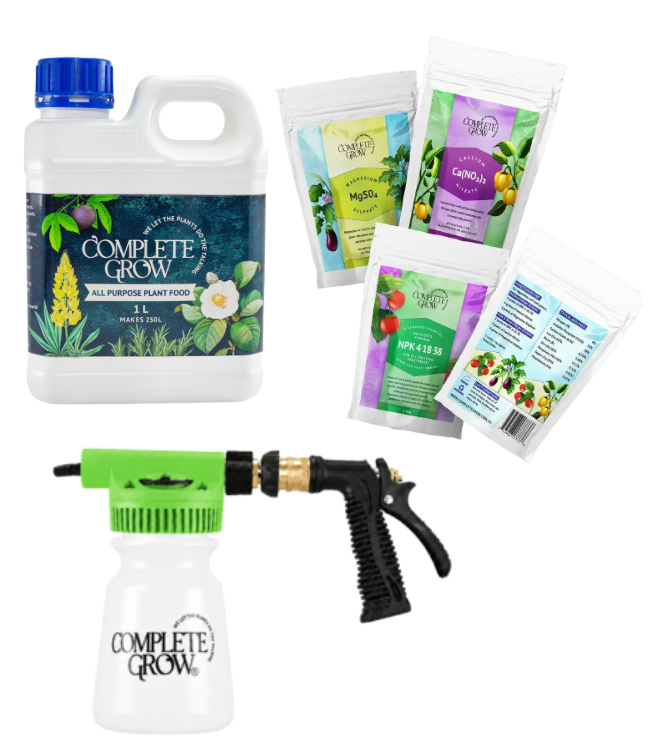
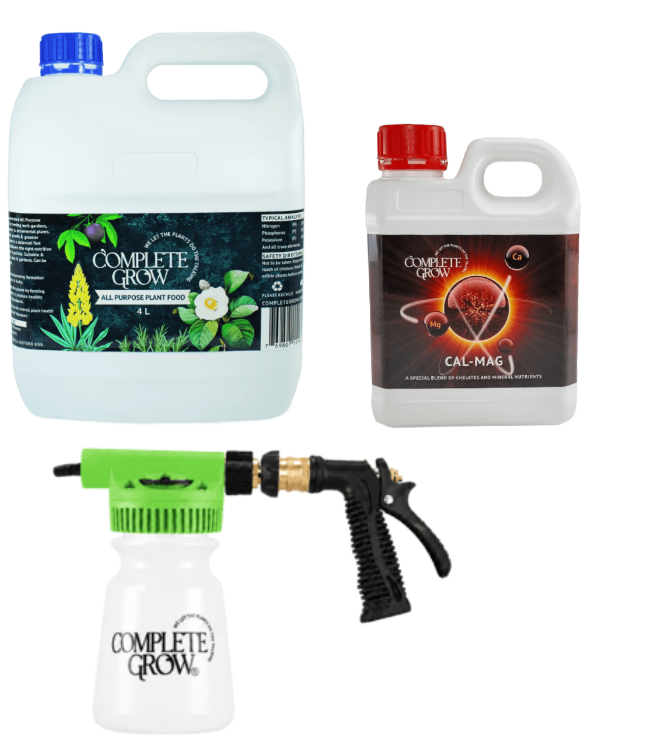
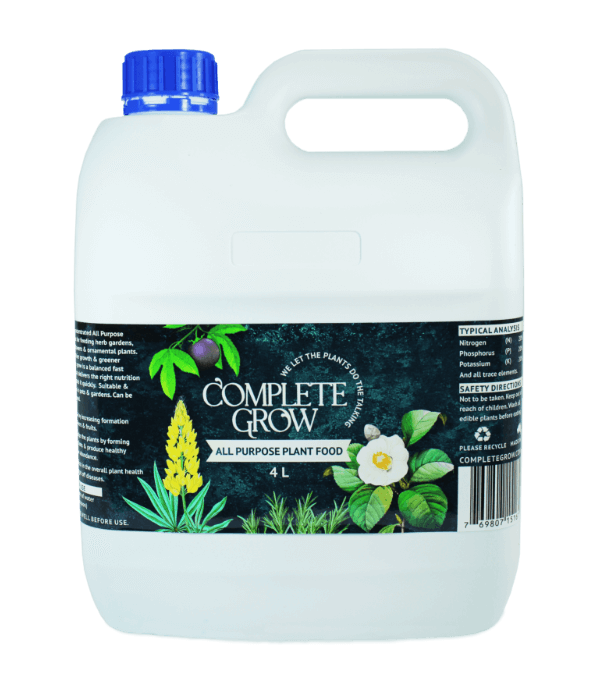
- Product: CompleteGrow All Purpose Liquid NPK 20-20-20
- Start: First true leaves → 3 ml/L weekly as soil drench around the dripline
- Vine expansion: Keep 3 ml/L weekly to build canopy for photosynthesis
- Flowering & fruit set: 3–4 ml/L every 7–10 days; avoid adding extra nitrogen (delays fruit)
- Bulking: Maintain 4 ml/L every 7–10 days; potassium in 20-20-20 drives rind colour and sugars
- Containers/raised beds: Nutrients leach fast — stick to the weekly cadence all season
Micros matter: Boron supports pollination and prevents hollow fruit; magnesium keeps leaves green for energy; calcium plus consistent moisture prevents blossom-end rot.
Training, Pruning & Fruit Load
Guide the main runner in a chosen direction; pin it lightly with U-shaped wire. Allow 1–2 strong laterals per plant and tip-prune after fruit set to push resources into sizing. For larger fruit, limit to 1–3 pumpkins per vine. Place fruit on tiles or straw to reduce rot and even out shape; gently rotate weekly early on to prevent flat spots.
Pollination: Ensure Set & Uniform Fruit
Male flowers open first; female flowers have tiny fruit behind the petals. In cool or humid spells, bee activity dips. Hand-pollinate at dawn: use a fresh male flower to dust pollen onto a female’s stigma. Repeat on consecutive mornings for reliable set. Keep flowers dry; overhead watering at bloom time can wash pollen away.
Disease & Pest Prevention (Low-Spray Strategy)
- Powdery mildew: Most common in humid heat. Keep spacing wide, water soil only, remove a few inner leaves for airflow, and re-mulch to limit splash. Avoid late-day overhead watering.
- Fruit rot: Elevate fruit on straw/tiles; maintain even watering; avoid fruit contact with soggy soil.
- Sap suckers & beetles: Interplant marigolds/sunflowers to attract beneficials; hand-pick in small plots; use insect mesh early if needed.
- Nutrient imbalance signals: Yellow interveins → magnesium shortfall; blossom-end rot → calcium/moisture inconsistency. Steady CompleteGrow 20-20-20 + consistent irrigation corrects most.
Troubleshooting: Fast Diagnostics
- Lots of leaves, few fruit: Excess N or shade; stick to balanced 20-20-20, increase sun, hand-pollinate.
- Fruit sets, then aborts: Heat stress or poor pollination; mulch, water deeply, pollinate at dawn for 2–3 days.
- Small, slow fruit: Underfeeding or dry swings; tighten to every 7–10 days at 4 ml/L; ensure 20–30 mm irrigation.
- Leaf white dusting: Powdery mildew; remove worst leaves, water soil only, increase airflow, re-mulch paths.
- Cracking fruit: Moisture spikes; switch to evenly spaced deep soaks; maintain mulch cover.
Harvest, Curing & Storage (Sweetness Maximised)
- When to harvest: Skin hard, colour rich; peduncle corky; fingernail doesn’t dent rind.
- How to cut: Leave a 5–8 cm handle to reduce rot entry.
- Curing: 10–14 days in a warm (24–30°C), airy spot out of rain/sun; this hardens rind and converts starches to sugars.
- Storage: 10–15°C, dry and ventilated; keep fruit off concrete; don’t stack heavy. Check fortnightly — remove any soft fruit.
Simple Winning Program (Copy This)
Warm, fertile, raised bed → mulch after soil warms → deep water 2–3×/week (20–30 mm) → CompleteGrow 20-20-20 3–4 ml/L every 7–10 days from true leaves → train vines + limit fruit → keep foliage dry & airy → cure 10–14 days → store cool & dry.FAQs
- Do pumpkins like manure? Only well-rotted compost pre-plant. During growth, use balanced liquid feeds for control.
- How many pumpkins per plant? Standard 2–4; for show size, restrict to 1–2 and prune excess laterals.
- Do I switch fertiliser at fruiting? No need — consistent balanced 20-20-20 already supplies potassium for bulking.
- Best mulch? Straw or sugarcane 5–8 cm deep once soil is warm; keep off stems to avoid rot.
- Pot culture? Minimum 70 L container, one plant, trellis laterals, weekly feeding essential.
Related Pumpkin Topics
- Best Fertilizer for PumpkinsBalanced NPK for vines & fruit
- When to Fertilise PumpkinsStage-by-stage AU schedule
- When to Plant PumpkinsNSW • QLD • VIC • SA • WA • TAS • NT
- Pumpkin Spacing GuideSeeds, bush vs vining, row widths
- Pumpkin Care (AU)Watering, training, disease control
- What to Feed PumpkinsNPK ratios & advanced tips
- Save a Dying PumpkinWater, nutrients, pests & quick fixes
- Leaves Turning YellowDiagnosis table & solutions
- Not Flowering?Male vs female, N balance, timing
- No Pumpkins FormingPollination, K & B, watering
- Companion PlantingThree Sisters, what to avoid
Recommended Products
- Quick View
- Select options This product has multiple variants. The options may be chosen on the product page