Sir Walter Buffalo
Transform Your Garden into a Personal Paradise!
Add Your Heading Text Here
Sir Walter Buffalo Grass Problems: Diagnosis & Solutions (Australia Guide)
Sir Walter buffalo is known for being tough, soft underfoot and great in the Australian climate, but it can still run into issues. Common Sir Walter buffalo grass problems include brown patches, thinning in shade, weed invasion, thatch build-up, grub damage and winter yellowing. Most of these problems can be traced back to a handful of causes: mowing too low, inconsistent watering, poor drainage, compacted soil or a lack of nutrients.
The good news is that Sir Walter buffalo grass usually recovers well once the underlying problem is identified and corrected. Instead of throwing random products at the lawn, it helps to approach Sir Walter buffalo grass problems like a simple checklist: look at colour, texture, traffic, shade, watering pattern and recent weather. From there you can decide whether the issue is more likely to be stress, pests, disease or nutrition.
Understanding Why Sir Walter Buffalo Lawns Develop Problems
Most Sir Walter buffalo lawn problems fall into a few broad categories: stress from mowing or watering, soil issues, pests, diseases and nutrient deficiency. Sir Walter is a warm-season turf, so it thrives in warmth and light, and slows down in winter or heavy shade. When care practices donโt match these needs, the lawn shows stress in the form of discoloured or patchy growth.
- Mowing stress: Cutting the lawn too low (โscalpingโ) exposes stems and runners, causing brown patches, weak regrowth and more weed invasion.
- Watering issues: Shallow, frequent watering encourages shallow roots, while long dry periods can cause grey, dull patches that later turn brown.
- Soil compaction: Heavy traffic or clay soils can become hard and compacted, restricting roots and leading to thin, weak Sir Walter buffalo grass.
- Shade and airflow: Extended shade, overhanging trees and poor airflow can cause thinning, fungus and persistent damp patches.
- Nutrient deficiency: Lack of nitrogen and key micronutrients often shows as pale, patchy or yellowing leaves rather than deep, even green.
Once you recognise which of these is driving your Sir Walter buffalo grass problems, it becomes much easier to choose the right fix, whether that is adjusting mowing height, improving watering, aerating the soil or using a quality liquid lawn fertiliser to restore colour and growth.


Common Sir Walter Buffalo Grass Problems and How to Fix Them
1. Brown or Yellow Patches
Brown or yellow patches are one of the most common Sir Walter buffalo grass problems. The cause can be drought stress, scalping, pet urine, compacted soil, grub damage or disease. Start by checking how easily the turf lifts; if it peels up like a loose rug and you see white grubs underneath, insects are likely involved. If the turf stays anchored but feels hard and dry, it is more likely to be water or soil related.
- Raise mowing height and avoid cutting more than one-third of the leaf at a time.
- Water deeply but less often, allowing the surface to dry slightly between sessions.
- Treat confirmed grub infestations with a suitable lawn insecticide as directed.
- Remove pet urine patches by flushing with water and lightly topdressing if needed.
2. Thinning in Shade and Bare Spots
Another frequent Sir Walter buffalo grass problem is thinning in shade. Sir Walter handles more shade than many other warm-season grasses, but it still needs a reasonable amount of light. Heavy tree cover, high fences and south-facing aspects can cause the lawn to thin out, leaving bare or mossy areas.
- Gently prune trees or shrubs to allow more light and airflow where possible.
- Raise mowing height in shaded zones so more leaf is left for photosynthesis.
- Reduce traffic in the worst areas and consider stepping stones or garden beds if shade cannot be improved.
- Lightly topdress, replant runners or use Sir Walter buffalo plugs to fill persistent bare patches once conditions improve.
3. Thatch, Spongy Feel and Poor Drainage
Thick thatch and a spongy feel underfoot are also common Sir Walter buffalo lawn problems. Over time, clippings, runners and organic matter can build up between the leaf and soil. This can hold water, encourage disease and reduce the effectiveness of watering and fertilising. Heavy, compacted soil with poor drainage makes the problem worse.
- Core aerate compacted areas to improve air and water movement into the root zone.
- Remove excess thatch with gentle de-thatching or a light vertical mow in the growing season (taking care not to scalp).
- Topdress lightly with a sandy loam after aeration to smooth the surface and improve soil structure over time.
- Adjust watering so the lawn is not constantly wet, especially in cooler months.
4. Pale Colour and Slow Recovery
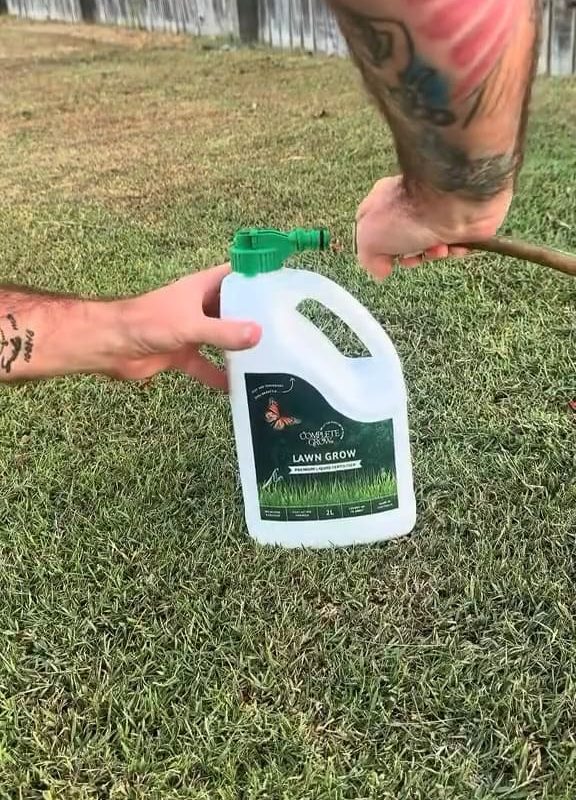
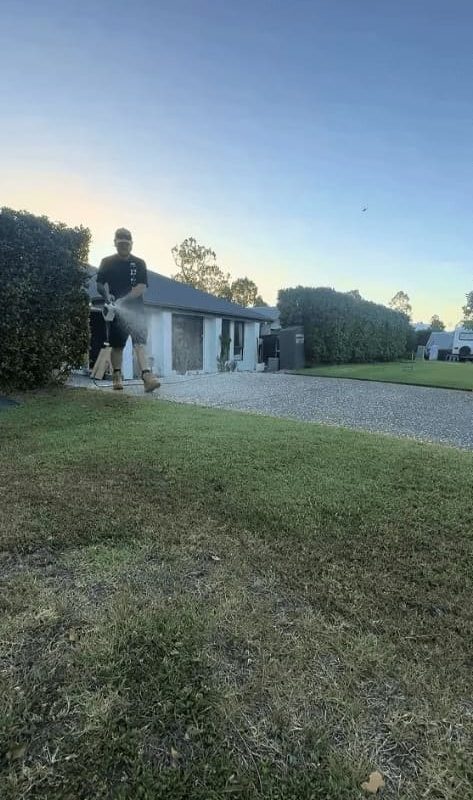
Pale, washed-out colour and slow recovery after wear usually signal a nutrient issue. This is one of the easier Sir Walter buffalo grass problems to fix. Regular feeding with a quality lawn fertiliser restores colour, thickens the lawn and helps it recover from stress. A liquid hose-on product is often the simplest way to deliver nutrients evenly across the lawn.
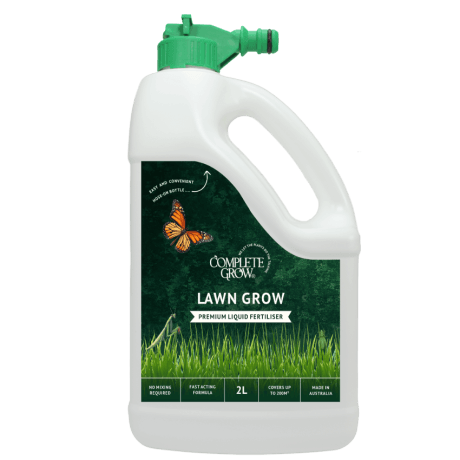
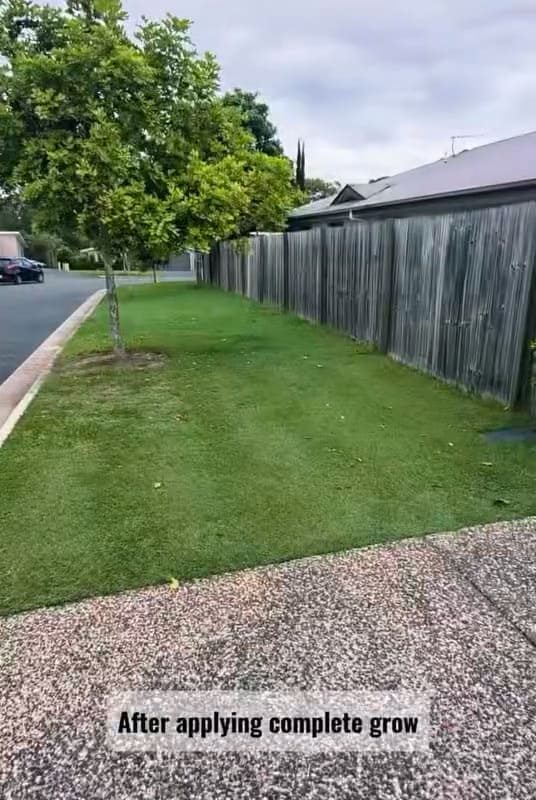
For example, a hose-on liquid such as Lawn Grow โ Hose-On Lawn Fertiliser can be applied to Sir Walter buffalo grass in spring, summer and early autumn to improve colour, density and overall resilience. Consistent feeding at the right times of year goes a long way towards preventing many appearance-related Sir Walter buffalo grass problems.


Seasonal Sir Walter Buffalo Grass Problems, Winter Care & FAQ
Some Sir Walter buffalo grass problems show up at specific times of year. In summer, heat, heavy use and dry winds can cause dry, crunchy patches if watering and mowing are not adjusted. In winter, the lawn may lose colour, thin out in damp shade and become more prone to fungus if the soil stays wet and cold.
Sir Walter Buffalo Winter Care
Sir Walter buffalo grass winter care focuses on protection rather than pushing growth. The lawn naturally slows down as soil temperatures drop, so heavy fertilising and aggressive mowing are not needed. Instead, keep the lawn slightly higher, reduce watering and maintain good airflow.
- Raise the mowing height slightly to shield runners from cold and frost.
- Water only when the soil is genuinely drying out to avoid soggy, cold conditions that invite fungus.
- Keep leaves and debris off the lawn so Sir Walter buffalo grass still receives light where possible.
- Complete the main fertilising in early autumn so the lawn enters winter with stored energy.
Many Sir Walter buffalo lawn problems that appear in winter can be traced back to what did or didnโt happen in autumn. A healthy, well-fed lawn going into the cold months will cope far better with shade, frost and damp soils than a stressed one.
Sir Walter Buffalo Grass Problems FAQ
Q: Why is my Sir Walter buffalo grass turning brown in patches?
Brown patches can be caused by scalping, drought stress, pet urine, grub damage or disease. Check whether the turf lifts easily (which suggests grubs), whether the soil is very dry, or whether the mower has been cutting too low. Adjust mowing height, improve watering, and treat confirmed pests to help the lawn recover.
Q: My Sir Walter buffalo lawn looks patchy and thin. What should I do first?
Start by checking how much light the area receives, how hard the soil feels underfoot and when the lawn was last fertilised. Thinning in shade often needs more light and a higher cut, while compaction responds to aeration. Pale, thin growth usually improves after a good feed with a quality liquid lawn fertiliser and more consistent watering.
Q: How can I prevent Sir Walter buffalo grass problems rather than constantly fixing them?
Prevention comes down to a steady routine: mow at a medium height, water deeply but not every day, fertilise three times a year, and adjust care for the seasons. Aerating compacted soil, managing shade and checking for grubs or fungus during peak risk periods also helps keep problems under control.
Q: What is the best way to restore colour to tired Sir Walter buffalo grass?
If the lawn is otherwise healthy but looks pale or flat, a liquid hose-on fertiliser is a simple way to lift colour and density. A product like
Lawn Grow โ Hose-On Lawn Fertiliser
can be applied in spring, summer and early autumn to feed the lawn and support recovery from stress, helping to reduce many appearance-related Sir Walter buffalo grass problems.
Q: Is it normal for Sir Walter buffalo grass to lose colour in winter?
Some loss of colour in winter is normal for warm-season grasses, especially in colder regions or shaded areas. As long as the lawn feels firm underfoot and the stems remain alive, it can usually be brought back with good autumn preparation, sensible winter care and a return to fertilising and watering once soil temperatures rise again.
Q: When should I consider replanting sections of Sir Walter buffalo lawn?
If an area stays bare, mossy or muddy despite correcting mowing, watering and soil issues, it may be time to replant runners or turf pieces. Once drainage, light and soil structure are improved, new Sir Walter buffalo turf or plugs can be laid and then maintained carefully with a consistent care routine to avoid the same problems returning.
Sir Walter Buffalo Lawn Guides Hub
Best Fertiliser for Sir Walter Buffalo Grass
Detailed guide on the best fertiliser for Sir Walter buffalo lawns, how hose-on liquid fertiliser fits in, and how to feed for deep-green, dense buffalo turf.
Lawn Care Schedule for Sir Walter Buffalo
Season-by-season Sir Walter buffalo lawn care calendar, including mowing height, watering, feeding times, new lawn care and winter care tips.
Sir Walter Buffalo Grass Problems
Troubleshooting guide for Sir Walter buffalo grass problems: brown patches, thinning, shade stress, thatch, winter colour loss and how to fix each one.
Best Lawn Food for Sir Walter Buffalo
What makes the best lawn food for Sir Walter buffalo, how hose-on lawn food works, and how often to feed for thick, soft, dark green buffalo turf.