

Sir Walter Buffalo
Transform Your Garden into a Personal Paradise!
Sir Walter Buffalo Lawn Care Schedule (Australia Guide)
Watch: Sir Walter Buffalo Lawn Care Through the Year
A clear lawn care schedule for Sir Walter buffalo makes it much easier to keep this soft-leaf turf thick, green and comfortable underfoot all year. Instead of guessing when to mow, water or fertilise, you can follow a simple Sir Walter buffalo lawn care calendar that matches the grass growth cycle in Australian conditions.
Sir Walter is a warm-season buffalo grass. It loves warmth and sunlight, slows down in winter, and responds strongly to regular feeding and sensible watering. Good Sir Walter buffalo lawn care focuses on four pillars: mowing height, watering, fertilising, and seasonal adjustments for heat, cold and shade. When these are in place, the lawn becomes dense enough to resist weeds, recover from kids and pets, and hold its colour for longer.
Key Principles of Sir Walter Buffalo Grass Care
A good Sir Walter buffalo grass care routine doesn’t have to be complicated. The basics stay the same across most Australian backyards, with small tweaks for local climate and soil type:
- Mowing: Keep Sir Walter buffalo lawn a bit higher than fine couch lawns. A target height of around 30–50 mm in sunny areas and slightly higher in shade helps protect the runners and keep the lawn soft.
- Watering: Deep, less frequent watering encourages deeper roots. In most situations, this means longer watering sessions a couple of times per week in hot weather, and far less in cool or wet periods.
- Fertilising: Feeding three times a year with a quality lawn fertiliser keeps colour strong and growth even. Liquid hose-on fertiliser is a straightforward option for caring for Sir Walter buffalo grass.
- Seasonal care: Adjust mowing height, watering and feeding amounts through spring, summer, autumn and winter rather than using the same settings all year.
Once these basics are in place, a Sir Walter buffalo lawn care schedule simply organises them into a month-by-month pattern. The sections below show how to do that in a way that works for most home lawns in Australia.
Sir Walter Buffalo Lawn Care Calendar (Season by Season)
A seasonal Sir Walter buffalo lawn care calendar helps line up mowing, watering and fertilising with how the grass is actually growing. The outline below assumes a typical Australian climate. Cooler regions may shift timings slightly, but the order stays the same.
Spring: Wake-Up and Repair (September–November)
- Mowing: Start mowing more regularly as the Sir Walter buffalo lawn begins to grow. Keep the mower high at first to avoid scalping pale winter growth.
- Watering: Increase watering as days warm up. Aim for deep watering once or twice a week instead of daily splashes.
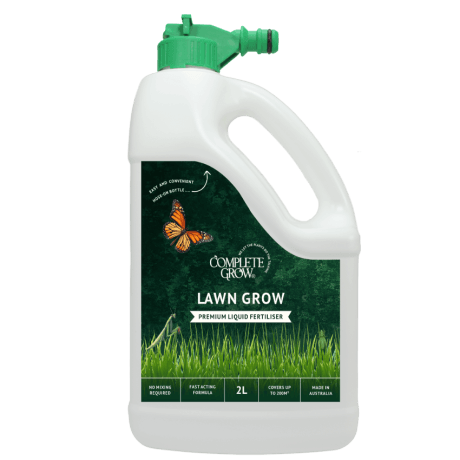
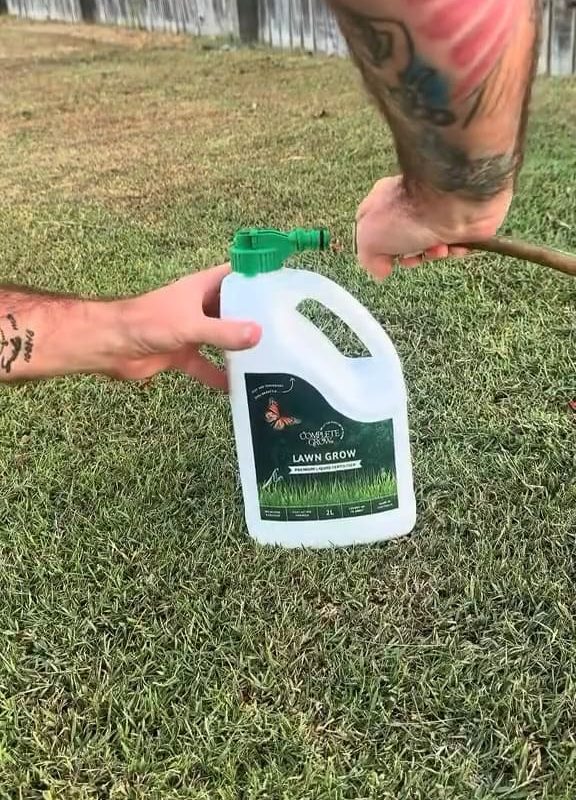
- Fertilising: Apply a quality liquid lawn fertiliser early in spring to restore colour and thickness. A hose-on product such as
Lawn Grow – Hose-On Lawn Fertiliser
is easy to apply over Sir Walter buffalo grass and gives a strong green-up without complicated mixing. - Weeds and pests: Tackle any broadleaf weeds early before the lawn thickens. Check for lawn grubs if you see sudden patchy damage.
Summer: Peak Growth and Protection (December–February)
- Mowing: Mow regularly, but avoid cutting Sir Walter buffalo too low. Keeping some leaf protects the soil and reduces heat stress.
- Watering: Hot periods may need deep watering two or three times per week, depending on rainfall and soil type. Slow, deep watering is better than frequent sprinkles.
- Fertilising: A second liquid feed in early or mid-summer keeps colour strong and helps the lawn cope with heavy use. Follow the directions on
Lawn Grow – Hose-On Lawn Fertiliser
or your chosen Sir Walter buffalo grass fertiliser. - Traffic and shade: Rotate play areas where possible, and avoid heavy objects sitting on the lawn for long periods.
Autumn and Winter: Transition and Sir Walter Buffalo Winter Care
Sir Walter buffalo autumn care and Sir Walter buffalo grass winter care focus on preparing the lawn for slower growth and cooler soils.
- Autumn fertilising: Apply a final feed in early autumn to help the lawn store energy and maintain decent colour into winter.
- Autumn mowing: Gradually raise the mowing height as temperatures drop. A slightly higher cut protects runners and reduces winter stress.
- Winter watering: Reduce watering in winter. Only water when the soil is genuinely drying out, as over-watering cold soil can cause problems.
- Winter care: Avoid heavy foot traffic on very soft or waterlogged soil. Keep leaves and debris off the lawn so the Sir Walter buffalo grass still gets light.
By following this simple calendar, Sir Walter buffalo lawn care becomes a predictable routine rather than a guessing game, and the lawn goes into each season in much better condition.
Sir Walter Buffalo Lawn Care Calendar: Month by Month
Here is the same Sir Walter buffalo lawn care calendar broken down month by month, so you know exactly when to mow, water and feed your lawn through the year. The timings suit most of Australia. In cooler areas, shift the spring jobs a few weeks later and the autumn jobs a few weeks earlier.
Spring (September–November)
September Early spring
- Mow: Start mowing as growth returns. Keep the mower high so you don’t scalp pale winter leaf.
- Water: Deep water once a week as the days warm up.
- Feed: FEED 1First feed of the year once the lawn is actively growing.
- Also: Spot-spray broadleaf weeds like bindii and clover with a buffalo-safe weed killer before they set seed.
October Mid spring
- Mow: Every 7–10 days at 30–50 mm.
- Water: Deep water once or twice a week.
- Feed: None this month.
- Also: Fill low spots and bare patches with a thin top-dressing of sandy loam while growth is strong.
November Late spring
- Mow: Weekly as growth speeds up.
- Water: Deep water twice a week in warm spells.
- Feed: None this month.
- Also: Check for lawn grubs if brown patches appear suddenly. See Sir Walter Buffalo Grass Problems.
Summer (December–February)
December Early summer
- Mow: Weekly. Leave it a little longer during heatwaves.
- Water: Deep water 2–3 times a week, early in the morning.
- Feed: FEED 2Second feed (December or January) to hold colour through heavy summer use.
- Also: Rotate play areas and move pools, furniture and toys regularly.
January Mid summer
- Mow: Every 5–7 days. Never cut too low in the heat.
- Water: Deep water 2–3 times a week, early in the morning.
- Feed: FEED 2Do it now if you didn’t feed in December.
- Also: Watch for lawn grubs and armyworm: sudden brown, chewed patches.
February Late summer
- Mow: Weekly.
- Water: 2–3 times a week in the heat, less after rain.
- Feed: None this month.
- Also: Keep checking for grubs and spot-weed any summer weeds.
Autumn (March–May)
March Early autumn
- Mow: Every 7–10 days. Start raising the cut.
- Water: Once or twice a week, less as it cools.
- Feed: FEED 3Final feed of the year so the lawn stores energy for winter.
- Also: Repair worn patches before growth slows.
April Mid autumn
- Mow: Every 10–14 days with the mower raised.
- Water: Once a week or less.
- Feed: None this month.
- Also: Rake up falling leaves so the grass still gets light.
May Late autumn
- Mow: Every 2–3 weeks on a high cut.
- Water: Only when the soil is drying out.
- Feed: None this month.
- Also: Keep leaves and debris off, and trim back overhanging shade where you can.
Winter (June–August)
June Early winter
- Mow: Rarely, and only if it’s still growing. Highest setting.
- Water: Only when dry. Don’t water cold, wet soil.
- Feed: None this month.
- Also: Avoid heavy traffic on soft or frosty lawn.
July Mid winter
- Mow: Rarely, on the highest setting.
- Water: Only when dry.
- Feed: None this month.
- Also: Service the mower and sharpen the blade ready for spring.
August Late winter
- Mow: A light tidy-up only if needed. Don’t scalp.
- Water: Only when dry. Water more late in the month if it’s warm and dry.
- Feed: None this month.
- Also: Start spraying winter weeds like bindii with a buffalo-safe product before they flower.
Free Printable Lawn Care Calendar (PDF)
The whole year on one A4 page. Print it and stick it in the shed or garage.
Sir Walter Buffalo New Lawn Care, Winter Care and FAQs
Sir Walter buffalo new lawn care needs a slightly different approach to an established lawn. Freshly laid turf or new runners should be allowed to root down firmly before heavy traffic or aggressive mowing starts. After that, the lawn can move into the normal lawn care schedule for Sir Walter buffalo described above.
- First 2–3 weeks: Keep the soil consistently moist so new Sir Walter buffalo turf can root into the soil. Avoid long, heavy watering that causes pooling; aim for light but regular sessions.
- First mow: Wait until the lawn has rooted firmly (you should not be able to lift the turf easily). Use a high mower setting and take off only the tips of the leaf.
- First fertiliser: Once the new lawn is established and growing, a gentle application of a liquid lawn fertiliser such as Lawn Grow – Hose-On Lawn Fertiliser can be used to encourage strong coverage and root growth.
- Moving to the calendar: After the first few months, the new Sir Walter buffalo lawn can follow the same seasonal mowing, watering and fertilising pattern as an established lawn.
For Sir Walter buffalo winter care on an established lawn, the main goals are to protect the runners, minimise stress and avoid over-watering cold soil. A slightly higher mowing height, good drainage and cleared debris go a long way towards keeping the lawn healthy until growth speeds up again in spring.
Sir Walter Buffalo Lawn Care FAQ
Q: What is a simple yearly lawn care schedule for Sir Walter buffalo?
A practical schedule is: fertilise in early spring, early summer and early autumn; mow regularly at a medium height through the growing season; water deeply a few times per week in hot weather; and raise mowing height while reducing watering during winter. This pattern covers most of the core Sir Walter buffalo lawn care needs.Q: How often should I water Sir Walter buffalo grass?
In hot weather, most Sir Walter buffalo lawns prefer a deep watering two or three times per week, depending on soil and rainfall. In cooler or wet periods, watering can be reduced. The surface should be allowed to partly dry between waterings so roots reach deeper, which improves drought tolerance.Q: How low can I mow a Sir Walter buffalo lawn?
Sir Walter buffalo grass does best at a slightly higher height than fine couch. Aim for around 30–50 mm in full sun and a little higher in shaded areas. Scalping (cutting too low so stems are exposed) can lead to weak patches and weed invasion, so keeping some leaf is an important part of caring for Sir Walter buffalo grass.Q: What is the best way to fertilise Sir Walter buffalo?
A liquid hose-on lawn fertiliser is one of the easiest ways to feed Sir Walter. A product such as Lawn Grow – Hose-On Lawn Fertiliser connects directly to a garden hose and can be sprayed evenly over the lawn, making it simple to follow a seasonal Sir Walter buffalo lawn care calendar without special equipment.Q: How do I care for Sir Walter buffalo lawn in winter?
In winter, raise the mowing height slightly, reduce watering and keep the lawn free of leaves and heavy shade where possible. Heavy fertilising in the coldest months is not usually needed. Most of the work for Sir Walter buffalo grass winter care happens in autumn, when a final feed and sensible mowing sets the lawn up for the cooler period.Q: When can I start mowing and fertilising a new Sir Walter buffalo lawn?
Wait until the new turf has rooted firmly into the soil before mowing, and use a high cut for the first few mows. Once the lawn is clearly growing and filling in gaps, a light application of liquid fertiliser can be used, then the lawn can move onto the normal lawn care schedule for Sir Walter buffalo for your region.Q: Is weed and feed safe for Sir Walter buffalo? Only if the label says it’s safe for buffalo grass. Many broadleaf weed killers, including some weed-and-feed products, can damage buffalo lawns. Check the label before you spray, and spot-treat weeds instead of spraying the whole lawn.
Q: When should I start mowing Sir Walter buffalo in spring? Start when the lawn is actively growing again, which is usually September in most of Australia. Keep the mower high for the first few cuts so you don’t scalp the pale winter leaf.
Q: Why is my Sir Walter buffalo turning yellow? Common causes are hunger after winter, too much or too little water, shade, and lawn grubs. Feed in early spring, water deeply but less often, and check for grubs if patches appear suddenly. See Why Is My Buffalo Grass Turning Yellow? for the full fix list.
Sir Walter Buffalo Lawn Guides Hub
Best Fertiliser for Sir Walter Buffalo Grass
Detailed guide on the best fertiliser for Sir Walter buffalo lawns, how hose-on liquid fertiliser fits in, and how to feed for deep-green, dense buffalo turf.
Lawn Care Schedule for Sir Walter Buffalo
Season-by-season Sir Walter buffalo lawn care calendar, including mowing height, watering, feeding times, new lawn care and winter care tips.
Sir Walter Buffalo Grass Problems
Troubleshooting guide for Sir Walter buffalo grass problems: brown patches, thinning, shade stress, thatch, winter colour loss and how to fix each one.
Best Lawn Food for Sir Walter Buffalo
What makes the best lawn food for Sir Walter buffalo, how hose-on lawn food works, and how often to feed for thick, soft, dark green buffalo turf.
Recommended Products
The Grow Blog
Seasonal tips from our growers, written for real Aussie gardens.