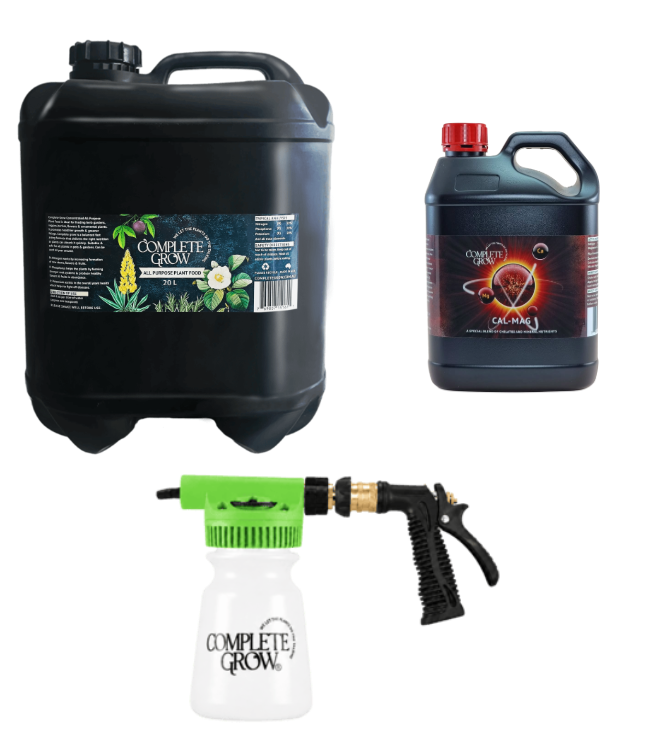

mango🥭
Transform Your Garden into a Personal Paradise!
Mango Trees: When & How to Feed for Juicy, Productive Harvests
The best fertiliser for mango trees in Australia is a balanced NPK 20-20-20 after winter, then a high-phosphorus, high-potassium NPK 4-18-38 with calcium and magnesium (Cal-Mag) from flowering through fruit set. The 20-20-20 ratio feeds new leaves and sets up flowering, while 4-18-38 + Cal-Mag improves fruit retention, size and flavour. Mix Complete Grow 20-20-20 liquid at 4 mL per litre of water.
Mango trees are a tropical favourite that thrive in many parts of Australia—when given the right care and nutrients. Whether you’re growing in Perth, Darwin, Queensland or a warm coastal region, this guide walks you through how to fertilise mango trees, when to feed, and which products give the best results.
Good Fertilizer for Mango Tree: Feed for Fruit, Flowers & Foliage
Mango trees are iconic in Australian backyards—from Brisbane to Broome, they thrive in warm, subtropical climates. But to produce sweet, juicy mangoes year after year, you need to give them the right nutrients at the right time. Using a good fertilizer for mango tree health is essential for promoting flower formation, root strength, and consistent fruit set. Whether you’re growing a Kensington Pride, R2E2, or Nam Doc Mai, your mango tree will reward you with better yields when properly fed.
Ideal Conditions for Growing Mango Trees
- Climate: Best suited to tropical and subtropical climates but also grow well in warm temperate areas with minimal frost.
- Sunlight: Choose a full sun location with good airflow.
- Soil: Needs free-draining soil with a slightly acidic to neutral pH. Avoid heavy clay or compacted soils.
- Spacing: Plant 4–6 metres apart depending on the variety and size of your space.
How Mango Trees Grow
Mangoes are evergreen tropical trees that can reach up to 10 metres in height. Their annual growth cycle includes:
- Spring: Flowering begins after winter dormancy
- Late Spring to Summer: Fruit sets and begins to mature
- Autumn: Harvesting and preparation for dormancy
- Winter: Minimal growth, root and branch development
To support these stages, a good fertilizer for mango tree success must supply balanced macronutrients and trace minerals to encourage both vegetative and reproductive growth.
Nutrient Needs of Mango Trees
The most important nutrients for mango trees include:
- Nitrogen (N): Drives leafy growth and shoot development
- Phosphorus (P): Supports flowering and fruit formation
- Potassium (K): Enhances fruit size, taste, and shelf life
- Magnesium and Zinc: Prevent fruit drop and leaf yellowing
Deficiencies in these nutrients can lead to poor flowering, small fruit, and slow growth. Applying a good fertilizer for mango tree growth ensures your tree remains productive and vibrant all year.
What Is the Best Fertiliser for Mango Trees?
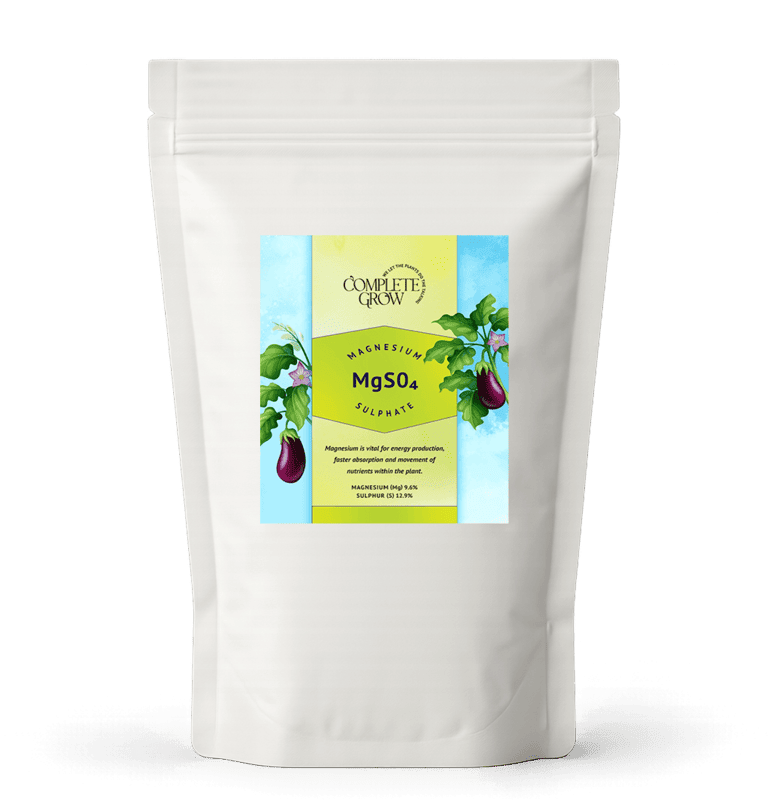
Mango trees need nitrogen early in the season for leaf growth, then shift to phosphorus and potassium to support flowering, fruit set, and fruit size. Calcium and magnesium are also important to prevent leaf curl and improve fruit quality.- NPK 20-20-20 – Use during the early growth phase for a balanced supply of all three key nutrients. Encourages lush foliage and strong branches.
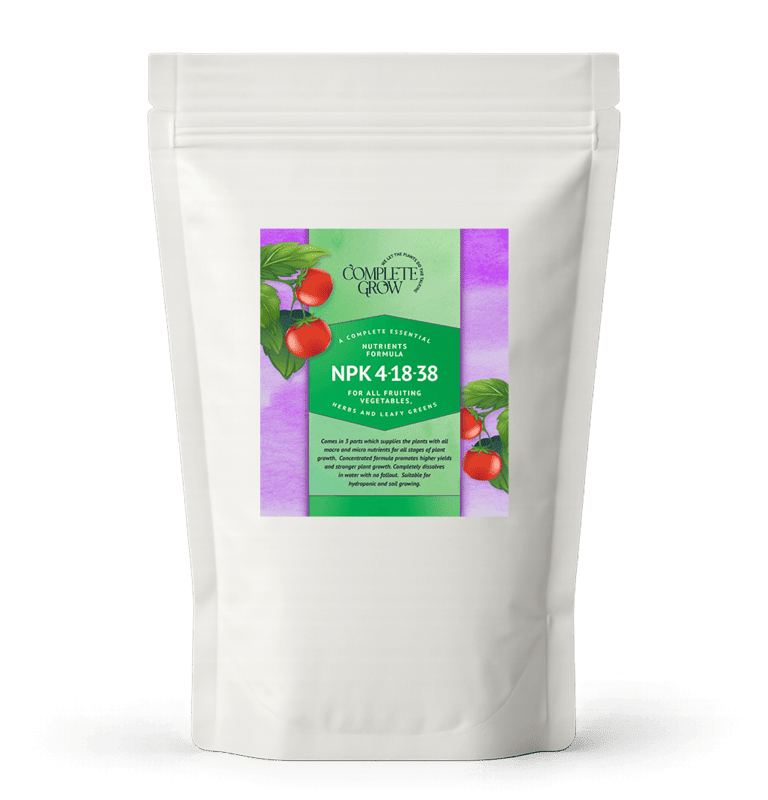
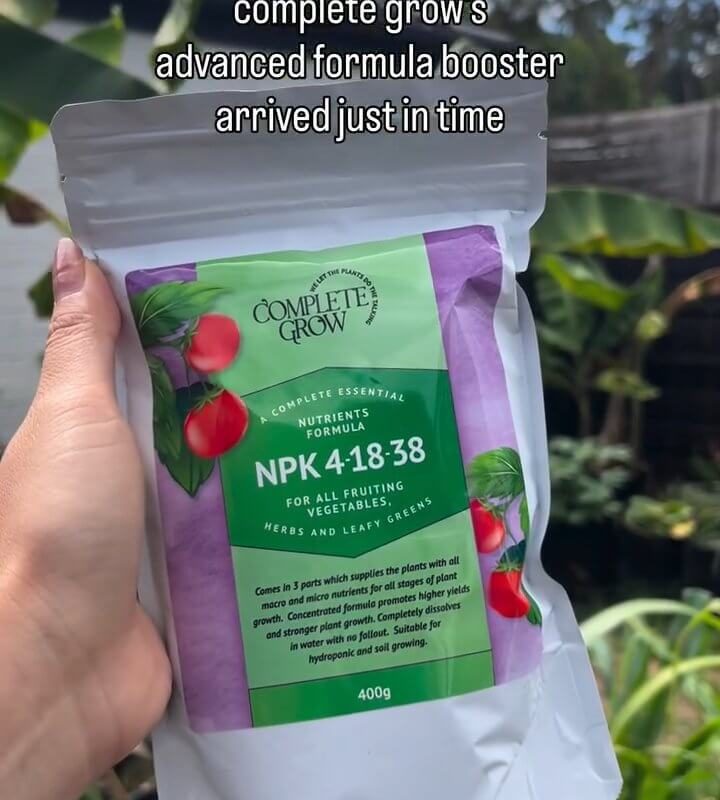
- NPK 4-18-38 + Cal-Mag – Ideal for flowering and fruiting phases. Improves fruit retention, flavour, and reduces nutrient stress in hot weather.
What Fertilizer is Good for Mango Trees?
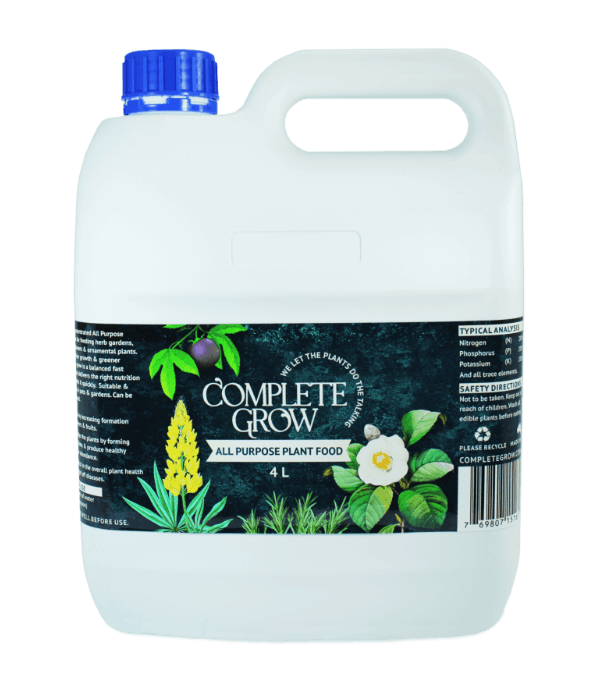
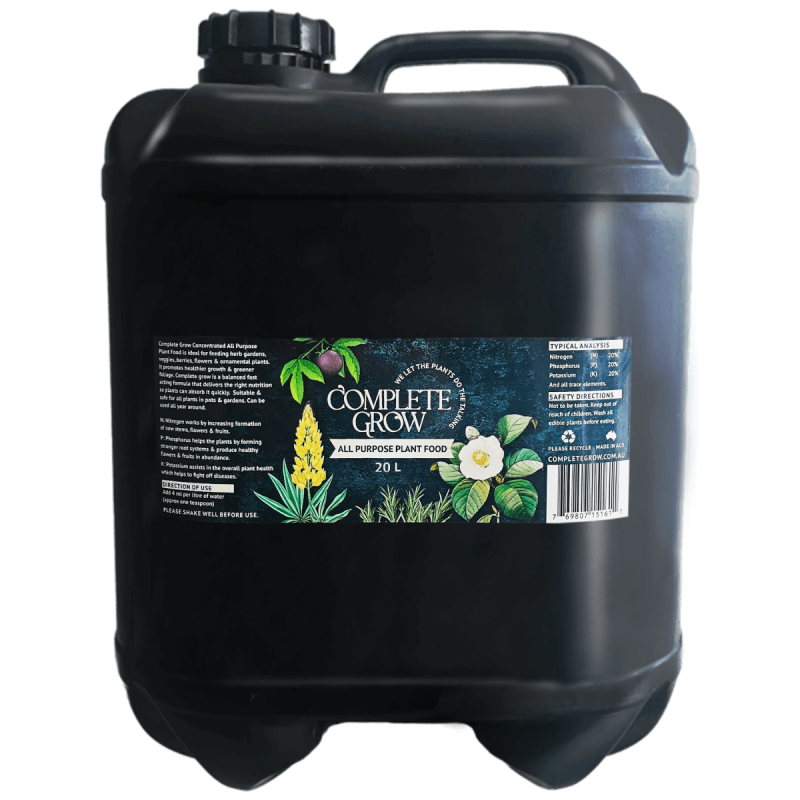
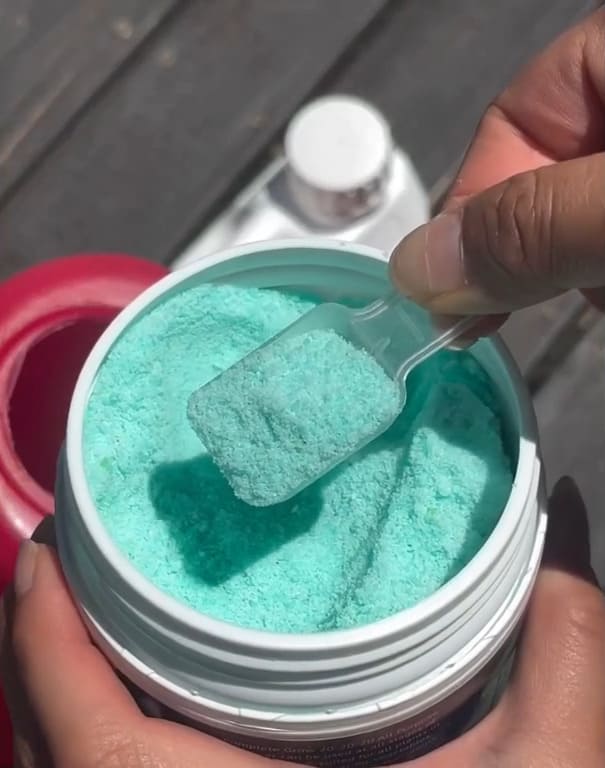
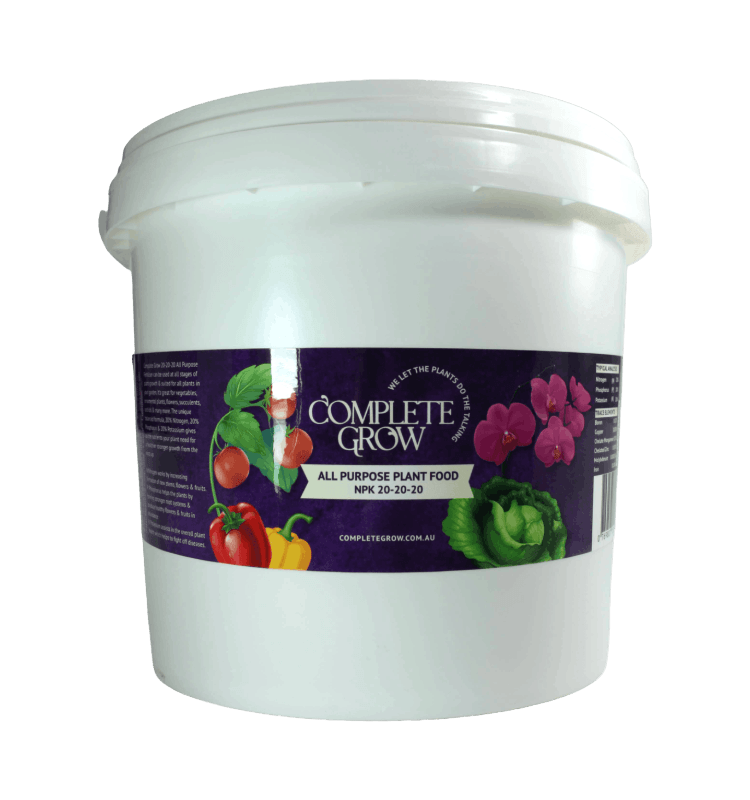
If you’re wondering what fertilizer is good for mango trees, the answer lies in balance, solubility, and nutrient availability. Mangoes are long-lived trees with deep roots, so the ideal fertiliser must provide consistent feeding without overwhelming the soil. The best option is CompleteGrow 20-20-20 Liquid Fertiliser, which delivers a fast-acting, full-spectrum nutrient mix.
Here’s why this is a good fertilizer for mango tree growth:
- 20% Nitrogen: Supports lush, green leaf development
- 20% Phosphorus: Promotes healthy roots and flower buds
- 20% Potassium: Improves mango fruit size, sugar levels, and colour
This formula is ideal for both young and mature trees. It can be applied directly to the soil or used as a foliar spray to provide rapid correction of nutrient deficiencies.
When to Fertilise Mango Trees in Australia
Feeding mango trees at the right time encourages flowering, reduces fruit drop, and improves size and sweetness.- Spring (September–October): Begin feeding as new shoots appear. Focus on nitrogen-rich fertilisers to boost leafy growth and flowering.
- Summer (December–February): Light feedings support fruit development. Avoid overfeeding during peak heat.
- Autumn (March–April): Apply a fruiting fertiliser to support late harvests and prepare for dormancy.
- Winter (May–August): No feeding during this dormant period. Use mulch to regulate soil temperature and retain moisture.
When to Fertilise Mango Trees in Perth
Western Australia’s warm, dry climate means mango trees in Perth benefit from:- Spring: Fertilise in September and again in late October.
- Summer: Fertilise lightly mid-season. Water deeply during heatwaves.
- Autumn: One final feed in March to support fruit maturity.
How to Fertilise Mango Trees
- Apply fertiliser in a wide ring around the drip line of the tree, not directly at the trunk.
- Water in well after each application to activate nutrients.
- Use a liquid feed monthly during active growth for faster uptake, especially in pots.
How to Apply Fertiliser to Mango Trees
- Spring (Sept–Oct): Apply CompleteGrow 20-20-20 at first signs of flowering
- Early Summer: Reapply to support fruit set and development
- Post-Harvest (Feb–March): Final feed to strengthen roots for next season
Avoid fertilising mango trees during winter unless they are in tropical regions like far north Queensland. Overfeeding in cooler months can lead to soft growth and fungal issues.
Complete Grow Mango Feeding Routine
- Start with NPK 20-20-20 after winter to promote healthy foliage and flower initiation.
- Switch to NPK 4-18-38 + Cal-Mag during fruit set to support mango development and flavour.
FAQs About Good Fertilizer for Mango Tree Growth
Which fertilizer is good for mango tree health?
The best fertiliser is one that provides balanced nutrients, especially during flowering and fruiting. CompleteGrow 20-20-20 Liquid Fertiliser is a good fertilizer for mango tree success due to its all-purpose NPK profile and fast absorption rate.
Can I use 10-10-10 or citrus fertiliser on mango trees?
Generic blends like 10-10-10 are often too weak for fruiting mangoes, and citrus fertilisers lack the right micronutrient balance. For best results, stick with a proven solution like CompleteGrow 20-20-20 for targeted mango feeding.
Why is my mango tree not flowering or fruiting?
This is often due to a lack of phosphorus and potassium or excessive nitrogen. Using a good fertilizer for mango tree flowering like 20-20-20 ensures better balance and stimulates proper flowering cycles in spring.
Can I fertilise mango trees in pots?
Yes! Potted mango trees need more frequent feeding due to limited soil reserves. Apply diluted CompleteGrow 20-20-20 every 2–3 weeks during the growing season for best results.
Grow Stronger Mango Trees with CompleteGrow
From first leaves to full-sized fruit, using a good fertilizer for mango tree growth ensures your tree thrives. CompleteGrow 20-20-20 Liquid Fertiliser is the trusted solution for Australian mango growers—powerful, balanced, and easy to apply. Expect richer leaves, larger fruit, and better seasonal performance.
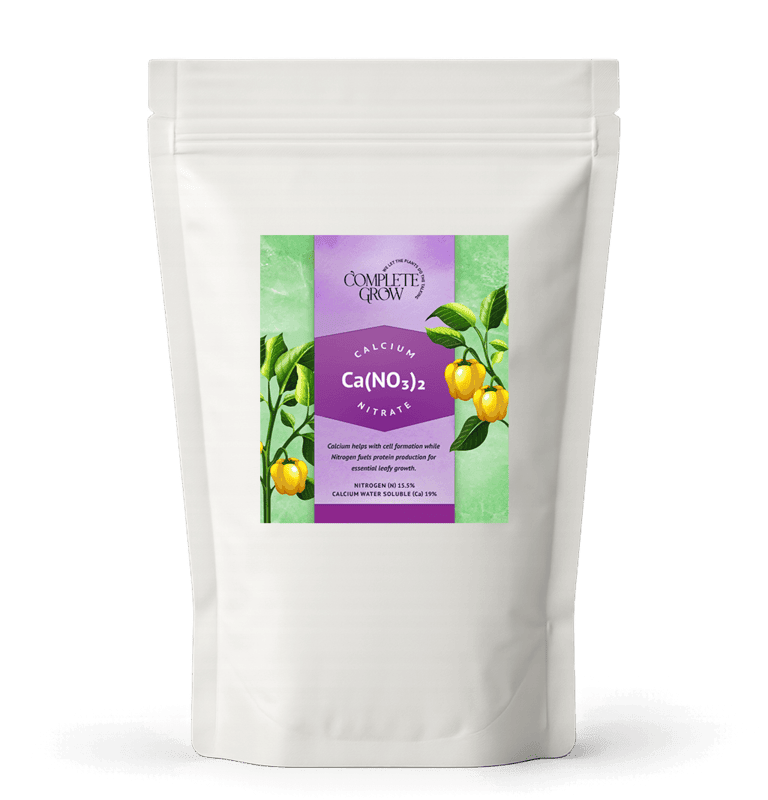
Explore our full fertiliser range to give your mango trees the nutrients they need for a fruitful, high-yielding season.Recommended Products
The Grow Blog
Seasonal tips from our growers, written for real Aussie gardens.
- Quick View
- Select options This product has multiple variants. The options may be chosen on the product page
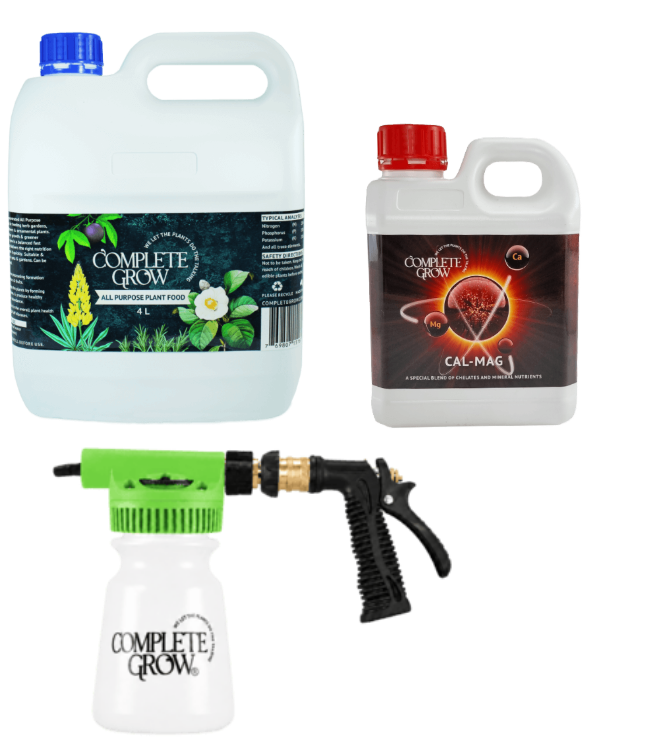
Advanced Formula – Boost Flowering & Fruiting – NPK 4-18-38 + Calcium & Magnesium
- Quick View
- Select options This product has multiple variants. The options may be chosen on the product page
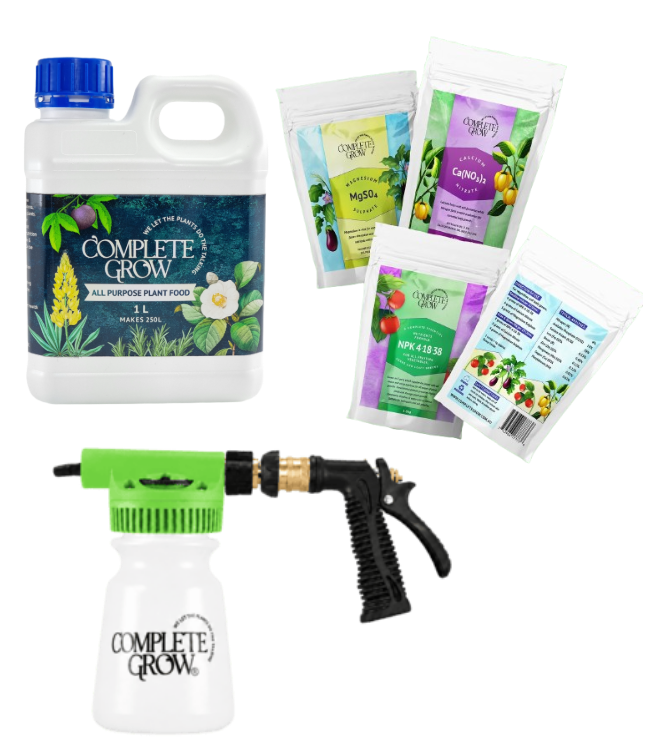
All Purpose Plant Liquid Fertiliser – Formulated from NPK 20-20-20 & Micro Nutrients
- Quick View
- Select options This product has multiple variants. The options may be chosen on the product page