
chili pepper plants
Transform Your Garden into a Personal Paradise!
Best Fertiliser for Chilli Plants: NPK, Feeding Schedule & Product Guide
Chilli plants (Capsicum spp.) are vigorous, fruiting perennials grown for their heat, flavour and yield, and they need consistent feeding to crop well. From bird’s eye and cayenne to jalapeño and habanero, their nutrient needs change as the plant moves from leafy growth into flowering and fruiting.
If your chillies are producing few pods, dropping flowers or growing lush leaves with no fruit, fertiliser is often part of the problem. Matching the NPK ratio to the plant’s growth stage helps increase yields and extend the fruiting season.
Quick answer: Feed chillies a balanced NPK fertiliser such as 20-20-20 while they are growing leaves and stems, then switch to a high-potassium fertiliser with calcium and magnesium, such as NPK 4-18-38, when the first flower buds appear.
- Leafy growth: balanced NPK 20-20-20
- Flowering and fruiting: NPK 4-18-38 + calcium + magnesium
- When to switch: at the first flower buds
- How often: about weekly while plants are actively growing
- Avoid: high-nitrogen fertilisers once flowering starts, which give lush leaves but few chillies
What Is the Best Fertiliser for Chilli Plants?
The best fertiliser for chilli plants is a water-soluble NPK fertiliser used in two stages: a balanced formula such as 20-20-20 for seedlings and leafy growth, then a low-nitrogen, high-potassium formula with calcium and magnesium, such as 4-18-38, from the first flower buds to harvest. One fertiliser rarely suits the whole season, because the nitrogen that drives leaf growth early on holds back flowering later.
For this two-stage program, we recommend:
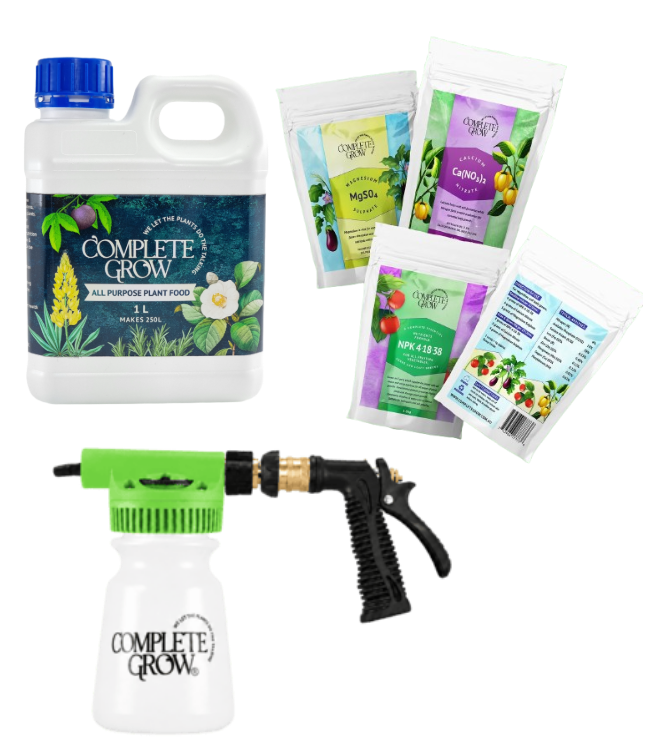
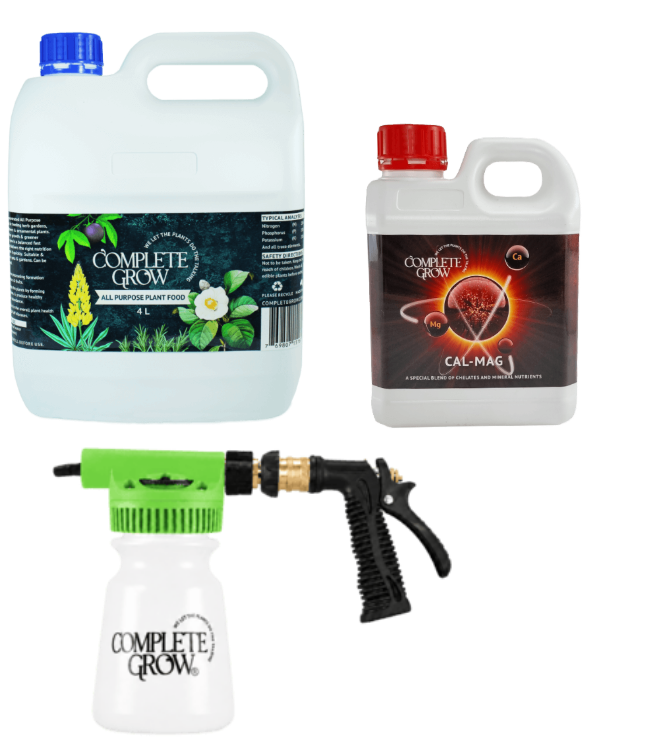
- Seedlings and leafy growth: CompleteGrow All Purpose NPK 20-20-20 Liquid Fertiliser supplies balanced nitrogen, phosphorus and potassium plus iron, zinc, manganese and boron for strong roots, stems and canopy.
- Flowering and fruiting: CompleteGrow Advanced NPK 4-18-38 + Calcium & Magnesium is a three-part system (NPK 4-18-38, calcium nitrate and magnesium sulphate) that supports flower set, pod size, firmness and colour.
Prefer a single product? The Advanced 4-18-38 system can also be used from seedlings through to harvest, starting at its lower seedling strength and increasing as plants mature.
Why a Two-Stage Program Works
- The ratio shift does the work. NPK 20-20-20 supplies equal nitrogen and potassium. NPK 4-18-38 has about 9.5 times more potash than nitrogen, which moves the plant’s energy out of leaf growth and into flowers and pods.
- Nitrogen doesn’t drop to zero. The calcium nitrate part of the Advanced system also supplies nitrate nitrogen, so plants keep enough for new growth while they carry fruit.
- Calcium and magnesium arrive when demand peaks. Calcium builds firm pod walls and helps reduce blossom-end rot, while magnesium keeps leaves green and photosynthesising under a heavy crop.
- The parts stay separate for a reason. In concentrated form, calcium reacts with phosphate and sulphate and locks nutrients up. Dissolving and applying each part separately keeps all three available to the plant.
What We’ve Seen With Commercial Growers
The same two-stage approach is what the commercial growers we work with use on other flowering and fruiting crops:
- Grape growers in the Hunter Valley (in-ground, drip-fed) recorded 15% more yield over several seasons feeding All Purpose during growth and Advanced 4-18-38 from flowering.
- A rose grower in Dural who switched to All Purpose plus Advanced 4-18-38 grew 17% more roses, with blooms lasting two weeks longer.
Grapes and roses aren’t chillies, but the principle is the same: balanced feeding to build the plant, then potassium, calcium and magnesium once it starts flowering.
What to Look for in a Chilli Fertiliser
A good chilli fertiliser is water-soluble, higher in potassium than nitrogen once plants flower, and supplies calcium, magnesium and trace elements such as boron. Check the label for:
- The NPK ratio: balanced (equal numbers) for early growth; a low first number (N) and a high third number (K) for flowering and fruiting.
- Calcium and magnesium: either in the product or supplied alongside it. Many general-purpose fertilisers supply little calcium.
- Trace elements: boron supports pollen and fruit set, while iron, zinc and manganese support healthy leaves.
- Water solubility: liquid or fully soluble feeds reach the roots quickly and make it easy to change formula when flowering starts.
- Stage-based rates: separate seedling and full-strength rates help prevent overfeeding young plants.
What NPK Ratio Do Chilli Plants Need?
Chilli plants need a balanced NPK ratio such as 20-20-20 during seedling and leafy growth, then a low-nitrogen, high-potassium ratio such as 4-18-38 during flowering and fruiting.
| Growth stage | What the plant needs most | Best NPK |
|---|---|---|
| Germination | Warmth and moisture; the seed supplies its own energy | No fertiliser |
| Seedlings and leafy growth | Nitrogen for leaves and stems, phosphorus for roots | Balanced, such as 20-20-20 (half strength for seedlings) |
| Flowering | Phosphorus and potassium, with less nitrogen | High-potassium, such as 4-18-38 |
| Fruiting and ripening | Potassium for pod fill, calcium for firm walls, magnesium for green leaves | 4-18-38 + calcium + magnesium |
Go by what the plant is doing rather than the calendar, and switch when you see the first flower buds. The feeding schedule below shows how this works across the season.
Chilli Fertiliser Options Compared
Not every fertiliser suits chillies at every stage. Here’s how common options compare.
| Fertiliser type | Suitable for chillies? | Notes |
|---|---|---|
| Balanced liquid NPK (e.g. 20-20-20) | Yes, for seedlings and leafy growth | Fast-acting and easy to measure; switch formula at flowering |
| High-potassium bloom fertiliser (e.g. 4-18-38) | Yes, for flowering and fruiting | Works best paired with calcium and magnesium |
| Tomato fertiliser | Yes | Chillies and tomatoes have very similar needs |
| Slow-release granules | As a base only | Release depends on soil temperature and moisture, so it’s hard to change the ratio at flowering |
| Chicken manure pellets | Before planting, in moderation | Nitrogen-rich; too much later in the season pushes leaf over fruit |
| Seaweed or kelp tonic | As a supplement | Very low in NPK, so it isn’t a complete fertiliser on its own |
| Lawn fertiliser | No | High nitrogen encourages leaves at the expense of flowers and pods |
Can You Use Tomato Fertiliser on Chilli Plants?
Yes, tomato fertiliser is suitable for chilli plants. Chillies and tomatoes belong to the same plant family (Solanaceae) and have very similar nutrient needs: nitrogen for early growth, then more potassium, calcium and magnesium once they flower and set fruit.
For best results, choose a tomato fertiliser that is higher in potassium than nitrogen and use it from flowering onwards. The two-stage CompleteGrow program above works for tomatoes, capsicums and eggplants as well as chillies.
Watch: Growing Chilli Plants


Chilli Fertiliser Schedule Using CompleteGrow Products
Chilli plants require different nutrients as they develop from young seedlings into productive, fruit-bearing plants. A suitable feeding schedule helps support strong early growth, healthy flowering, and continued fruit production throughout the growing season.
1. Early Growth (Weeks 1–4): Build a Healthy Plant Foundation
- Fertiliser: NPK 20-20-20 Liquid
- Rate: 5 mL per L of water, applied every 7–10 days
- Purpose: Boosts foliage growth, early photosynthesis, and root branching
During early growth, chilli plants focus on establishing roots, developing leaves, and building strong stems. Nitrogen supports healthy green foliage, while phosphorus and potassium contribute to root development and overall plant function.
A balanced fertiliser such as CompleteGrow All Purpose NPK 20-20-20 Liquid Fertiliser supplies all three primary nutrients, along with essential trace elements. This makes it suitable for supporting vegetative growth before plants begin producing flowers.
2. Flowering Onset (Weeks 5–7): Prepare for Pod Development
- Use: Continue 20-20-20 but reduce frequency to every 10–12 days
- Tip: Too much nitrogen at this stage delays flowering. Begin alternating with a fruiting fertiliser
As flower buds appear, chilli plants begin directing more resources towards flowering and fruit development. Adequate potassium becomes particularly important, supporting water regulation, nutrient movement, and developing fruit.
This is a suitable time to transition from balanced NPK 20-20-20 to a flowering and fruiting formula such as CompleteGrow Advanced NPK 4-18-38 + Calcium & Magnesium. The three-part nutrient system provides phosphorus and potassium alongside calcium and magnesium to support continued plant growth and fruit production.
3. Fruiting & Ripening (Week 8+): Feed the Pods
- Fertiliser: NPK 4-18-38 + CaMg
- Rate: 6 g per 10L of water, every 5–7 days
- Benefits: Higher potassium supports fruit fill, spice level, and bright, glossy skin
- Calcium: Prevents blossom-end rot (dark sunken fruit tips)
Once chilli plants begin setting fruit, consistent nutrition and watering become especially important. Potassium supports fruit development, while calcium contributes to healthy cell walls. Magnesium is essential for chlorophyll production, helping leaves continue photosynthesising while the plant carries fruit.
Uneven watering can interfere with calcium movement into developing fruit, increasing the risk of blossom-end rot even when calcium is present in the soil. Maintain consistent soil moisture and avoid allowing pots to dry out completely between heavy watering sessions.
For prolonged harvests, keep applying 4-18-38 + CaMg weekly for up to 3–4 months. Chilli plants can yield hundreds of pods per season if well-fed and watered correctly.
Alternative: Use Advanced 4-18-38 from Seedling to Harvest
You can also grow chilli plants using the CompleteGrow Advanced 4-18-38 three-part nutrient system throughout the growing cycle, without switching between different NPK products.
For young seedlings, begin with the recommended lower-strength nutrient recipe. As plants become established and enter flowering and fruiting, increase to the appropriate growing and flowering strength. The system combines NPK 4-18-38 with separately supplied calcium nitrate and magnesium sulphate to provide a more complete nutrient program.
Important: Always follow the current product mixing instructions for each component. The feeding rates vary with plant maturity, and the three nutrients must be dissolved and applied separately as directed.
The week numbers above are a general guide. Actual growth depends on chilli variety, temperature, sunlight, and growing conditions. Use visible growth stages, particularly the appearance of flower buds and developing fruit, to guide fertiliser changes.
When to Plant Chillies in Australia: Regional Growing Calendar
The best time to plant chillies in Australia depends on your local climate. In temperate regions such as Sydney, Melbourne, Perth, and Adelaide, chillies are generally planted outdoors during spring when temperatures rise and frost risk has passed. In tropical areas such as Darwin and Cairns, the dry season is often the best time to establish new chilli plants.
Chilli seeds germinate best in warm conditions, typically around 25–30°C. Gardeners in cooler regions can start seeds indoors during late winter or early spring, then transplant seedlings outdoors once the soil is warm and overnight temperatures are consistently mild.
| Australian Region | Start Seeds | Plant Outdoors | Typical Harvest |
|---|---|---|---|
| Sydney & Coastal NSW | July–October (indoors for early sowing) |
September–November | December–May |
| Melbourne & Victoria | August–September (indoors) |
November–December | January–April |
| Brisbane & South East Queensland | August–February | September–March | November–July |
| Perth & South West WA | August–September | September–November | December–April |
| Adelaide & South Australia | August–September (indoors) |
October–November | January–May |
| Canberra, Tasmania & Cool Highlands | August–October (indoors with warmth) |
November–December | January–April |
| Darwin, Cairns & Tropical North | April–August | May–September | July–December |
| Arid & Inland Australia | July–October (indoors if frosty) |
September–November | December–May |
These planting and harvesting periods are approximate. Local frost dates, temperature, rainfall, growing conditions, and chilli variety can shift the season by several weeks.
Growing Chillies in Temperate Australia
In Sydney, Melbourne, Adelaide, and Perth, spring is the main outdoor planting season. Starting seeds indoors before the weather warms gives seedlings extra time to establish, especially for slower-growing varieties such as habanero and other very hot chillies.
Choose a sunny location receiving at least six hours of direct sunlight daily. Once plants are established, follow the CompleteGrow feeding schedule according to their growth stage. Most harvesting occurs during summer and autumn, although the season may extend longer in sheltered, frost-free locations.
Growing Chillies in Tropical and Subtropical Australia
In tropical regions, chilli plants can often grow as short-lived perennials and produce over multiple seasons. Darwin and North Queensland growers commonly establish new plants during the drier months, when excessive rainfall and humidity are less likely to cause problems.
Subtropical areas such as Brisbane and the Gold Coast have a longer growing season, allowing earlier planting and extended harvests. Regular watering, good drainage, and appropriate feeding help maintain plant health through periods of strong growth.
Growing Chillies in Cooler Australian Regions
In Canberra, Tasmania, and other frost-prone locations, begin chilli seeds indoors using a warm position or heated seed tray. Wait until the danger of frost has passed before transplanting outdoors.
Choose early-maturing varieties such as cayenne or jalapeño where the growing season is short. Containers are particularly useful because plants can be moved into sheltered positions when cold weather returns.


Bird’s Eye & Hot Chilli Feeding Guide (Pots vs Soil)
Bird’s Eye chilli (Capsicum frutescens) is one of the most popular hot varieties grown in Australia, especially in tropical and subtropical zones. It’s compact, high-yielding, and thrives in warm weather with full sun. Because it sets fruit continuously, regular feeding is key to high yields. Bird’s Eye chillies can be grown successfully in containers, raised garden beds, or directly in the ground. However, their watering and fertiliser requirements differ depending on where they are planted. Potted chillies generally require more frequent attention because nutrients can wash out through drainage holes, while plants growing in garden soil have access to a larger root zone and naturally stored nutrients.In Pots
- Apply liquid fertiliser every 5–6 days
- Use NPK 20-20-20 early on, then switch to 4-18-38 + CaMg for fruiting
- Keep soil moist—not soggy—to ensure calcium uptake
How to Fertilise Bird’s Eye Chillies in Pots
During early growth, use CompleteGrow All Purpose NPK 20-20-20 Liquid Fertiliser to supply balanced nitrogen, phosphorus, and potassium alongside essential micronutrients. These nutrients support healthy foliage, root development, and strong stems before flowering begins. For established plants, CompleteGrow’s standard root-feeding dilution is 4 mL per litre of water, with 2 mL per litre recommended for sensitive young plants. Follow the product instructions and adjust feeding frequency according to plant growth and potting conditions. Once the first flower buds appear, transition to CompleteGrow Advanced NPK 4-18-38 + Calcium & Magnesium. This three-part fertiliser system supplies potassium-rich nutrition alongside calcium and magnesium to support developing fruit and continued plant growth. The Advanced system may also be used from the seedling stage through to harvest when all three nutrients are supplied at the recommended stage-specific strengths. Pot feeding tip: Water and fertilise according to the moisture level of the potting mix rather than following a rigid schedule. During hot weather, containers may need watering daily, but fertiliser should still be applied at an appropriate concentration and frequency to avoid salt build-up and root damage.In Garden Beds
- Apply fertiliser every 7–10 days
- Water deeply after each feed to prevent nutrient lockout
- Mulch with sugarcane or straw to hold soil moisture
How to Feed Chillies Growing in Garden Soil
During vegetative growth, apply a balanced fertiliser such as CompleteGrow NPK 20-20-20 Liquid Fertiliser around the root zone. Once flower buds begin appearing, consider switching to the CompleteGrow Advanced 4-18-38 flowering and fruiting formula. Always apply diluted nutrients to moist soil, following the relevant product instructions. Garden beds enriched with compost or existing fertiliser may require less frequent feeding than nutrient-poor sandy soils. Apply a layer of sugarcane mulch, straw, or other suitable organic mulch around the base of each plant, leaving a small gap around the stem. Mulching reduces moisture loss, moderates soil temperature, and helps keep the root zone more consistent during hot weather. Garden bed tip: Deep, consistent watering encourages healthy root development. Avoid frequent shallow watering that only moistens the soil surface. If plants are growing well and producing fruit, do not increase fertiliser simply because a scheduled feeding date has arrived.Common Issues from Poor Feeding
- Pale yellow leaves: Lack of nitrogen early on
- Flower drop: Imbalanced NPK or phosphorus deficiency
- Blossom-end rot: Calcium shortage, often from dry soil
- Low spice levels: Inadequate potassium in fruiting stage
1. Why Are My Bird’s Eye Chilli Leaves Turning Yellow?
Yellowing leaves can indicate insufficient nitrogen, especially when older leaves gradually become pale while newer growth remains greener. Nitrogen is essential for chlorophyll production and healthy foliage development. However, yellow leaves can also be caused by waterlogged soil, damaged roots, natural ageing, or deficiencies in other nutrients such as magnesium or iron. What to do: Check soil moisture and drainage first. If the plant is actively growing and appears nutrient deficient, apply an appropriate diluted balanced fertiliser such as CompleteGrow NPK 20-20-20 according to the label.2. Why Are My Chilli Flowers Falling Off Before Producing Fruit?
Flower drop is a common problem in Bird’s Eye chilli plants. While nutrient imbalance or excessive nitrogen can contribute, environmental conditions are often responsible. Potential causes include prolonged heat, cold nights, inconsistent watering, limited sunlight, and poor pollination. High temperatures can interfere with pollen viability, causing flowers to drop before fruit develops. What to do: Maintain consistent moisture, protect flowering plants during extreme heat, and avoid excessive nitrogen feeding. Where nutrient requirements justify it, transition to a suitable flowering and fruiting fertiliser. Indoor or sheltered plants may also benefit from gently shaking flowering branches to assist pollination.3. What Causes Black, Sunken Spots on Chilli Fruit?
Dark, sunken patches near the blossom end of a chilli can indicate blossom-end rot. This occurs when developing fruit does not receive sufficient calcium, often because irregular watering interferes with calcium transport through the plant. Even soil containing adequate calcium can produce affected fruit if the root zone repeatedly dries out or becomes waterlogged. What to do: Maintain even soil moisture and ensure good drainage. The calcium component in CompleteGrow Advanced 4-18-38’s three-part feeding system can help supply calcium where needed, but consistent watering remains essential. Remove severely affected fruit and monitor subsequent growth.4. Why Are My Bird’s Eye Chillies Not Very Hot?
The heat of chilli peppers comes from compounds called capsaicinoids, particularly capsaicin. Genetics plays a major role in determining how hot a chilli can become, but ripeness, temperature, water availability, and growing conditions can also influence pungency. Potassium is important for healthy fruit development, but adding extra potassium does not guarantee hotter chillies. Research indicates that certain environmental stresses can increase capsaicinoid levels in some varieties, although excessive stress can reduce yields and damage plants. What to do: Grow a naturally hot variety, provide adequate sunlight, maintain balanced nutrition, and allow fruit to reach the desired ripeness. Avoid deliberately causing severe drought stress, especially while plants are flowering or developing young fruit.How to Encourage More Bird’s Eye Chillies
For a longer and more productive chilli harvest, focus on maintaining healthy foliage, steady flowering, and consistent fruit development rather than simply applying more fertiliser.- Provide adequate sunlight: Aim for at least six hours of direct sunlight daily, with heat protection when necessary.
- Maintain consistent moisture: Avoid repeatedly allowing the growing medium to become extremely dry before watering heavily.
- Feed according to growth stage: Use balanced NPK nutrition for early development and suitable flowering and fruiting nutrients once buds appear.
- Harvest regularly: Picking mature chillies encourages continued harvesting and helps prevent plants from carrying excessive older fruit.
- Check for pests: Aphids, mites, thrips, and other pests can weaken plants and affect developing flowers and fruit.
- Maintain healthy roots: Ensure containers and garden beds drain effectively and avoid overwatering.
Bird’s Eye Chilli Growing & Fertiliser FAQs
What is the best fertiliser for Bird’s Eye chilli plants?
A balanced fertiliser such as NPK 20-20-20 is suitable for supporting early growth, while a potassium-rich feeding program can support flowering and fruit development. CompleteGrow Advanced 4-18-38, used with its calcium nitrate and magnesium sulphate components, offers a three-part feeding option for fruiting chilli plants.How often should you fertilise Bird’s Eye chillies in pots?
Actively growing potted Bird’s Eye chillies commonly benefit from liquid fertiliser approximately weekly, depending on the fertiliser strength, pot size, and growing conditions. CompleteGrow NPK 20-20-20 recommends weekly feeding during active growth. Avoid overfeeding, particularly when the potting mix already contains fertiliser.Can you grow Bird’s Eye chillies using only Advanced 4-18-38?
Yes, the complete CompleteGrow Advanced 4-18-38 three-part nutrient system can support chillies from early growth through harvest when the correct stage-specific feeding strengths are used. The program includes separate NPK 4-18-38, calcium nitrate, and magnesium sulphate components. For seedlings, the current product guide specifies 6 g NPK 4-18-38, 6 g calcium nitrate, and 3 g magnesium sulphate, each dissolved separately in 10 litres of water. For established growing and fruiting plants, the specified amounts increase to 8 g, 8 g, and 4 g respectively. Follow the manufacturer’s separate mixing and application instructions.Do Bird’s Eye chillies grow better in pots or garden beds?
Both can produce excellent harvests. Pots provide flexibility, allow plants to be moved during extreme weather, and are useful for balconies or small gardens. Garden beds provide more root space and generally retain moisture more consistently. The best option depends on available space, drainage, sunlight, and how regularly you can water.How much sunlight do Bird’s Eye chilli plants need?
Bird’s Eye chillies generally grow best with at least six hours of direct sunlight daily. Adequate light supports strong growth, flowering, and fruit development. In exceptionally hot Australian conditions, some afternoon shade can help protect plants from temperature stress.Why is my Bird’s Eye chilli plant producing leaves but no fruit?
Excessive nitrogen, insufficient sunlight, high temperatures, poor pollination, or inconsistent watering may contribute to plants producing foliage without setting fruit. Check the growing conditions before increasing fertiliser. If the plant is healthy and developing flower buds, a properly balanced fruiting fertiliser program may help support continued flowering and fruit development.How long do Bird’s Eye chilli plants live in Australia?
Bird’s Eye chillies can survive for several years in suitable frost-free conditions. In tropical and warm subtropical regions, established plants may continue growing and cropping across multiple seasons. In cooler regions, plants may need protection from frost or overwintering in a sheltered location to survive until spring.recommended by our growers
What we'd use

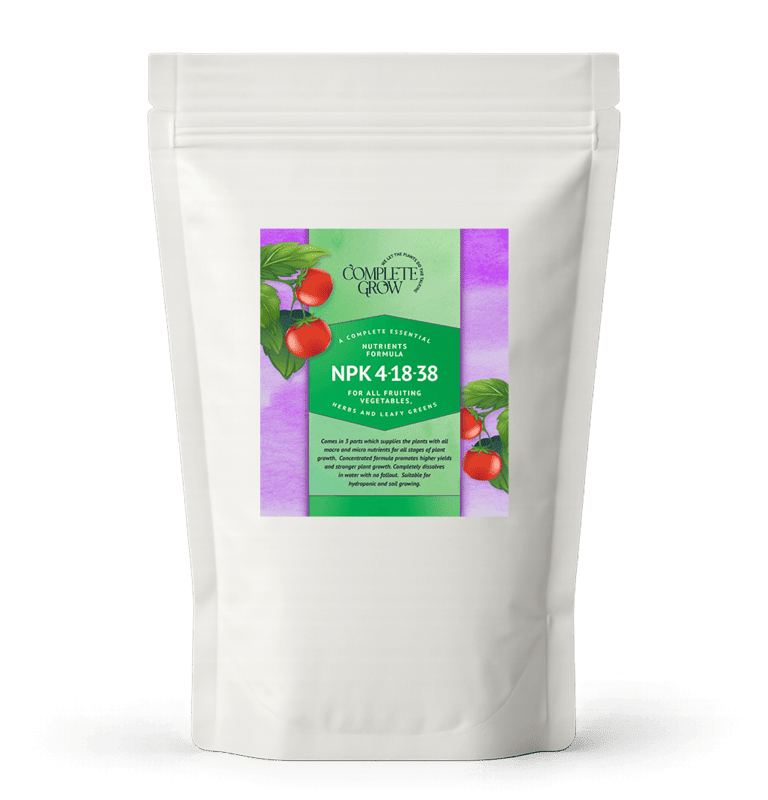
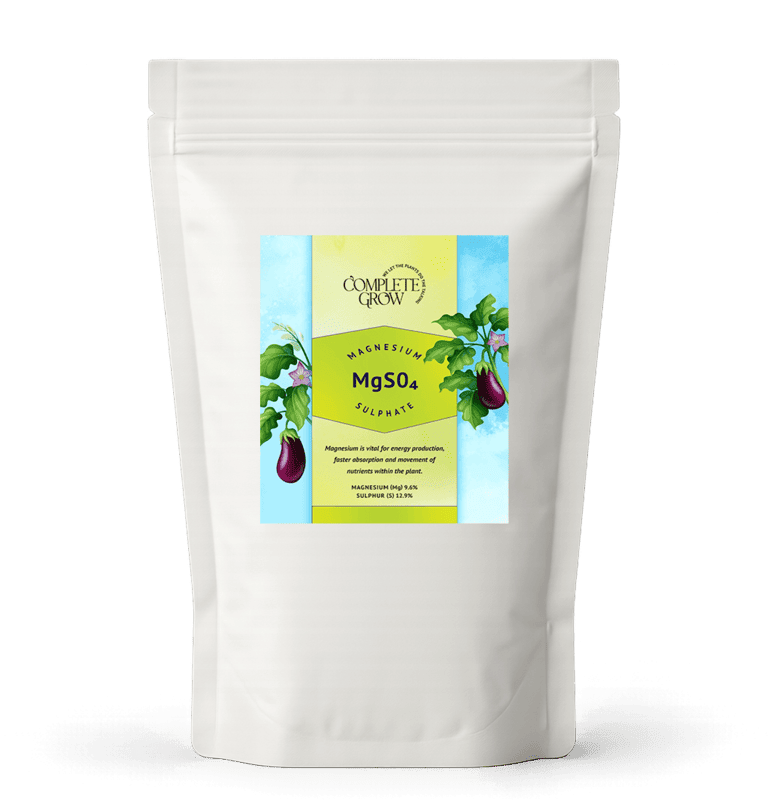
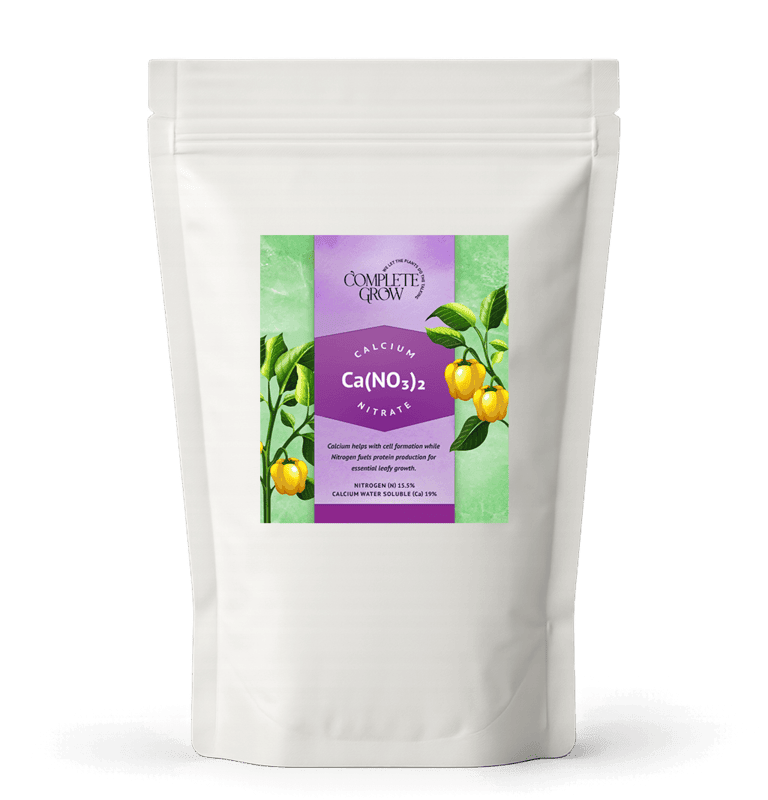
Powder · NPK 4-18-38
Advanced Formula for
Flowering & FruitingNPK 4-18-38 + Calcium & Magnesium
5.0(21 reviews)(21)


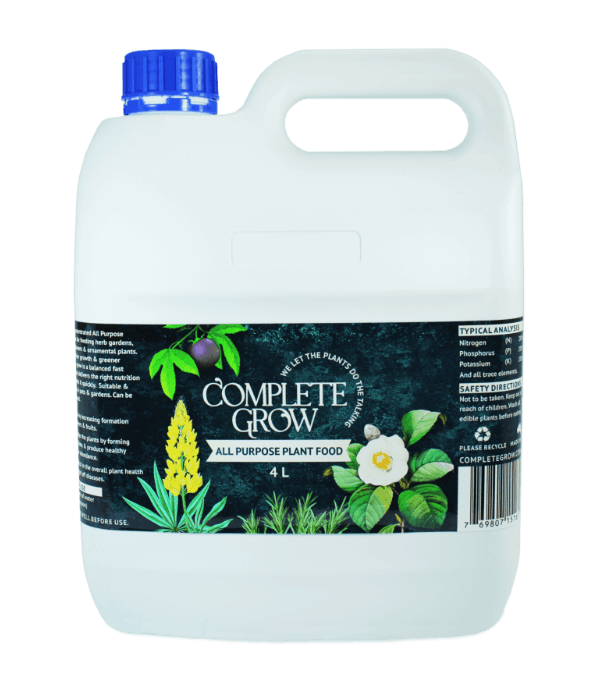
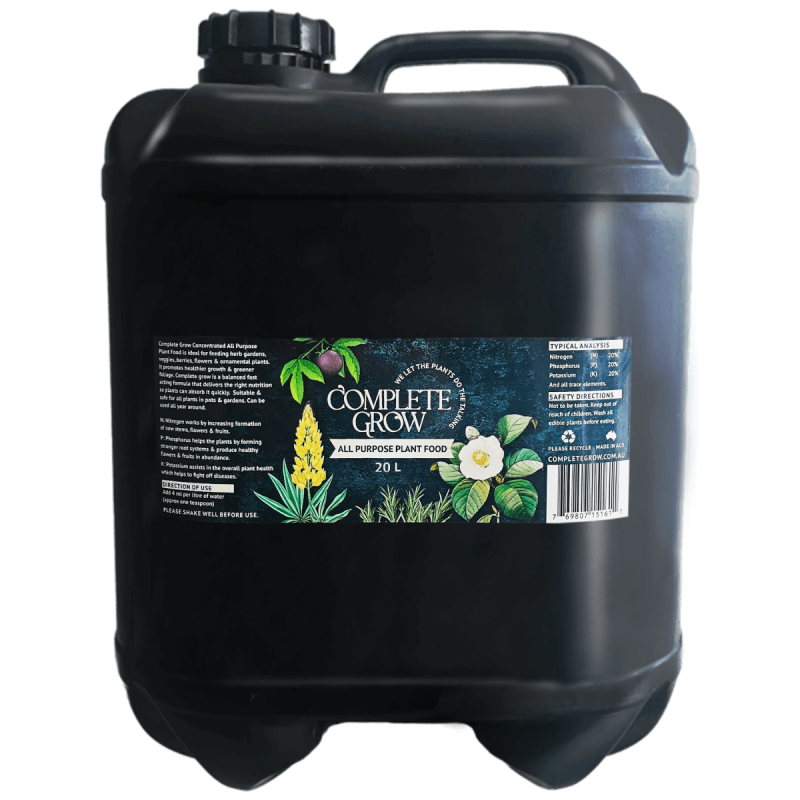
Liquid · NPK 20-20-20
All Purpose Plant Liquid FertiliserFormulated from NPK 20-20-20 & Micro Nutrients
5.0(28 reviews)(28)
The Grow Blog
Seasonal tips from our growers, written for real Aussie gardens.