



Daniel Azzi
With more than 25 years of hands-on commercial growing experience, Daniel's background spans hydroponics, greenhouse production, nursery growing and practical plant nutrition. Today, that experience helps shape CompleteGrow's products and plant-care guidance for Australian gardeners.
Hydroponics · Greenhouses · Nurseries · Plant nutrition
Growing Has Always Been Part of the Story
Daniel Azzi's experience with plants began through a multi-generational commercial hydroponic farming background . Growing was not something approached only as a hobby. Nutrition, irrigation, crop health, yield and consistency were everyday parts of producing healthy plants and maintaining productive growing systems.
Over more than 25 years of hands-on growing experience, Daniel's work expanded across hydroponics, greenhouses, soil, coco coir, nursery production and outdoor growing. He has worked with systems including DWC, NFT, ebb-and-flow and drip irrigation, and with crops ranging from tomatoes and cucumbers through to flowers, ornamentals, hedges, nursery plants and fruiting crops. You can explore more about that practical background in CompleteGrow's growing and plant-care standards .
That practical experience was later supported by formal study through a Bachelor of Agricultural Science from the University of Sydney . The combination of agricultural science and commercial cultivation has shaped the way Daniel approaches plant nutrition: understand the growing system, observe the plant, identify the wider conditions affecting it, and then make a practical decision.
CompleteGrow developed from that same approach. The goal was to bring practical commercial-style plant nutrition and straightforward feeding guidance to everyday growers without making plant care unnecessarily complicated. Fertiliser formulas and recommendations are considered alongside real plant response, which is also reflected throughout the CompleteGrow plant care guides .
Today, Daniel's experience helps shape both CompleteGrow's plant nutrition products and its educational content. Advice is developed by combining practical observation, established horticultural information and experience from real growing environments. For more detail on how that information is assessed before publication, see how CompleteGrow develops and verifies plant-care advice .
Practical Plant Care Guides by Daniel Azzi
Explore the newest CompleteGrow guides covering plant care, fertiliser, hydroponics, plant nutrition and common growing problems. New guides are added here automatically as they are published.

Why Are My Succulent Leaves Falling Off?
Succulent Leaves Falling Off Transform Your Garden into a Personal Paradise! Succulent Problem Guide Why Are My…
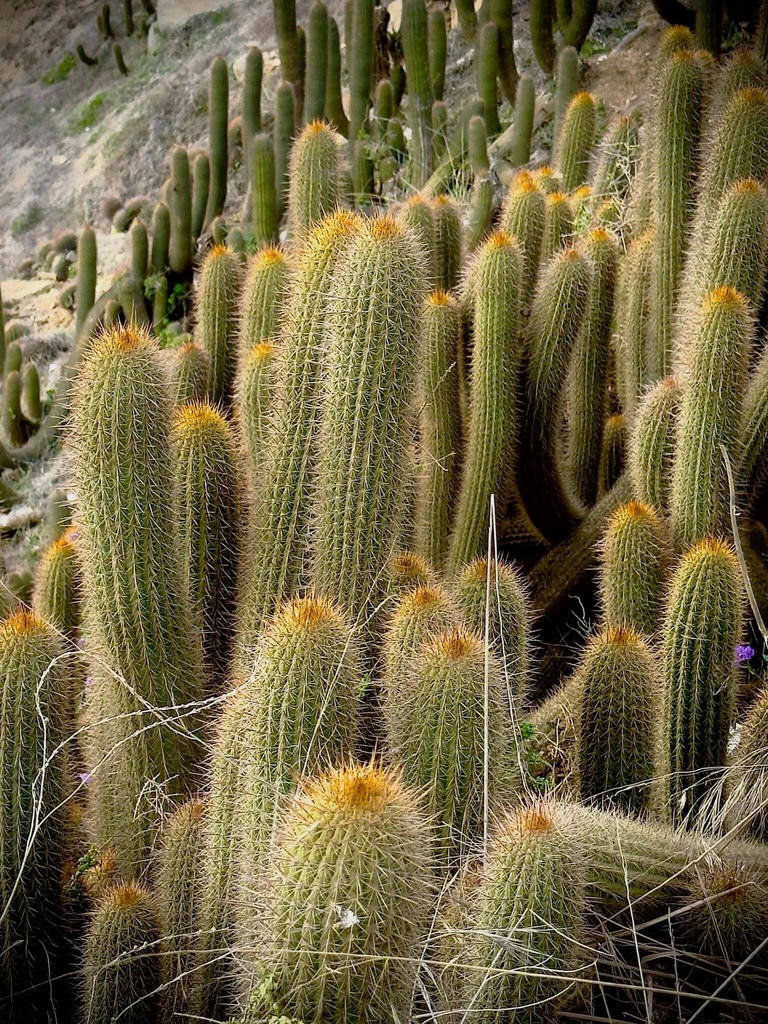
Why Is My Cactus Turning Yellow?
Cactus Turning Yellow Transform Your Garden into a Personal Paradise! Cactus Problem Guide Why Is My Cactus…

Can You Use Regular Fertiliser on Cactus?
Cactus Transform Your Garden into a Personal Paradise! Cactus Fertiliser Guide Can You Use Regular Fertiliser on…
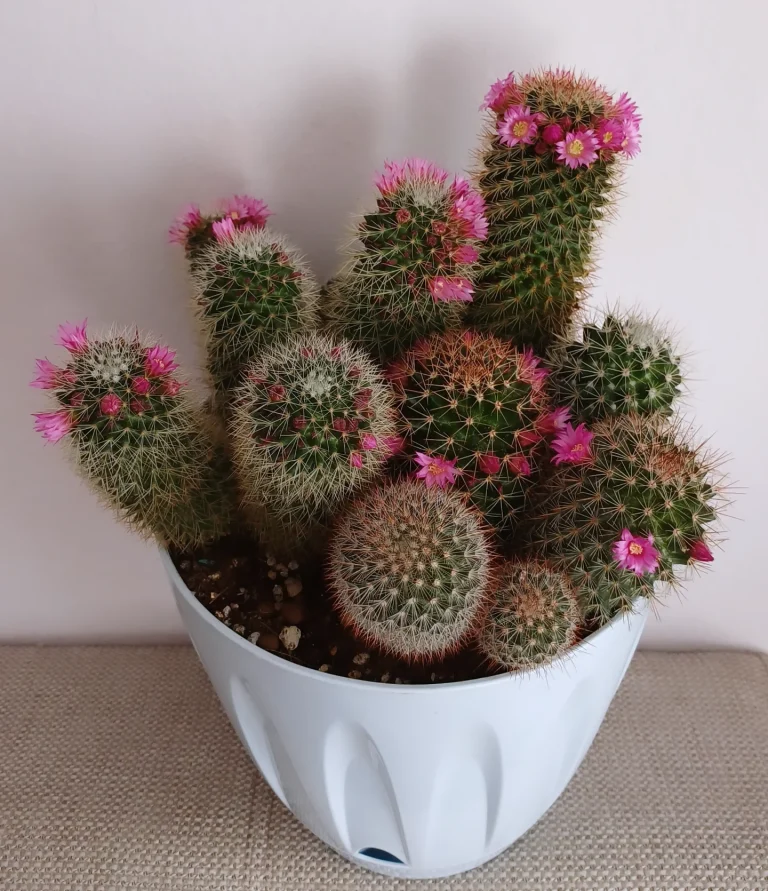
Cactus Soil vs Fertiliser: What Actually Matters?
Cactus Transform Your Garden into a Personal Paradise! Cactus Care Guide Cactus Soil vs Fertiliser: What Actually…
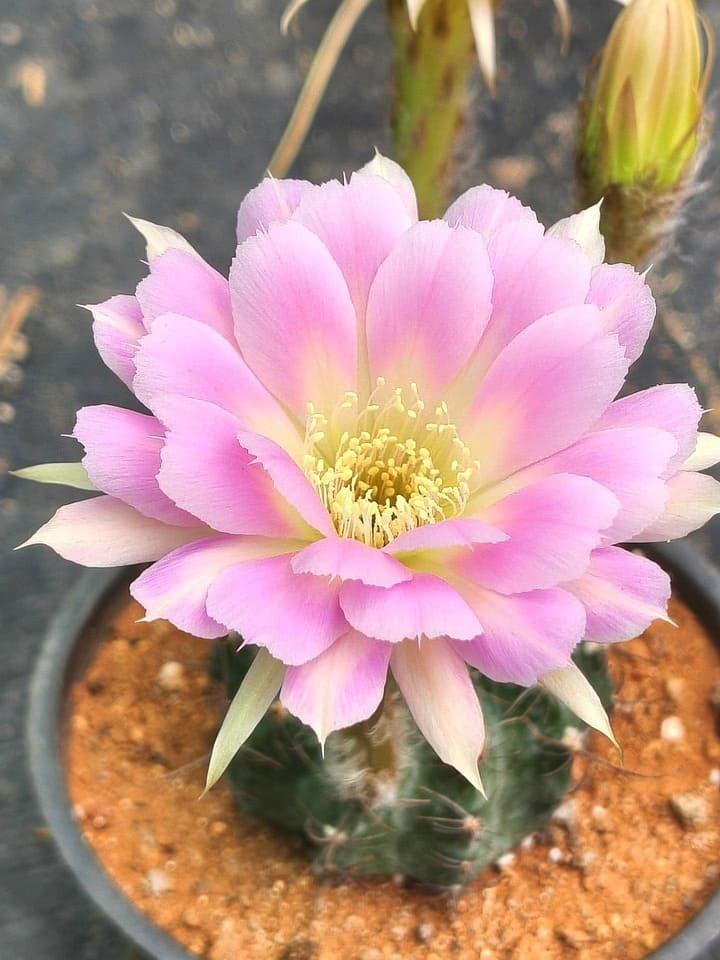
Why Your Cactus Is Not Flowering
Cactus Transform Your Garden into a Personal Paradise! Cactus Flowering Guide Why Your Cactus Is Not Flowering…
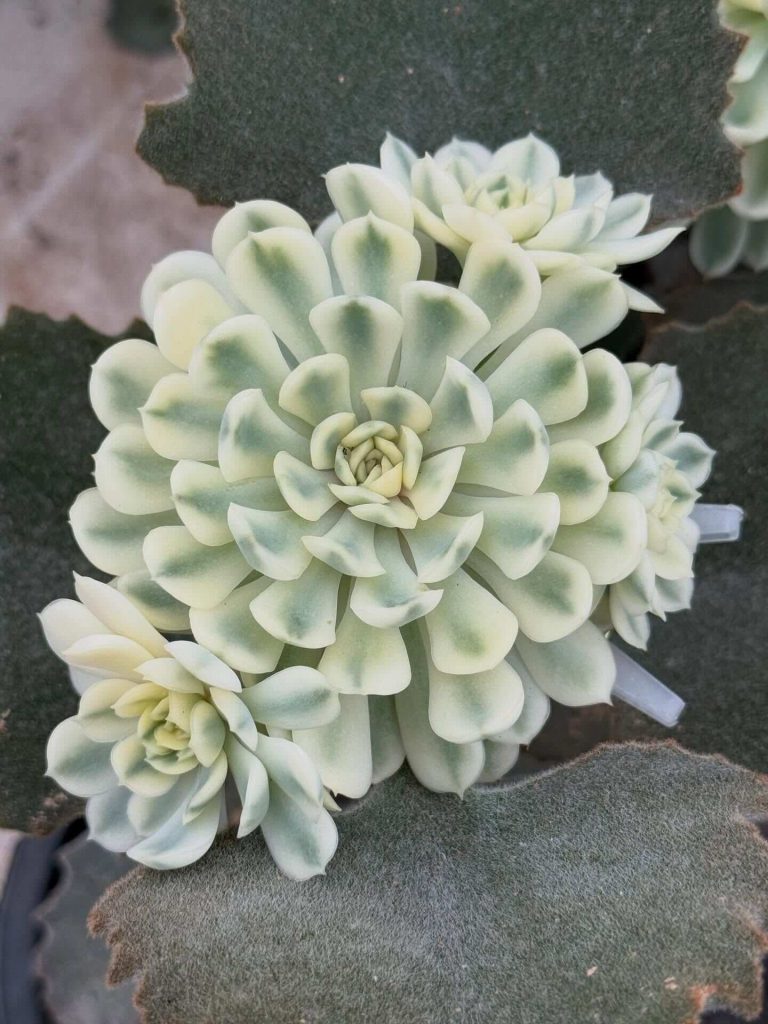
Why Succulents Grow Leggy and Weak
Succulents Transform Your Garden into a Personal Paradise! Succulent Care Guide Why Succulents Grow Leggy and Weak…
How Often Should You Fertilise Succulents?
Succulents Transform Your Garden into a Personal Paradise! Succulent Feeding Guide How Often Should You Fertilise Succulents?…
How to Fertilise Cactus and Succulents Without Overfeeding
Cactus & Succulents Transform Your Garden into a Personal Paradise! Cactus & Succulent Care Guide How to…
Parlour Palm Drooping, Dying or Dry Leaves: Causes and Fixes
Parlour Palm Transform Your Garden into a Personal Paradise! Parlour Palm Problem Guide Parlour Palm Drooping, Dying…
How Big Do Parlour Palms Grow? Height, Growth Rate and Watering Guide
Parlour Palm Transform Your Garden into a Personal Paradise! Parlour Palm Growth Guide How Big Do Parlour…
Parlour Palm Brown Tips and Leaves: Why It Turns Brown and How to Fix It
Parlour Palm Brown Leaves Transform Your Garden into a Personal Paradise! Parlour Palm Problem Guide Parlour Palm…
Best Fertilizer for Parlour Palm | Indoor Palm Plant Food Guide
Parlour Palm Fertilizer Transform Your Garden into a Personal Paradise! Indoor Palm Fertiliser Guide Best Fertilizer for…
Showing the 12 newest CompleteGrow plant care guides. The list updates automatically as new guides are published.
View All Plant Care Guides →Experience Across Real Growing Systems
Daniel's growing experience spans commercial hydroponics, greenhouses, soil, coco and nursery production . Working across different systems and crops has shaped a practical approach focused on plant response rather than relying on one method for every situation.
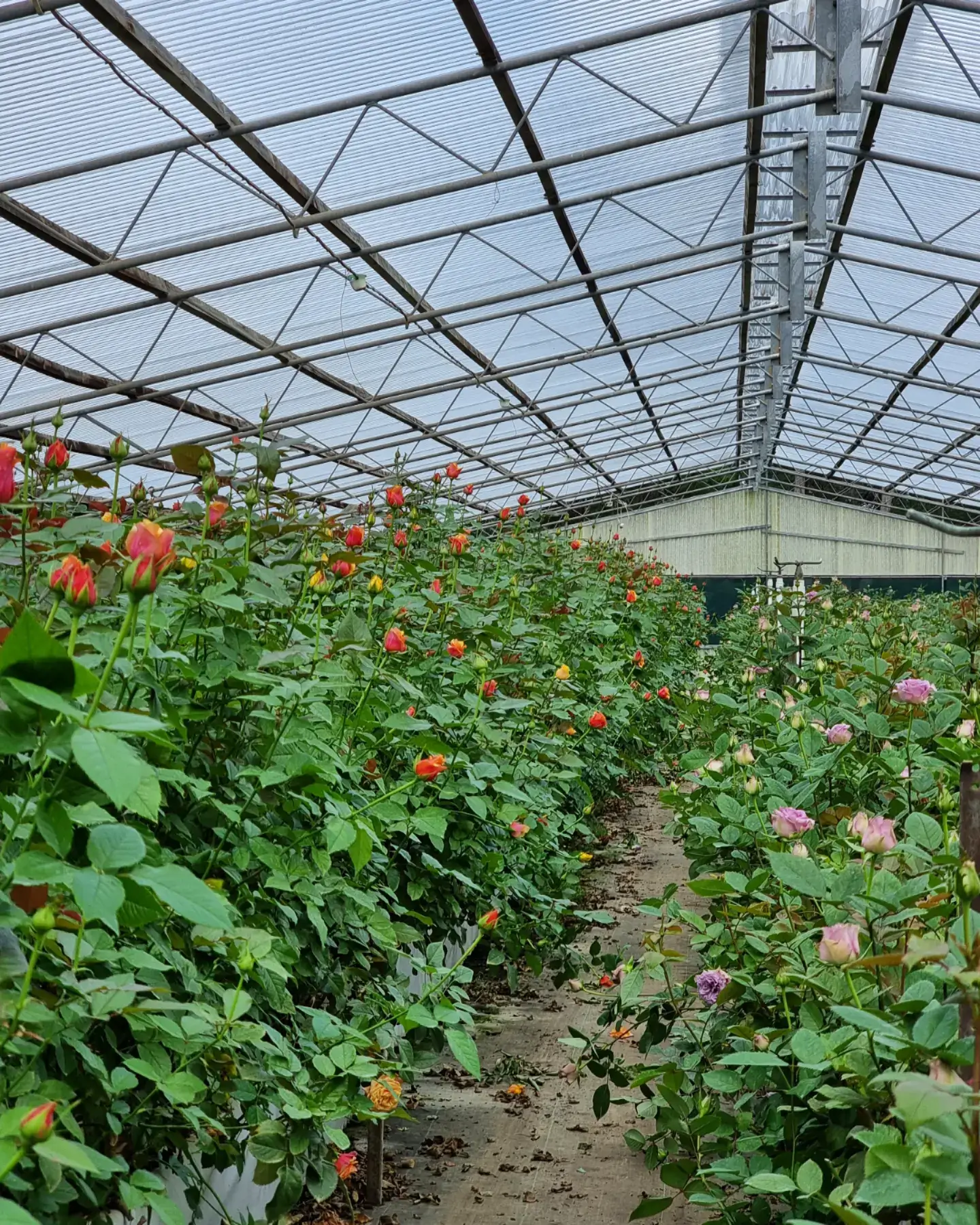
Different systems require different answers.
Nutrient concentration, irrigation, root-zone conditions and plant response all change depending on how and where a crop is being grown.
In larger production environments, nutrition, irrigation and plant-health decisions need to work consistently across an entire crop, not just one plant.
Experience Shaped in Australian Growing Conditions
Based in Sydney, New South Wales, Daniel's experience has been built around the practical challenge of keeping crops healthy, productive and consistent under real Australian growing conditions.
Plant performance is something you continuously manage.
Good growing is rarely about changing one thing. Nutrition, irrigation, plant health and the growing environment all interact, so decisions need to be based on how the crop is responding.
Yield matters, but healthy and consistent plant response is what guides the next decision.
How CompleteGrow Tests Plant Nutrition in Real Growing Conditions
CompleteGrow's approach to fertiliser testing and plant nutrition is built around hands-on growing experience. Nutrient analysis provides useful information, but we also consider how plants actually respond in hydroponics, greenhouses, pots, growing media and everyday gardens.
Real-world fertiliser testing starts with the plant.
Daniel's approach has developed through more than 25 years of commercial growing experience. CompleteGrow uses hands-on internal trials and practical observations to assess nutrient formulas, feeding rates and how plants respond over time.
Testing Methodology Read our full fertiliser testing approach
What We Look for When Testing a Fertiliser
When a fertiliser or feeding program is used on real plants, the response is assessed over time. The aim is not simply to make a plant appear greener immediately. We look for balanced growth, healthy foliage, root development, crop vigour and consistent performance across the growing cycle.
Different crops also respond differently to plant nutrition. A feeding program suitable for vigorous fruiting crops may need to be approached differently when used on young plants, ornamentals, nursery stock or plants growing in containers.
- Vegetative growth, vigour and leaf development
- Leaf colour and visible signs of nutrient stress or deficiency
- Root development and overall root-zone health
- Flowering, fruiting and crop performance where relevant
- Consistency of plant response across repeated feeding
Testing Nutrients in Hydroponic and Controlled Growing Systems
Hydroponic plant nutrition requires careful attention because nutrients are delivered directly through the root-zone solution. Daniel's experience includes hydroponic growing systems such as NFT, DWC, ebb-and-flow and drip-fed production, together with coco coir and other soilless growing approaches.
In these systems, measurements such as electrical conductivity (EC), pH and nutrient concentration can provide useful information about the solution delivered to the plant. They help maintain consistency but are interpreted together with actual crop response.
Root condition, water quality, irrigation frequency, environmental conditions and plant growth stage can all influence how a crop responds to the same nutrient solution.
How Fertiliser Application Rates Are Refined
A fertiliser recommendation needs to provide enough nutrition to support healthy plant growth without encouraging unnecessary over-application. CompleteGrow feeding recommendations are therefore treated as practical starting points rather than a substitute for observing the plant.
Application rates can vary depending on plant type, size, growth stage, growing medium and environmental conditions. Commercial growing experience is useful because even small changes in concentration, irrigation or nutrient balance can become noticeable when the same approach is applied across many plants.
Where practical trials show that a feeding program can be improved, the rate or method of application can be refined and tested again.
How Growing Experience Informs CompleteGrow Plant Care Guides
The same approach used when evaluating fertilisers also shapes CompleteGrow's plant care content. A symptom such as yellowing leaves, slow growth or leaf drop is not automatically treated as a fertiliser problem.
Plant health can be affected by nutrient availability, irrigation, drainage, root health, temperature, growing media, light and other environmental factors. Our guides therefore encourage gardeners to consider the wider growing situation before changing a feeding program.
This combination of commercial growing experience, hands-on plant testing and established horticultural principles is intended to make CompleteGrow's advice practical for Australian gardeners while explaining why a recommendation is made.
Data Helps. Plant Response Decides.
Testing can include measurable growing parameters, but those measurements are interpreted alongside the physical response of the plant and the conditions in which it is being grown.
Helps assess nutrient strength and consistency in hydroponic and soilless systems.
Considered because root-zone pH influences nutrient availability to plants.
Vigour, colour, roots and development show how the crop responds over time.
The aim is repeatable plant performance, not simply one good result.
Practical growing experience is combined with established horticultural information before advice is published.
Learn more about how CompleteGrow develops, reviews and updates its plant nutrition and growing guidance.
How Daniel Develops & Verifies Plant Care Advice
CompleteGrow's plant care guides combine practical growing experience, real plant observation and established horticultural information. The goal is to understand the wider growing situation before recommending a solution.
Plant problems rarely have only one possible cause.
Yellow leaves, slow growth, leaf drop or poor flowering may involve nutrition, but similar symptoms can also come from watering, drainage, roots, pH, temperature, light, pests, disease or the growing medium. Daniel therefore considers the whole plant and its environment before changing a fertiliser program.
Our Editorial Method Read how CompleteGrow develops plant care advice
Similar plant symptoms can have very different causes.
A plant with yellow leaves, slow growth, leaf drop or poor flowering may have a nutritional problem, but fertiliser is only one part of the diagnosis. Similar symptoms can also be caused by overwatering, underwatering, poor drainage, root damage, unsuitable pH, temperature stress, inadequate light, pests, disease or problems with the growing medium.
Assess the wider growing situation first.
This is especially important when diagnosing nutrient deficiencies because applying additional nutrients cannot correct a problem caused by damaged roots or unsuitable growing conditions.
Start With the Plant, Its Roots and Its Environment
Good plant diagnosis begins with context. Before deciding whether a plant needs fertiliser, Daniel considers the plant species, age, growth stage, growing medium, irrigation pattern, recent weather or environmental conditions and the way symptoms appear on the plant.
The location of symptoms can also provide useful clues. Problems appearing first on older leaves may point toward different causes than symptoms beginning on new growth. Visible symptoms alone, however, are not always enough to identify a nutrient deficiency with certainty.
- Plant species, size and growth stage
- Soil, coco, potting mix or hydroponic root zone
- Watering frequency and drainage
- Recent fertiliser use and application rate
- Light, temperature and environmental stress
- Root health, pests and disease where relevant
Use Real Plant Response to Evaluate the Likely Cause
More than 25 years of commercial growing provides useful context when assessing plant problems. Experience across hydroponics, greenhouse production, soil, coco and nursery growing means similar symptoms have been observed under many different conditions.
That experience is particularly useful when separating a likely nutrient issue from an irrigation or root-zone problem. A plant can show poor growth even when sufficient fertiliser is present if the roots cannot access those nutrients effectively.
CompleteGrow guides therefore aim to explain what gardeners should check before changing a fertiliser program rather than treating every plant-health problem as a simple nutrient shortage.
Practical Experience Is Checked Against Established Plant Science
Hands-on growing experience is an important part of CompleteGrow's plant care guidance, but practical observation is not used in isolation. Technical information relating to plant nutrition, nutrient availability, pH, root-zone conditions and plant physiology is checked against established horticultural principles and appropriate technical sources.
This matters for subjects such as fertiliser concentration, micronutrient deficiencies, nutrient interactions and hydroponic growing, where an apparently simple symptom can have several possible causes.
The goal is to combine horticultural science with what is repeatedly observed in real growing environments.
Advice Needs to Work Outside a Textbook
CompleteGrow is based in Sydney, New South Wales, and much of Daniel's practical growing experience has been developed under Australian conditions. Plant care recommendations therefore need to account for changing heat, rainfall, irrigation, container conditions and seasonal growth.
A feeding recommendation that works during active growth may need to be reduced when growth slows. Plants growing in containers can also behave differently from the same species growing in the ground because their roots occupy a much smaller volume of growing medium.
CompleteGrow's goal is to translate technical information into practical plant care guidance for home gardeners and growers.
Not every symptom is caused by fertiliser.
Compare symptoms with real plant response.
Technical guidance is not based on guesswork.
Recommendations need to work for real growers.
Guidance can change as better information emerges.
Good plant care advice should help you understand why something is happening, not just tell you what product to apply.
CompleteGrow guides are intended to help gardeners make better decisions by considering plant nutrition, root health, irrigation and growing conditions together.
Agricultural Science Meets Practical Growing Experience
Daniel combines a Bachelor of Agricultural Science from the University of Sydney with more than 25 years of hands-on experience across commercial hydroponics, greenhouse production, plant nutrition, nursery growing and practical crop management.
Bachelor of Agricultural Science
Formal agricultural knowledge supported by decades of practical cultivation.
Daniel's agricultural science background complements his practical experience in plant production, nutrient management and commercial growing. The combination is particularly useful when translating technical plant nutrition concepts into recommendations that growers can apply in real conditions.
CompleteGrow's plant care content draws on both sides of that experience: understanding the principles behind plant growth while also recognising that crops respond to irrigation, climate, root conditions, nutrition and the wider growing environment together.
Topics Daniel Regularly Works With
Plant Nutrition & Fertiliser
NPK nutrition, micronutrients, nutrient deficiencies, feeding rates and practical fertiliser use.
Hydroponics & Soilless Growing
Hydroponic nutrient management, DWC, NFT, drip systems, coco coir, EC and pH.
Soil & Root-Zone Health
Growing media, drainage, irrigation, root conditions and nutrient availability.
Greenhouse & Controlled Growing
Commercial greenhouse production, irrigation, environmental management and crop consistency.
Plant Health & Diagnosis
Yellow leaves, poor growth, nutrient stress, root problems and environmental plant stress.
Crop Performance & Yield
Improving plant vigour, consistency, flowering, fruiting and practical crop performance.
CompleteGrow's advice combines agricultural knowledge, commercial cultivation experience and observation of real plants under real growing conditions.
Tested on Real Plants, in Real Growing Conditions
CompleteGrow fertiliser formulas and feeding recommendations are informed by hands-on plant testing, commercial growing experience and real plant response. Nutrient analysis provides a starting point. Plant performance tells us whether the program works.
Fertiliser performance cannot be judged from an NPK number alone.
CompleteGrow evaluates plant nutrition under practical growing conditions. We consider nutrient strength, root-zone conditions and how plants actually respond over time.
Daniel's approach draws on more than 25 years of commercial growing experience across hydroponics, greenhouses, soil, coco and nursery production.
More Detail Read our full fertiliser testing approach
What We Look for When Testing Plant Nutrition
CompleteGrow internal fertiliser trials focus on how plants respond over time rather than judging a nutrient program from its analysis alone.
Different crops, plant sizes and growth stages can respond differently to the same feeding program. For this reason, testing considers both nutrient delivery and physical plant performance.
- Vegetative growth and plant vigour
- Leaf colour and visible plant health
- Root development and root-zone condition
- Flowering and fruiting where relevant
- Consistency across repeated feeding
EC, pH and Nutrient Strength
In hydroponic and soilless growing systems, electrical conductivity (EC), nutrient concentration and pH provide useful information about the solution being delivered to the plant.
These measurements help maintain consistency, but they are considered together with crop response. Water quality, root health, irrigation frequency, temperature and plant growth stage can all influence how a plant responds to the same nutrient solution.
How Application Rates Are Refined
CompleteGrow feeding recommendations are intended to provide practical starting points. Plant size, crop type, growing medium, root-zone volume, environmental conditions and growth rate can influence nutrient requirements.
When practical trials show that an application rate or feeding approach can be improved, recommendations can be refined. The goal is healthy plant growth without unnecessary over-application of fertiliser.