
How Often Should You Fertilise Succulents?
Succulents should be fertilised lightly during active growth, not heavily all year round. These plants are tough, drought-tolerant and naturally slower growing, so they do not need the same feeding routine as vegetables, lawns or fast-growing leafy plants.
The mistake many people make is either not feeding at all, or using a strong fertiliser too often. Succulents still need nutrients for roots, colour, compact growth, flowering and long-term health, but the fertiliser must suit their growth style.
The best routine is to use a low nitrogen succulent fertiliser during spring and summer, then reduce feeding when growth slows.
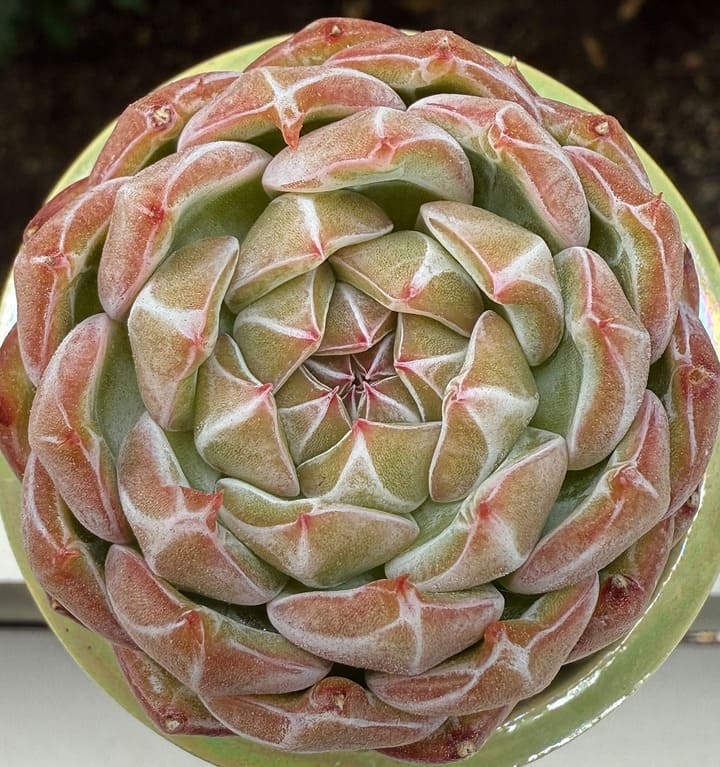
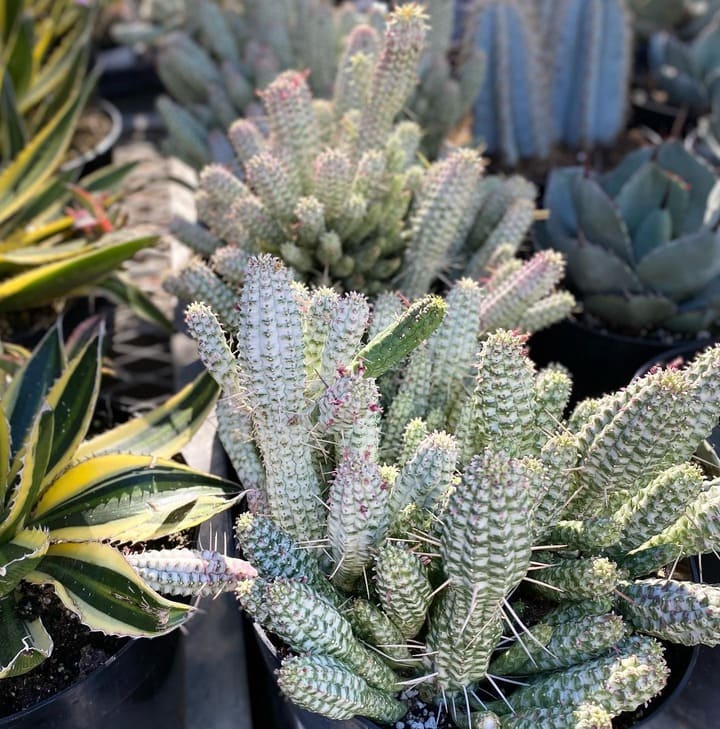
Succulents grow best with a controlled feeding routine, not heavy fertilising.
Quick Answer: How Often to Fertilise Succulents
For most succulents in Australia, fertilise lightly during the active growing season. This is usually spring and summer, when light, warmth and growth are stronger.
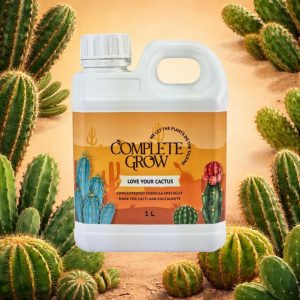
With CompleteGrow Cactus & Succulent Plant Food Fertiliser Concentrate, there are two simple feeding options:
- Every watering: use half a cap per 10 litres of water.
- Once or twice monthly: use one full cap per 10 litres of water.
Always feed only when the plant actually needs watering. Do not keep succulent soil wet just because you want to fertilise. Overwatering is still one of the fastest ways to damage succulents.
Use a low-nitrogen 2-7-7 succulent fertiliser
CompleteGrow Cactus & Succulent Plant Food is made for cactus, succulents, jade and aloe. It uses low nitrogen with higher phosphorus and potassium to support compact growth, roots, flowering and stronger structure.
This makes it a better fit than many strong all-purpose fertilisers, especially for potted succulents that need controlled feeding.
View Cactus & Succulent FertiliserSucculent Fertilising Schedule
Use this as a simple guide for most common succulents grown in Australia.
| Season | How Often to Feed | What to Do |
|---|---|---|
| Spring | Once or twice monthly | Start feeding as new growth appears. Use a low-nitrogen succulent fertiliser and water only when the mix is dry. |
| Summer | Once or twice monthly, or lightly with watering | Feed during active growth. Be careful in extreme heat, especially if the plant is stressed or the pot is drying too fast. |
| Autumn | Reduce gradually | As growth slows, reduce feeding. Keep plants strong, but avoid pushing soft growth before cooler weather. |
| Winter | Usually little to none | Most succulents need much less fertiliser in winter. If the plant is not actively growing, do not force it. |
| Indoor succulents | Light feeding only | Feed less often if light is low. Too much fertiliser without enough light can lead to soft or leggy growth. |
| Outdoor potted succulents | Once or twice monthly in active growth | Pots lose nutrients through watering, so a light routine feed helps maintain healthier growth. |
Why Succulents Do Not Need Heavy Feeding
Succulents are not heavy feeders. They store water, grow more slowly than many leafy plants, and naturally handle lower-nutrient conditions better than hungry garden plants.
That does not mean fertiliser is useless. It means the fertiliser needs to be controlled. A small, steady supply of the right nutrients is better than overloading the plant with a strong feed.
Too much fertiliser, especially too much nitrogen, can push soft growth. This can make succulents look stretched, weak or less compact, especially if they are also not receiving enough light.
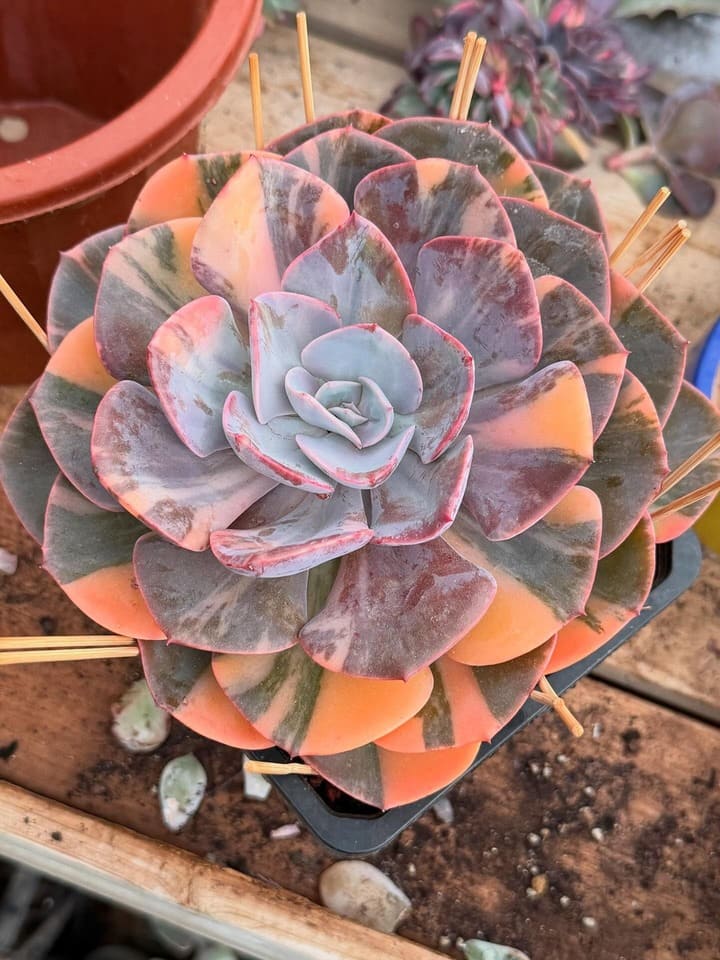
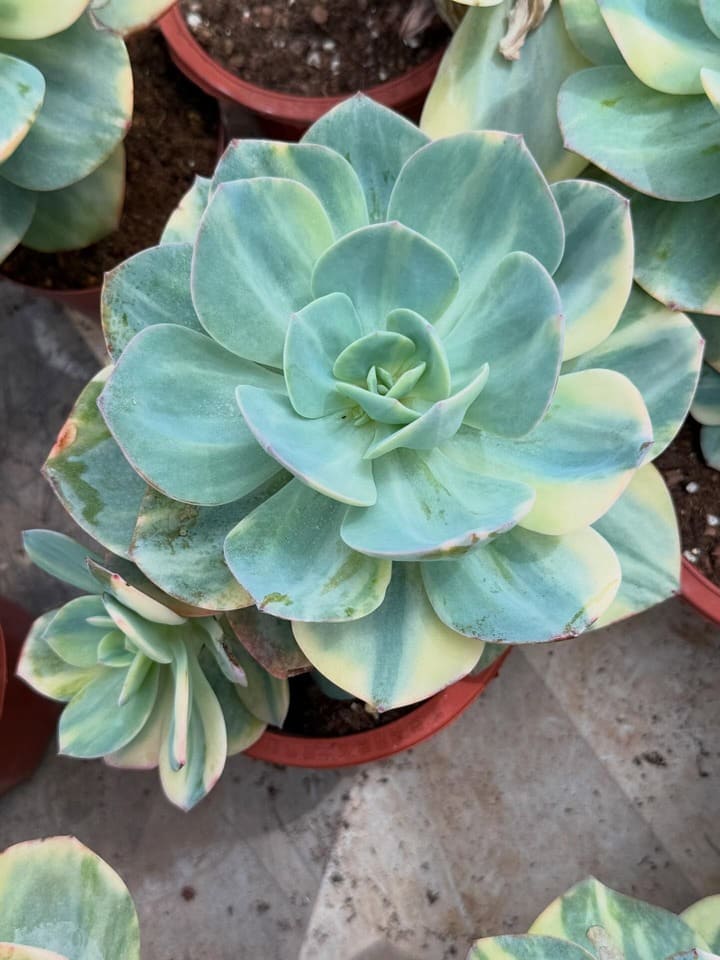
Fertiliser works best when succulents also receive enough bright light.
Signs You Are Fertilising Succulents Too Often
Succulents usually show signs when the feeding routine is too strong or too frequent. Sometimes the issue is fertiliser alone. Other times it is fertiliser combined with low light, poor drainage or too much water.
- Soft, watery growth
- Stretched or leggy stems
- Pale new growth
- Weak leaves that bend or collapse easily
- White crust or salt build-up on the soil surface
- Brown root tips or root stress
- Poor shape or loss of compact form
If this happens, stop feeding for a while, check drainage, improve light, and flush the potting mix with plain water at the next proper watering.
Signs Succulents May Need Feeding
Underfed succulents can also slow down, especially in pots where nutrients are gradually washed out with watering.
- Very slow growth during the active season
- Pale or dull colour
- Weak new shoots
- Poor flowering in mature plants
- Older potting mix that has not been refreshed
- Potted succulents that have been watered for months without nutrients
In these cases, a light feed with a cactus and succulent plant food can help restore a better nutrient routine.
Best Feeding Routine for Potted Succulents
Potted succulents need special attention because they only have a small amount of potting mix to draw from. Over time, watering can wash nutrients out of the container.
The best routine is simple: wait until the mix dries, water properly, and include a light fertiliser feed during active growth.
Light feed every watering
Use half a cap per 10 litres of water when the plant needs watering. This suits growers who prefer a very gentle routine feed.
Feed once or twice monthly
Use one full cap per 10 litres of water once or twice a month during active growth. This is the easiest routine for most gardeners.
Always use a free-draining cactus and succulent mix. Fertiliser helps feed the plant, but drainage protects the roots.
CompleteGrow Recommendation
For most cactus and succulent collections, the best fertilising schedule is light, consistent feeding during active growth.
CompleteGrow Cactus & Succulent Plant Food Fertiliser Concentrate is designed for this exact job. Its 2-7-7 NPK ratio gives low nitrogen with higher phosphorus and potassium to support compact growth, roots, flowering and stronger plant structure.
It is made for cactus, succulents, jade, aloe, echeveria, haworthia, crassula, sedum and other dry-climate container plants that need a more specialised feeding routine.
FAQs: How Often to Fertilise Succulents
How often should I fertilise succulents?
Most succulents should be fertilised lightly during active growth, usually once or twice monthly in spring and summer. Use a low-nitrogen succulent fertiliser rather than a strong general-purpose feed.
Should I fertilise succulents every time I water?
You can if the fertiliser is diluted correctly. With CompleteGrow Cactus & Succulent Plant Food, use half a cap per 10 litres of water if feeding every watering. Do not water more often just to fertilise.
Is once a month enough for succulents?
Yes, once a month is enough for many succulents during active growth. For stronger seasonal growth, some growers feed once or twice monthly.
Should I fertilise succulents in winter?
Usually no, or only very lightly. Most succulents slow down in winter and do not need much feeding. If the plant is not actively growing, reduce or stop fertiliser.
What is the best fertiliser for succulents?
The best fertiliser for succulents is usually low in nitrogen and higher in phosphorus and potassium. CompleteGrow uses a 2-7-7 NPK ratio to support compact growth, roots, flowering and plant strength.
Can too much fertiliser hurt succulents?
Yes. Too much fertiliser can cause soft growth, salt build-up, root stress or poor shape. Succulents need controlled feeding, not heavy feeding.
Do indoor succulents need fertiliser?
Yes, but less often if they are growing slowly or receiving lower light. Indoor succulents should be fed lightly during active growth and kept in bright light to avoid stretching.
What happens if I never fertilise succulents?
They may survive for a long time, but potted succulents can slowly run out of nutrients. Over time this can mean weaker growth, dull colour, poor flowering or slower recovery.
More Cactus and Succulent Guides
Keep building a better cactus and succulent care routine with these related guides.
Feed succulents lightly, consistently and with the right nutrient balance.
Give succulents the right feed at the right time.
CompleteGrow Cactus & Succulent Plant Food is a low-nitrogen 2-7-7 fertiliser made for cactus, succulents, jade and aloe. Use it during active growth to support compact shape, strong roots, flowering and healthier structure.
Shop Cactus & Succulent Fertiliser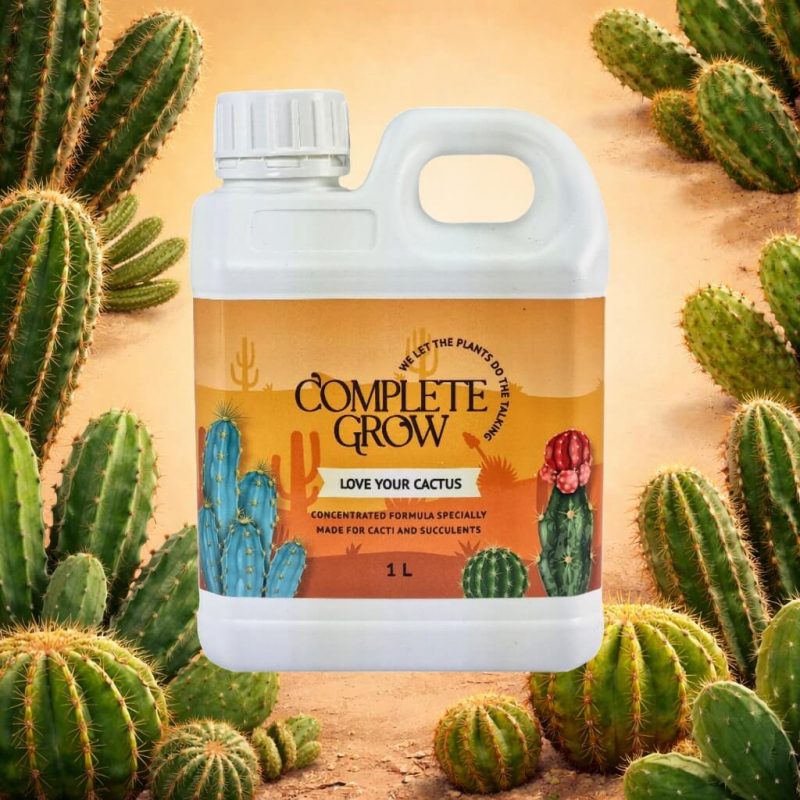


- Quick View
- Select options This product has multiple variants. The options may be chosen on the product page
The Grow Blog
Seasonal tips from our growers, written for real Aussie gardens.