
Can You Use Regular Fertiliser on Cactus?
You can use regular fertiliser on cactus, but it is not always the best choice. Cacti are slow-growing, drought-tolerant plants that need controlled feeding, not the same strong fertiliser routine used for leafy garden plants, lawns or vegetables.
The main problem is nitrogen. Many regular fertilisers are designed to push fast green growth. For cactus plants, too much nitrogen can lead to soft, stretched growth and poor structure, especially if light is also low.
A dedicated low nitrogen cactus fertiliser is usually a safer and better-matched option because it supports compact growth, roots, flowering and strength without forcing soft growth.
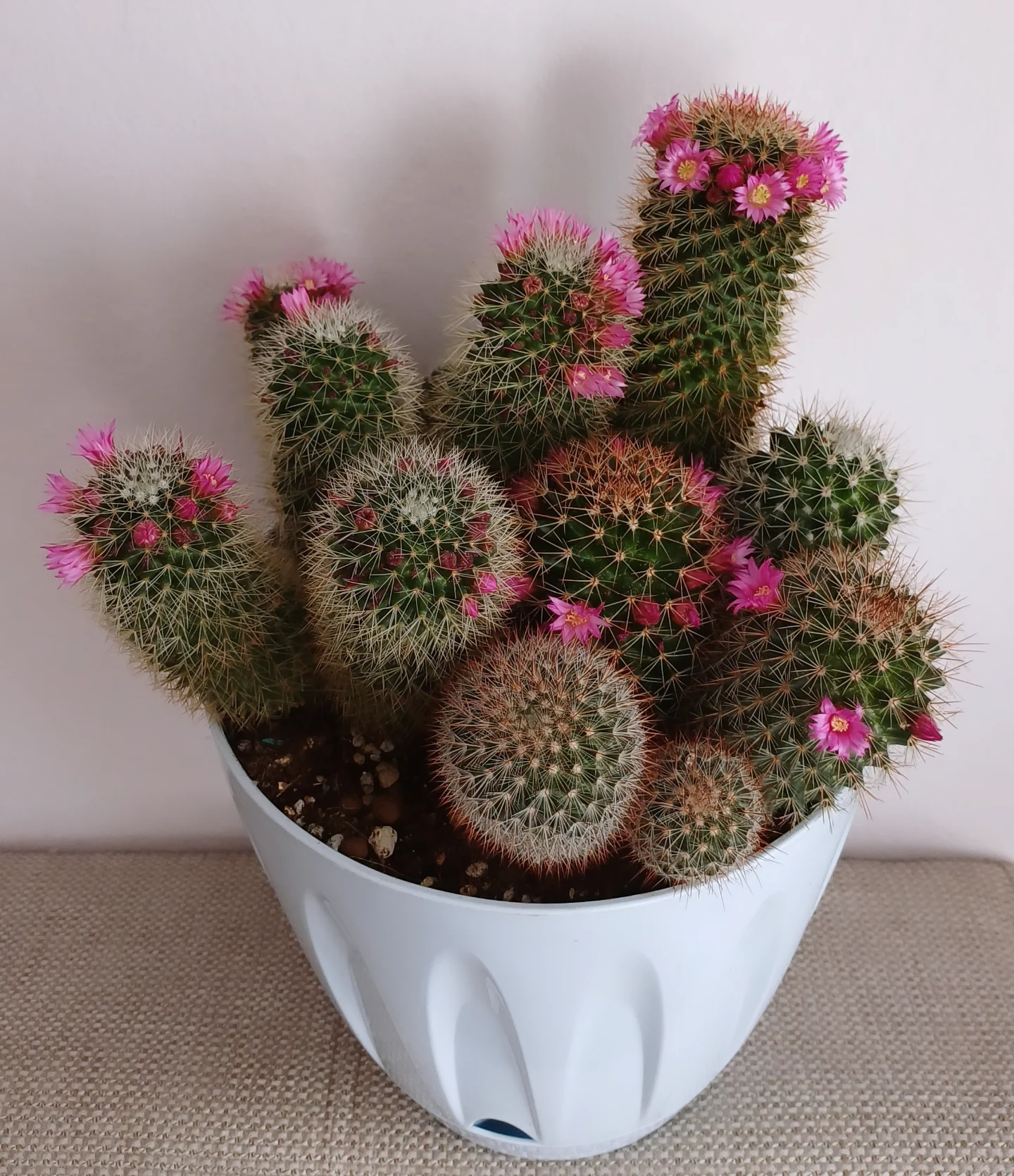
Cactus plants need nutrition, but not the same feeding style as fast-growing leafy plants.
Quick Answer: Can Regular Plant Food Be Used on Cactus?
Yes, regular plant food can sometimes be used on cactus if it is heavily diluted and not applied too often. But it is not the ideal choice for most cactus plants.
The issue is that regular fertilisers are often made for plants that grow faster and use more nitrogen. Cacti grow differently. They are built for slower growth, water storage and survival in lower-nutrient conditions.
When cactus plants are fed too strongly, especially with a high-nitrogen fertiliser, they can lose their natural compact shape.
Why Regular Fertiliser Can Be a Problem for Cactus
Regular fertilisers are often built around fast, visible growth. That makes sense for vegetables, lawns, leafy indoor plants or hungry garden plants, but cactus plants do not need to be pushed like that.
Cacti grow slowly and store water. Their roots need air, their stems need firmness, and their growth should stay compact. A fertiliser that is too strong or too nitrogen-heavy can work against this natural growth pattern.
This is especially true for cactus plants grown indoors, in pots, or in lower light. If light is not strong enough and nitrogen is too high, the plant can become softer, taller or more stretched.
What Happens If Cactus Gets Too Much Nitrogen?
Nitrogen supports plant growth, but too much nitrogen can push the wrong type of growth in cactus plants.
- Soft or watery stems
- Stretched growth
- Pale or weak new growth
- Poor compact shape
- Less flowering support
- Greater stress if the plant is also overwatered
Cactus plants do need nitrogen, but they need it in a controlled amount. The aim is not to force fast growth. The aim is to support healthy, compact, resilient growth.
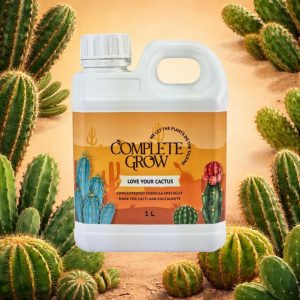
Use low nitrogen with higher phosphorus and potassium
CompleteGrow Cactus & Succulent Plant Food uses a 2-7-7 NPK ratio made for cactus, succulents, jade and aloe.
The low nitrogen helps avoid overfeeding soft growth, while the higher phosphorus and potassium support roots, flowering, structure and resilience.
View Cactus FertiliserRegular Fertiliser vs Cactus Fertiliser
The main difference is how the fertiliser supports growth.
| Feature | Regular Fertiliser | CompleteGrow Cactus Fertiliser |
|---|---|---|
| Nitrogen level | Often higher and made for faster green growth. | Low nitrogen 2% to support controlled cactus growth. |
| Growth style | Can push soft growth if used too strongly. | Supports compact growth without overfeeding. |
| Root support | May not be balanced for cactus and succulent root needs. | Higher phosphorus supports roots and establishment. |
| Flowering support | May not focus enough on phosphorus and potassium. | Higher phosphorus and potassium support flowering and strength. |
| Trace elements | May be missing or not clearly included. | Includes trace elements for more complete cactus nutrition. |
| Best use | General garden plants, vegetables and leafy growth. | Cactus, succulents, jade, aloe and dry-climate potted plants. |
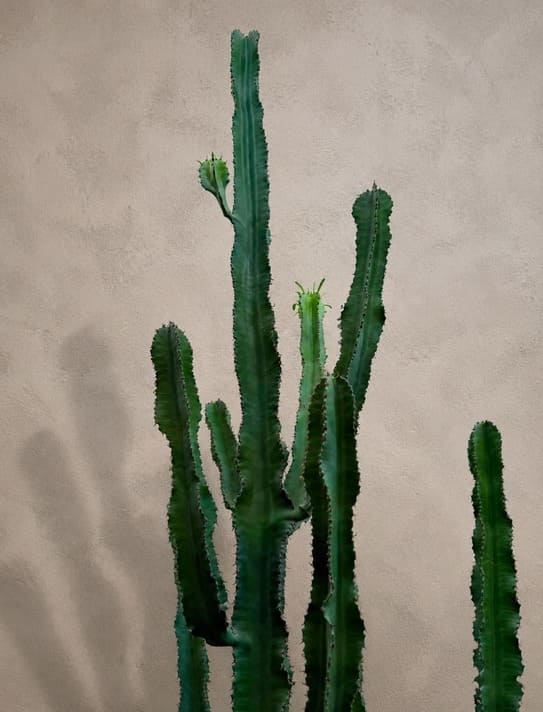
The best cactus fertiliser supports strength, roots and flowers without forcing soft growth.
Can You Use All-Purpose Fertiliser on Cactus?
You can use all-purpose fertiliser on cactus if it is diluted heavily and used carefully. But for most gardeners, a dedicated cactus fertiliser is easier and safer.
The issue with all-purpose fertiliser is that it is usually designed as a compromise. It may be suitable for many plants, but cactus plants have a more specific feeding style.
If an all-purpose fertiliser is too strong, too high in nitrogen, or applied too often, it can push growth that is not ideal for cactus.
Can You Use Indoor Plant Fertiliser on Cactus?
Indoor plant fertiliser is usually made for foliage plants. That means it may focus more on leafy green growth than cactus structure, flowering and resilience.
If your cactus is indoors, light is already often lower than ideal. Adding a nitrogen-heavy indoor plant fertiliser can make stretched or weak growth more likely.
Indoor cactus plants are usually better fed with a low-nitrogen cactus fertiliser during active growth, while also being placed in the brightest suitable position.
Can You Use Succulent Fertiliser on Cactus?
Yes. Cactus and succulents have similar feeding needs because both generally prefer controlled, low-nitrogen nutrition.
That is why CompleteGrow Cactus & Succulent Plant Food is designed for both groups. It suits cactus, succulents, jade, aloe, echeveria, haworthia, crassula, sedum and other dry-climate potted plants.
The 2-7-7 ratio gives low nitrogen with higher phosphorus and potassium, making it more suitable than many regular general-purpose fertilisers.
How to Feed Cactus Properly
Cacti should be fertilised lightly during active growth, not heavily all year round. In most parts of Australia, this usually means feeding more during spring and summer, then reducing or stopping feeding in cooler months.
CompleteGrow Cactus & Succulent Plant Food can be used in two simple ways:
- Every watering: use half a cap per 10 litres of water.
- Once or twice monthly: use one full cap per 10 litres of water.
Always feed only when the cactus actually needs watering. Do not keep cactus soil wet just because you want to fertilise.
CompleteGrow Recommendation
Regular fertiliser is not always wrong, but it is often not the best fit for cactus plants.
Cacti need a feeding routine that supports compact growth, roots, structure and flowering without pushing soft, excessive growth.
CompleteGrow Cactus & Succulent Plant Food Fertiliser Concentrate uses a low-nitrogen 2-7-7 formula with higher phosphorus and potassium to support cactus-style growth.
FAQs: Can You Use Regular Fertiliser on Cactus?
Can you use regular fertiliser on cactus?
Yes, but it should be diluted and used carefully. A dedicated cactus fertiliser is usually better because it is lower in nitrogen and better matched to cactus growth.
What happens if I use normal plant food on cactus?
If it is too strong or too high in nitrogen, normal plant food can encourage soft, stretched growth and poor shape. It can also stress the plant if the cactus is overwatered.
Is all-purpose fertiliser bad for cactus?
Not always, but it is not ideal. All-purpose fertiliser is made as a general compromise, while cactus plants need controlled feeding with lower nitrogen.
What fertiliser is best for cactus?
A low-nitrogen fertiliser with higher phosphorus and potassium is best. CompleteGrow Cactus & Succulent Plant Food uses a 2-7-7 NPK ratio with trace elements.
Can too much nitrogen hurt cactus?
Too much nitrogen can push soft, weak or stretched growth. Cacti need some nitrogen, but not heavy nitrogen feeding.
Can I use succulent fertiliser on cactus?
Yes. Cactus and succulents usually respond well to similar low-nitrogen feeding routines.
How often should I fertilise cactus?
Feed lightly during active growth. CompleteGrow can be used at half a cap per 10 litres every watering, or one full cap per 10 litres once or twice monthly.
Should I fertilise cactus in winter?
Usually no, or only very lightly. Most cactus plants slow down in winter and do not need the same feeding as they do in spring and summer.
More Cactus and Succulent Guides
Keep building a better cactus and succulent care routine with these related guides.
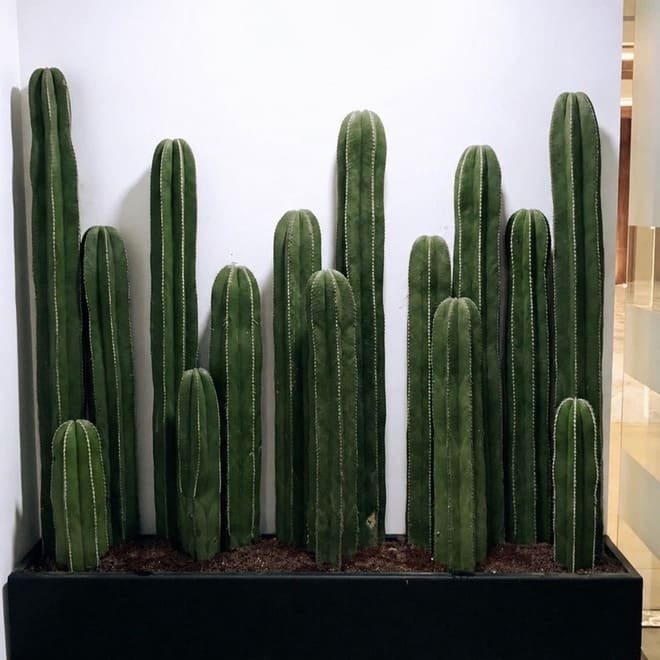
Choose controlled cactus nutrition instead of forcing soft growth with regular fertiliser.
Use the fertiliser made for cactus-style growth.
CompleteGrow Cactus & Succulent Plant Food is a low-nitrogen 2-7-7 fertiliser made for cactus, succulents, jade and aloe. Use it during active growth to support roots, flowering, compact growth and healthier structure.
Shop Cactus & Succulent Fertiliser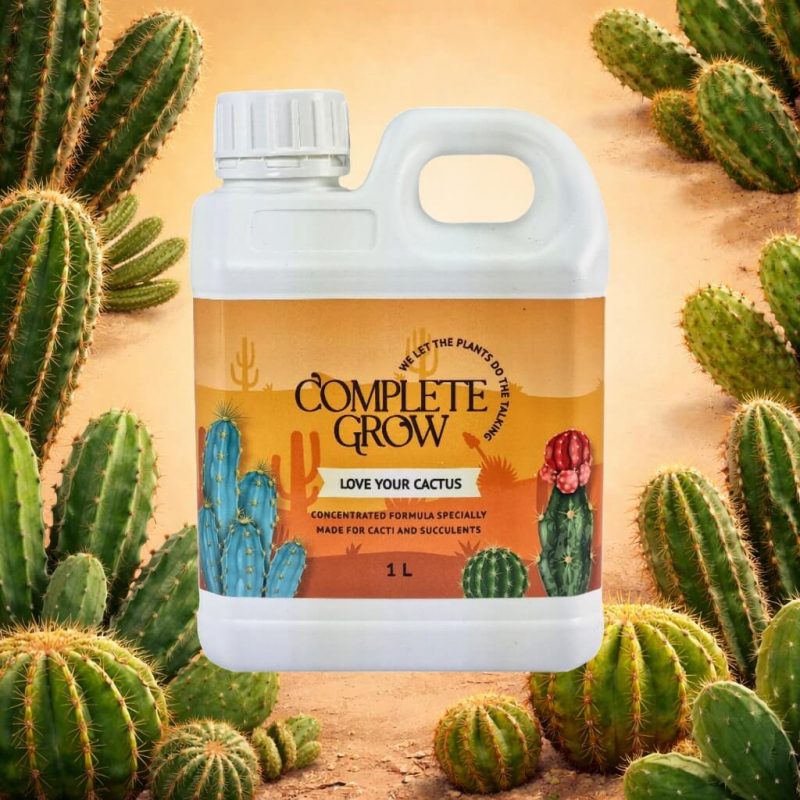


- Quick View
- Select options This product has multiple variants. The options may be chosen on the product page
The Grow Blog
Seasonal tips from our growers, written for real Aussie gardens.