
Why Are My Succulent Leaves Falling Off?
Succulent leaves usually fall off because of overwatering, sudden stress, poor light, underwatering, temperature shock, or natural old leaf drop. The most common cause is too much water, especially when leaves feel soft, swollen or drop easily with the slightest touch.
If the leaves are yellow, mushy and falling off from the bottom, overwatering is the first thing to suspect. If they are dry, wrinkled and dropping, the plant may be too dry. If the succulent is stretched, pale or weak, poor light and wrong feeding may be contributing.
Once the plant is stable, a low-nitrogen succulent fertiliser can help support stronger roots, healthier growth and better recovery, but fertiliser is not the first fix if the plant is waterlogged or stressed.
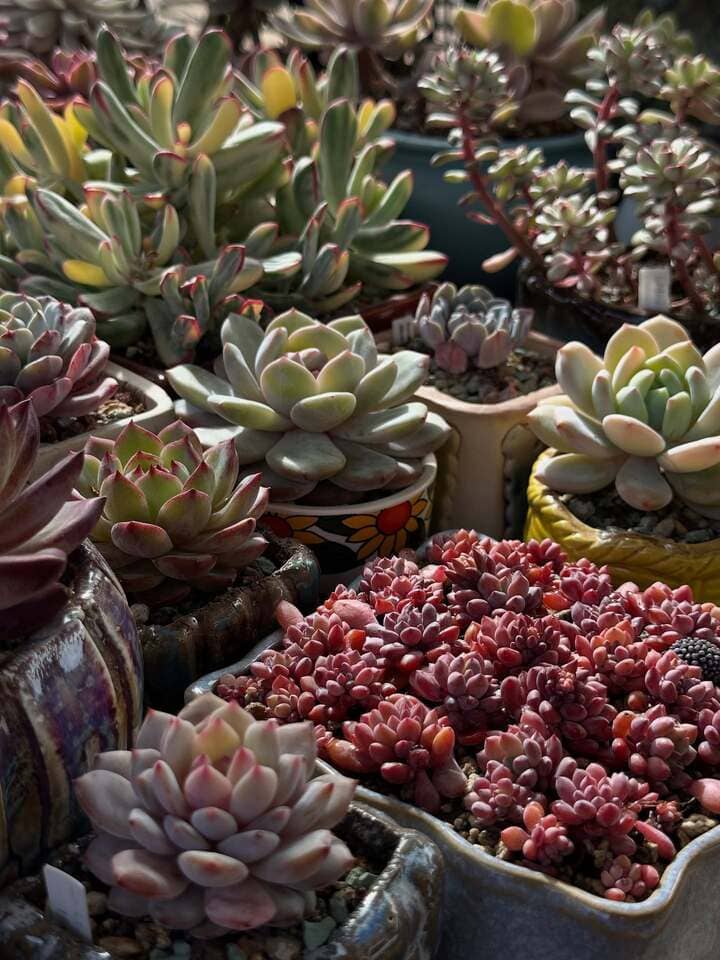
When succulent leaves fall off, the cause is usually watering stress, low light, or a sudden change in conditions.
Quick Answer: Why Are Succulent Leaves Falling Off?
Succulent leaves fall off when the plant is under stress. The most common reason is overwatering, followed by underwatering, poor drainage, low light, repotting stress, heat or cold shock, pests, and old depleted potting mix.
The biggest clue is how the leaves look and feel before they drop.
- Soft, mushy or translucent leaves: usually too much water.
- Dry, thin or shrivelled leaves: usually too little water or weak roots.
- Leaves dropping after moving the plant: often transplant or light shock.
- Leaves dropping with pale, stretched growth: often not enough light.
- Only a few old bottom leaves: may be normal ageing.
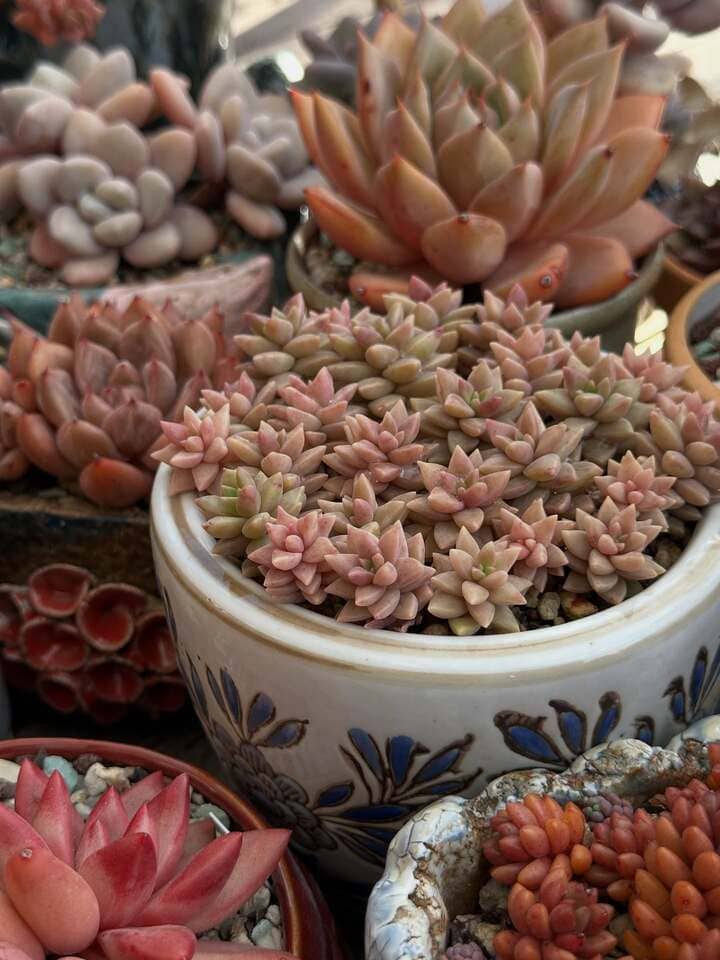
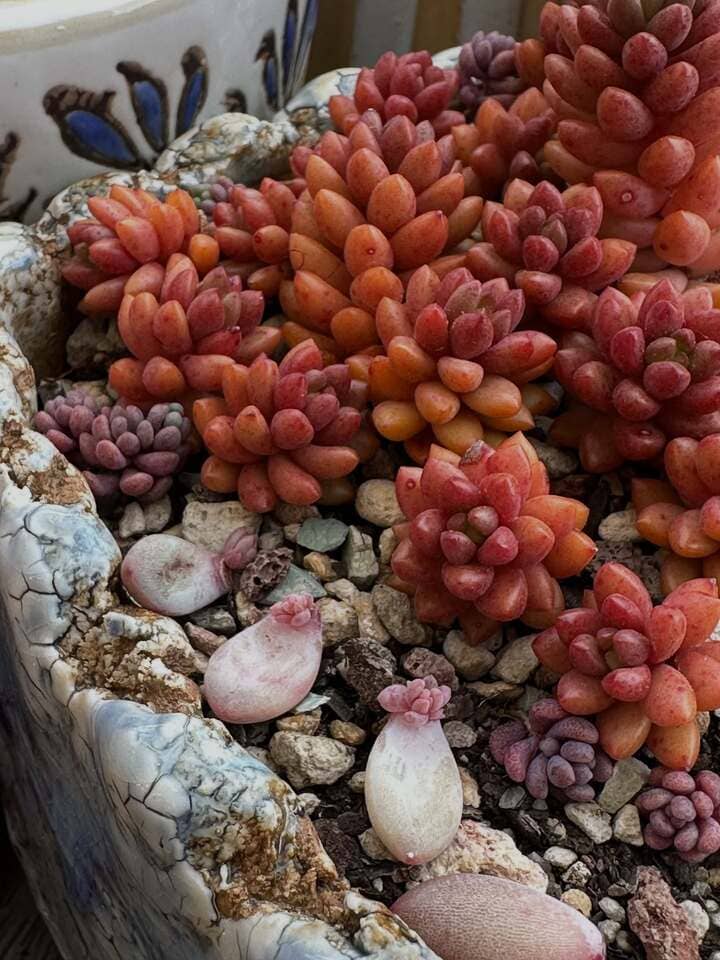
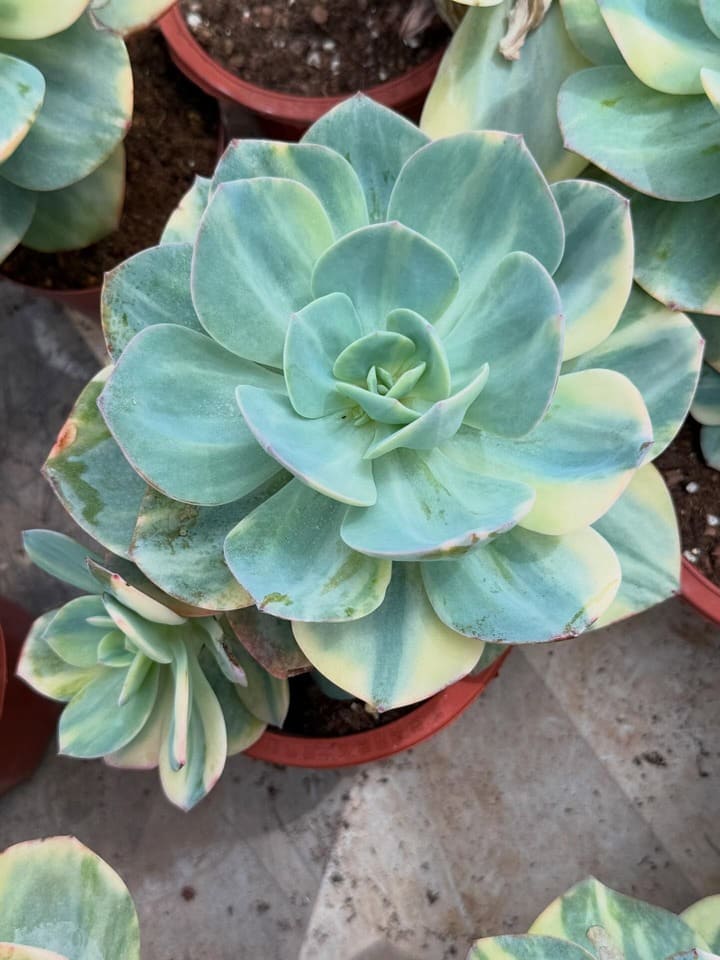
1. Overwatering Is the Most Common Cause
If succulent leaves are falling off and they feel soft, swollen, mushy or almost translucent, overwatering is the most likely cause.
Succulents store water inside their leaves. When the root zone stays wet for too long, the roots stop functioning properly and the plant starts shedding leaves. This is especially common in pots without drainage holes or in mixes that stay damp for too long.
Leaves may first turn yellow, soft or slightly transparent before dropping. If the stem base is soft as well, the problem is more advanced.
2. Underwatering Can Also Make Leaves Drop
Succulents can also drop leaves when they are too dry for too long. In this case, the leaves usually look thinner, wrinkled or dried out before they fall.
This is more common in very small pots, terracotta pots, fast-draining mixes, or during hot weather when moisture disappears quickly.
The answer is not constant watering. The right approach is a proper soak, then allowing the mix to dry again before the next watering.
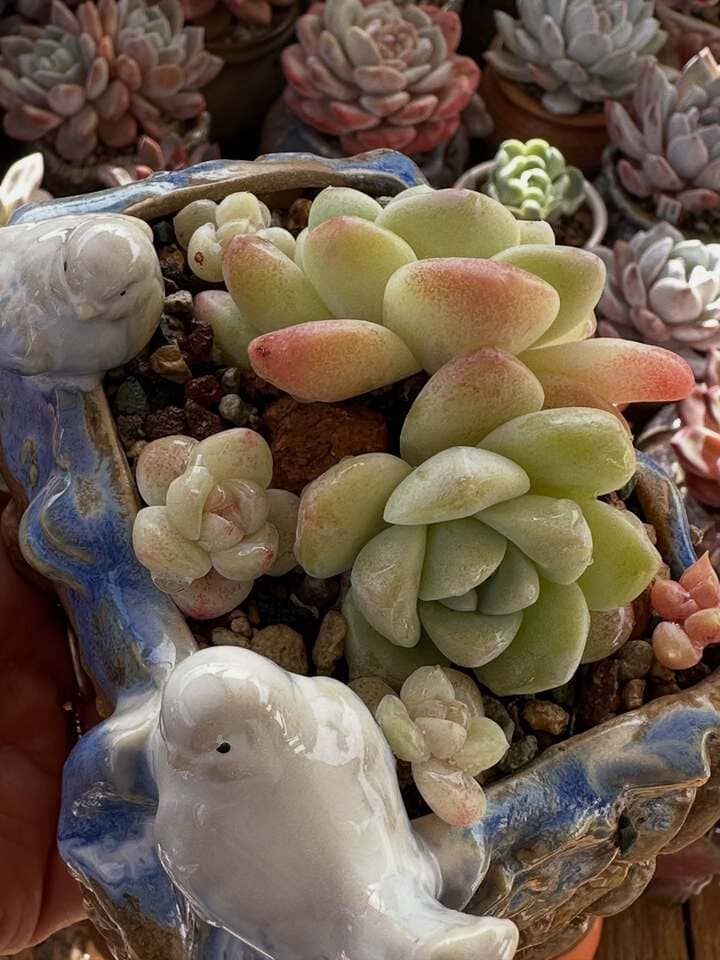
Leaf retention improves when succulents get the right light, the right drainage and the right watering rhythm.
Succulent Leaves Falling Off: What It Usually Means
Use this quick table to diagnose the most likely cause.
| Symptom | Most Likely Cause | What to Do |
|---|---|---|
| Soft, mushy leaves dropping | Overwatering or poor drainage | Reduce watering, dry the mix, improve drainage and repot if needed. |
| Dry, shrivelled leaves dropping | Underwatering | Water thoroughly, then return to a proper wet-dry cycle. |
| Pale stretched plant losing leaves | Low light | Move into brighter light gradually and avoid overfeeding. |
| Leaves falling after moving the plant | Environmental shock | Give the plant time to settle and keep conditions stable. |
| Only a few bottom leaves dropping | Natural ageing | Usually normal if the rest of the plant looks healthy. |
| Weak colour and slow growth with leaf loss | Old depleted potting mix | Once stable, feed lightly with succulent fertiliser. |
| Leaves dropping with sticky residue or insects | Pests | Inspect closely and treat the pest issue first. |
3. Poor Light Weakens Succulents and Encourages Leaf Drop
Succulents need bright light to stay compact and hold growth properly. In low light, they often stretch, fade in colour and become weaker overall. As the plant struggles, leaves may loosen and fall more easily.
This is especially common indoors where a room looks bright to people but is still too dim for many succulents. The plant may lean toward the window, grow leggy, or start dropping lower leaves.
4. Sudden Stress Can Trigger Leaf Drop
Succulents dislike abrupt changes. If you recently repotted the plant, moved it from indoors to outdoors, changed its watering routine, or exposed it to extreme heat or cold, leaf drop can happen as a stress response.
This kind of leaf drop is often temporary if the plant settles into better conditions. The key is to avoid more sudden changes while it recovers.

Fertiliser helps once the succulent is stable
CompleteGrow Cactus & Succulent Plant Food is designed for succulents, cactus, jade and aloe.
If leaf drop is linked to weak growth, old potting mix or washed-out nutrients, this low-nitrogen formula can support stronger roots, better structure and healthier new growth without pushing soft, weak growth.
Do not use fertiliser as the first fix for a waterlogged succulent. Stabilise the plant first, then feed during active growth.
View Succulent Fertiliser5. Is It Normal for Bottom Succulent Leaves to Fall Off?
Yes, sometimes. Succulents naturally shed some older bottom leaves as they grow. If it is only the lowest leaves and the rest of the plant looks healthy, firm and well coloured, this can be completely normal.
The difference is speed and amount. Losing one or two old lower leaves gradually is not the same as many leaves dropping quickly, especially if they are soft or yellow.
Not normal: many leaves dropping quickly, especially if they are soft, yellow, mushy or the stem is weakening.
6. Can Fertiliser Stop Succulent Leaves Falling Off?
Sometimes, but only when nutrition is part of the problem. Fertiliser will not fix overwatering, rot, wet soil, pest damage or severe light stress.
Where fertiliser can help is when the succulent is stable but weak, sitting in old potting mix, growing slowly, losing colour, or struggling to rebuild after stress. In that case, controlled feeding can support stronger regrowth.
Succulents do not need heavy nitrogen. A low-nitrogen fertiliser is usually the better fit because it supports roots, structure and overall resilience without pushing soft, weak growth.
7. Best Feeding Routine for Recovering Succulents
Once your succulent is stable and actively growing again, CompleteGrow Cactus & Succulent Plant Food can be used in two simple ways:
- Every watering: use half a cap per 10 litres of water.
- Once or twice monthly: use one full cap per 10 litres of water.
Most gardeners will do best with the second option. Keep it simple: feed once or twice monthly during active growth, and reduce feeding when growth slows.
Healthy new growth comes from better drainage, better light, a steadier watering cycle and the right nutrition.
FAQs: Why Are My Succulent Leaves Falling Off?
Why are my succulent leaves falling off when I touch them?
If they fall off very easily and feel soft or swollen, overwatering is the most likely cause. Check whether the potting mix is staying wet too long.
Why are the bottom leaves of my succulent falling off?
A few bottom leaves can fall off naturally as the plant grows. If many are dropping quickly, or they are soft and yellow, it is more likely a care problem.
Can underwatering make succulent leaves fall off?
Yes. Leaves can dry out, wrinkle and eventually fall if the plant stays too dry for too long.
Can low light cause succulent leaves to fall off?
Yes. Poor light weakens the plant, often causing stretching, paler colour and leaf loss over time.
Should I fertilise a succulent that is dropping leaves?
Only after the plant is stable. If it is waterlogged or stressed, fix watering, drainage and light first. Fertiliser helps later if the plant is weak or underfed.
What fertiliser is best for succulents?
A low-nitrogen succulent fertiliser is usually best. CompleteGrow uses a 2-7-7 formula with trace elements to support roots, structure and healthier growth.
Can repotting make succulent leaves fall off?
Yes. Succulents can drop a few leaves after repotting or moving if they are adjusting to new conditions.
How do I stop succulent leaves falling off?
Use a free-draining mix, water only when the soil has dried appropriately, give bright light, avoid sudden changes, and feed lightly during active growth once the plant is healthy.
More Cactus and Succulent Guides
Keep building a better succulent care routine with these related guides.
Support stronger succulent growth after stress.
CompleteGrow Cactus & Succulent Plant Food is a low-nitrogen 2-7-7 fertiliser made for succulents, cactus, jade and aloe. Use it during active growth once the plant is stable to support healthier roots, better structure and stronger new growth.
Shop Cactus & Succulent Fertiliser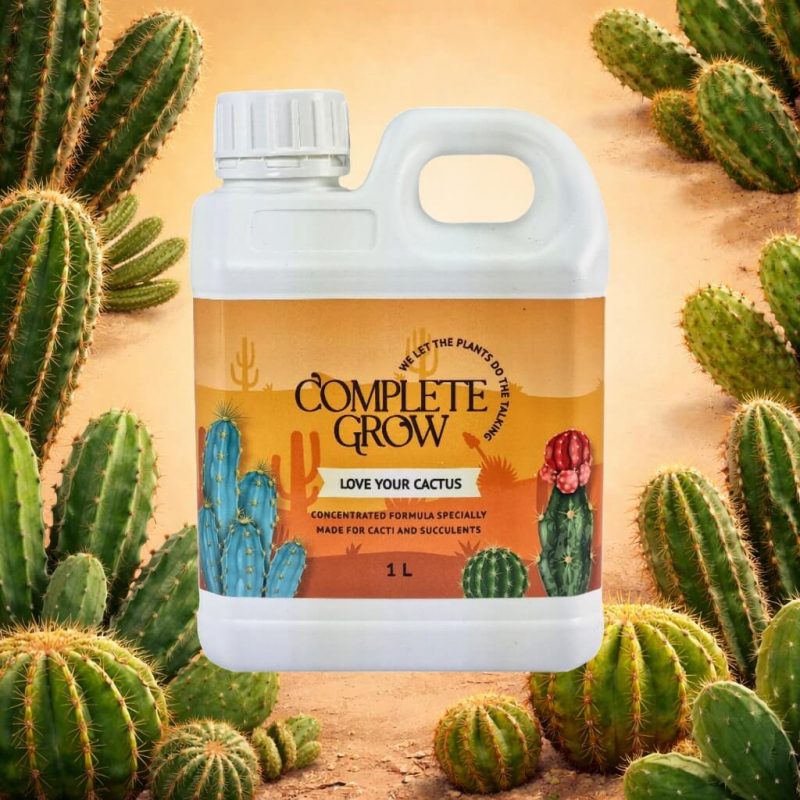


- Quick View
- Select options This product has multiple variants. The options may be chosen on the product page
The Grow Blog
Seasonal tips from our growers, written for real Aussie gardens.