How to Grow Pereskiopsis in Australia – From Rootstock to Rapid Growth
Pereskiopsis is a unique, fast-growing tropical cactus genus best known as an exceptional grafting stock for seedling cacti such as Trichocereus and Lophophora. Unlike many desert cacti, Pereskiopsis retains leaves, grows rapidly in warm conditions, and can push grafted seedlings to maturity in record time. In Australia, it thrives in frost-free climates or as a protected pot specimen in cooler areas.
Pereskiopsis Growing Conditions
Sunlight: Prefers bright, indirect light to full morning sun. Protect from intense midday summer sun to prevent leaf scorch, especially when young.
Soil: Requires a free-draining cactus mix with added perlite for aeration. Incorporating some organic matter helps support leaf growth and nutrient uptake.
Climate: Performs best in warm, humid conditions. Sensitive to frost; keep above 10°C. In cooler regions of Australia, grow in pots and overwinter indoors or in a greenhouse.
Whether for ornamental display or grafting use, healthy Pereskiopsis plants are easy to maintain when given consistent moisture, warmth, and nutrient support.
Pereskiopsis Fertiliser – What to Use & When to Feed
Pereskiopsis grows much faster than most cacti, meaning it needs regular, balanced feeding to maintain strong stems, healthy leaves, and a vigorous root system. A cactus-specific fertiliser ensures steady growth without excessive nitrogen, which can cause weak, soft tissue.
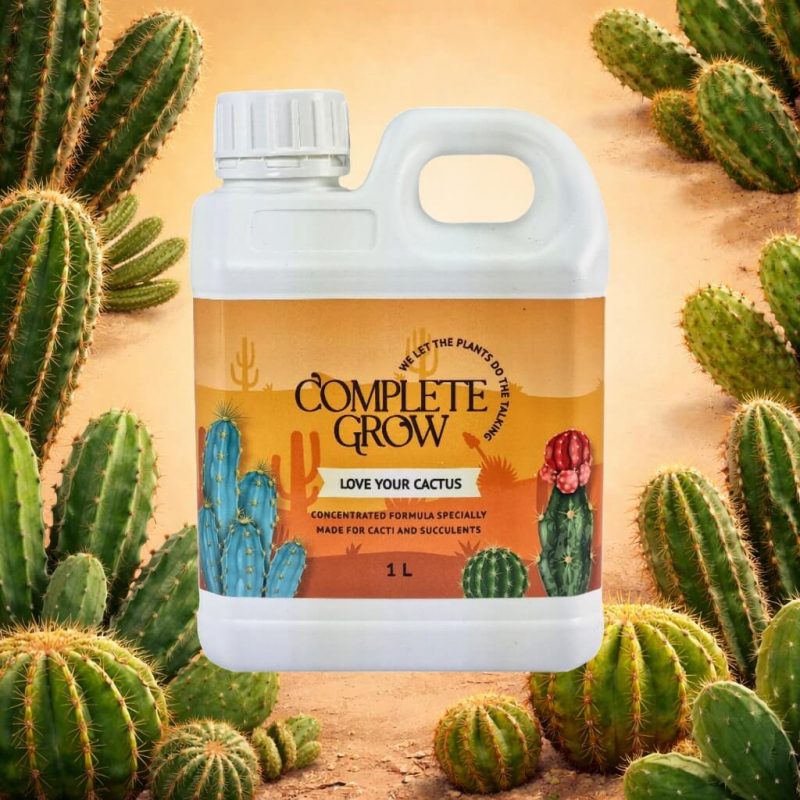
Best Fertiliser for Pereskiopsis (In-Ground vs Pots) – In-Ground Plants: Apply a slow-release cactus and succulent fertiliser with a low-nitrogen ratio such as 2-7-7 plus trace elements every 6–8 weeks during the warm season. – Potted Plants: Feed with Complete Grow’s Cactus Succulent Plant Food Fertiliser Concentrate (2-7-7) every 2–3 weeks from spring through early autumn. This formula supports sturdy stem growth and healthy leaf production for grafting success.
When Should You Fertilise Pereskiopsis in Australia? – Spring (Sept–Nov): Begin feeding when new leaves emerge and growth resumes. – Summer (Dec–Feb): Maintain regular feeding for maximum vigour, particularly for grafting stock. – Autumn (Mar–May): Reduce feeding frequency as growth slows and prepare for dormancy in cooler climates. – Winter (Jun–Aug): Minimal to no feeding unless plants are kept in warm, actively growing conditions.
For fast, sturdy growth that supports successful grafts, Complete Grow’s Cactus Succulent Plant Food Fertiliser Concentrate delivers the perfect balance for Pereskiopsis.
Common Pereskiopsis Problems & How Proper Fertilising Prevents Them
Pereskiopsis is resilient, but poor growing conditions or nutrient imbalances can slow growth and reduce its value as grafting stock. Correct fertilisation can prevent most common issues:
1. Weak or Soft Stems Caused by excessive nitrogen or low light. Use a low-nitrogen cactus fertiliser and provide bright light.
2. Yellowing Leaves Often due to potassium or magnesium deficiency. Regular feeding with a cactus fertiliser containing trace elements corrects and prevents this.
3. Slow Growth Indicates nutrient depletion or cool temperatures. Increase feeding during warm months and maintain above 20°C for optimal growth.
4. Leaf Drop Usually caused by water stress or sudden temperature changes. Keep watering consistent and avoid cold drafts.
*Avoid overwatering in cool weather, as Pereskiopsis is more prone to root rot than desert cacti.*
With the right soil, climate, and a consistent cactus-specific feeding plan, Pereskiopsis will produce strong, healthy growth — perfect for both ornamental enjoyment and high-success grafting projects in Australia.