
Fertiliser for Roses
Transform Your Garden into a Personal Paradise!
Best Fertiliser for Roses in Australia: When, How & What to Use for Blooms That Last
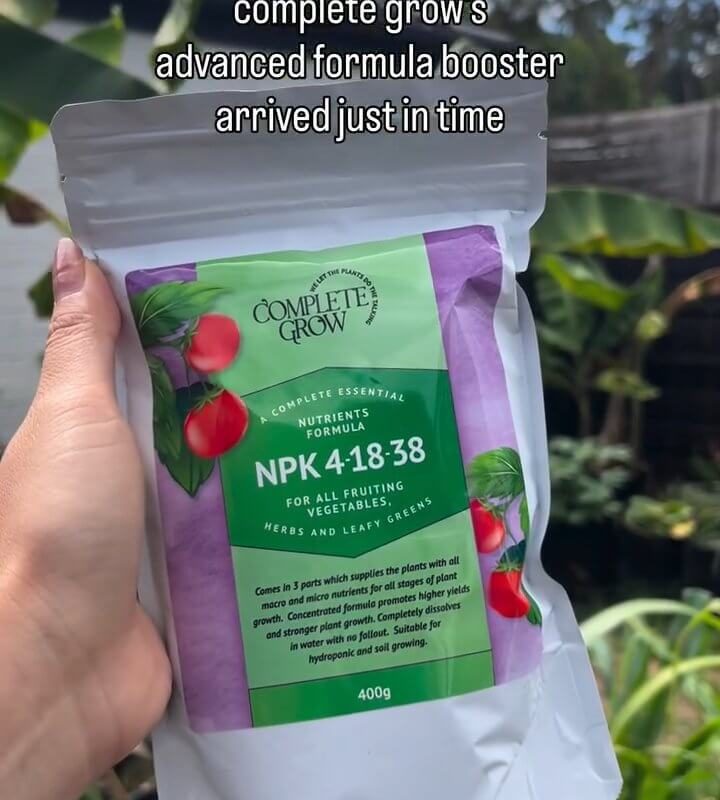
The best fertiliser for roses in Australia is a high-potassium NPK 4-18-38 with calcium and magnesium. It’s designed for flowering plants like roses: the potassium and phosphorus drive bigger, brighter, longer-lasting blooms, while the calcium and magnesium keep stems strong and leaves green. Feed it every 2–3 weeks from the first flower buds in spring through to autumn. After winter pruning, use a balanced NPK 20-20-20 to build new canes and leaves, then switch.
Roses are timeless garden favourites, but to truly thrive, they need the right feeding schedule. This guide covers everything you need to know about fertilising roses in Australia—from planting to flowering—including how often to feed, what products to use, and tips for climate-specific care in places like Adelaide and Melbourne.
What Fertiliser Do Roses Need?
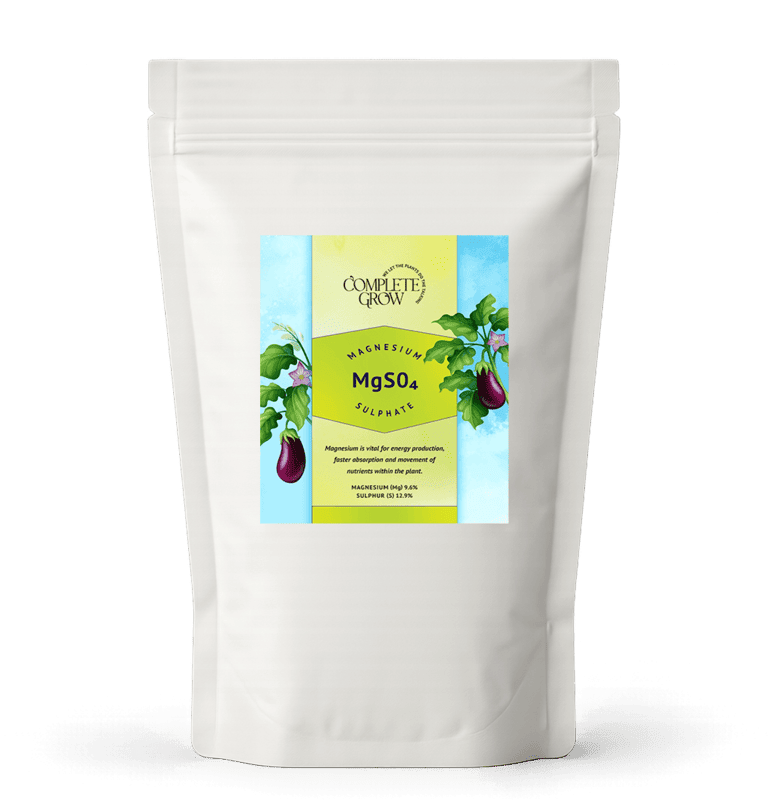
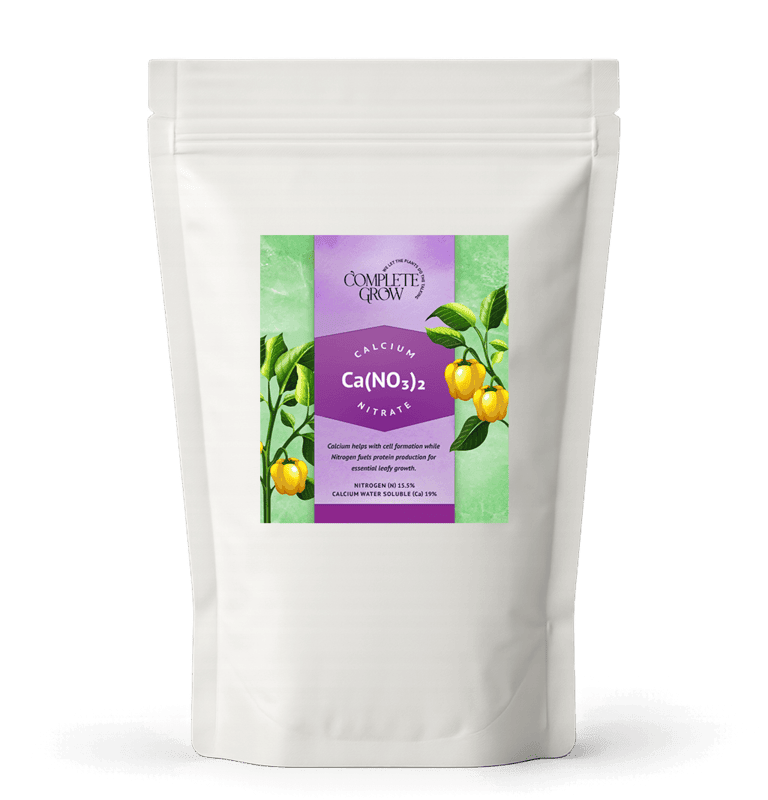
- For buds and blooms: NPK 4-18-38 + Calcium & Magnesium. Per 10 L of water: 8 g NPK 4-18-38, 8 g Calcium Nitrate and 4 g Magnesium Sulphate.
- After pruning (August–October): NPK 20-20-20 at 4 mL per litre of water, for new canes and leaves.
- Switch: to the 4-18-38 + Cal-Mag as soon as the first flower buds form, and keep it going until autumn (November–April).
- How often: every 2–3 weeks in garden beds. Every 2 weeks at half strength in pots.
- When to stop: May–July, while roses are dormant. Prune in late July to early August, then start again.
- Avoid: lawn fertiliser and high-nitrogen feeds once buds form. They give soft, leafy growth and fewer flowers.
- Always: water deeply before and after feeding.
What Is the Best Fertiliser for Roses?
Roses need high nitrogen early on, followed by phosphorus and potassium to support buds, blooms, and disease resistance. Calcium and magnesium prevent yellowing and flower drop.
- NPK 4-18-38 + Cal-Mag – Perfect for flower production. Boosts bloom size, colour intensity, and petal strength. Also helps prevent leaf yellowing and nutrient stress. Switch to it when flowering starts (Nov–April) to improve blooms and reduce disease risk.
- NPK 20-20-20 – Balanced and versatile. Use after pruning and throughout early growth (Aug–Oct) to build strong stems, lush foliage, and dense branching.
Both suit every type of rose: bush, climbing, standard and potted. Adjust frequency, not product.
CompleteGrow’s view: why 4-18-38 is our pick for roses
Look at the numbers. NPK 4-18-38 is 38% potassium and 18% phosphorus, with only 4% nitrogen. Potassium is what gives roses bigger flowers, deeper colour and firmer petals that hold up longer in the heat. Phosphorus drives new buds, so each flush comes back faster after deadheading. And the low nitrogen means the plant puts its energy into flowers, not soft, sappy shoots that aphids love. The calcium and magnesium come as separate parts, so stems stay strong and leaves stay dark green right through summer.
What Nutrients Do Roses Need?
Roses use nutrients rapidly through active growth and flowering.
- Nitrogen (N): Promotes leafy growth and rich green colour. The balanced nitrogen in 20-20-20 builds healthy stems early in the season without overstimulating foliage at the expense of flowers.
- Phosphorus (P): Drives root strength and new bud formation. The 18% phosphorus in the 4-18-38 formula supports repeat flowering after pruning or heavy bloom periods.
- Potassium (K): Enhances bloom size, depth of colour, and petal firmness. A high potassium blend improves fragrance, extends bloom life, and increases resistance to heat stress.
- Calcium & Magnesium: Calcium maintains firm stems and reduces petal drop, while magnesium boosts chlorophyll production for darker leaves.
Where to Plant Roses & Growing Basics
- Sunlight: Roses need 5–6 hours of direct sun per day. Morning sun helps dry leaves and prevent fungal issues.
- Soil: Choose rich, well-drained soil. If heavy or sandy, dig in compost or plant in a raised bed or large container.
- Spacing: Allow air circulation between plants to prevent disease and promote even growth.
Roses are heavy feeders with deep roots. For best results, establish a regular feeding plan based on your location and rose type (hybrid tea, shrub, climbing, etc.).
When to Fertilise Roses in Australia
- Late winter to spring (August–October): Begin feeding with NPK 20-20-20 as new leaves and buds appear. This fuels strong, early growth.
- Late spring and summer (November–January): Switch to NPK 4-18-38 + Cal-Mag and continue regular feeding every 2–3 weeks to maintain flowering.
- Late summer and autumn (February–April): Feed lightly with 4-18-38 + Cal-Mag to support final blooms and strengthen roots before winter. Avoid heavy nitrogen feeds late in the season.
- Winter (May–July): Pause feeding while plants are dormant. Prune in late July to early August and prepare to restart feeding. Use mulch to protect roots and maintain steady moisture levels.
CompleteGrow’s view: switch at the first buds, not on a date
The months above are a guide, but your rose is the better clock. In warm areas roses can bud up in early spring, and in cooler areas weeks later. Once you can see the first flower buds forming at the tips of the new shoots, switch to the 4-18-38 + Cal-Mag, even if it’s still early spring. That’s when the plant is deciding how many flowers to open and how big they’ll be, so that’s when it needs the potassium and phosphorus.
How Often to Fertilise Roses
- In garden beds: Feed every 2–3 weeks during the growing season using full strength.
- In pots: Feed every 2 weeks at half strength to avoid build-up in confined soil.
Always water after applying and avoid feeding during heatwaves or extreme cold snaps.
How Much Fertiliser to Mix for Roses
NPK 4-18-38 + Calcium & Magnesium: per 10 L of water, use 8 g of the NPK 4-18-38, 8 g of Calcium Nitrate and 4 g of Magnesium Sulphate (one scoop is about 6 g). For roses in pots, use the lighter rate of 6 g, 6 g and 3 g.
NPK 20-20-20 liquid: 4 mL per litre of water (40 mL in a 10 L watering can). For roses in pots, use half strength: 2 mL per litre (20 mL per 10 L).
Important: mix and apply the three parts of the 4-18-38 + Cal-Mag separately, and rinse the can between them. Calcium reacts with phosphate and sulphate at high concentration and drops out of the solution, so it would never reach your roses.
How to Fertilise Roses (Step-by-Step)
- Step 1: Water deeply before fertilising to prevent root burn.
- Step 2: Apply fertiliser at the base, not on foliage.
- Step 3: Water again after applying to activate nutrients.
Use liquid fertiliser for quick uptake during active growth and flowering. For consistent results, start with a balanced NPK after pruning, then switch to a bloom booster as the buds form.
Mulching after feeding helps retain moisture and keeps surface roots cool — particularly important in warmer climates. For young bushes, start with half-strength fertiliser until plants are well-established.
Feeding Roses in Melbourne & Adelaide
In southern climates:
- Start fertilising in late August after pruning.
- Feed every 2–3 weeks from September to April.
- Pause during winter dormancy (May–July).
For warm-temperate or subtropical zones (e.g. Brisbane, Perth), fertilising may continue longer into autumn depending on weather.
Feeding Roses in Pots
Potted roses depend entirely on the nutrients you provide. Limited soil volume and frequent watering quickly deplete minerals, making regular fertilising essential for healthy growth and repeat flowering.
- Feed every 2 weeks at half strength: 20-20-20 after pruning, then 4-18-38 + Cal-Mag once the buds form.
- Always apply fertiliser to damp soil and water thoroughly afterward.
- To prevent mineral build-up, flush each pot with clean water every four to six weeks.
- Use well-draining potting mix and elevate containers slightly off hot surfaces to protect roots from overheating.
Feeding Climbing Roses
Unlike compact rose bushes, climbers put more energy into vertical cane growth before flowering. Without enough nutrition, upper canes can yellow or flower sparsely.
- Early spring: Feed with 20-20-20 to stimulate new cane growth from the base.
- Late spring to summer: Switch to 4-18-38 + CaMg. The high phosphorus and potassium encourage bud formation along all canes, not just the tops.
- Mulch heavily: Climbing roses often grow near walls or fences where soil dries quickly — mulch keeps root zones stable and nutrient uptake efficient.
- Train canes horizontally: this encourages even flowering along the length of each stem.
Signs Your Roses Need Fertiliser
- Yellowing lower leaves
- Small or pale blooms
- Leggy growth with few buds
- Poor recovery after pruning
These symptoms often appear mid-season and can be corrected with proper feeding.
Black spots on the leaves are different: that’s black spot, a fungal disease, not a feeding problem. Well-fed roses cope with it better, but also remove the affected leaves and water at the base, not over the foliage.
Rose Fertiliser FAQs
What is the best fertiliser for roses?
A high-potassium NPK 4-18-38 with calcium and magnesium, made for flowering plants. It gives bigger, brighter blooms with firmer petals. Use a balanced NPK 20-20-20 after winter pruning to build new growth, then switch to the 4-18-38 + Cal-Mag once the buds form.
What NPK ratio is best for roses?
A low-nitrogen, high-potassium ratio like 4-18-38 while roses are budding and flowering. A balanced 20-20-20 suits the burst of new growth after pruning. Too much nitrogen gives lots of leaves and fewer flowers.
How often should I fertilise roses?
Every 2–3 weeks during the growing season in garden beds, and every 2 weeks at half strength in pots. Stop from May to July while roses are dormant.
When should I start fertilising roses in Australia?
After winter pruning, when new shoots appear, which is late August in most areas. Start with NPK 20-20-20, then switch to 4-18-38 + Cal-Mag as the first buds form.
Why are my rose leaves turning yellow?
Usually from magnesium or nitrogen deficiency. Feed with 4-18-38 + CaMg to restore leaf colour and support new growth. See Why Are My Rose Leaves Turning Yellow? for other causes.
Can I use lawn fertiliser on roses?
Avoid it — lawn blends are high in urea and nitrogen, which cause soft, leaf-heavy growth. Use balanced NPK formulas like 20-20-20 or 4-18-38 for steady performance.
How can I encourage more blooms?
Regular feeding, light pruning, and deadheading spent flowers redirect energy to new buds. Potassium-rich fertilisers like 4-18-38 improve both quantity and quality of blooms. More tips: How to Get More Flowers on a Rose Plant.
Can I use the same fertiliser for all rose types?
Yes — both 20-20-20 and 4-18-38 blends suit bush, climbing, and standard roses. Adjust frequency, not product.
Is it safe to fertilise roses in hot weather?
Yes, if watered well before and after application. Avoid feeding in the middle of the day when soil is dry or hot, and skip feeding during heatwaves.
Why do potted roses stop flowering?
Usually from depleted nutrients or irregular watering. Feed consistently with 4-18-38 during the blooming phase to restore energy and bud formation.
Why are the flowers only on top of my climbing rose?
Usually from low potassium or irregular feeding. Switch to 4-18-38 and train canes horizontally to encourage even flowering along the length of each stem.
Explore the full Complete Grow fertiliser range to help your roses bloom bigger, brighter, and longer—all season long.
Related Rose Guides
Related Rose Guides
- How to Plant and Grow Roses
- Best Time to Plant Roses in Australia
- When to Plant Roses
- What to Plant with Roses
- How to Get More Flowers on a Rose Plant
- Why Are My Roses Drooping?
- Rose Buds Not Opening
- Why Are My Rose Leaves Turning Yellow?
- Why Are My Rose Leaves Turning Brown?
- How to Revive Roses
- Best Fertiliser for Roses
- Fertiliser for Rose Bushes
- Fertiliser for Potted Roses
- Best Fertiliser for Climbing Roses
Recommended Products
- Quick View
- Select options This product has multiple variants. The options may be chosen on the product page
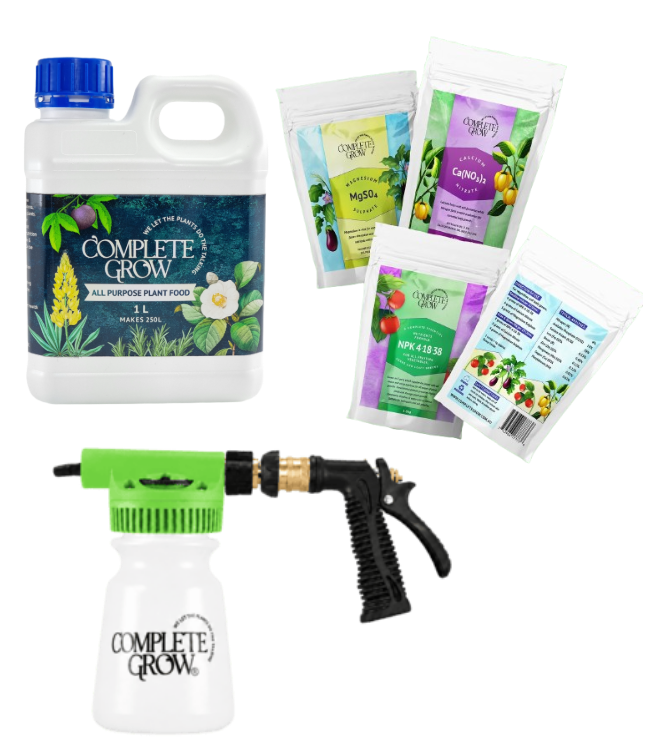
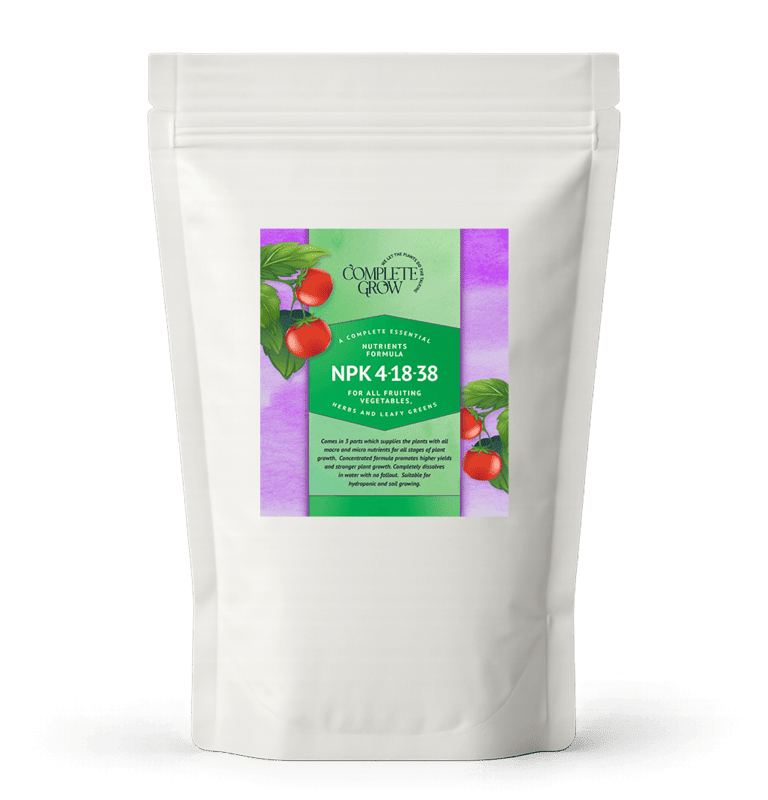
Advanced Formula – Boost Flowering & Fruiting – NPK 4-18-38 + Calcium & Magnesium
- Quick View
- Select options This product has multiple variants. The options may be chosen on the product page
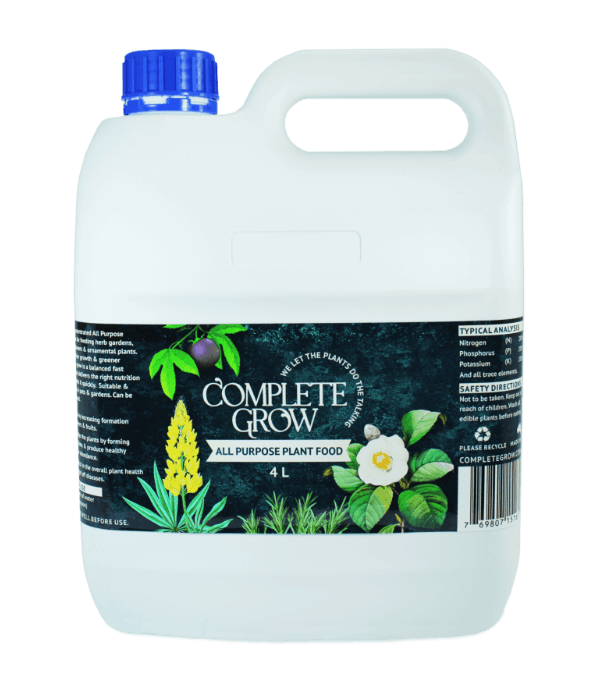
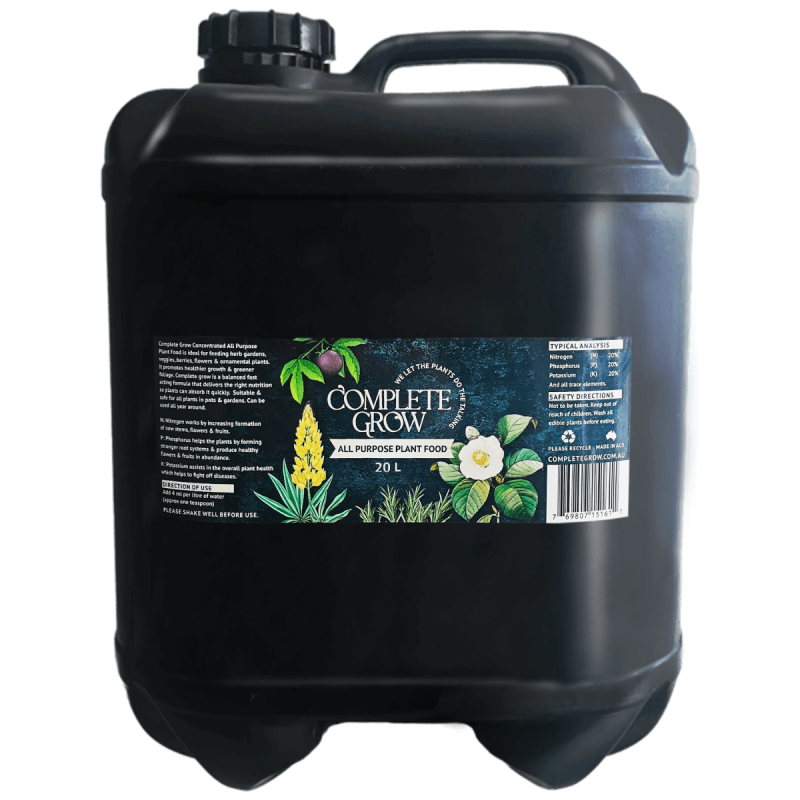
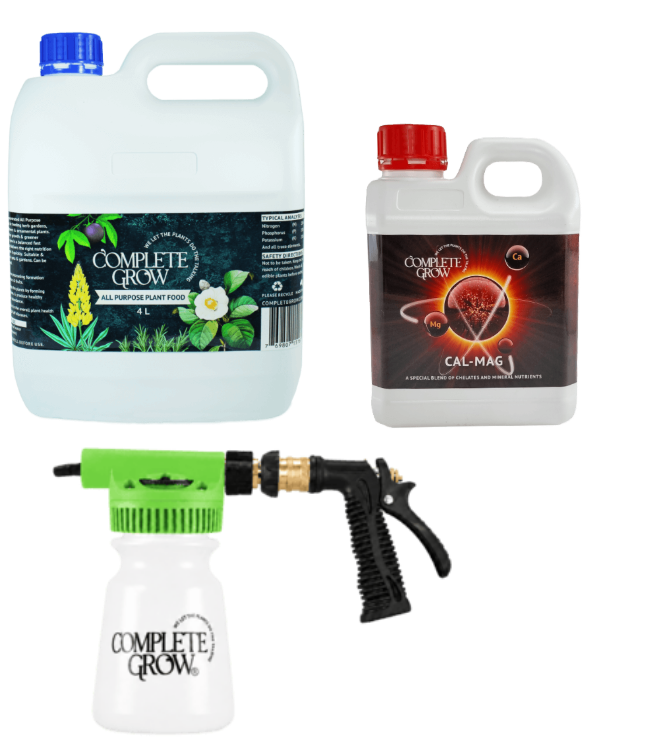
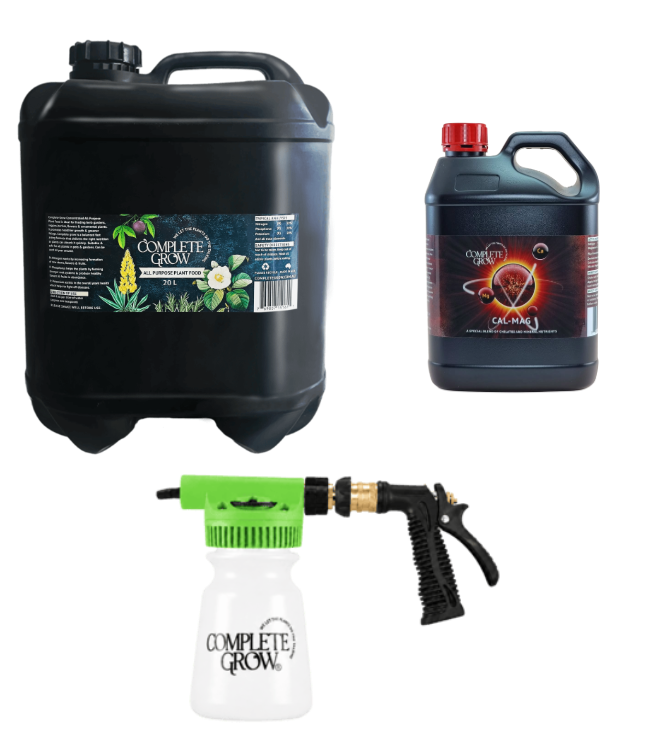
All Purpose Plant Liquid Fertiliser – Formulated from NPK 20-20-20 & Micro Nutrients
The Grow Blog
Seasonal tips from our growers, written for real Aussie gardens.