
Free Shipping Over $70

Free Shipping Limited Time Only

Ranunculus in Pots

Transform Your Garden into a Personal Paradise!

Fertilising Ranunculus in Pots vs Beds (Australia)

Pots need smaller, more frequent feeds; beds need deeper, less frequent feeds. Begin at half strength when shoots reach 2–3 cm, then feed through active growth and bloom. Keep soil evenly moist and never waterlog.

  • Pots: Feed every 7–10 days at half–full strength; flush salts every 4–6 weeks.
  • Beds: Feed every 10–14 days at full strength; focus on the root zone, not foliage.
  • Best formula: Balanced liquid NPK (e.g., 20-20-20) with micronutrients.
  • Soil pH target: 6.0–6.8 for reliable micronutrient uptake and green growth.

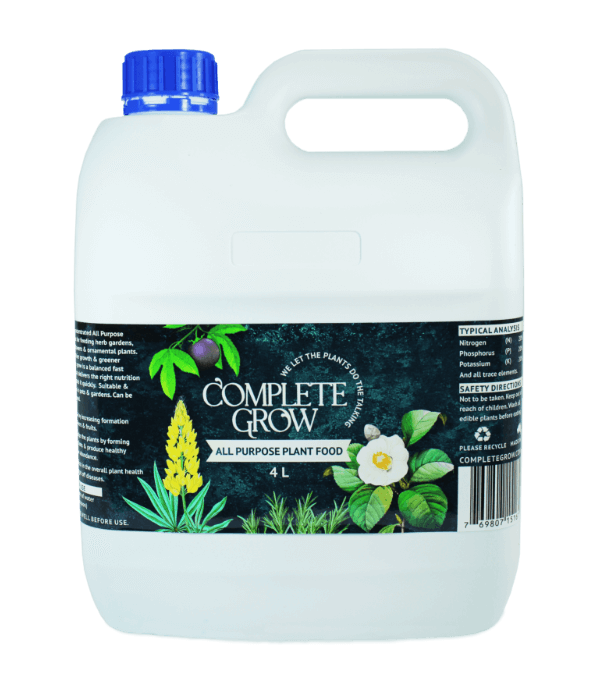
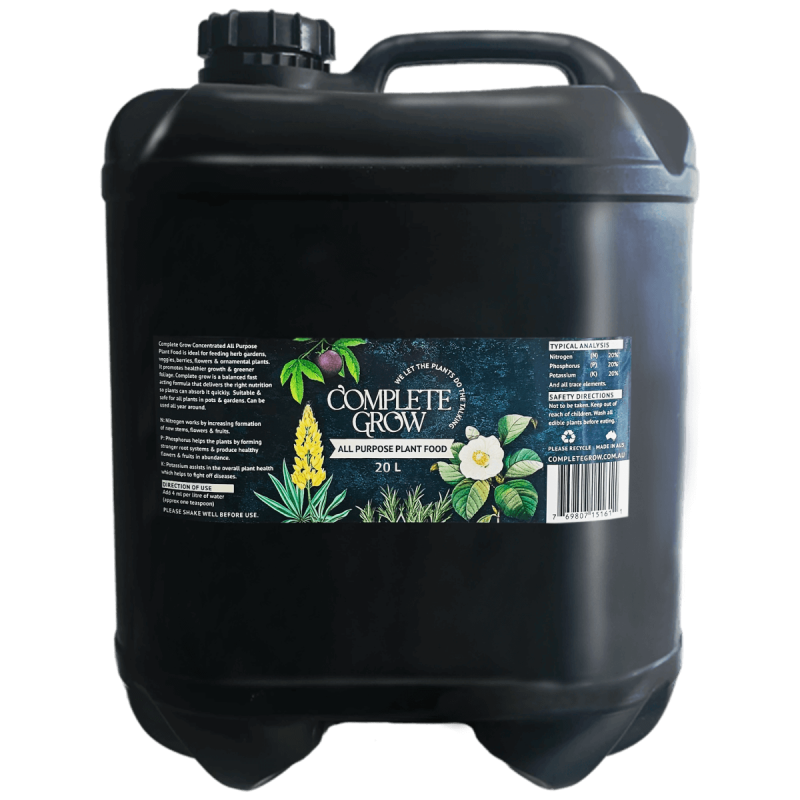
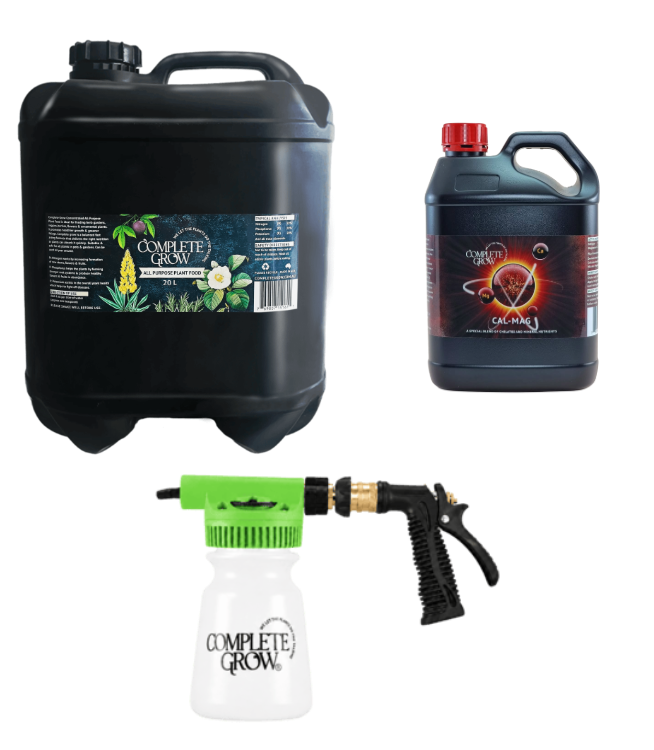
Use This: CompleteGrow All Purpose Liquid (NPK 20-20-20 + Micronutrients)

  • Balanced, bloom-safe feeding: Even N-P-K supports roots, stems and bud formation without pushing leaf-only growth.
  • Micronutrients included: Helps prevent pale new leaves (iron) and weak stems (boron/manganese).
  • Fast uptake in cool soils: Ideal for ranunculus’ cool-season growth in Australia.
  • One-bottle simplicity: Same product from sprout to post-bloom recharge.
489129500_18494806102037210_7025023270309927041_n
488871987_18496530934011185_5300685394466689345_n (1)

Exact Rates, Schedules & Pro Tips

Dilution & application

  • Half strength: 5 mL CompleteGrow per 1 L water (establishment, heat, or stress periods).
  • Full strength: 10 mL per 1 L water (active growth & bloom).
  • Beds: 1–2 L of solution per m², applied to moist soil, targeting the root zone.
  • Pots (~30 cm): 1–1.5 L until slight runoff; avoid wetting petals during bloom.

Timing by growth stage

  1. Sprout stage (2–3 weeks after planting): Begin with half strength when shoots reach 2–3 cm.
  2. Active growth (late winter): Pots every 7–10 days; beds every 10–14 days at full strength.
  3. Bud & bloom (spring): Maintain the same rhythm; water early, feed soil not flowers.
  4. Post-bloom (3–4 weeks): Half strength every 2–3 weeks, then stop as foliage yellows.

Container-specific tips

  • Leaching is faster: Nutrients wash out with frequent watering—keep the 7–10 day rhythm.
  • Salt control: Every 4–6 weeks, flush pots with plain water until it drains freely; resume on next watering.
  • Mix matters: Use a free-draining premium mix with coarse structure; avoid waterlogged media.
  • Heat management: During hot spells (>28 °C), drop to half strength and water in the morning.

Garden bed tips

  • Even moisture, never boggy: Mulch lightly (off crowns) to stabilise moisture at bud set.
  • Open heavy clay: Add coarse compost and sharp sand; consider raised beds for winter drainage.
  • pH 6.0–6.8: Keeps iron and other micros available; chlorosis often improves once pH is corrected.

Diagnosis quick-guide

  • Pale new leaves: Possible iron issue—check pH; add an extra half-strength feed next week.
  • Leafy, few buds: Likely excess N or low light—skip one feed, then resume at ½–¾ strength; ensure 6+ hours sun.
  • Brown leaf edges in pots: Salt build-up—flush with plain water, feed next time at half strength.
489026441_18496531015011185_7594281103165400846_n (1)
490079146_18496530997011185_877308392265804859_n (1)

Pots vs Beds FAQ

Is compost alone enough for ranunculus in beds?

No. Compost improves structure but may not supply balanced N-P-K during peak demand. Use a balanced liquid feed alongside good soil prep.

Do I change fertiliser mid-season?

A single balanced liquid (CompleteGrow 20-20-20 + micros) works from sprout to post-bloom. If growth is too leafy, reduce strength, not formula.

Is foliar feeding helpful?

Use sparingly for quick corrections: 2–3 mL/L as a fine morning mist on leaves only. Avoid flowers and midday heat.

How does rain affect feeding in beds?

Heavy rain can dilute nutrients. Resume the normal 10–14 day schedule once soil is workable; avoid feeding saturated soils.

Will better feeding improve vase life?

Indirectly, yes. Well-fed plants produce sturdier stems and petals. For cut flowers, harvest at soft-bud, recut stems, and use clean water.

Do pots need a different NPK than beds?

No—use the same balanced formula. The difference is frequency and salt management, not the ratio.

Recommended Products

Sale!
Sale!

The Grow Blog: News, Tips, & Stories

Cart (0 items)

No products in the cart.