
Free shipping over $0
Free Shipping Limited Time

gardenias

Transform Your Garden into a Personal Paradise!

Best Fertiliser for Gardenias in Australia: NPK, Timing and Feeding Guide

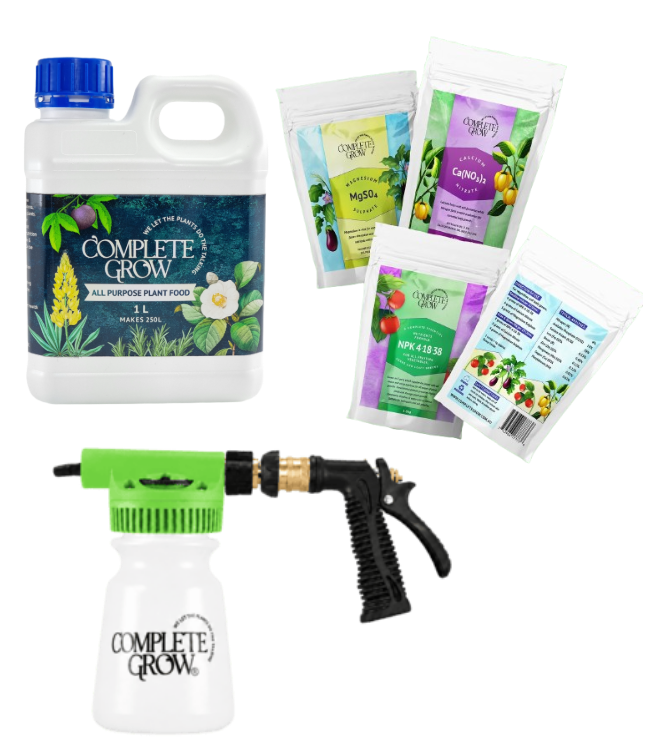
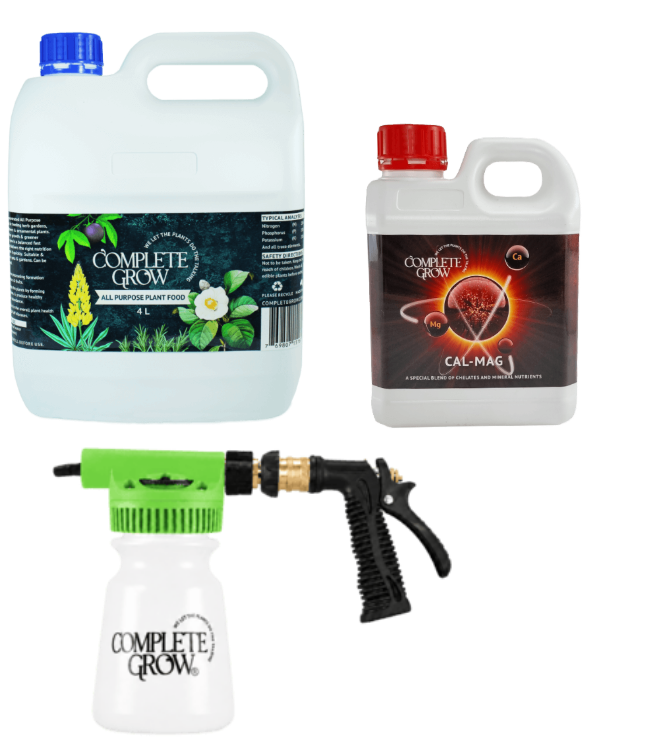
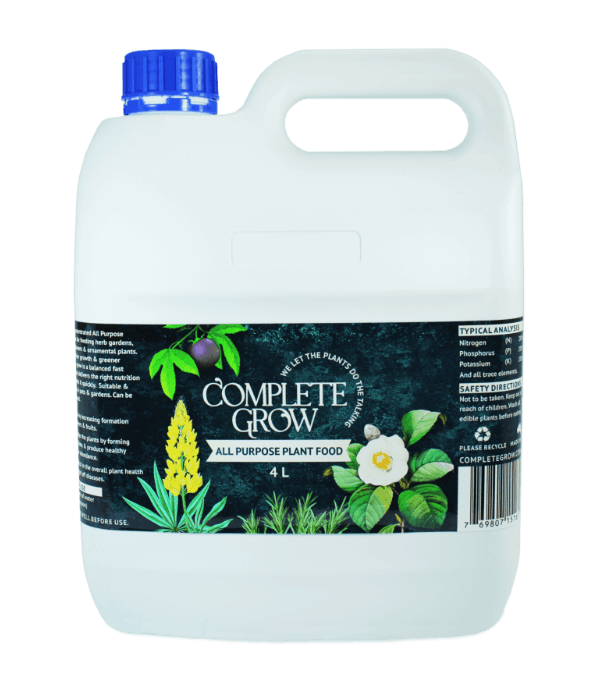
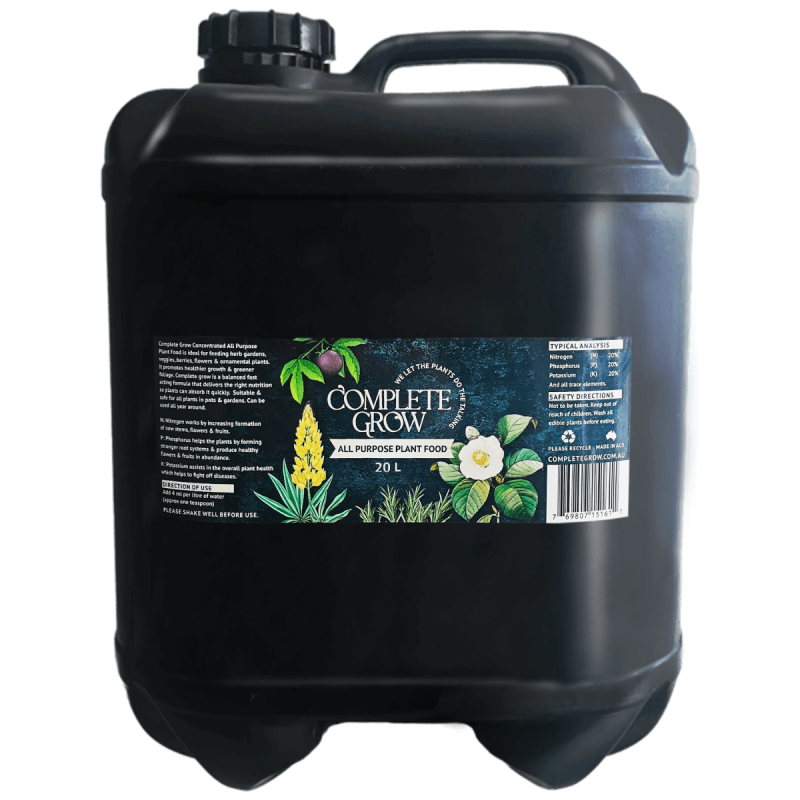
The best fertiliser for gardenias is a balanced liquid fertiliser formulated from NPK 20-20-20 with trace elements. CompleteGrow All Purpose Liquid Fertiliser supports healthy leaves, roots, buds and flowers. Mix 4 mL per litre of water for established gardenias in the ground, or 2 mL per litre for potted and young gardenias.

In Australia, fertilise gardenias from September to March while they are actively growing. Feed plants in garden beds every 3 to 4 weeks, or potted gardenias every 2 weeks at half strength. Apply to moist, acidic soil with a pH of 5.0 to 6.5, and stop feeding during winter.

Watch: Gardenia Fertiliser & Feeding Guide

Gardenia Fertiliser at a Glance

Question Answer
Best fertiliser Balanced NPK 20-20-20 liquid fertiliser with trace elements
Garden application rate 4 mL per litre of water
Pot application rate 2 mL per litre of water
When to feed September to March in most Australian climates
How often Every 3 to 4 weeks in garden beds; every 2 weeks at half strength in pots
Preferred soil pH Acidic, pH 5.0 to 6.5
Winter feeding Stop while growth is slow or dormant

What Is the Best Fertiliser for Gardenias?

Our straightforward recommendation for gardenias is a balanced NPK 20-20-20 liquid fertiliser with trace elements. It provides nitrogen for green growth, phosphorus for roots and plant energy transfer, and potassium for vigour and water regulation. Trace elements such as iron, manganese and zinc support the plant processes that maintain healthy growth. You do not need to change fertilisers when buds appear. Continue the same measured NPK 20-20-20 routine through active growth, budding and flowering. Correct watering, acidic soil and suitable light are just as important as fertiliser for holding buds and producing flowers.

Why Use a Balanced NPK 20-20-20 Fertiliser?

  • Nitrogen supports foliage: It helps gardenias produce healthy green leaves and new shoots.
  • Phosphorus supports roots and flowering processes: It is involved in root development and energy transfer within the plant.
  • Potassium supports plant vigour: It helps with water regulation, nutrient movement and general resilience.
  • Trace elements support healthy growth: CompleteGrow All Purpose Liquid Fertiliser includes iron, manganese, boron, copper, zinc and molybdenum.
  • One formula keeps feeding simple: Using the correct rate consistently reduces the risk of overlapping products or overfeeding.

Do Gardenias Need Acidic Soil?

Yes. Gardenias grow best in acidic soil with a pH between 5.0 and 6.5. When the soil becomes neutral or alkaline, nutrients such as iron and manganese are harder for the roots to absorb. This can cause young leaves to turn yellow while their veins remain green, even when fertiliser is present. Check the soil pH before adding extra fertiliser to a yellow gardenia. More fertiliser will not correct waterlogged roots, dry soil or an unsuitable pH, and an excessive dose can damage the plant’s fine, shallow roots.

Recommended Gardenia Fertiliser and Mixing Rate

Use CompleteGrow All Purpose Liquid Fertiliser, formulated from NPK 20-20-20 with trace elements.
  • Established gardenias in the ground: Mix 4 mL per litre of water and feed every 3 to 4 weeks during active growth.
  • Gardenias in pots: Mix 2 mL per litre of water and feed every 2 weeks during active growth.
  • Young or recently repotted gardenias: Begin at the half-strength rate of 2 mL per litre.
Apply the diluted fertiliser evenly to moist soil around the root zone. Do not pour concentrated fertiliser onto the soil, apply it against the stem or fertilise a dry, waterlogged or heat-stressed plant.
466946324_18468351157003890_527210407729505683_n

When Should You Fertilise Gardenias in Australia?

Fertilise gardenias from September to March in most of Australia. Start when fresh growth appears in spring, continue while the plant is actively growing and flowering, and stop as growth slows in autumn. Do not feed dormant gardenias during winter.

Season What to do
Early spring
September
Begin NPK 20-20-20 when new leaves and shoots appear.
Mid-spring to summer
October to February
Continue NPK 20-20-20 at the garden or pot rate. Keep the soil evenly moist as buds and flowers develop.
Late summer to early autumn
February to March
Give the final scheduled feed while growth remains active, then stop as temperatures cool.
Autumn and winter
April to August
Pause feeding while growth is slow or dormant.

Gardenia Feeding Times by Australian Climate

  • Melbourne and other cool areas: Start in late September or October when new growth appears, and finish by the end of February.
  • Sydney, Brisbane, Perth and warm coastal areas: Feed from September to March while the plant is actively growing.
  • Tropical areas: Follow the plant rather than the calendar. Feed while it is producing fresh growth and ease off during the coolest or driest period.

For more seasonal detail, see when gardenias flower in Australia.

How Often Should You Fertilise Gardenias?

Feed gardenias in the ground every 3 to 4 weeks during active growth. Feed potted gardenias every 2 weeks at half strength. This is a gardenia-specific routine designed for steady feeding without applying an unnecessarily heavy dose.

  • Garden beds: 4 mL per litre of water every 3 to 4 weeks.
  • Pots and containers: 2 mL per litre of water every 2 weeks.
  • Young or sensitive plants: Start at 2 mL per litre and watch the plant’s response.
  • Winter: Stop feeding while the plant is dormant or barely growing.

How to Fertilise a Gardenia

  1. Check the soil moisture. If the soil is dry, water the gardenia first and allow it to rehydrate before feeding.
  2. Measure the fertiliser. Use 4 mL per litre for an established gardenia in the ground, or 2 mL per litre for a potted or young plant.
  3. Dilute it fully in water. Never apply the liquid concentrate directly to the plant or soil.
  4. Feed the root zone. Apply the solution evenly beneath the foliage and around the drip line, not against the stem.
  5. Let excess water drain. The soil should be moist but not waterlogged.
  6. Feed during the cooler part of the day. Morning or evening is preferable to the heat of the day.

How Do You Feed Gardenias in Pots?

Feed potted gardenias with NPK 20-20-20 at half strength—2 mL per litre of water—every 2 weeks during active growth. Pots need gentler feeding because fertiliser salts can accumulate in the limited volume of potting mix.

  • Use an acidic azalea and camellia potting mix in a pot at least 35 cm wide with open drainage holes.
  • Water when the top 2 to 3 cm of mix feels dry, but do not leave the pot standing in water.
  • Flush the pot slowly with clean water every 6 to 8 weeks and allow it to drain freely.
  • Use rainwater when practical if the local tap water is hard or alkaline.
  • Refresh the potting mix or repot the gardenia every 2 to 3 years.

What Causes Yellow Gardenia Leaves and Bud Drop?

Yellow leaves and dropped buds are not always fertiliser problems. Check soil moisture, drainage, pH, light and recent temperature changes before applying more feed.

Symptom Likely cause and response
New leaves yellow with green veins The soil may be too alkaline, making iron difficult to absorb. Test the pH before adding more fertiliser. Iron chelate can provide short-term support when used at the label rate.
Older leaves are evenly pale The plant may need routine feeding. Begin NPK 20-20-20 at the correct rate during active growth.
Yellow leaves and wet soil Poor drainage or overwatering is more likely than hunger. Correct the drainage before feeding again.
Buds drop before opening Common causes include dry soil, extreme heat, temperature swings and moving a potted plant. Overfeeding can also contribute.
Brown tips or white crust on soil Fertiliser salts may have accumulated. Flush with plain water and skip the next feed.

For a detailed diagnosis, see why gardenia leaves turn yellow.

466946324_18468351157003890_527210407729505683_n

Gardenia Pruning and Maintenance Tips

  • Lightly prune gardenias after flowering to shape the plant and encourage branching.
  • Remove dead, damaged or diseased growth and collect fallen leaves from beneath the shrub.
  • Avoid hard pruning into old, bare wood because gardenias may be slow to regrow.
  • Keep a 5 to 8 cm layer of pine bark or leaf mulch over the root zone, leaving a clear gap around the stem.
  • If the plant is actively growing, continue its normal NPK 20-20-20 schedule after pruning. Do not give an extra dose simply because the plant was pruned.

For detailed pruning advice, see when to trim a gardenia.

Gardenia Fertiliser FAQs

What is the best fertiliser for gardenias?

Use a balanced NPK 20-20-20 liquid fertiliser with trace elements during active growth. CompleteGrow All Purpose Liquid Fertiliser supplies equal-ratio NPK source nutrition plus iron, manganese, boron, copper, zinc and molybdenum.

What NPK ratio is best for gardenias?

NPK 20-20-20 is a simple balanced choice for routine gardenia feeding. It supports foliage, roots and flowering without requiring a different product when buds appear.

When should I fertilise gardenias in Australia?

Feed gardenias from September to March in most Australian climates. Begin when new growth appears in spring and stop as growth slows in autumn. In cooler areas, start in late September or October and finish by the end of February.

How often should I feed gardenias?

Feed gardenias in the ground every 3 to 4 weeks and potted gardenias every 2 weeks at half strength. Apply fertiliser only during active growth and always to moist soil.

How much NPK 20-20-20 should I use on a gardenia?

Mix 4 mL per litre of water for an established gardenia in the ground, or 2 mL per litre for a potted, young or sensitive gardenia. Dilute the concentrate thoroughly before applying it around the root zone.

What should I feed gardenias in pots?

Use NPK 20-20-20 with trace elements at half strength: 2 mL per litre of water every 2 weeks during active growth. Use acidic, free-draining potting mix and flush the pot with plain water every 6 to 8 weeks.

Do I need to change fertiliser when gardenias flower?

No. Continue the same NPK 20-20-20 routine while the gardenia is budding and flowering. Avoid combining fertilisers unnecessarily, and focus on consistent moisture, acidic soil and suitable light.

Can I use tomato fertiliser on gardenias?

A separate tomato or flowering fertiliser is not necessary when you are using balanced NPK 20-20-20 with trace elements. One correctly measured product keeps the routine simpler and reduces the risk of overlapping nutrients.

Should I fertilise gardenias in winter?

No. Stop feeding gardenias from April to August in most of Australia. Resume when fresh growth appears in spring. In tropical areas, follow the plant’s growth cycle rather than fixed dates.

Why are my gardenia leaves turning yellow after fertilising?

Yellowing after fertilising can indicate excess salts, damaged roots, poor drainage or an unsuitable soil pH. Stop feeding temporarily, check moisture and drainage, test the pH, and flush the root zone with plain water if salts have accumulated.

More Gardenia Guides

The simple gardenia feeding plan: Use NPK 20-20-20 with trace elements during active growth, mix 4 mL per litre for garden beds or 2 mL per litre for pots, keep the soil evenly moist and acidic, and pause feeding during winter.

Recommended Products

Sale!

Cal-Mag Hydroponic Nutrients Fertiliser

Price range: $36.00 through $46.70
Sale!
Cart (0 items)

No products in the cart.