npk for citrusโ
Transform Your Garden into a Personal Paradise!
Add Your Heading Text Here
Best NPK Ratio for Citrus Trees (Lemon, Lime & Orange)
Citrus trees perform best when potassium is higher than nitrogen, particularly during flowering and fruit development.
For most citrus trees grown in Australian backyards and pots, an NPK ratio of 6-2-12 provides an ideal balance. This ratio supplies enough nitrogen to maintain healthy green foliage, keeps phosphorus modest to avoid nutrient imbalance, and places a strong emphasis on potassium to support flowering, fruit set and fruit quality.
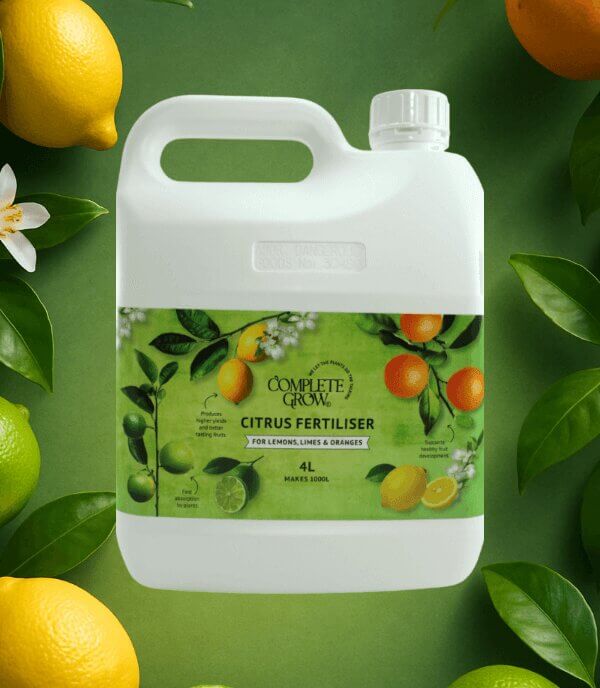
This is the reasoning behind CompleteGrow Citrus Fertiliser โ NPK 6-2-12 + Trace Elements . It is formulated specifically for citrus trees rather than adapted from a general-purpose fertiliser. The potassium-rich profile aligns with how citrus actually allocates energy during productive growth, especially in lemons, limes and oranges.
Citrus trees use large amounts of potassium once flowering begins. If potassium is insufficient relative to nitrogen, trees often produce lush foliage but struggle to hold flowers or develop fruit properly. A 6-2-12 ratio avoids this imbalance while still supporting steady canopy growth.
In many Australian soils and potting mixes, potassium is also one of the first nutrients to leach away through watering and rainfall. A fertiliser designed with higher potassium is therefore essential for maintaining consistent citrus performance across the season.
Key takeaway:
For productive citrus trees, potassium matters more than excess nitrogen. An NPK ratio of 6-2-12 supports flowering, fruit set and fruit quality while keeping foliage healthy and balanced.
How NPK Influences Citrus Growth and Fruiting
Citrus trees differ from many garden plants because they must support leaf growth, flowering and fruit development at the same time. The balance between nitrogen and potassium largely determines whether a tree directs energy into leaves or into fruit.
Nitrogen (N) is essential for leaf colour and canopy density. Without adequate nitrogen, citrus leaves lose their deep green colour and growth slows. However, excessive nitrogen encourages soft, leafy growth that competes with flowering and can reduce fruit set.
Phosphorus (P) plays a role in root development and early plant establishment. Mature citrus trees require phosphorus in smaller amounts than many gardeners expect, and excess phosphorus can interfere with the uptake of trace elements.
Potassium (K) is the key nutrient for productive citrus trees. It supports flower strength, fruit retention, fruit size, flavour development and stress tolerance. Potassium demand increases significantly once flowering begins and remains high throughout fruit fill.
This is why citrus fertilisers perform best when potassium is higher than nitrogen. A ratio such as 6-2-12 allows the tree to maintain healthy foliage while prioritising reproductive growth. The result is more consistent flowering, improved fruit retention and better-quality fruit.
Citrus trees are also sensitive to deficiencies in magnesium and trace elements such as iron, manganese and zinc. These deficiencies often appear as leaf yellowing, even when fertiliser is being applied. Including magnesium, sulphur and chelated trace elements helps maintain nutrient availability and uptake, particularly in pots and higher-pH soils.
A citrus-specific fertiliser that accounts for both macronutrient balance and micronutrient support provides far more reliable results than a generic fertiliser with a higher nitrogen bias.
Why NPK 6-2-12 Is Suited to Citrus Trees
CompleteGrow Citrus Fertiliser โ NPK 6-2-12 + Trace Elements is designed for citrus trees including lemons, Tahitian and Key limes, oranges, mandarins, grapefruit, kumquat, calamansi and finger limes. The formulation supports flowering and fruit development without pushing excessive vegetative growth.
The inclusion of magnesium and sulphur helps maintain strong leaf colour and metabolic function, while EDTA-chelated iron, zinc and manganese improve nutrient uptake consistency. This is particularly beneficial for potted citrus and trees grown in free-draining soils.
Directions for use:
Shake well before use. Mix 4 ml per litre of water and apply evenly to the soil around the root zone.
- Active growth: apply once per week
- Cooler or slower growth periods: apply once every 4 weeks
Regular, moderate feeding produces better results than infrequent heavy applications. Citrus trees respond best to stable potassium availability during flowering and fruit development.
Frequently Asked Questions
Is 6-2-12 a good NPK ratio for citrus trees?
Yes. A potassium-rich ratio such as 6-2-12 supports flowering and fruit development while keeping leaf growth balanced.
Is this suitable for lemon trees specifically?
Yes. Lemon trees benefit from higher potassium because they often flower and fruit over extended periods. This ratio supports fruit retention and fruit size.
Can this fertiliser be used for potted citrus?
Yes. Liquid feeding with a citrus-specific NPK is ideal for pots, where nutrients leach more quickly than in-ground soil.
Why do citrus leaves yellow even when fertilised?
Yellowing is often related to magnesium or trace element uptake rather than nitrogen deficiency. Including chelated trace elements helps reduce this issue.
Citrus Guides Hub
Citrus Fertiliser for Lemon, Lime, Orange Trees
Discover the best plant food for vibrant citrus fruit, healthy leaves, and optimal growth for your citrus trees.
Yellowing Leaves on Citrus Trees: Causes & Solutions
Understand the reasons behind yellowing leaves and the steps to restore the health of your citrus tree.
Citrus Leaf Curl Treatment & Prevention
Prevent and treat citrus leaf curl with expert guidance on care and solutions for your citrus trees.
How to Prune Citrus Trees
Learn the proper pruning techniques to enhance citrus tree health and fruit production. Keep your trees thriving!
Citrus Tree Leaf Problems: Causes & Treatment
Diagnose and treat common leaf problems in citrus trees for better growth and improved fruit production.
Best Plant Food for Citrus Trees
Find the perfect plant food to keep your citrus trees healthy and thriving throughout the year.
How to Plant, Grow, and Care for Citrus Trees
The ultimate guide to planting, growing, and caring for citrus trees, from choosing the right variety to troubleshooting common problems.
Best NPK for Citrus Trees
A clear, practical breakdown of the best NPK ratio for lemons, limes, oranges and mandarins, plus what each number means for fruiting and leaf health.
When to Fertilise Citrus Trees in Australia (Seasonal Schedule)
A seasonal fertilising schedule for Australian conditions, with the ideal timing from spring through summer, how to taper in autumn, and when to pause in winter.
Nitrogen for Citrus Trees (Deficiency, Best Fertiliser, High-N Risks)
Learn when nitrogen helps citrus, how to spot nitrogen deficiency, and why high nitrogen feeding can reduce flowering and fruit quality.
Potassium for Citrus Trees (Deficiency Symptoms & Fruit Quality)
Why potassium matters most for citrus fruiting, how to spot potassium deficiency, and how to support better fruit set and size.
Calcium for Citrus Trees (Deficiency, Fruit Splitting & Fixes)
Calcium supports firm fruit, strong roots and resilient leaves. Learn deficiency symptoms, common causes, and the right way to correct it.
Citrus Zinc Deficiency (Small Leaves, Stunted Growth)
Identify zinc deficiency symptoms in citrus, understand why it happens, and how to restore healthy new growth with the right trace elements.
Best Fertiliser for Citrus Trees in Pots (What Actually Works)
A practical feeding guide for potted citrus, including frequency, watering consistency, and how to avoid deficiencies and fruit drop.
Citrus Iron Deficiency (Yellow Leaves with Green Veins)
Spot iron deficiency quickly, understand why citrus struggles to absorb iron, and how to prevent recurring yellowing in pots and soil.
Citrus Magnesium Deficiency (Yellowing Between Veins)
Learn what magnesium deficiency looks like on citrus leaves, why itโs common in pots, and how to correct it without upsetting nutrient balance.
Recommended Products
- Quick View
- Select options This product has multiple variants. The options may be chosen on the product page