Kangaroo Paw fertiliser
Transform Your Garden into a Personal Paradise!
Kangaroo Paw Fertiliser: The Best Formula, Why It Works, and How to Use It
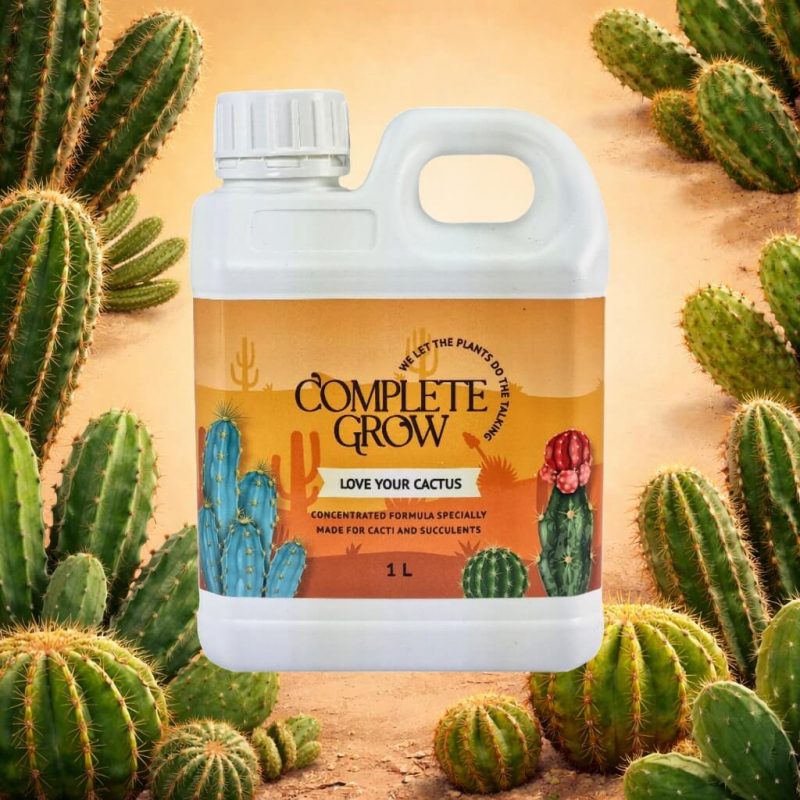
If you’re searching for the best fertiliser for kangaroo paws, the answer is a low-phosphorus, potassium-forward liquid feed. Kangaroo paw (Anigozanthos) isn’t a true succulent, but it behaves like a succulent-type native: rhizome-driven growth, lean-soil preference, and phosphorus sensitivity. That’s why CompleteGrow Cactus & Succulent Plant Food (2-7-7) outperforms generic garden feeds—more colour, sturdier spikes, safer roots.
Why Kangaroo Paw Needs a “Succulent-Style” Fertiliser
- Low P (Phosphorus): Native root systems are easily stressed by high P. A gentle dose prevents toxicity and keeps fine feeder roots active.
- High K (Potassium 7): Potassium drives pigment intensity, stem strength, and flower longevity—key for bold, upright spikes.
- Moderate N (Nitrogen 2): Just enough for fresh fans without forcing soft, disease-prone leaves.
- Micronutrients (Fe, Mg, Zn): Corrects chlorosis (yellow leaves), supports chlorophyll, and stabilises enzyme systems for stress recovery.
In lean, fast-draining soils, kangaroo paw relies on a steady trickle of minerals—not heavy feedings. Liquid 2-7-7 matches that physiology: it absorbs fast, avoids salt build-up, and won’t overload the rhizome with phosphorus.
“Best Fertiliser for Kangaroo Paws” — What That Really Means
“Best” here means: low-P, high-K, quick-uptake, native-safe. That is exactly why CompleteGrow Cactus & Succulent Plant Food (2-7-7) is the ideal fertiliser for kangaroo paws. It feeds for colour and spike strength while respecting the plant’s native root biology.
How to Fertilise Kangaroo Paws (Mix Rates & Schedule)
Soil Drench (in-ground): Mix 5–7 mL per litre of water. Apply to already-moist soil around the crown until the root zone is soaked.
Containers/Pots: Mix 3–5 mL per litre every 2–3 weeks (leaching is faster in pots). Always water first, then feed, then a light rinse-through.
Young/Recently Planted: Start at 3 mL per litre after 7–10 days (transplant shock window), then step up to 5–7 mL as growth resumes.
| Season | Frequency | Mix Rate (per L) | Notes |
|---|---|---|---|
| Spring (active spike build) | Every 4 weeks | 5–7 mL | Boost K early for tall, sturdy stems. |
| Summer (peak colour) | Every 4 weeks | 5–7 mL | Keep foliage dry; water soil only. |
| Autumn (post-flower recovery) | Once after pruning | 5 mL | Recharge rhizomes after cutting spent spikes. |
| Winter (rest) | Pause | — | Feed again when new shoots appear. |
Application Tips
- Moist Soil First: Feeding dry soil can spike EC and burn tips. Water, feed, then lightly rinse through.
- Target the Crown: Pour around, not onto, the crown to avoid rot in dense clumps.
- Avoid Overhead: Keep leaves dry; wet foliage + warmth = ink spot risk.
- Divide & Reset: Every 2–3 years, divide crowded rhizomes; resume 3–5 mL per L after 7–10 days.
Troubleshooting (When Fertiliser Fixes the Symptom)
- Yellow Leaves (chlorosis): Usually low N/Fe. Increase frequency slightly; ensure drainage so roots can uptake Fe/Mg.
- Not Flowering: Low sun or high-P product. Move to full sun; switch to 2-7-7; prune old spikes at the base.
- Brown Tips/Curling: Salt build-up or erratic watering. Flush with clean water; re-start steady soak-and-dry rhythm.
- Post-planting droop: Transplant shock. Shade for a week, deep soak, start 3 mL/L after 7–10 days, then normal schedule.
Fertilise Kangaroo Paws in Sydney: Local Notes
- Rain & Humidity: Sydney’s humid spells raise fungal pressure. Keep leaves dry and prioritise soil drenches with 2-7-7.
- Soils: Many areas sit on sandy/sandstone profiles—great drainage but faster nutrient leaching; feed at the higher end of rates (6–7 mL/L) or slightly more often.
- Winter: Mild but damp. Reduce watering; pause fertiliser until new spring shoots appear.
- Aspect: Full sun is non-negotiable for spikes; aim for 6–8+ hours.
FAQs
What is the best fertiliser for kangaroo paws?
A low-phosphorus, high-potassium liquid such as CompleteGrow Cactus & Succulent Plant Food (2-7-7). It’s native-safe and maximises colour and spike strength.
How often should I fertilise kangaroo paws?
Every 4 weeks in spring–summer. Pots: half-strength every 2–3 weeks. Pause in winter.
Can I use general garden or lawn fertiliser?
Avoid high-P or high-salt products; they suppress flowering and stress roots. Choose low-P 2-7-7 instead.
Do I fertilise right after pruning?
Yes—apply one recovery feed (≈5 mL/L) after cutting spikes to recharge rhizomes.
Final Recommendation
For vivid, long-lasting spikes and healthy green fans, feed with CompleteGrow Cactus & Succulent Plant Food Fertiliser Concentrate (2-7-7). Its low-phosphorus, potassium-forward profile is precisely what kangaroo paw needs for colour intensity, stem strength, and safe, sustained growth.
Kangaroo Paw Guides Hub
Kangaroo Paw Plant Care
Sun, soil & drainage, watering rhythm, seasonal care, low-P feeding (2-7-7).
Best Fertiliser for Kangaroo Paw
Why low-phosphorus 2-7-7 works, mix rates, monthly schedule, Sydney notes.
How to Prune Kangaroo Paw
When to cut back, base cuts, disease hygiene, recovery feed (2-7-7).
Kangaroo Paw Drooping After Planting
Transplant shock fixes: drainage check, shade week, half-strength 2-7-7.
Yellow Kangaroo Paw Leaves
Chlorosis causes (Fe/Mg), drainage, full-sun placement, micronutrient support.
Why Is My Kangaroo Paw Dying?
Root rot vs phosphorus burn, ink spot ID, divide & reset, recovery protocol.
Recommended Products
- Quick View
- Select options This product has multiple variants. The options may be chosen on the product page
Cactus Succulent Plant Food Fertiliser Concentrate
The Grow Blog
Seasonal tips from our growers, written for real Aussie gardens.