Free Shipping Storwide

๐Ÿ”ฅ20 % OFF ๐Ÿ”ฅ Boxing Day Sale ends in
00 Days
00 Hours
00 Minutes
00 Seconds

Kumquat Tree

Transform Your Garden into a Personal Paradise!

Add Your Heading Text Here

๐Ÿ”ฅ20 % OFF ๐Ÿ”ฅ Boxing Day Sale ends in
00 Days
00 Hours
00 Minutes
00 Seconds

Why Are My Kumquat Leaves Turning Yellow?

Yellow leaves on a kumquat tree are almost always a sign of stress rather than disease. In most cases, the issue is related to watering, drainage, or nutrient imbalance rather than pests. Because kumquats are sensitive to root conditions, problems below the soil surface often show first through leaf colour.

Most common causes of yellow leaves on kumquat trees:
  • Overwatering or poor drainage
  • Inconsistent fertilising
  • Nutrient deficiencies, especially magnesium or nitrogen
  • Root stress in pots
  • Cold or sudden temperature changes

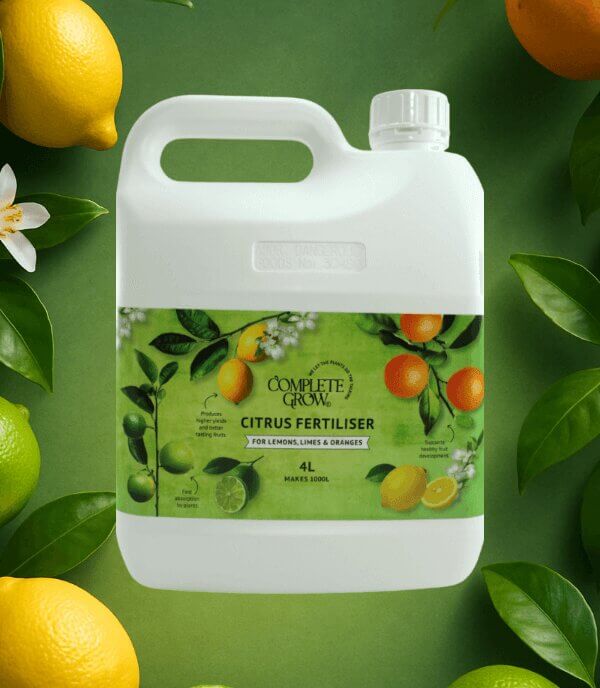
If yellowing persists despite correct watering, reviewing your feeding program is essential. Using a citrus fertiliser designed specifically for citrus plants helps restore steady nutrient availability and correct deficiencies that commonly cause leaf discolouration in kumquat trees.

Before treating yellow leaves, itโ€™s important to identify whether the problem is environmental or nutritional. Treating symptoms without correcting the underlying cause often makes the problem worse.

333000512_5518113278293712_7981672412637401577_n (1)
333490570_5949751885104318_5802789118866562326_n (1)

Watering and Root Problems That Cause Yellow Leaves

Overwatering is the most common reason kumquat leaves turn yellow, particularly in potted trees. When soil stays wet for long periods, roots are deprived of oxygen and cannot absorb nutrients effectively. Even if fertiliser is present, the tree behaves as if it is deficient.

Overwatering and poor drainage

Signs of overwatering include yellowing leaves, slow growth, and occasional leaf drop. In pots, this often occurs when containers lack drainage holes or sit flat on concrete where water cannot escape.

Correct the issue by allowing the soil to partially dry between watering and ensuring excess water drains freely. Raising pots slightly improves drainage and reduces root stress.

Underwatering and moisture swings

While less common, underwatering or irregular watering can also cause yellowing. Rapid cycles of drought followed by heavy watering stress the roots and interrupt nutrient uptake.

The goal is stable moisture, not constant wetness. Deep watering followed by partial drying produces healthier root systems.

Cold stress and seasonal yellowing

Kumquats tolerate cooler conditions better than many citrus trees, but sudden temperature drops can still trigger yellowing. This is especially noticeable in young or recently moved plants.

As temperatures stabilise, healthy new growth usually returns without intervention.

588508629_18436190089096714_1238613340666241742_n (1)
505838269_1260407072758778_7889232726598381654_n (1)

Nutrient Deficiencies That Cause Kumquat Leaves to Turn Yellow

If watering and drainage are correct, yellow leaves are often linked to nutrient imbalance.
Potted kumquat trees are especially prone to deficiencies because nutrients leach from the soil with regular watering.

Nitrogen deficiency

Nitrogen deficiency causes older leaves to turn pale green or yellow.
Growth slows and the tree appears weak.
This usually occurs when feeding is too infrequent during the growing season.

Magnesium deficiency

Magnesium deficiency commonly shows as yellowing between leaf veins while the veins remain green.
This is especially common in potted kumquat trees and during periods of heavy flowering or fruit development.

Supplementing with a

Cal-Mag fertiliser

during active growth helps restore leaf colour, support photosynthesis, and prevent recurring deficiencies.

Supplementing with a Cal-Mag product during active growth helps prevent this issue and restores leaf colour over time.

Iron and micronutrient issues

Iron deficiency affects new growth first and is often linked to poor root function or high soil moisture.
Correcting drainage and improving overall nutrition usually resolves the problem.

Fix plan:
Correct watering first, then review feeding.
Improving root health almost always restores nutrient uptake and leaf colour more effectively than adding fertiliser alone.

FAQ: Yellow Leaves on Kumquat Trees

Why are my kumquat leaves turning yellow?
Most often due to overwatering, poor drainage, or nutrient imbalance rather than pests or disease.

Can yellow kumquat leaves turn green again?
Yes. If the underlying cause is corrected, new growth usually returns healthy and green.

Should I fertilise if my kumquat leaves are yellow?
Only after correcting watering and drainage. Fertilising stressed roots can worsen the problem.

Are yellow leaves normal in winter?
Some mild yellowing can occur during cooler weather, especially if growth slows. New growth should improve as temperatures rise.

Related Kumquat Tree Guides

Recommended Products

Sale!

Cal-Mag Hydroponic Nutrients Fertiliser

Price range: $36.00 through $46.70
Sale!

The Grow Blog: News, Tips, & Stories

Cart (0 items)

No products in the cart.