Free Shipping Over $70

Free Shipping Limited Time Only

Nitrogen for Citrus Trees

Transform Your Garden into a Personal Paradise!

Add Your Heading Text Here

Nitrogen for Citrus Trees: Is Nitrogen Good, and What Fertiliser Actually Works?

Yes, nitrogen is good for citrus trees, but only in the right amount and at the right time. Nitrogen drives leaf growth and new shoots. Too little nitrogen causes pale leaves and slow growth. Too much nitrogen causes lush leafy growth with weaker flowering and poorer fruiting.

The best nitrogen fertiliser for citrus trees is not a โ€œhigh nitrogenโ€ product. Citrus trees need balanced nutrition that supports leaf flush and fruit development. In most home gardens, the most reliable strategy is a citrus-specific fertiliser that provides moderate nitrogen, high potassium, and trace elements.

Recommended fertiliser for citrus nitrogen needs
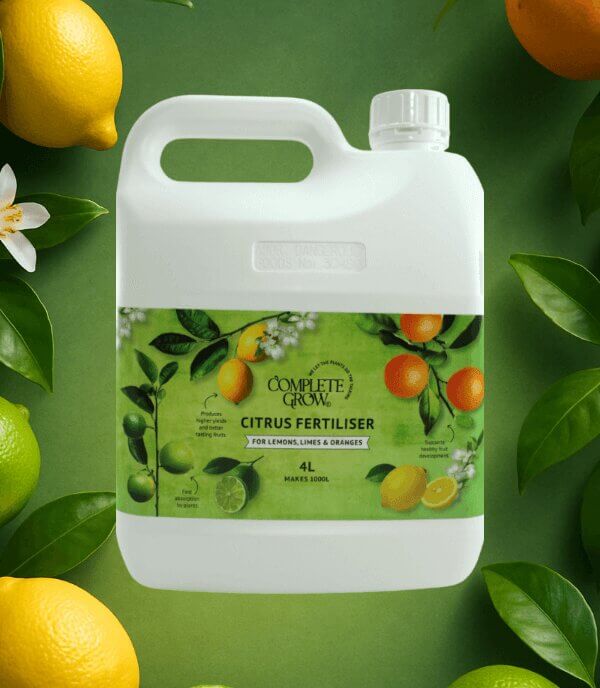
  • Use a citrus-specific formula such as Citrus Fertiliser โ€“ Lemon, Lime & Orange Tree (NPK 6-2-12 + Trace Elements).
  • The 6% nitrogen supports healthy leaf flush without pushing excessive leafy growth.
  • The high potassium (12%) supports flowering, fruit set and fruit development, which is where many high-nitrogen programs fail.
  • Trace elements (including chelated iron, zinc and manganese) help prevent yellowing that is often misdiagnosed as โ€œmore nitrogen needed.โ€
Quick rule that prevents most citrus feeding mistakes
  • Use nitrogen to build the tree. Use potassium to build the crop.
  • More nitrogen is not โ€œmore fruitโ€. It often delays flowering and reduces fruit quality.
347075667_787743609648699_9180909863294951471_n (1)
599896006_18147037987435378_5827633165707470273_n (1)

Citrus Nitrogen Deficiency: Symptoms and Causes

Nitrogen deficiency in citrus trees usually shows as pale green to yellow leaves, starting with older foliage first. The tree becomes slow to grow, produces fewer new shoots, and can look thin or underpowered compared to healthy citrus.

Common signs of nitrogen deficiency in citrus
  • General yellowing of older leaves (often fairly even, not patchy)
  • Reduced leaf size and slower shoot growth
  • Thin canopy and poor overall vigour
  • Lower flowering potential due to weak growth energy
Common causes of citrus nitrogen deficiency
  • Infrequent feeding in pots where nutrients leach quickly
  • Low-fertility soils or depleted potting mixes
  • Cold conditions slowing nutrient uptake
  • Overwatering or poor drainage stressing roots

One of the biggest mistakes is assuming every yellow citrus leaf is nitrogen deficiency. If the yellowing is mainly on new growth or shows strong green veins with yellow between veins, the problem is more likely iron, magnesium, or zinc rather than nitrogen. Balanced feeding prevents misdiagnosis and repeated overfeeding.

Nitrogen deficiency

Yellowing is more even and begins on older leaves. Growth slows overall.

Micronutrient deficiency

Yellowing patterns are often vein-related or show on new growth first. Leaves may be small or distorted.

Root stress

Overwatering and poor drainage can mimic deficiency symptoms because uptake is reduced.

169665307_286512866187810_497351613029123909_n (1)
472995378_18386068000098654_7202639447045940426_n (1)

High Nitrogen Citrus Fertiliser: When It Helps and When It Causes Problems

High nitrogen fertiliser for citrus trees can be useful only during specific growth phases, but it is not a good default program. In many gardens, excessive nitrogen is one of the reasons citrus trees look lush but flower poorly and struggle to hold fruit.

Problems caused by too much nitrogen in citrus
  • Excess soft leafy growth that attracts pests and disease pressure
  • Reduced flowering and delayed fruiting
  • Weaker fruit set and more fruit drop during stress
  • More frequent feeding mistakes and salt buildup in pots
A safer, more reliable approach

FAQ: Nitrogen for Citrus Trees

Is nitrogen good for citrus trees?
Yes. Nitrogen supports leaf growth and canopy development, but too much can reduce flowering and fruiting.

What is the best nitrogen fertiliser for citrus trees?
A citrus-specific fertiliser with moderate nitrogen, higher potassium, and trace elements is usually best for balanced growth and fruit development.

What does nitrogen deficiency look like in citrus trees?
It usually causes overall pale or yellow leaves starting on older foliage, along with slow growth and a thin canopy.

Can high nitrogen fertiliser damage citrus trees?
It can cause excessive leafy growth, reduce flowering, increase pest pressure, and contribute to nutrient imbalance, especially in pots.

Why are my citrus leaves yellow even after adding nitrogen?
Many cases of yellow leaves are caused by iron, magnesium, or zinc deficiency, or by root stress reducing uptake rather than lack of nitrogen.

Citrus Guides Hub

Citrus Fertiliser for Lemon, Lime, Orange Trees

Discover the best plant food for vibrant citrus fruit, healthy leaves, and optimal growth for your citrus trees.

Yellowing Leaves on Citrus Trees: Causes & Solutions

Understand the reasons behind yellowing leaves and the steps to restore the health of your citrus tree.

Citrus Leaf Curl Treatment & Prevention

Prevent and treat citrus leaf curl with expert guidance on care and solutions for your citrus trees.

How to Prune Citrus Trees

Learn the proper pruning techniques to enhance citrus tree health and fruit production. Keep your trees thriving!

Citrus Tree Leaf Problems: Causes & Treatment

Diagnose and treat common leaf problems in citrus trees for better growth and improved fruit production.

Best Plant Food for Citrus Trees

Find the perfect plant food to keep your citrus trees healthy and thriving throughout the year.

How to Plant, Grow, and Care for Citrus Trees

The ultimate guide to planting, growing, and caring for citrus trees, from choosing the right variety to troubleshooting common problems.

Best NPK for Citrus Trees

A clear, practical breakdown of the best NPK ratio for lemons, limes, oranges and mandarins, plus what each number means for fruiting and leaf health.

When to Fertilise Citrus Trees in Australia (Seasonal Schedule)

A seasonal fertilising schedule for Australian conditions, with the ideal timing from spring through summer, how to taper in autumn, and when to pause in winter.

Nitrogen for Citrus Trees (Deficiency, Best Fertiliser, High-N Risks)

Learn when nitrogen helps citrus, how to spot nitrogen deficiency, and why high nitrogen feeding can reduce flowering and fruit quality.

Potassium for Citrus Trees (Deficiency Symptoms & Fruit Quality)

Why potassium matters most for citrus fruiting, how to spot potassium deficiency, and how to support better fruit set and size.

Calcium for Citrus Trees (Deficiency, Fruit Splitting & Fixes)

Calcium supports firm fruit, strong roots and resilient leaves. Learn deficiency symptoms, common causes, and the right way to correct it.

Citrus Zinc Deficiency (Small Leaves, Stunted Growth)

Identify zinc deficiency symptoms in citrus, understand why it happens, and how to restore healthy new growth with the right trace elements.

Best Fertiliser for Citrus Trees in Pots (What Actually Works)

A practical feeding guide for potted citrus, including frequency, watering consistency, and how to avoid deficiencies and fruit drop.

Citrus Iron Deficiency (Yellow Leaves with Green Veins)

Spot iron deficiency quickly, understand why citrus struggles to absorb iron, and how to prevent recurring yellowing in pots and soil.

Citrus Magnesium Deficiency (Yellowing Between Veins)

Learn what magnesium deficiency looks like on citrus leaves, why itโ€™s common in pots, and how to correct it without upsetting nutrient balance.

Recommended Products

Sale!

The Grow Blog: News, Tips, & Stories

Cart (0 items)

No products in the cart.