
Phalaenopsis
Transform Your Garden into a Personal Paradise!
Best Fertiliser for Phalaenopsis Orchids in Australia
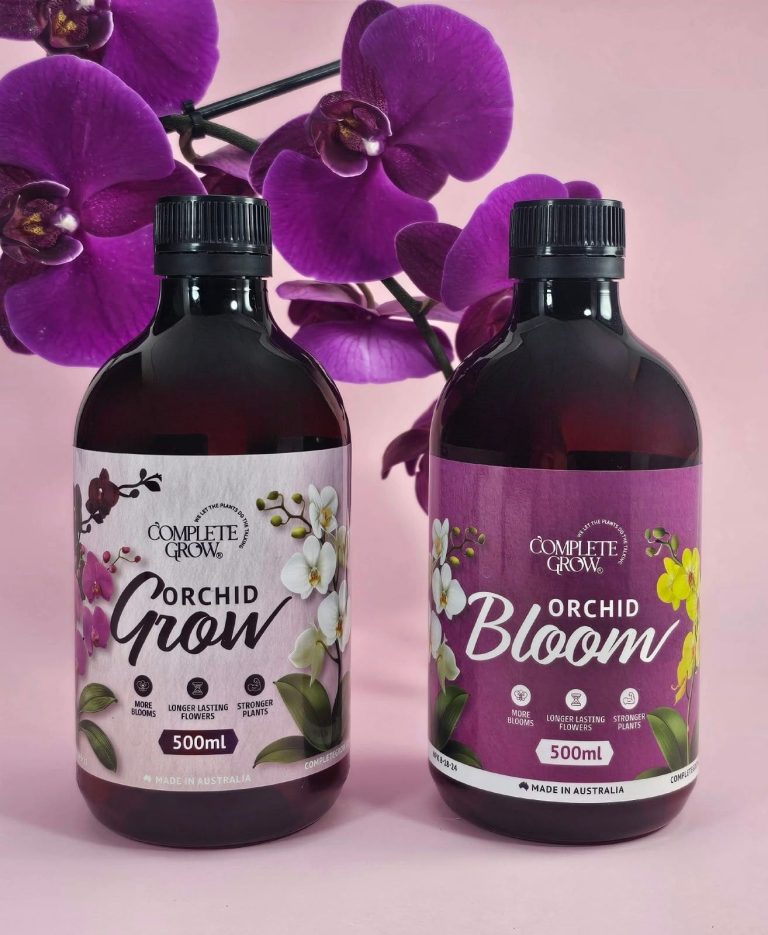
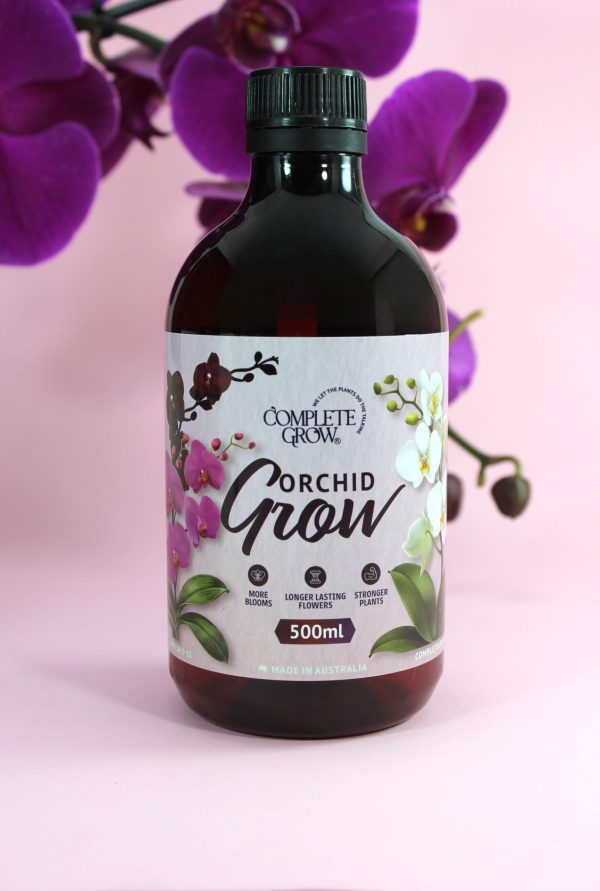
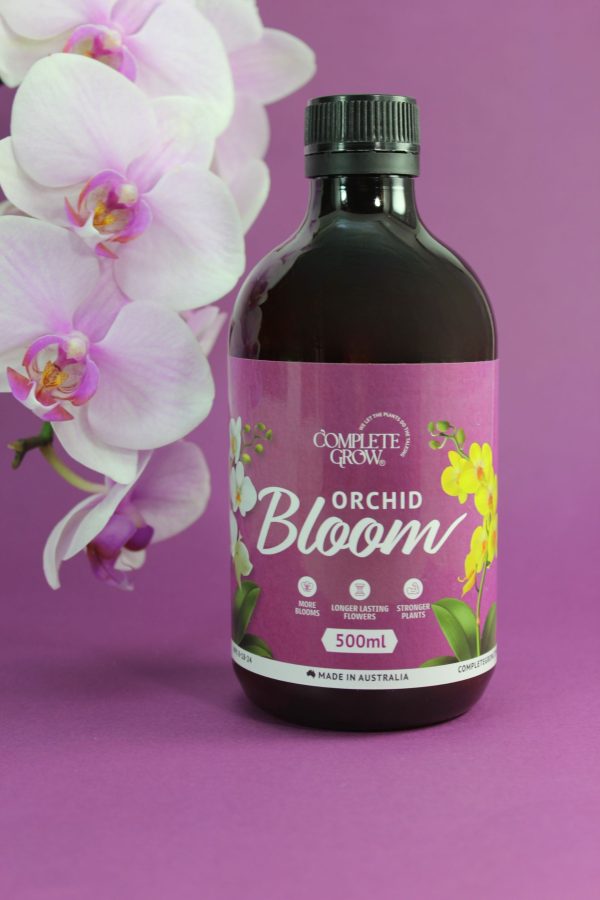
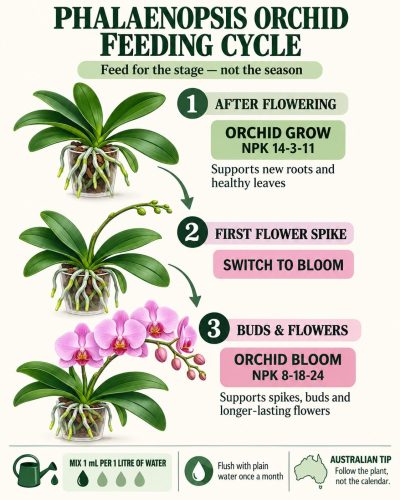
The best fertiliser for Phalaenopsis orchids is a specialised two-stage liquid feeding system. Use Orchid Grow (NPK 14-3-11) after flowering to support new roots and leaves, then switch to Orchid Bloom (NPK 8-18-24) when the first flower spike appears to promote buds and longer-lasting blooms.
This two-stage approach follows the orchid’s natural growth cycle. After flowering, Phalaenopsis orchids direct their energy towards recovering and producing new roots and leaves, so they benefit from the nitrogen-rich Grow formula. Once a flower spike emerges, the plant’s nutritional requirements change, and the Bloom formula supplies additional phosphorus and potassium to support spike development, bud formation and lasting flowers.
Phalaenopsis orchids, also known as Moth Orchids, have different nutritional needs during vegetative growth and flowering. Matching the fertiliser to each stage helps maintain healthy foliage, strong roots and reliable repeat flowering without overfeeding their sensitive root systems.
What Nutrients Do Phalaenopsis Orchids Need?
- Nitrogen (N): Supports healthy green leaves, new roots and vegetative growth between flowering cycles.
- Phosphorus (P): Contributes to flower-spike development, budding and blooming.
- Potassium (K): Supports flower quality, plant strength and overall resilience.
- Calcium and magnesium: Help support healthy plant tissue, chlorophyll production and steady development.
- Trace elements: Nutrients such as iron, manganese and zinc help maintain balanced orchid nutrition.
CompleteGrow growing insight: Phalaenopsis orchids can perform more consistently with a two-stage feeding system because it follows their natural cycle of growth, flowering and recovery. Instead of supplying the same nutrient balance all year, it gives the orchid more of what it needs at the appropriate stage.
How and When to Fertilise Phalaenopsis Orchids in Australia
Australian growing conditions vary considerably, so there is no single feeding calendar for every Phalaenopsis orchid. Use Orchid Grow (NPK 14-3-11) while the plant is producing roots and leaves, then switch to Orchid Bloom (NPK 8-18-24) as soon as the first flower spike appears. Temperature, light and watering frequency will determine how often the plant needs feeding.
When to Use Orchid Grow
- Begin using Orchid Grow after the final flower drops.
- Continue while the orchid is producing new roots and leaves.
- Use it whenever there is no developing flower spike, buds or open flowers.
When to Switch to Orchid Bloom
- Switch to Orchid Bloom as soon as the first flower spike appears.
- Continue while the spike grows, buds form and flowers remain open.
- Return to Orchid Grow after the final flower drops.
Australian Regional Feeding Guide
Tropical Australia
Northern Queensland and the Northern Territory: Warm conditions can support active growth for much of the year. Use Orchid Grow while leaves and roots are developing, then change to Orchid Bloom when a flower spike appears. Ensure excellent drainage during humid or wet periods.
Subtropical Australia
South-east Queensland and northern New South Wales: Orchids may remain active through much of the year but often slow during cooler winter weather. Continue feeding while the plant is visibly growing and reduce the frequency when watering naturally decreases.
Temperate and Mediterranean Australia
Sydney, Melbourne, Adelaide and Perth: Root and leaf growth is usually strongest during the warmer months. Cooler nights may encourage flower-spike development, so inspect the plant regularly and switch from Orchid Grow to Orchid Bloom as soon as a spike becomes visible.
Cool-Climate Australia
Canberra, Tasmania and elevated inland areas: The active growing period may be shorter, and orchids generally require less frequent watering during winter. Feed when the plant is actively growing, but avoid fertilising cold or persistently wet potting mix.
Indoor conditions matter: Heating, air conditioning, window position and artificial lighting can alter an orchid’s cycle. A warm, brightly lit indoor orchid may continue growing during winter, so follow the plant’s condition rather than relying only on the season.
How to Apply the Fertiliser
- Mix 1 mL of the appropriate concentrate with 1 litre of water.
- Apply the diluted fertiliser evenly to the growing medium during regular watering.
- Use only one formula at a time and never mix the two concentrates together.
- Allow excess solution to drain freely and never leave the orchid standing in water.
- Flush the growing medium with plain water once a month to help prevent fertiliser-salt buildup.
Tip for Australian growers: Follow the orchid rather than a fixed calendar. Use Orchid Grow during post-flowering recovery and vegetative growth, then change to Orchid Bloom at the first sign of a flower spike—regardless of the month or region.
How the Two-Stage Orchid Feeding System Works
The CompleteGrow Orchid Pro Grow & Bloom Duo follows the natural growth and flowering cycle of Phalaenopsis orchids. Each specialised liquid formula supplies a different nutrient balance, allowing you to feed the plant according to its current stage.
Stage 1: Feed with Orchid Grow
After the final flower drops, use Orchid Grow (NPK 14-3-11). Its nitrogen-rich formula supports healthy roots, firm green leaves and new vegetative growth as the orchid recovers and prepares for its next flowering cycle.
Stage 2: Switch to Orchid Bloom
When the first flower spike appears, switch to Orchid Bloom (NPK 8-18-24). Its higher phosphorus and potassium levels support spike development, bud formation and longer-lasting flowers. Continue using Orchid Bloom until the final flower drops, then return to Orchid Grow.
How Much Orchid Fertiliser Should You Use?
Dilute 1 mL of the appropriate concentrate in 1 litre of water and use it during regular watering. Apply only one formula at a time and flush the potting medium with plain water once a month to help prevent fertiliser-salt buildup.
Frequently Asked Questions
When should I use Orchid Grow?
Use Orchid Grow after flowering and whenever the orchid is producing roots and leaves without a developing flower spike.
When should I switch to Orchid Bloom?
Switch to Orchid Bloom when the first flower spike appears. Continue using it during spike development, budding and flowering.
Do I use Orchid Grow and Orchid Bloom together?
No. Use only the formula suited to the orchid’s current stage. Never mix the two concentrates together.
How often should I fertilise a Phalaenopsis orchid?
Use the appropriate formula at 1 mL per litre during regular watering. Flush the potting medium with plain water monthly to reduce salt accumulation.
Why use two orchid fertilisers instead of one?
A two-stage system provides targeted nutrition as the orchid moves from post-flowering recovery and leaf growth into spike development and blooming. This gives the plant the nutrient balance it needs at each stage of its cycle.
More About Phalaenopsis Orchids
recommended by our growers
What we'd use
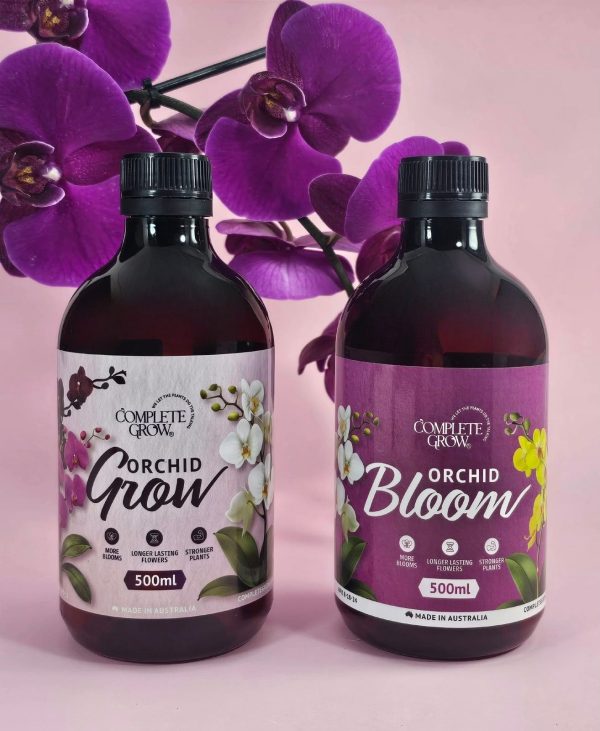
Liquid · 2 × 500 mL
Orchid Grow & Bloom DuoLiquid orchid fertiliser for leaves, roots and flowers2 × 500 mL concentrates · Makes 1,000 L
Two specialised formulas for every stage: Grow for healthy leaves and roots; Bloom for strong spikes, more buds and longer-lasting flowers.Highly concentrated: just 1 mL…
The Grow Blog
Seasonal tips from our growers, written for real Aussie gardens.