tangerine tree leaves curlingโ
Transform Your Garden into a Personal Paradise!
Add Your Heading Text Here
How to Fix Tangerine Tree Leaf Curl
Tangerine tree leaf curl can be frustrating, but with the right care, you can restore your treeโs health. Below are the common causes of leaf curl and the steps to fix them effectively.
What Causes Tangerine Tree Leaf Curl?
Leaf curl in tangerine trees can be attributed to several factors, including environmental conditions, improper care, and pests:
- Watering Issues: Both overwatering and underwatering are common causes of leaf curl. Overwatering can suffocate roots, while underwatering deprives the tree of moisture.
- Pests and Diseases: Aphids, citrus leaf miners, and scale insects can damage leaves, causing them to curl as they feed on the sap.
- Nutrient Deficiencies: Lack of essential nutrients, particularly potassium, magnesium, and nitrogen, can result in curled leaves.
- Environmental Stress: Extreme weather conditions, such as excessive heat or frost, can cause the tree to curl its leaves as a protective mechanism.
Steps to Fix Tangerine Tree Leaf Curl
Follow these steps to restore your tangerine treeโs health and prevent further leaf curling:
- Adjust Watering Practices: Ensure that you water your tree deeply, allowing the soil to dry out between waterings. This prevents both overwatering and underwatering, which can lead to stress and curling.
- Control Pests and Diseases: Inspect your tree regularly for pests. If you spot aphids, citrus leaf miners, or scale insects, treat the tree with horticultural oil or insecticidal soap. Prune affected leaves to prevent the spread of the pests.
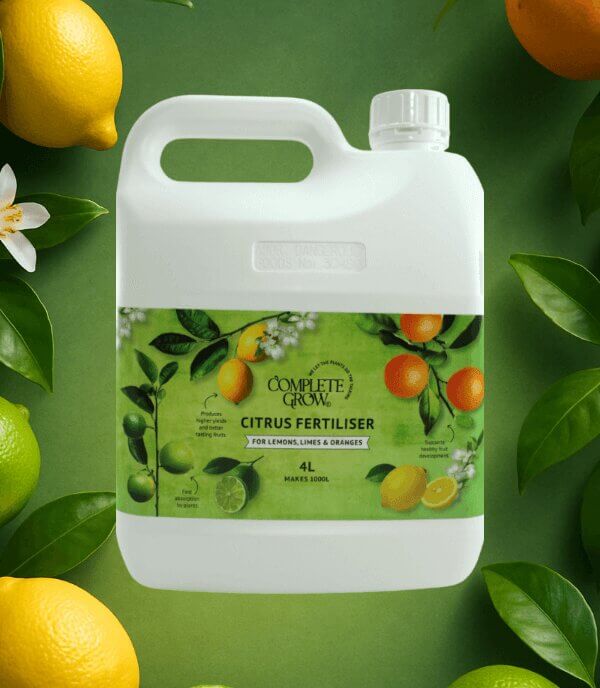
- Address Nutrient Deficiencies: Apply a balanced fertiliser like CompleteGrow Citrus Fertiliser, which is specifically designed for citrus trees to provide the necessary nutrients for healthy growth.
- Reduce Environmental Stress: If possible, move your potted tree to a sheltered spot during extreme heat or frost. Tangerine trees need consistent conditions to thrive.
- Prune Dead or Damaged Leaves: Regularly prune dead, damaged, or diseased leaves to encourage new growth and prevent the spread of pests or diseases. Always prune carefully, ensuring not to damage healthy parts of the tree.
Why Fixing Leaf Curl Matters
Fixing leaf curl is crucial for the overall health of your tangerine tree. If left unaddressed, leaf curl can reduce photosynthesis, stunt growth, and impact fruit production. By following the steps above, you can restore your treeโs vitality and ensure it continues to thrive for years to come.


Preventing Pests and Diseases for Tangerine Tree Leaf Curl
One of the primary causes of leaf curl in tangerine trees is pest infestation and disease. If left untreated, pests such as aphids, citrus leaf miners, and scale insects can cause extensive damage to the treeโs foliage and fruit. Hereโs how to prevent these issues and protect your tree:
Identifying and Managing Common Pests
Tangerine trees are susceptible to various pests that affect both the leaves and fruit. Here’s what you need to look for and how to manage each issue:
- Aphids: These tiny insects suck the sap from leaves, causing them to curl and distort. Aphids also secrete honeydew, which can lead to mold growth. Prevent infestations by spraying with insecticidal soap or a neem oil solution.
- Citrus Leaf Miners: Leaf miners burrow into the leaves, creating silvery trails and causing significant damage. Remove affected leaves, and use systemic insecticides or horticultural oil to eliminate larvae.
- Scale Insects: Scale insects appear as small, brown bumps on stems and leaves. They rob the tree of nutrients and secrete sticky honeydew. Regularly inspect your tree for these pests, and treat with a horticultural oil to smother them.
- Citrus Canker: This bacterial disease leads to lesions and scarring on leaves, stems, and fruit. To prevent citrus canker, avoid overhead watering, which can spread the disease. Remove and destroy infected parts immediately.
How to Prevent Pests from Invading Your Tangerine Tree
Prevention is key when it comes to protecting your tangerine tree from pests and diseases. Hereโs how you can avoid issues before they start:
- Maintain Cleanliness: Regularly clean the area around your tangerine tree to remove fallen leaves, branches, and fruit. This reduces the habitat for pests.
- Use Beneficial Insects: Introduce natural predators like ladybugs, which feed on aphids, or parasitic wasps that target citrus leaf miners.
- Prune Regularly: Prune any dead or damaged branches to improve airflow and reduce places for pests to hide.
- Apply Organic Pesticides: Use natural alternatives like neem oil or diatomaceous earth to keep pests at bay. These are less toxic to beneficial insects and the environment.
With regular monitoring and treatment, you can prevent pest issues from becoming severe, ensuring healthy, vibrant leaves and fruit for your tangerine tree.


Fixing Nutrient Deficiencies in Tangerine Trees
Nutrient deficiencies are one of the main causes of leaf curl in tangerine trees. When your tree isnโt getting the right balance of nutrients, it will show signs such as yellowing leaves, poor fruit production, and distorted growth. Here’s a guide on how to fix nutrient deficiencies and keep your tangerine tree healthy:
Common Nutrient Deficiencies in Tangerine Trees
Each nutrient plays a specific role in the tree’s health. If any of these are deficient, the tree will struggle to grow and fruit effectively:
- Nitrogen (N) Deficiency: Nitrogen is essential for healthy leaf and stem growth. If thereโs not enough nitrogen, older leaves will turn yellow, and the tree will produce less fruit. Solution: Apply a balanced fertiliser like CompleteGrow Citrus Fertiliser, which is rich in nitrogen.
- Potassium (K) Deficiency: Potassium helps the tree develop strong fruit and improves resistance to disease. Low potassium results in smaller, less flavorful fruit and poor fruit retention. Solution: Use a potassium-rich fertiliser like CompleteGrow Citrus Fertiliser to provide the right amount of potassium.
- Magnesium (Mg) Deficiency: Magnesium is crucial for photosynthesis and overall health. Deficiency symptoms include interveinal chlorosis (yellowing between leaf veins). Solution: Add magnesium with a supplement like CompleteGrow CalMag.
- Iron Deficiency: Iron is necessary for chlorophyll production. Without it, young leaves turn yellow while veins remain green. Solution: Apply iron chelates or use a fertiliser designed to correct iron deficiencies.
How to Correct Nutrient Deficiencies in Tangerine Trees
To address nutrient deficiencies, youโll need to adjust both your fertilisation practices and watering habits:
- Use the Right Fertiliser: Apply a complete fertiliser like CompleteGrow Citrus Fertiliser, which provides the correct balance of nitrogen, phosphorus, potassium, and trace elements for healthy tangerine trees.
- Adjust pH Levels: Ensure that your soil has a pH level between 5.5 and 6.5 for optimal nutrient uptake. If the pH is too high or too low, nutrients wonโt be absorbed properly. Use soil amendments like sulfur to lower pH or lime to raise it.
- Monitor Regularly: Check your tree for signs of nutrient deficiencies and adjust your fertilisation schedule accordingly. Donโt wait for problems to get worseโearly intervention can prevent long-term damage.
- Feed Regularly: Tangerine trees need consistent, balanced feeding during the growing season. Fertilise every 4โ6 weeks during spring and summer with a liquid or soluble fertiliser, and reduce feeding during fall and winter.
With the right care and fertilisation schedule, your tangerine tree will thrive, producing healthy, vibrant fruit. Regular monitoring of nutrient levels and adjusting your care routine ensures long-term success.
Tangerine Guides Hub
Tangerine Tree Care, Watering, Pruning, Feeding
Learn how to care for your tangerine tree, including watering, pruning, and feeding for better growth and fruit production.
Prevent & Fix Tangerine Tree Leaf Curl
Discover the causes of tangerine tree leaf curl and how to prevent and fix this common issue with expert tips.
Tangerine Tree Yellow Leaves: Causes & Solutions
Understand why tangerine tree leaves turn yellow and how to restore health with the right treatments.
Best Fertiliser for Tangerine Trees
Find the best fertiliser to support the growth and fruiting of your tangerine trees, including optimal feeding schedules.
Recommended Products
- Quick View
- Select options This product has multiple variants. The options may be chosen on the product page
Cal-Mag Hydroponic Nutrients Fertiliser
- Quick View
- Select options This product has multiple variants. The options may be chosen on the product page