Free Shipping Storwide

๐Ÿ”ฅ20 % OFF ๐Ÿ”ฅ Boxing Day Sale ends in
00 Days
00 Hours
00 Minutes
00 Seconds

tangerine tree yellow leavesโ€‹

Transform Your Garden into a Personal Paradise!

Add Your Heading Text Here

๐Ÿ”ฅ20 % OFF ๐Ÿ”ฅ Boxing Day Sale ends in
00 Days
00 Hours
00 Minutes
00 Seconds

Common Causes of Yellowing Leaves on Tangerine Trees

Yellowing leaves on tangerine trees can be caused by various factors, and it is essential to understand the root cause to address it effectively. Here are the most common causes of yellowing leaves:

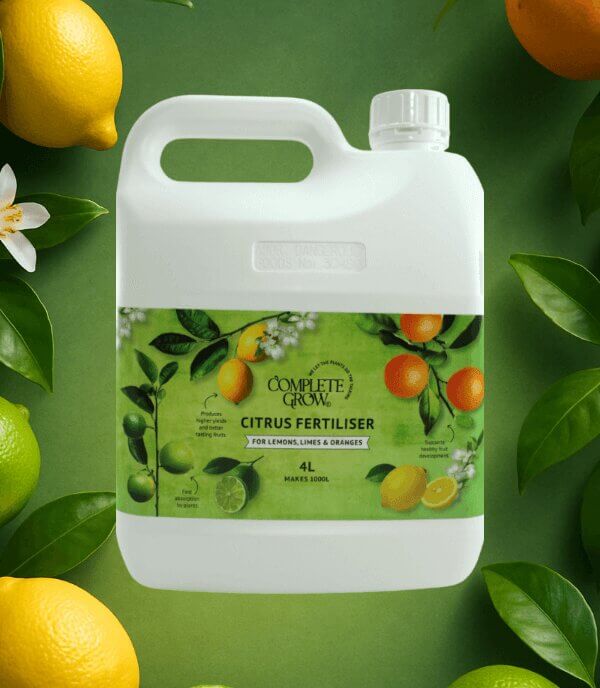
  • Nutrient Deficiencies: A lack of nitrogen, magnesium, or potassium often leads to yellowing leaves. Nitrogen deficiency, in particular, is common in citrus trees. A well-balanced fertiliser like CompleteGrow Citrus Fertiliser can help resolve these deficiencies.
  • Watering Issues: Both overwatering and underwatering can stress the tree, causing yellowing leaves. Inconsistent watering cycles, such as dry periods followed by heavy watering, can be detrimental to the tree’s health. Proper watering practices are essential to restore vitality.
  • Soil pH Imbalance: If the soil’s pH is too high or low, the tree may have trouble absorbing essential nutrients. Tangerine trees prefer slightly acidic soil (pH 5.5-6.5). A soil test can help determine if amendments are needed.
  • Pests or Diseases: Pests like aphids, spider mites, and citrus leaf miners can cause stress to the tree and lead to yellowing leaves. Inspect the tree regularly for pests and treat with organic or chemical insecticides if needed.
  • Environmental Stress: Extreme temperature fluctuations, wind damage, or exposure to frost can cause leaves to turn yellow. Tangerine trees are sensitive to cold, so it’s crucial to protect them during the winter months.
476780697_18475741807058791_5110706967489815434_n
131306958_445195786475622_4609781834686360759_n (1)

How to Fix Yellowing Leaves on Tangerine Trees

To restore your tangerine tree to health, take the following steps:

  • Adjust Watering Practices: Adopt a deep wet-dry watering cycle. Water the tree deeply, but allow the top 3โ€“4 cm of soil to dry out before rewatering. Avoid waterlogging by ensuring good drainage.
  • Fertilise Regularly: Apply CompleteGrow Citrus Fertiliser every 4-6 weeks to supply the necessary nutrients, including nitrogen, phosphorus, and potassium. For improved fruit quality, use this fertiliser as directed.
  • Check Soil pH: Test the soil’s pH and amend it to fall between 5.5โ€“6.5 for optimal nutrient uptake. Use a soil pH adjuster if necessary.
  • Prune Damaged Leaves: Cut off any yellowing or diseased leaves to help the tree focus its energy on healthier parts. Make sure to prune cautiously so you donโ€™t damage new growth.
  • Inspect and Treat for Pests: Check for pests like aphids, spider mites, and citrus leaf miners. Use appropriate treatments like horticultural oil or insecticidal soap to manage pest problems.
447664222_18414845596066489_4129532326290705331_n (1)
315104197_2347752025394220_2477956712754240651_n

Environmental Adjustments for Healthy Tangerine Trees

In addition to proper watering and fertilisation, environmental factors can significantly impact the health of your tangerine tree. Here’s how to optimise your treeโ€™s environment:

  • Provide Adequate Sunlight: Tangerine trees need at least 6-8 hours of direct sunlight per day. Ensure that your tree is planted in a sunny location, or if it’s in a pot, rotate it monthly for even sunlight exposure.
  • Temperature Control: Tangerine trees prefer warm, frost-free climates. Protect the tree during cold weather by moving pots indoors or using frost cloths. If planted in the ground, ensure theyโ€™re sheltered from frost.
  • Improve Soil Drainage: Tangerines require well-draining soil. If your soil tends to be compact, mix in organic matter such as compost or perlite to improve drainage. For potted trees, ensure the container has drainage holes.
  • Use Mulch: Apply mulch around the base of the tree to help retain moisture, suppress weeds, and regulate soil temperature. Be sure to keep the mulch away from the trunk to avoid rot.
  • Maintain Proper Air Circulation: Good airflow around the tree is essential to prevent fungal diseases and promote healthy growth. Space your tree adequately and avoid overcrowding it with other plants.

FAQs: Environmental Care for Tangerine Trees

Q: Can tangerine trees grow in pots?

Tangerine trees can thrive in pots as long as they receive enough sunlight and are given proper care, including regular feeding and watering. Potted trees may need to be rotated to ensure all sides receive equal exposure to sunlight.

Q: What temperature is too cold for tangerine trees?

Tangerine trees are sensitive to frost and temperatures below 5ยฐC (41ยฐF) can damage or kill the tree. During winter, protect your tangerine tree from the cold by using frost cloths or bringing potted trees indoors during frosty nights.

Q: How much sunlight does a tangerine tree need?

Tangerine trees need at least 6-8 hours of direct sunlight daily for optimal growth and fruiting. In areas with less sunlight, consider placing the tree in a greenhouse or indoors near a south-facing window for maximum exposure.

Q: Can I use regular garden soil for my tangerine tree?

While garden soil may work, itโ€™s best to use a well-draining, sandy soil mix or a citrus-specific mix to ensure proper drainage. Tangerine trees donโ€™t tolerate soggy soil, and poor drainage can lead to root rot.

Q: How can I prevent pests from harming my tangerine tree?

Regularly inspect your tangerine tree for pests like aphids, spider mites, and scale. Use organic treatments such as neem oil or insecticidal soap to manage infestations. Ensure proper airflow around the tree to minimize pest attraction.

Recommended Products

Sale!

Cal-Mag Hydroponic Nutrients Fertiliser

Price range: $36.00 through $46.70
Sale!

The Grow Blog: News, Tips, & Stories

Cart (0 items)

No products in the cart.