
Gardenias
Transform Your Garden into a Personal Paradise!
What to Feed a Gardenia: Rates, Timing & Feeding Schedule
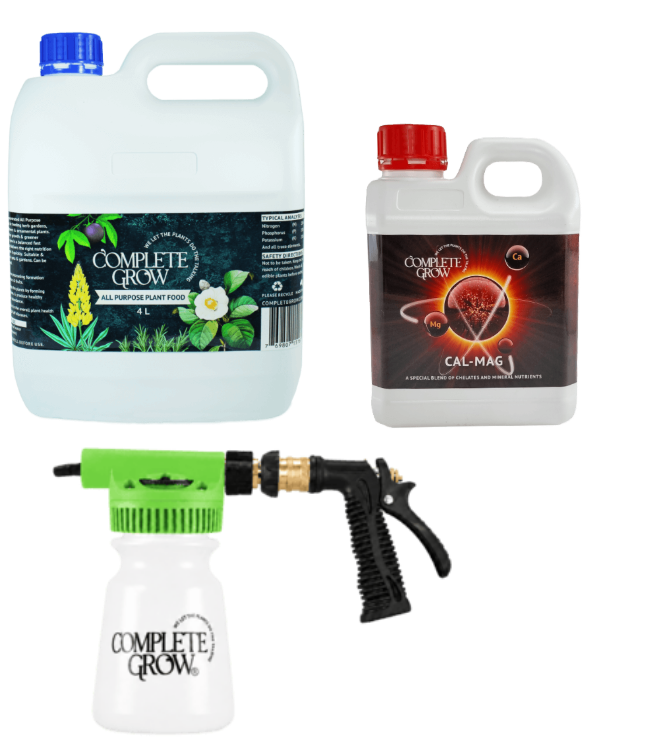
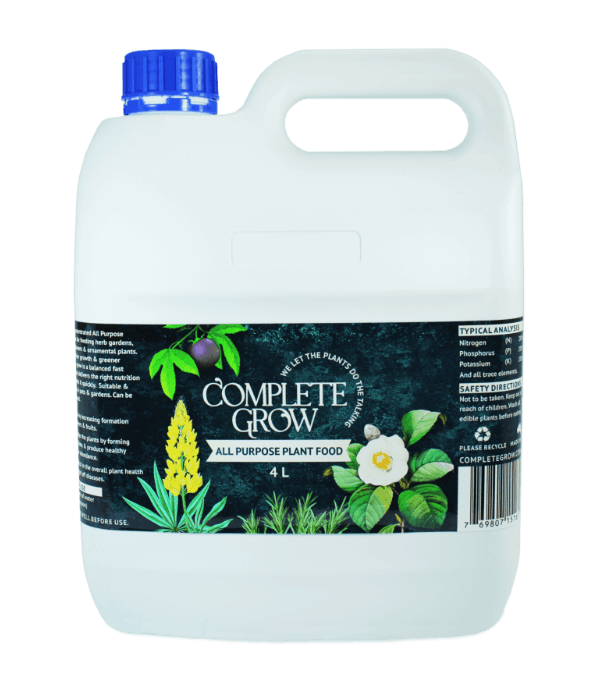
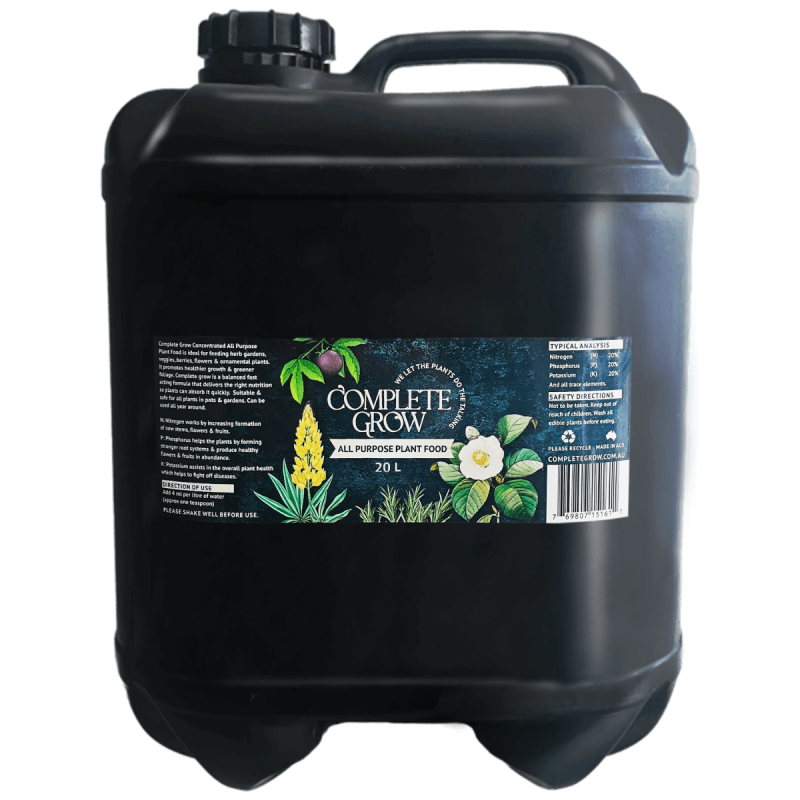
Feed gardenias with a complete liquid fertiliser during active growth, using a gentler rate for pots and young plants. Consistent, correctly measured feeding supports glossy foliage, healthy roots, bud development and flowering while reducing the risk of fertiliser burn or salt accumulation. In most Australian climates, begin feeding when fresh growth appears in spring and continue through summer. Gardenias in the ground can be fed every 3 to 4 weeks, while potted gardenias can be fed every 2 weeks at half strength.Garden beds: Mix CompleteGrow All Purpose Liquid Fertiliser at 4 mL per litre of water and apply every 3 to 4 weeks during active growth.
Pots, young plants and sensitive gardenias: Mix 2 mL per litre and apply every 2 weeks during active growth. Feed moist, free-draining soil and pause when winter growth slows.
Gardenia Feeding Schedule at a Glance
When to Feed Gardenias in Australia
Use active growth as your main guide rather than relying only on calendar dates.- Melbourne and cooler areas: Start in late September or October when new growth appears and usually finish by the end of February.
- Sydney, Brisbane, Perth and warm coastal areas: Feed from approximately September to March while the plant is actively growing.
- Tropical areas: Follow the plant rather than fixed dates. Feed during strong new growth and ease off during the coolest, driest or least active period.
Watch: Gardenia Fertiliser & Feeding Guide
How Much Fertiliser Should You Give a Gardenia?
Use 4 mL per litre for an established gardenia in the ground, or 2 mL per litre for a potted, young or sensitive plant. These rates apply to CompleteGrow All Purpose Liquid Fertiliser. Other products have different concentrations, so follow their labels.- Established gardenias in garden beds: 4 mL per litre every 3 to 4 weeks.
- Gardenias in pots: 2 mL per litre every 2 weeks.
- Young or recently repotted gardenias: Start at 2 mL per litre and observe the plant’s response.
- Winter or very slow growth: Pause feeding and resume when fresh growth appears.
How to Fertilise a Gardenia
- Check the soil moisture. Feed when the root zone is moist but not waterlogged. Water a very dry plant first and allow it to rehydrate.
- Measure the concentrate. Use 4 mL per litre for an established plant in the ground or 2 mL per litre for a potted, young or sensitive plant.
- Dilute it completely. Mix the concentrate into the final volume of water. Never pour undiluted fertiliser onto the soil or plant.
- Feed the root zone. Apply evenly beneath the foliage and around the drip line rather than directly against the stem.
- Allow excess water to drain. Do not leave a potted gardenia standing in water.
- Avoid heat stress. Feed during the cooler part of the day and skip feeding during extreme heat or when the plant is visibly stressed.
How to Feed Gardenias in Pots
Feed potted gardenias at half strength—2 mL per litre every 2 weeks during active growth. Pots need gentler feeding because salts can accumulate within the limited volume of potting mix.- Use a free-draining potting mix made for acid-loving plants such as azaleas and camellias.
- Choose a pot at least 35 cm wide with unobstructed drainage holes.
- Water when the top 2 to 3 cm of mix feels dry, but do not leave the pot standing in water.
- Flush the pot slowly with plain water every 6 to 8 weeks and allow it to drain freely.
- Consider rainwater if the local tap water is hard or alkaline.
- Refresh the potting mix or repot the gardenia every 2 to 3 years.
What We Observed With 100+ Gardenias in Ipswich
CompleteGrow supplied NPK 20-20-20 Liquid Fertiliser to a nursery owner growing more than 100 gardenias in Ipswich, Queensland. The nursery had previously used fertilisers marketed specifically for acid-loving plants.
After changing to a measured NPK 20-20-20 routine, the grower observed stronger and faster growth across the gardenias, more vigorous flowering, larger plants and fuller, lusher foliage compared with the nursery’s previous feeding program.
This is a practical nursery observation rather than a controlled scientific trial. Results vary with gardenia variety, soil pH, watering, drainage, light, temperature and application rate.
Why Are My Gardenia Leaves Yellow After Feeding?
Yellow leaves do not always mean that the plant needs more fertiliser. Check the pattern of yellowing, soil moisture, drainage and pH before applying another dose.
The soil may be too alkaline, restricting iron uptake. Test the pH before adding more fertiliser.
The plant may need routine feeding if it is actively growing and its roots are healthy.
Poor drainage or overwatering is more likely than hunger. Correct the moisture problem before feeding again.
Fertiliser salts may have accumulated. Flush with plain water and skip the next feed.
Dry soil, heat, sudden temperature changes, moving a pot and overfeeding can all contribute.
For a complete diagnosis, see why gardenia leaves turn yellow.
Gardenia Feeding FAQs
How often should I feed a gardenia?
Feed an established gardenia in the ground every 3 to 4 weeks during active growth. Feed a potted gardenia every 2 weeks at half strength.
Should I feed a gardenia while it is flowering?
Yes, continue its normal measured feeding routine while it is actively growing and flowering. Do not add extra doses simply because buds have appeared.
Should I fertilise gardenias in winter?
Usually not. Pause feeding while growth is minimal and resume when fresh growth appears. In tropical areas, follow the plant’s activity rather than fixed dates.
Can coffee grounds replace gardenia fertiliser?
No. Coffee grounds do not provide predictable nutrition or reliably correct soil pH. If composted, use only a modest amount as part of balanced compost rather than placing a thick layer around the plant.
What should I do if I apply too much fertiliser?
Stop feeding, check that the soil drains freely and flush the root zone with plain water if salts have accumulated. Resume later at the correct rate only after the plant is growing normally.
Recommended Products
- Quick View
- Select options This product has multiple variants. The options may be chosen on the product page
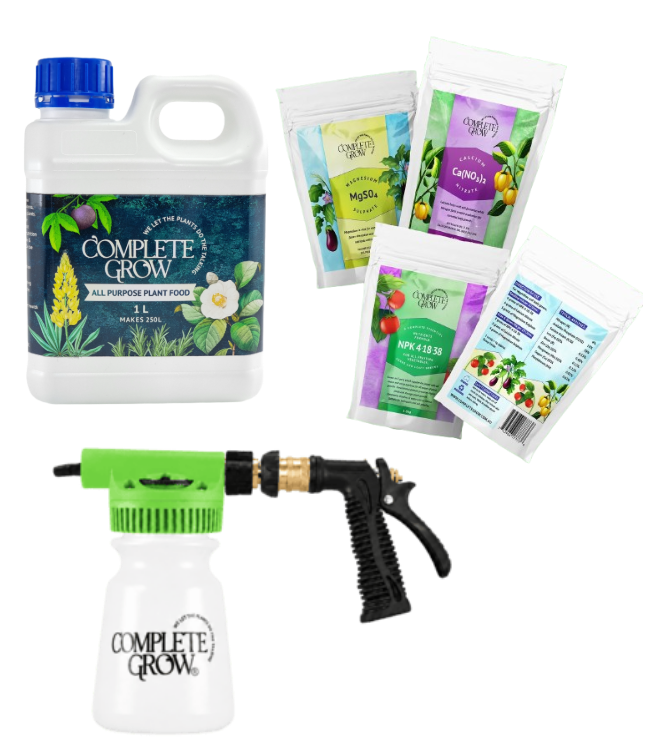
All Purpose Plant Liquid Fertiliser – Formulated from NPK 20-20-20 & Micro Nutrients
The Grow Blog
Seasonal tips from our growers, written for real Aussie gardens.