
Free Shipping Limited Time

Chilli Plants dying

Transform Your Garden into a Personal Paradise!

Why Is My Chilli Plant Dying? Quick Diagnosis Guide

Most “dying” chilli plants can be saved. Identify the stress, correct it for 7–14 days, then rebuild growth with light feeding and even moisture.

Fast Symptom Checker

  • Plant wilts midday, recovers at night: Under-watering or hot wind.
  • Always limp + yellowing: Over-watering / poor drainage; roots suffocating.
  • Leaves crisp, brown tips: Salt build-up or irregular watering in heat.
  • New leaves twisted / tiny: Calcium/Magnesium shortage or pests (aphids, thrips).
  • Brown stem at soil line: Collar/root rot from wet, compacted soil.
  • Winter die-back: Cold shock; chillies stall below ~15 °C (outdoors in southern states).
  • After repotting: Root disturbance + overwatering; temporary wilt is common.

Set expectations: damaged leaves rarely recover, but new growth should look healthy once conditions stabilise.

321194287_1155524971612221_1891666066117109885_n (1)
431793463_402208962498787_2891104271070762246_n (1)

Stabilise Water, Soil & Light

  • Moisture reset: If dry, deep-water until runoff; if wet/sour, let soil dry to the first knuckle before watering again.
  • Drainage fix: Elevate pots, clear saucers, and loosen the top 2–3 cm of compacted mix for oxygen.
  • Sun & heat: Give full morning sun, light afternoon shade during heatwaves; avoid mid-day transplanting.
  • Mulch: 2–3 cm organic mulch to steady temperature and reduce evaporation.

Rebuild Nutrition (Low & Slow)

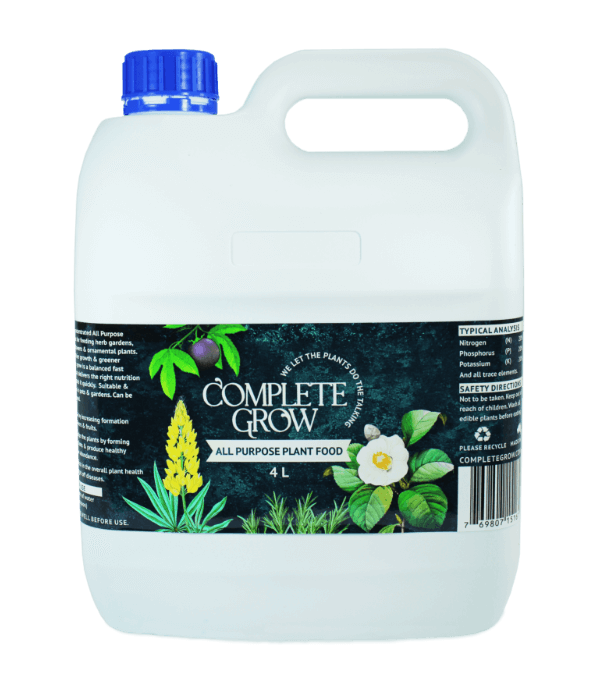
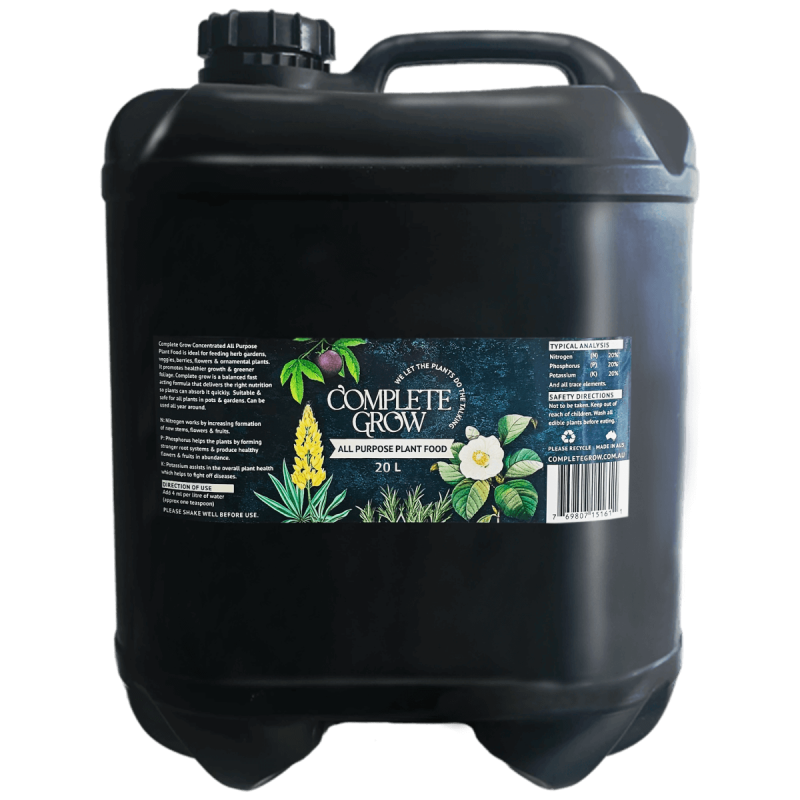
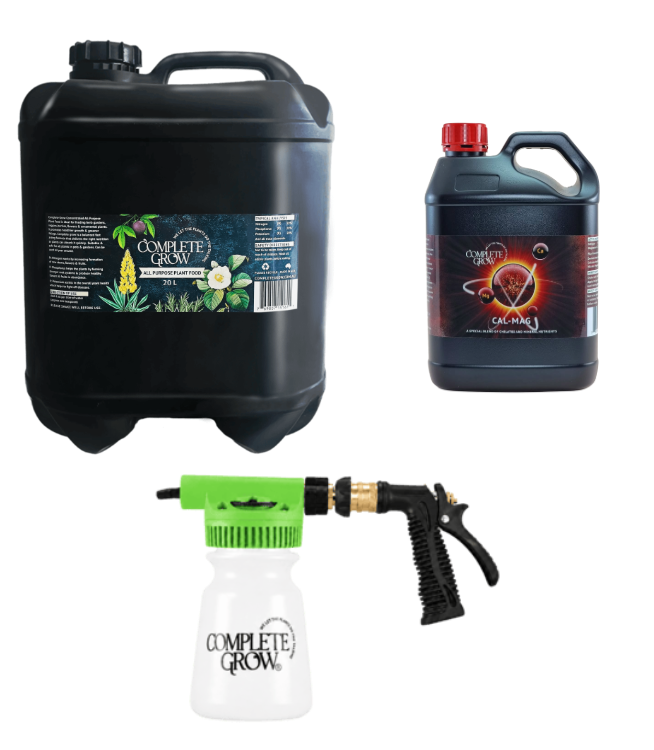
  • Recovery feed: Apply half-strength CompleteGrow NPK 20-20-20 once this week to restart root/leaf metabolism.
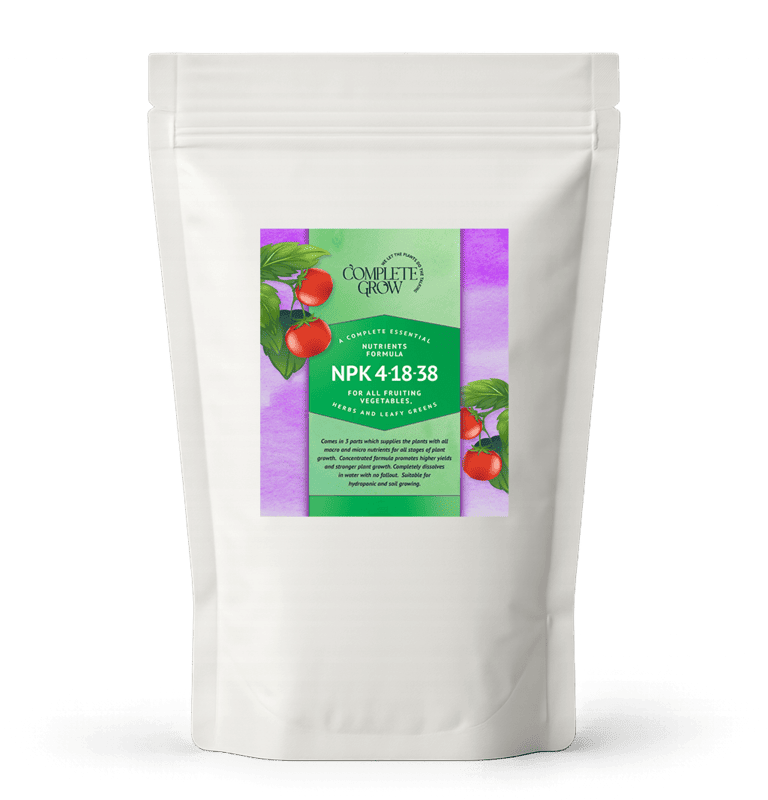
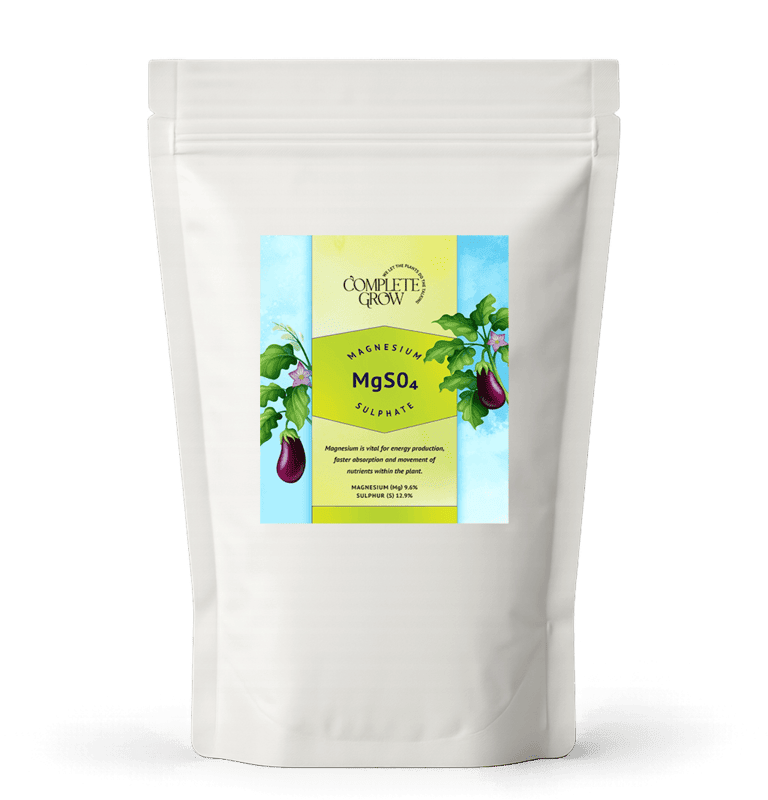
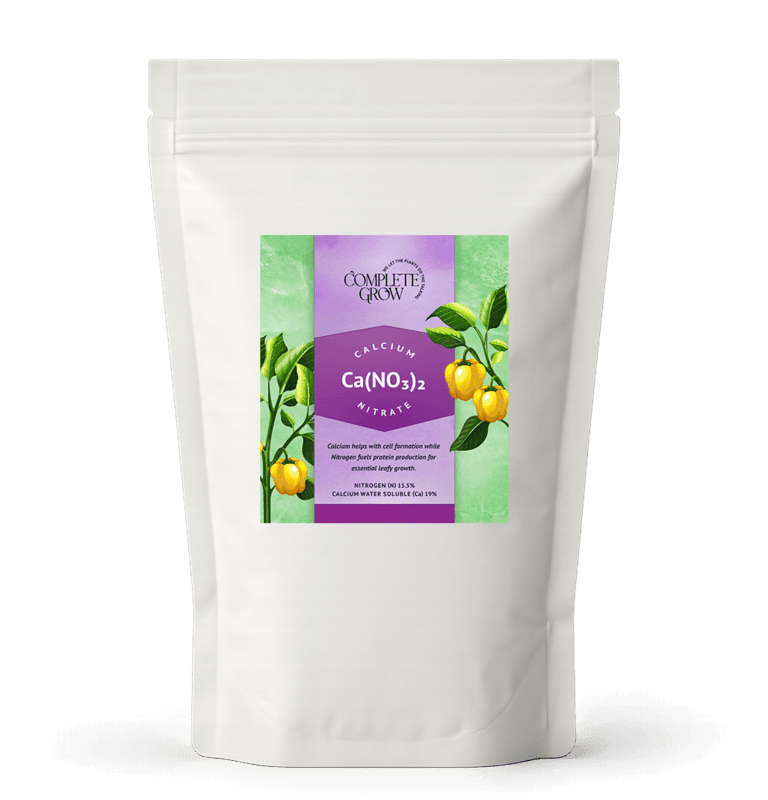
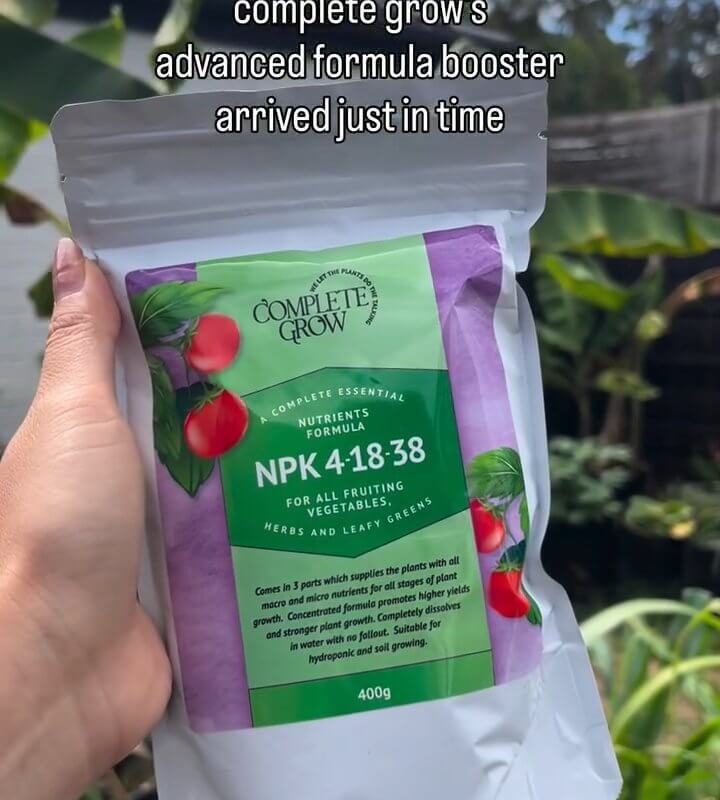
  • Then switch: When buds appear or plants perk up, feed every 7–10 days with Advanced 4-18-38 + Calcium & Magnesium for flower set, pod fill, and leaf strength.
  • Flush salts: Once a month, run plain water through pots to prevent tip burn.

Clean, Prune, Protect

  • Remove half-dead leaves to redirect energy; keep some green for photosynthesis.
  • Check undersides for aphids/mites; treat with neem or pyrethrum, repeat in 5–7 days.
  • Disinfect secateurs; avoid handling foliage when wet to limit spread of leaf spot.
292507747_145782608108791_9161686574758750401_n (1)
321567490_686122796475354_3465521399388178184_n (1)

Special Cases You Asked About

  • Dying after repotting: Shade for 48 hrs, water lightly (not heavily), and apply half-strength 20-20-20 once. Do not compact new mix; ensure free drainage.
  • Dying in winter (southern states): Move pots against a warm wall or indoors; minimum night temp ~15 °C. Water less but never let soil bone-dry. Resume feeding when growth restarts.
  • After fruiting: Chillies are short-lived perennials. Light prune (⅓ off), flush salts, one feed of 20-20-20, then return to 4-18-38 when new buds form.
  • Stem browning at base: Likely collar rot. Improve drainage, remove wet mulch touching stem, and allow dry-back between waterings.

Prevention Plan (All Seasons)

  • Water at dawn/evening; keep soil evenly moist, never saturated.
  • Maintain pH 6.0–6.8 for nutrient uptake; test monthly in pots.
  • Feed little-and-often: 20-20-20 for growth, 4-18-38 + CaMg for flowering/fruiting.
  • Space 40–60 cm for airflow; thin inner shoots to prevent fungal issues.
  • Mulch 2–3 cm and protect from hot, dry winds to reduce stress.

FAQs — “Is My Chilli Plant Dying?”

  • Do chilli plants die after fruiting? No, they can fruit for multiple cycles with pruning and balanced feeding.
  • Can over-fertilising kill a chilli? It can — salts burn roots. Flush and resume at half strength.
  • How fast can a plant recover? New healthy shoots usually appear within 7–14 days after fixes.
  • Is constant wilting always fatal? Not if roots are healthy. Fix drainage/heat, then feed lightly.

Most “dying” chillies bounce back once water, drainage, and nutrition are steady. Keep changes modest, observe for a week, then adjust.

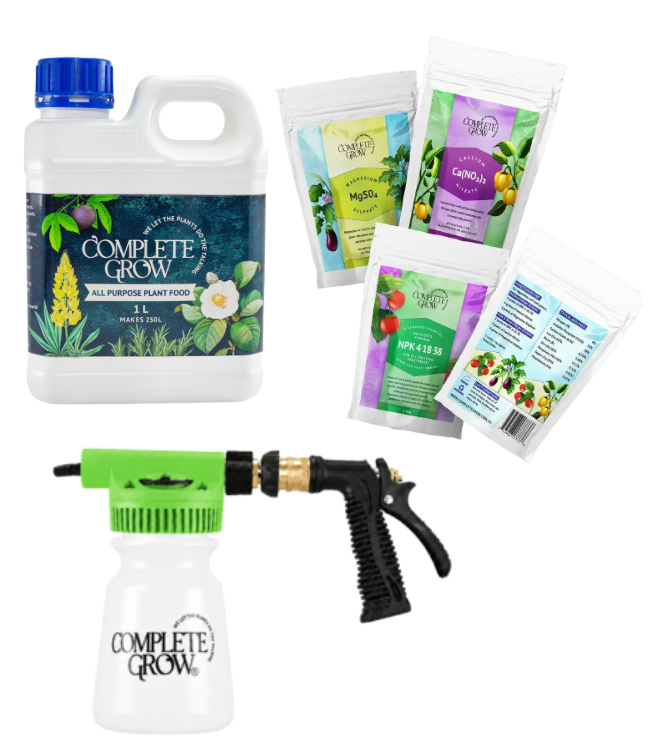
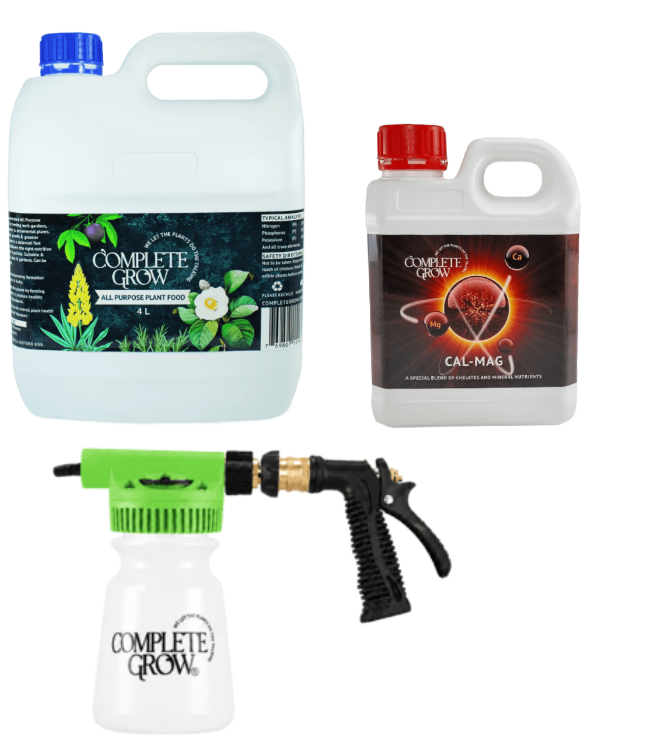
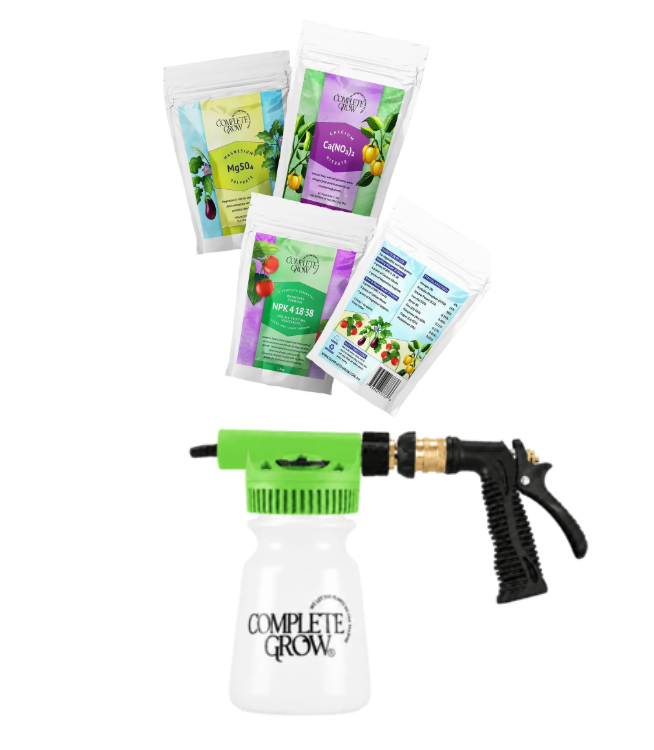
Recommended Products

Sale!
Sale!
Cart (0 items)

No products in the cart.